
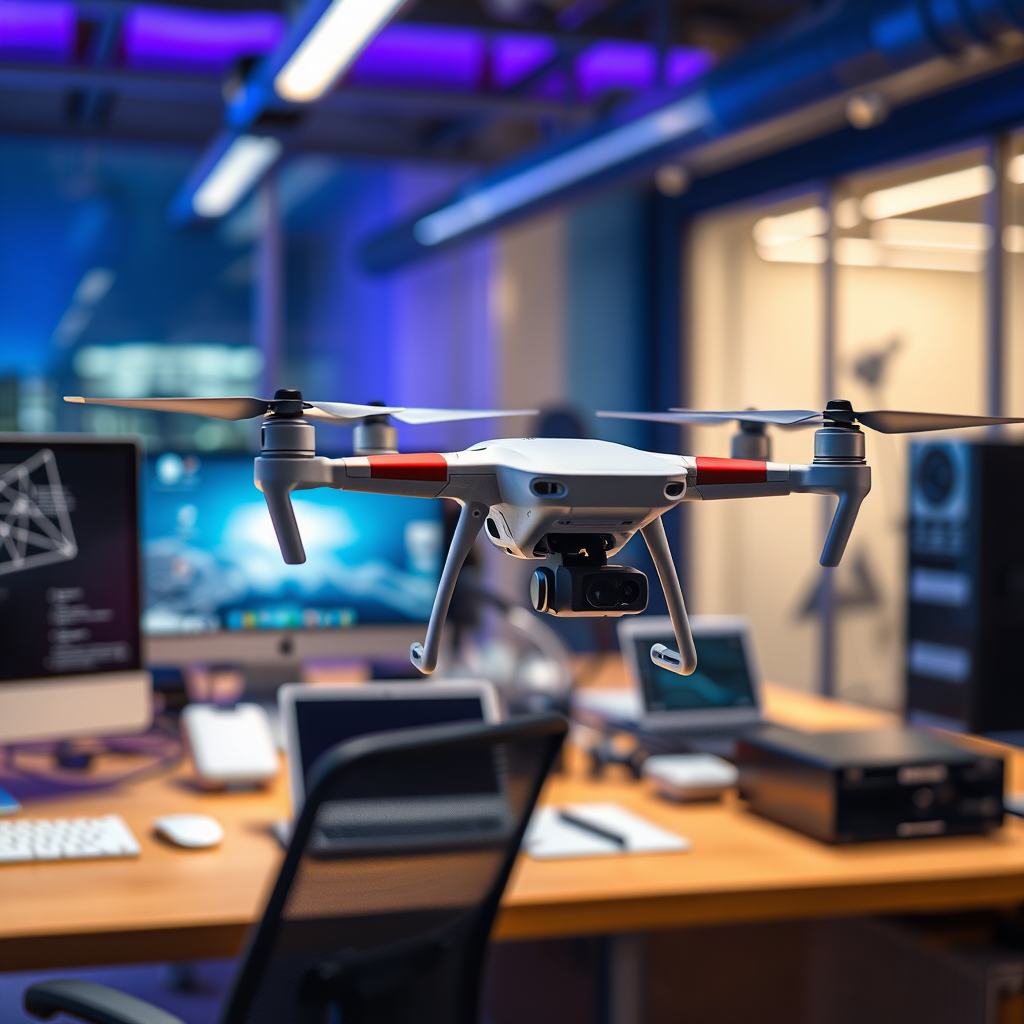
Yes, you can take a drone on an airplane, but there are specific rules and regulations you must follow. Understanding these guidelines is crucial to ensure a smooth travel experience with your drone. As drones become increasingly popular for both recreational and professional use, knowing how to travel with them safely and legally is essential. This article will delve into airline policies, TSA regulations, battery guidelines, international travel considerations, insurance, and best practices for traveling with your drone.
Understanding Airline Policies
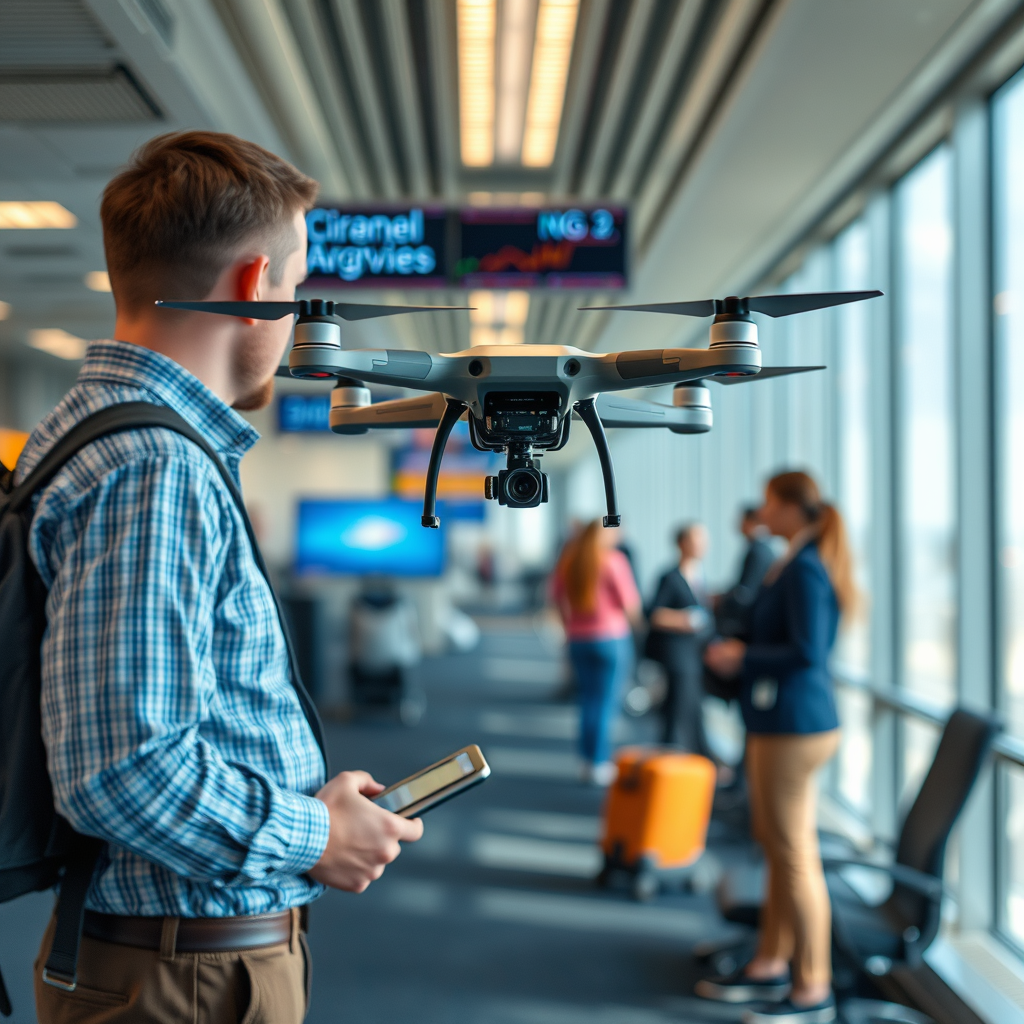
Each airline has its own regulations regarding traveling with drones, and these can vary widely. Some airlines may allow drones as part of your carry-on luggage, while others might have restrictions on size, weight, or battery capacity. For example, Delta Airlines permits drones in carry-on bags but may have specific size restrictions, whereas Southwest Airlines allows drones but advises travelers to check local laws at their destination. To avoid any surprises at the airport, it is vital to check with your airline before your trip. Visit the airline’s official website or contact customer service to get the most accurate and updated information. This proactive step can save you from potential hassles and ensure that you comply with all necessary regulations.
TSA Regulations for Drones
The Transportation Security Administration (TSA) allows drones in both carry-on and checked luggage, provided they are properly packed and comply with specific regulations. When traveling with a drone, ensure that it is easily accessible for inspection during the security screening process. The TSA recommends that travelers place their drone in a separate bin when going through security, similar to how you would handle a laptop or other electronic devices. Moreover, it is important to note that any drone batteries must be properly packaged and within specified size limits to avoid complications. Familiarizing yourself with TSA guidelines not only facilitates a smoother passage through security but also ensures compliance with federal regulations.
Drone Battery Guidelines
Lithium batteries are commonly used in drones, and they come with specific guidelines that must be adhered to when flying. The TSA restricts lithium-ion batteries to a maximum of 100 watt-hours (Wh) for carry-on luggage. Batteries that exceed this limit may need to be shipped separately or left at home. Additionally, spare batteries should be carried in their original packaging or a protective case to prevent short-circuiting. For example, if you plan to bring multiple spare batteries, consider investing in a battery case that meets TSA guidelines. This attention to detail not only enhances safety during your flight but also ensures compliance with airline regulations.
International Travel Considerations
When traveling internationally with a drone, it is essential to be aware that different countries have varying regulations regarding drone importation and usage. For instance, some countries require registration of drones, while others may impose strict restrictions on their use in certain areas. Countries like Canada and Australia have specific regulations governing drone operation, including altitude limits and no-fly zones. Before embarking on your journey, take the time to research the destination country’s drone laws to avoid fines or confiscation. Resources such as government websites or drone associations can provide valuable insights into local regulations. Being informed can help ensure that you enjoy your drone experience without legal complications.
Insurance and Liability
Considering the potential risks associated with drone operation, it is prudent to think about purchasing travel insurance that covers drone-related incidents. This can include theft, damage, or liability for accidents that may occur while flying your drone. Additionally, check your existing insurance policy to see if it covers drone use while traveling. Some homeowners’ insurance policies include coverage for personal property, including drones, while others might not. Understanding your coverage options ensures that you are adequately protected in case of unforeseen incidents, allowing you to focus on enjoying your drone experience.
Best Practices for Traveling with Your Drone
When traveling with your drone, organization is key. Keep your drone and accessories organized for easy access during security checks. This means having all necessary components, such as batteries, remote controls, and propellers, neatly packed in a dedicated case. Consider using a hard-shell drone case that not only provides protection but also allows for easy transport. Additionally, label your drone and its components with your contact information. This simple practice can be invaluable in case your drone gets lost or misplaced during your travels. By following these best practices, you can streamline your travel experience and minimize the risk of complications while transporting your drone.
In conclusion, while you can take a drone on an airplane, it’s essential to familiarize yourself with airline and TSA regulations, battery guidelines, and international laws. Doing your homework can help you avoid complications and enjoy your flying experience wherever you go. With the right preparations and precautions, you can ensure that your drone travels with you safely and in compliance with all necessary regulations. Happy flying!
Frequently Asked Questions
Can I take a drone on an airplane as carry-on luggage?
Yes, you can take a drone on an airplane as carry-on luggage, but there are specific guidelines you need to follow. Most airlines allow you to bring your drone in the cabin, provided it fits within their carry-on size restrictions. Additionally, it’s essential to remove the drone’s batteries and carry them in your personal item, as lithium batteries are often restricted in checked baggage due to fire hazards.
What are the FAA regulations regarding traveling with a drone?
The Federal Aviation Administration (FAA) has specific regulations for traveling with drones. You must register your drone if it weighs more than 0.55 pounds (250 grams), and you should familiarize yourself with the local laws of your destination, as some areas may have restrictions on drone usage. Always carry your registration documentation and ensure compliance with both FAA rules and airline policies to avoid potential fines or confiscation.
How do I prepare my drone for air travel?
To prepare your drone for air travel, first, ensure that it’s properly disassembled, with all propellers removed and batteries safely stored. Use a sturdy case or a backpack designed for drones to protect it during transit. Additionally, check your airline’s specific policies on drone transportation and pack any required documentation, such as registration papers, to streamline the boarding process.
Why are there restrictions on bringing drones on airplanes?
Restrictions on bringing drones on airplanes primarily stem from safety concerns related to lithium batteries and the potential for drones to interfere with aircraft operations. Lithium batteries can pose a fire risk if damaged or improperly stored, which is why many airlines mandate that they be carried in the cabin rather than in checked luggage. These regulations are in place to ensure the safety of all passengers and crew onboard.
Which airlines have the most lenient policies for traveling with drones?
Airlines such as Delta, American Airlines, and Southwest typically have more accommodating policies for traveling with drones, allowing them as carry-on items and specifying clear guidelines for battery transport. However, these policies can vary based on the type of drone and its battery size, so it’s crucial to review the terms and conditions of the airline you plan to use before your trip. Always contact the airline directly if you’re unsure or need clarification on their drone travel policies.
References
- https://www.faa.gov/uas/getting_started/transportation
- https://www.tsa.gov/travel/security-screening/whatcanibring/all-transportation-security-administration
- https://www.wired.com/story/faa-drone-travel-rules/
- https://www.nytimes.com/2021/01/20/business/drone-air-travel.html
- https://www.cnet.com/tech/mobile/what-you-need-to-know-about-flying-with-a-drone/
- https://www.travel.state.gov/content/travel/en/international-travel/International-Travel-Country-Information-Pages.html
- https://www.dronepilotgroundschool.com/drone-travel-tips/
