

Yes, you can take a drone on an airplane, but there are specific regulations and guidelines you must follow. Understanding these rules is crucial whether you’re traveling domestically within the United States or internationally to foreign destinations. Adhering to the regulations set forth by aviation authorities and individual airlines will ensure that your drone travels smoothly alongside you, preventing potential issues at the airport and during your journey.
Understanding FAA Regulations
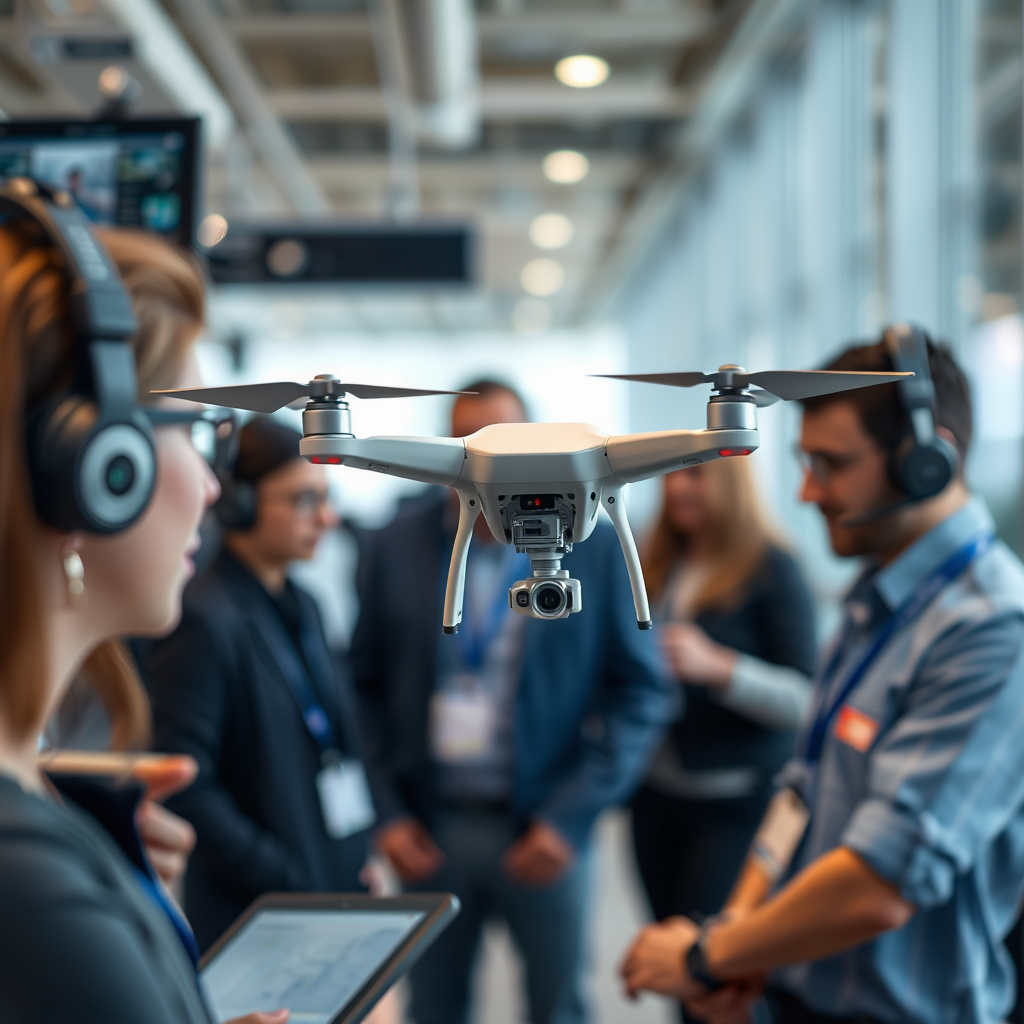
The Federal Aviation Administration (FAA) plays a pivotal role in regulating drone usage in the United States. According to FAA guidelines, drones must weigh less than 55 pounds. If your drone exceeds this weight, it must be registered with the FAA before being transported. Registration is a straightforward process that can typically be completed online, and it provides a unique identifier for your drone, which is crucial for compliance with regulations and for accountability in case of incidents.
Additionally, it’s essential to familiarize yourself with the FAA’s Part 107 regulations if you plan to use your drone for commercial purposes. These regulations include requirements for pilot certification, operational limitations, and safety protocols that must be followed while flying. Even when transporting your drone, being aware of these regulations can help ensure that you remain compliant and avoid any legal complications.
Airline Policies on Drones
While the FAA provides overarching regulations, each airline may have its own specific rules regarding the transportation of drones. It’s imperative to check with your chosen airline prior to travel. For instance, some airlines may allow drones in carry-on luggage, while others may require them to be checked. Additionally, certain airlines might have restrictions on battery size or the number of batteries you can bring.
For example, Delta Air Lines allows drones in carry-on baggage but requires that lithium batteries be limited to a maximum of 100 watt-hours. Meanwhile, Southwest Airlines specifies that drones must be packed in a manner that ensures they are not damaged during transport. Always visiting the airline’s website or contacting customer service for the most current information is advisable.
Packing Your Drone for Travel
Packing your drone properly is vital to prevent damage during travel. A sturdy, padded case specifically designed for your drone model is highly recommended. This case should provide ample cushioning and secure compartments for all parts of the drone, including the propellers, camera, and remote control.
Before heading to the airport, always remove the batteries from the drone. Lithium batteries, which are commonly used in drones, pose a fire risk if not handled correctly. The FAA mandates that these batteries be carried in your carry-on luggage, not checked baggage. Make sure to protect the terminals of the batteries to prevent short-circuiting, which can lead to dangerous situations. Using battery bags or cases specifically designed for this purpose can provide added safety.
International Travel Considerations
Traveling with a drone internationally introduces additional layers of complexity due to varying laws and regulations across different countries. For instance, some countries may have strict drone usage laws, requiring permits for operation, or even outright banning drones in specific areas. Researching the destination’s regulations is crucial to ensure compliance.
In addition to understanding the legal landscape regarding drone usage, it’s vital to be aware of customs regulations. Some countries may require you to declare your drone upon entry, and failing to do so can result in confiscation or fines. For example, in countries like Japan and the United Kingdom, travelers may face significant penalties for flying a drone without proper registration or permits. Resources such as government travel advisories or drone community forums can be invaluable for gathering this information.
Security Screening Process
When traveling with a drone, be prepared for the security screening process at the airport. Security personnel will likely ask you to remove your drone from its case for closer inspection. To facilitate a smooth process, inform the security staff that you are carrying a drone, as this can help clarify any questions they may have and reduce potential delays.
Ensure that your drone and all its components are easily accessible in your carry-on luggage to expedite the screening process. If you’re traveling with multiple batteries, be ready to present them separately, as they may require individual inspection. Staying patient and cooperative with security staff will help ease your passage through airport screenings.
Insurance and Liability
Considering insurance for your drone is an important step in protecting your investment and ensuring peace of mind while traveling. Drone insurance can cover potential damages, theft, or loss during transit and in-flight operations. Various providers offer specialized drone insurance plans that cater to different needs, whether for recreational or commercial use.
Additionally, it is essential to understand your liability in case of incidents during travel. For example, if your drone were to cause damage to property or injury to an individual while in transit, you could be held liable. Having adequate insurance coverage can mitigate these risks. Review your current homeowner’s or renter’s insurance policy, as some may include coverage for drone-related incidents, or consider purchasing a standalone drone liability policy.
In summary, traveling with a drone on an airplane is indeed possible, but it requires careful planning and adherence to various regulations. By understanding FAA guidelines, checking airline policies, packing securely, and being informed about international laws, you can ensure a smooth travel experience. Additionally, being prepared for security screenings and securing adequate insurance will further safeguard your journey. Always keep these essential considerations in mind for a hassle-free experience with your drone.
Frequently Asked Questions
Can I take my drone on an airplane as carry-on luggage?
Yes, you can generally take your drone on an airplane as carry-on luggage, but it’s important to check the specific airline’s policy before your trip. Most airlines allow drones in the cabin, provided that the drone’s battery complies with the airline’s lithium-ion battery regulations; typically, batteries over 100 watt-hours should be stored in checked luggage or may be prohibited.
What are the regulations for flying a drone in another country?
Regulations for flying drones vary significantly from country to country, often requiring registration or specific permits. Before traveling, research the destination’s drone laws, which may include restrictions on flying in certain areas, weight limits, and necessary certifications. Websites like the International Civil Aviation Organization (ICAO) or local aviation authorities can provide valuable information on drone regulations.
How do I pack my drone for air travel to ensure it arrives safely?
To pack your drone for air travel, disassemble any removable parts, such as propellers, and place them in protective cases or bubble wrap to prevent damage. Use a durable, padded case designed for drones, and ensure that all batteries are stored in compliance with airline regulations. Additionally, consider carrying essential components, like the drone’s controller and batteries, in your carry-on luggage to minimize the risk of loss or damage.
Why do airlines have restrictions on drone batteries?
Airlines have restrictions on drone batteries primarily due to safety concerns related to lithium-ion batteries, which can pose fire hazards if damaged or improperly handled. These batteries can ignite under certain conditions, so regulations limit the watt-hour capacity allowed in carry-on and checked luggage to minimize risk. Always check the specific watt-hour limits set by the airline and ensure your batteries are properly stored to comply with these regulations.
Which airlines have the most lenient policies for traveling with drones?
While policies may change, airlines like Southwest, Delta, and American Airlines are often noted for having more lenient policies regarding traveling with drones, especially in terms of carry-on allowances. However, it’s crucial to check the latest regulations on each airline’s website before your flight, as policies can vary based on routes and local laws. Always ensure that your drone and its batteries meet the specific guidelines to avoid any travel disruptions.
References
- https://www.faa.gov/uas/travel
- https://www.tsa.gov/travel/security-screening/whatcanibring/items/drone
- https://www.washingtonpost.com/road-to-recovery/2021/05/06/can-you-take-a-drone-on-a-plane/
- https://www.cnet.com/tech/mobile/can-you-take-a-drone-on-a-plane-what-you-need-to-know/
- https://www.bbc.com/news/world-us-canada-46369757
- https://www.npr.org/sections/thetwo-way/2018/03/05/590908658/take-your-drone-on-a-plane-just-not-in-the-cabin
- https://www.nytimes.com/2018/06/12/travel/drones-airplanes.html
