

Yes, you can take a drone on an airplane, but there are specific regulations and guidelines you must follow to ensure compliance with airline policies and safety regulations. Understanding these rules will help you enjoy your travels while safely transporting your drone. With the increasing popularity of drones for photography, videography, and recreational use, it is essential to navigate the complexities of air travel with these devices effectively. This guide will provide you with essential information on airline policies, TSA regulations, international travel considerations, packing tips, and safety measures to ensure a hassle-free experience.
Airline Policies on Drones
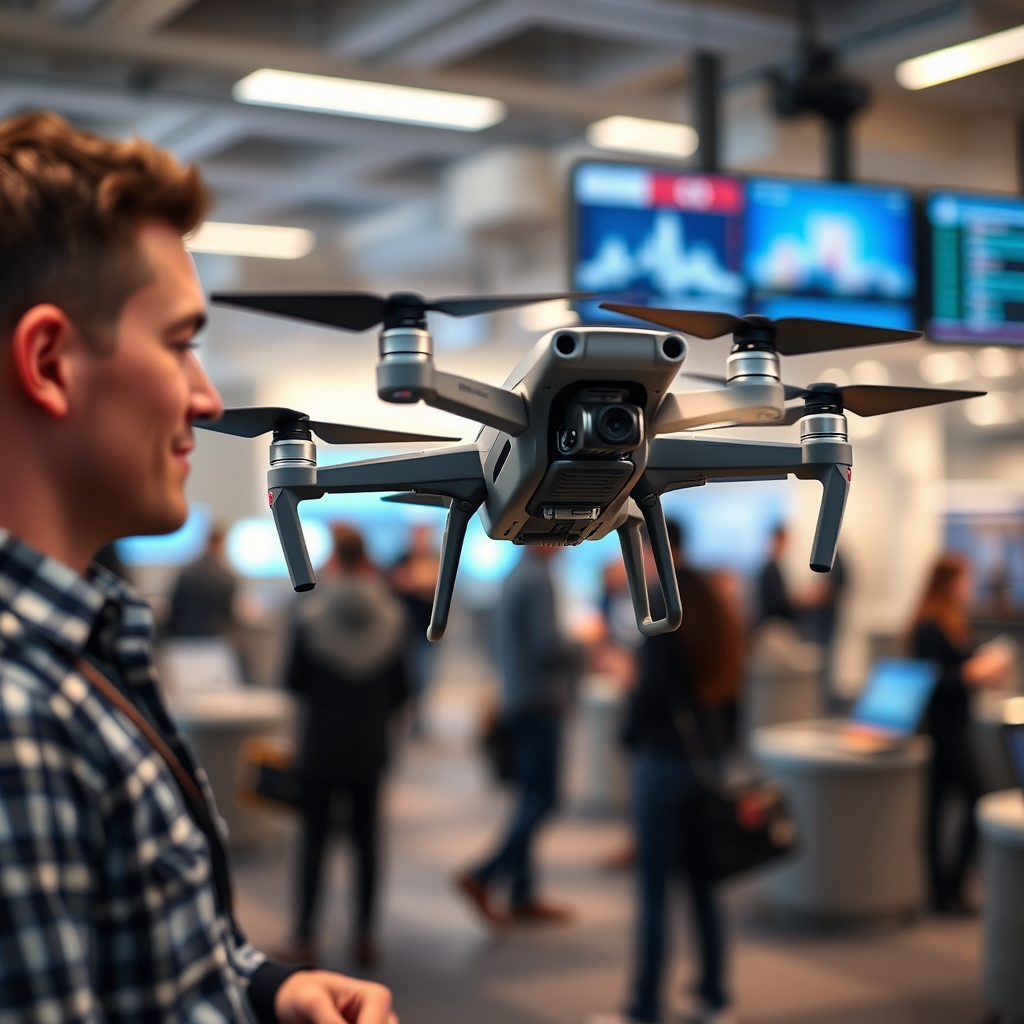
When planning to travel with a drone, it is crucial to be aware of airline-specific policies. Most airlines allow drones in carry-on luggage, but they often impose certain restrictions regarding size, weight, and battery capacity. For instance, airlines like Delta, United, and American Airlines typically permit drones in the cabin, provided they are within the maximum dimensions and weight limits for carry-on bags.
To avoid complications, always verify the specific policies of your airline before your flight. This can usually be done via the airline’s official website or by contacting customer service. Additionally, keep in mind that some airlines might prohibit drones altogether on certain routes or during specific seasons. Therefore, thorough research will not only save you time at the airport but also ensure that you avoid any potential fines or confiscations.
TSA Regulations for Drones
The Transportation Security Administration (TSA) governs security measures for all passengers traveling in the United States, including those transporting drones. According to TSA regulations, drones are permitted in carry-on baggage. However, passengers must ensure that the drone’s battery is properly secured and adheres to the allowable size limits set forth by the TSA.
Lithium batteries, which are common in drone models, have particular restrictions due to their flammability risk. Generally, batteries exceeding 100 watt-hours are not allowed in carry-on luggage, so it is important to check the specifications of your drone’s battery. If you’re carrying multiple batteries, they should be packed in a manner that prevents short-circuiting, such as in battery cases or with terminal caps. Failure to comply with TSA battery regulations can lead to confiscation or delays during security screening.
International Travel Considerations
Traveling with a drone internationally introduces a new layer of complexity, as different countries have varying regulations regarding drone importation and usage. Some nations may require you to register your drone or obtain a permit prior to entering their airspace. For instance, countries like Canada and Australia have specific licensing requirements for drone operation, which can include obtaining a Remote Pilot Certificate.
Before your trip, it is imperative to research the local laws of your destination. Websites such as the International Civil Aviation Organization (ICAO) and local aviation authorities provide valuable information on drone regulations worldwide. Failing to adhere to these laws can result in hefty fines or your drone being impounded. Moreover, understanding local rules will enhance your overall travel experience, allowing you to use your drone without the fear of legal repercussions.
Packing Your Drone for Air Travel
Properly packing your drone for air travel is essential to prevent damage during transit. A high-quality, protective case specifically designed for drones is highly recommended; these cases often feature padding and compartments that can safeguard your equipment from physical shocks and environmental factors.
When packing your drone, remove the batteries and pack them separately, as airlines typically require that lithium batteries be carried in the cabin rather than checked luggage. Ensure that the batteries are within the allowable size limits and securely packed to prevent any damage. Additionally, it’s wise to keep the drone’s user manual and any relevant documentation handy in case security personnel have questions about your equipment during screening.
Safety and Security Measures
Navigating airport security with a drone can be a meticulous process. If asked, you should declare your drone to security personnel during the screening process. This proactive approach can help expedite your passage through security, as security staff may need to physically inspect the drone. Be prepared for additional inspections, as drones can raise security concerns due to their battery components and overall size.
Moreover, familiarize yourself with the airport’s security protocols, as these can vary by location. Knowing what to expect can alleviate stress and help you get through security efficiently. Maintaining a calm and cooperative demeanor with security personnel will also facilitate a smoother experience.
Tips for Flying Your Drone After Arrival
Once you arrive at your destination, it is crucial to check local regulations and no-fly zones before flying your drone. Many cities have restrictions on drone use in urban areas, near airports, or in national parks. Utilizing apps such as AirMap or DJI’s Fly Safe can help you easily identify these zones and ensure compliance with local laws.
If your destination requires permits or registration for drone use, obtain them before attempting to fly. This may involve submitting an application to a local aviation authority or paying a fee. Being informed and prepared will not only keep you within legal boundaries but also enhance your travel experience by allowing you to capture stunning aerial footage legally and ethically.
In summary, flying with a drone on an airplane is certainly feasible, but it requires careful attention to airline and TSA regulations, as well as adherence to the laws of your destination. By conducting thorough research, packing appropriately, and following safety protocols, you can ensure a smooth travel experience with your drone. Always plan ahead to avoid complications and enjoy capturing the beauty of your travels from the sky.
Frequently Asked Questions
Can I take a drone on an airplane as carry-on luggage?
Yes, you can take a drone on an airplane as carry-on luggage, but it’s important to check the airline’s specific policies first. Most airlines allow small drones in carry-on bags, but larger drones may need to be checked in. Ensure that your drone’s batteries comply with airline regulations regarding lithium batteries to avoid any issues during security screening.
What are the rules for bringing a drone on a domestic flight?
The rules for bringing a drone on a domestic flight typically require that you keep the drone in your carry-on luggage, as checked baggage may pose risks due to battery regulations. Additionally, you should ensure that the drone is powered off and packed securely to prevent damage. Always check the TSA guidelines and your airline’s specific policies regarding drone transport before your trip.
Why do drone batteries have restrictions when flying?
Drone batteries, particularly lithium-ion batteries, have restrictions when flying due to their potential fire hazard. These batteries can overheat and catch fire if damaged or short-circuited. Airlines and aviation authorities impose limits on the watt-hour rating of batteries, often allowing only batteries under 100 watt-hours in carry-on luggage, to ensure passenger safety.
What should I do if I need to fly internationally with a drone?
If you need to fly internationally with a drone, start by researching the regulations of the destination country regarding drone use and importation. Some countries have strict rules, and you may need to register your drone or obtain special permits. Additionally, make sure to check the airline’s international travel policies for drones and battery regulations to avoid issues when you board.
Which airlines have the best policies for flying with drones?
Airlines like Delta, American Airlines, and Southwest typically have favorable policies for flying with drones, allowing them in carry-on luggage as long as they comply with battery regulations. However, policies can vary widely, so it’s crucial to check directly with the airline or their website for the most up-to-date information before your flight. Always confirm the specific weight and size limitations and inquire about any fees that may apply.
References
- https://www.faa.gov/uas/travel
- https://www.tsa.gov/travel/security-screening/whatcanibring/items/drone
- https://www.wikihow.com/Travel-With-a-Drone
- https://www.cnn.com/travel/article/drone-airline-rules/index.html
- https://www.usatoday.com/story/travel/airline-news/2021/03/30/drone-carry-on-bag-airplane/6978326002/
- https://www.airlines.org/drones-on-airplanes/
- https://www.nytimes.com/2019/06/18/travel/drones-airlines.html
