
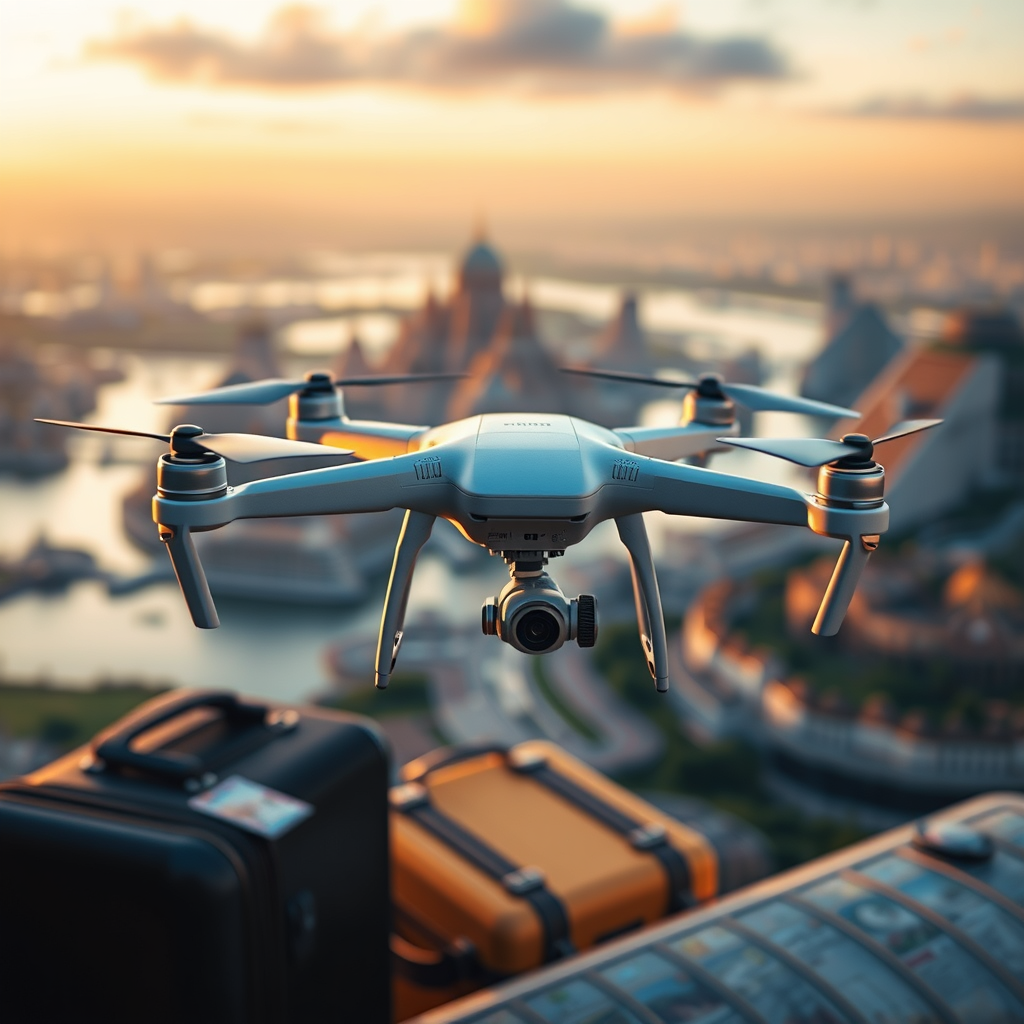
Yes, you can take a drone on an international flight, but there are specific rules and regulations you must follow depending on your destination and airline. Understanding these guidelines is essential to ensure a smooth travel experience with your drone. As the popularity of drone photography and videography surges, many travelers are keen to capture breathtaking landscapes from unique aerial perspectives. However, ignorance of the regulations can lead to confiscation, fines, or even legal troubles. This article aims to provide a comprehensive guide to help you navigate the complexities of traveling with a drone internationally.
Understanding Airline Policies

When planning to take your drone on an international flight, the first step is to familiarize yourself with your airline’s specific policies. Different airlines have varying regulations regarding the transportation of drones, which can significantly affect your travel plans. For instance, some airlines, like Delta and American Airlines, may require drones to be packed in carry-on luggage, while others, such as Ryanair, may allow checked baggage.
It is crucial to check the airline’s website or contact their customer service for the latest information on drone transport, including size and weight restrictions. Also, consider that some airlines may have limitations on the type of batteries allowed for your drone. For example, lithium batteries typically have strict regulations due to fire hazards, and airlines often limit the watt-hour rating (Wh) of batteries you can carry. Understanding these airline policies will help you avoid any last-minute surprises at the airport.
International Regulations on Drones
In addition to airline policies, it is vital to understand the international regulations governing drone use in your destination country. Each country has its own laws that dictate how and where drones can be flown, and these regulations can vary significantly. For example, while countries like Canada and the United Kingdom have comprehensive frameworks for drone operation, others may have more stringent or even prohibitive laws.
Before traveling, research the regulations of your destination. Some countries may require you to register your drone, obtain permits, or adhere to specific flying zones. In places like Iceland, for instance, flying drones in certain national parks is heavily regulated, and failing to comply can result in hefty fines. Websites such as the International Civil Aviation Organization (ICAO) provide valuable resources to help you understand these regulations and ensure compliance.
Packing Your Drone for Travel
Proper packing of your drone is essential to prevent damage during transit. It is advisable to use a sturdy, padded carrying case designed specifically for drones, which provides protection against impacts and falls. Ensure your drone and its components, such as propellers and cameras, are securely fastened within the case to minimize movement.
Additionally, pay special attention to the packing guidelines for lithium batteries, as these are often subject to strict regulations. Airlines typically require that lithium batteries be carried in your carry-on luggage rather than checked baggage. Make sure to keep the batteries in their original packaging or in fireproof bags to further mitigate any risk. Following these packing guidelines not only protects your drone but also ensures compliance with airline safety regulations.
Customs and Declaration Procedures
When arriving in a new country with your drone, be prepared for customs and declaration procedures. Many countries require you to declare electronic devices, including drones, upon entry. Having the necessary documentation readily available can streamline this process and reduce the risk of complications.
Keep a copy of your purchase receipts, registration documents, and any permits obtained for flying your drone at your destination. For instance, if you are traveling to countries like Australia, where drone use is regulated, having proof of registration can help demonstrate your compliance with local laws. Failing to declare your drone can result in confiscation or fines, so it is best to err on the side of caution and be transparent with customs officials.
Insurance and Liability Considerations
Obtaining drone insurance is a prudent step to consider before embarking on your international journey. Drone insurance can cover potential damages or accidents that may occur while flying your drone abroad, providing peace of mind as you explore new landscapes. Various insurance providers offer policies tailored specifically for drone operators, which can include coverage for liability, theft, and damage.
Moreover, understanding your liability as a drone operator in a foreign country is crucial. Different jurisdictions may have varying laws regarding liability in the event of an accident. For example, if your drone causes property damage or injures someone while flying in a country like Germany, you may be held responsible under local laws. Researching these legal frameworks and securing adequate insurance can protect you from unforeseen liabilities.
Tips for Flying Drones Internationally
Successfully flying your drone internationally requires preparation and awareness of local regulations. Here are some tips to ensure a smooth experience:
1. Familiarize Yourself with Local Flying Zones: Before launching your drone, research the local airspace rules and restrictions. Many countries have designated no-fly zones, particularly near airports, military installations, and urban areas. Utilize apps and websites that provide real-time information on drone regulations and flying zones.
2. Join Local Drone Communities: Engaging with local drone enthusiasts can provide valuable insights into the best flying locations and any potential pitfalls. Online forums or social media groups can serve as resources for real-time advice and updates on regulations.
3. Stay Updated on Changing Regulations: Drone laws are continually evolving, and what may have been legal last year could be prohibited today. Regularly check local regulations and stay informed about any changes that might affect your drone operations.
4. Respect Privacy and Local Customs: Always be respectful of the privacy of others when flying your drone. In many cultures, taking aerial photos of private property or individuals without consent can lead to serious backlash. Being culturally sensitive will not only help you avoid conflicts but also enhance your travel experience.
In conclusion, while it is possible to take a drone on an international flight, thorough preparation is essential. Be sure to check airline policies, understand regulations in your destination country, pack your drone carefully, and stay informed about customs procedures. Additionally, consider obtaining insurance and engaging with local drone communities to enhance your flying experience. With careful planning and adherence to regulations, you can enjoy the thrill of capturing stunning aerial views in your travels. Happy flying!
Frequently Asked Questions
Can I take a drone on an international flight in my carry-on luggage?
Yes, you can typically take a drone on an international flight in your carry-on luggage, but it’s essential to check the airline’s specific regulations as they may vary. Most airlines allow drones in carry-on bags, but you must ensure the drone’s battery complies with airline policies regarding lithium batteries, usually not exceeding 100 watt-hours. Additionally, it’s good practice to inform security personnel about your drone during the screening process.
What are the regulations for taking a drone to another country?
Regulations for taking a drone to another country can vary significantly by destination. Many countries require you to register your drone with local aviation authorities or have specific restrictions regarding where you can fly. Before traveling, research the drone laws of the country you are visiting to ensure compliance, as flying a drone without proper authorization can lead to fines or confiscation.
Why do airlines have restrictions on drones in checked baggage?
Airlines impose restrictions on drones in checked baggage primarily due to safety concerns associated with lithium batteries, which can pose fire hazards if damaged. Additionally, checked bags are not monitored during the flight, increasing the risk of loss or theft. By restricting drones to carry-on luggage, airlines aim to ensure safe transportation while allowing passengers to keep their valuable equipment within reach.
How can I prepare my drone for international travel?
To prepare your drone for international travel, start by checking the airline’s specific regulations regarding drones and lithium battery limits. Secondly, disassemble any detachable parts and pack your drone securely in a padded case to avoid damage. Additionally, consider downloading local drone laws and regulations of your destination and keeping your drone registration documents handy in case you need to show them upon arrival.
Which countries have the strictest drone regulations for international travelers?
Countries like China, Canada, and the United Kingdom have some of the strictest drone regulations for international travelers. In China, for example, travelers must register their drones and obtain specific permits, while in Canada, flying a drone without proper licensing can result in hefty fines. It’s crucial to research and understand the regulations of each country before flying your drone to avoid legal issues and ensure a smooth travel experience.
References
- https://www.faa.gov/uas/getting_started/part_107/
- https://www.tsa.gov/travel/security-screening/whatcanibring/all-list/drones
- https://www.iata.org/en/programs/ops-infra/aviation-safety/drone-integration/
- https://www.caa.co.uk/Consumers/Unmanned-aircraft/
- https://www.nytimes.com/2021/01/11/business/drones-flights.html
- https://www.easa.europa.eu/domains/civil-drones
- https://www.who.int/news-room/fact-sheets/detail/drone-technology-and-healthcare
- https://www.wired.com/story/drones-international-travel/
- https://www.gov.uk/guidance/drone-safety-using-drones-safely-and-responsibly
