

Yes, you can take a drone on an international flight, but there are specific regulations and restrictions you need to follow. The transport and use of drones vary significantly from country to country, making it imperative to be fully informed of the relevant laws before you embark on your journey. Understanding airline policies, customs regulations, battery safety, and country-specific drone laws will help ensure your travel experience is both enjoyable and lawful.
Understanding Airline Regulations
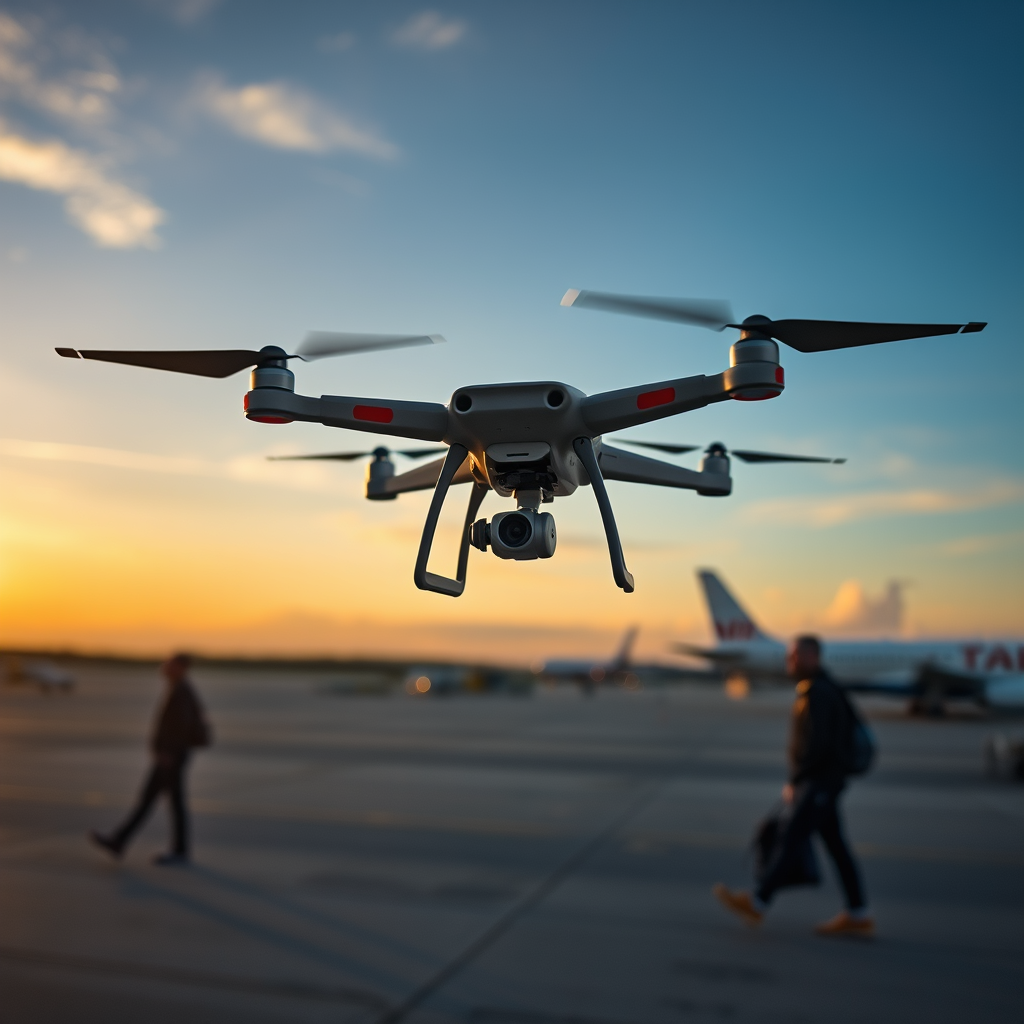
When planning to take a drone on an international flight, the first set of regulations to consider are those imposed by airlines. Most airlines permit drones in either checked or carry-on luggage; however, policies can differ significantly based on the airline and the type of drone. For instance, some airlines may have restrictions on the size and weight of drones, while others might limit the number of batteries you can carry.
It is advisable to check your airline’s specific rules regarding drone transportation prior to your departure. This information can usually be found on the airline’s website or by contacting customer service directly. Additionally, many airlines require that drone batteries comply with specific watt-hour limits—typically, batteries over 100 watt-hours (Wh) are not allowed in carry-on luggage. Therefore, ensure that you are aware of these limitations to avoid potential issues at the airport.
Customs and Import Regulations
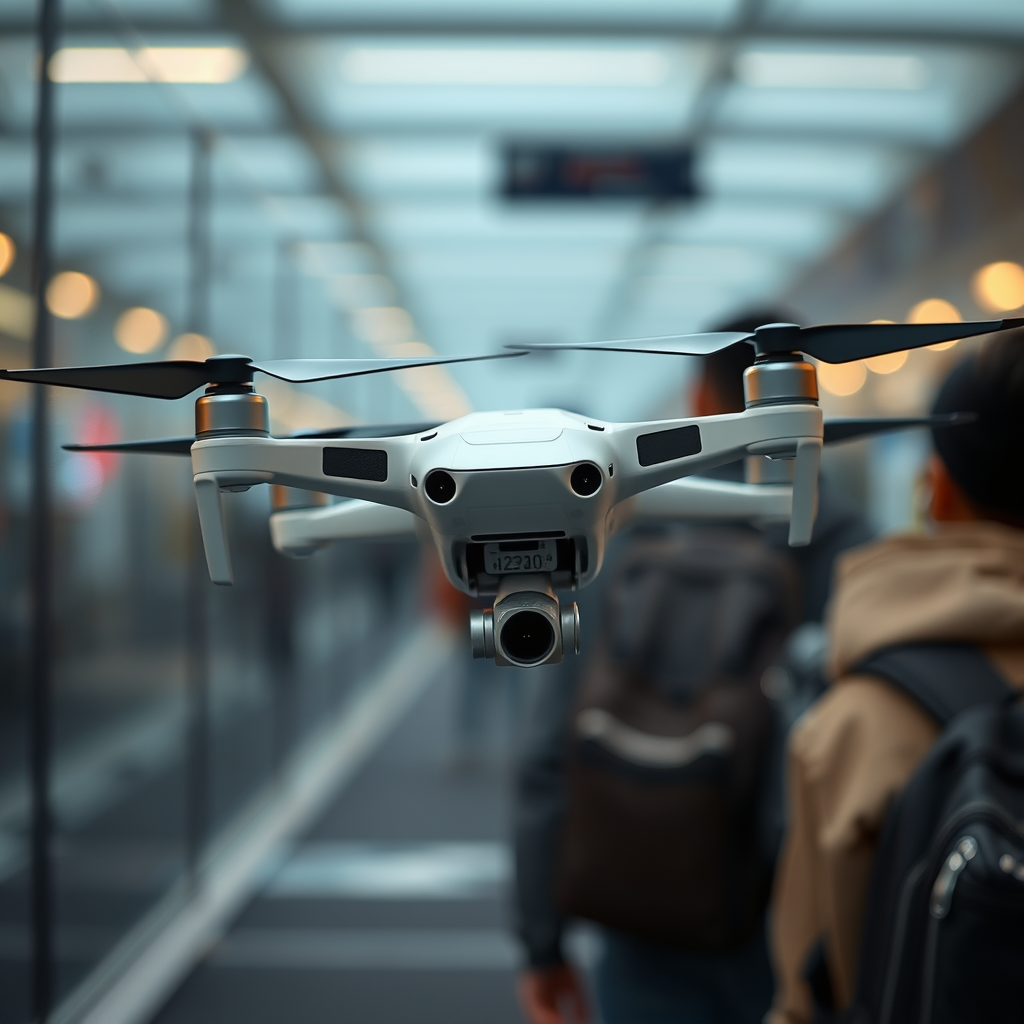
Navigating customs regulations is crucial for international travelers with drones. Many countries have specific laws requiring travelers to declare their drones upon entry. Failing to do so can result in fines, confiscation, or even legal repercussions. For example, countries like Brazil and India have stringent regulations that require permits for drone usage, particularly if you intend to operate the drone for commercial purposes.
It’s also essential to be aware of the types of drones that are allowed in your destination country. Some nations may prohibit certain drone models or may require you to obtain special licenses for specific types of drones. Furthermore, understanding the customs process will help you prepare the necessary documentation, such as proof of ownership or registration, to facilitate a smoother entry into the country.
Battery Safety and Transportation
Battery safety is a critical consideration when traveling with drones, particularly because most drones utilize lithium batteries, which can pose risks if not properly handled. The Federal Aviation Administration (FAA) and other aviation authorities have strict guidelines governing the transportation of lithium batteries. Generally, it is recommended that you carry these batteries in your hand luggage rather than checked baggage to mitigate risks associated with battery malfunctions.
Before flying, ensure that your drone batteries fall below the watt-hour limit set by your airline or the country you are visiting. For most airlines, a limit of 100 watt-hours is common for lithium-ion batteries. If you are traveling with multiple batteries, keep track of their individual watt-hour ratings, as some airlines may permit only a limited number of batteries or impose additional restrictions. Additionally, carrying spare batteries should be done with care; use protective cases to prevent short circuits and damage.
Country-Specific Drone Laws
Each country has its own set of drone laws, and familiarizing yourself with these regulations is essential to avoid fines or drone confiscation. For instance, in the United States, the Federal Aviation Administration (FAA) has established guidelines for drone operation, including height restrictions and no-fly zones that you must adhere to. Additionally, countries like Canada have specific registration requirements for drones over a certain weight.
Moreover, many countries feature no-fly zones, particularly in urban areas or near airports, where drone flying is strictly prohibited. Researching the drone laws of your destination is crucial, as some countries may enforce severe penalties for non-compliance. Online resources, local aviation authorities, and drone enthusiast forums can provide valuable insights into the current regulations and the locations where drone use is permitted.
Insurance and Liability Considerations
As a responsible drone owner, considering insurance is vital for protecting yourself from potential damages or legal issues. Drone insurance can cover a variety of scenarios, including accidental damage to property, injuries to individuals, and even legal expenses arising from drone-related incidents. Various providers offer tailored drone insurance policies that cater to both recreational and commercial operators.
Understanding your liability in case of accidents is equally important. Some countries may hold operators accountable for damages caused by their drones, while others may have specific laws that limit liability. By securing appropriate insurance, you not only protect your investment but also ensure peace of mind while flying your drone in unfamiliar territories.
Pre-Travel Checklist
Preparation is key when planning to travel with a drone. Start by packing your drone securely to prevent damage during transit. Use a sturdy case designed for your specific model, and consider removing propellers and other detachable components for added protection. Additionally, familiarize yourself with local regulations regarding drone use, including any limitations or requirements that may apply.
Before leaving, ensure that you have all necessary documentation ready, such as proof of registration, permits, or insurance papers. Additionally, make a checklist of items to carry, including spare batteries, chargers, and any tools that may be needed for assembly or repairs. Being well-prepared will facilitate a smooth travel experience and help you avoid complications at customs or during security checks.
In conclusion, while it is possible to take a drone on an international flight, thorough preparation and understanding of regulations are crucial. By familiarizing yourself with airline policies, customs regulations, battery safety, and specific country laws, you can ensure a compliant flying experience. Additionally, considering insurance and preparing a pre-travel checklist can further alleviate potential issues. Always do your research beforehand to ensure a smooth and hassle-free travel experience with your drone.
Frequently Asked Questions
What are the regulations for taking a drone on an international flight?
Regulations for taking a drone on an international flight vary by airline and country. Generally, you are allowed to carry drones in your checked luggage or carry-on, but it’s essential to check the specific airline’s policy regarding battery size and weight. Additionally, some countries have strict customs regulations and may require you to declare your drone upon arrival, so researching the destination’s drone laws is crucial before your trip.
How do I prepare my drone for international travel?
To prepare your drone for international travel, start by checking your airline’s specific guidelines for transporting drones. Make sure to remove the drone batteries and pack them separately, as most airlines have restrictions on lithium-ion batteries. Additionally, consider investing in a durable case to protect your drone during transit, and familiarize yourself with the regulations of your destination regarding drone usage to avoid any legal issues upon arrival.
Why is it important to check local drone laws before traveling internationally?
Checking local drone laws before traveling internationally is vital to avoid fines, confiscation, or legal trouble. Different countries have varying regulations regarding drone usage, including restrictions on where you can fly, maximum altitude, and registration requirements. Understanding these laws helps ensure that you can enjoy flying your drone safely and legally without disruptions during your trip.
Which countries have the most restrictive drone regulations for travelers?
Countries with the most restrictive drone regulations for travelers include India, where drones require special permits, and Australia, which has strict no-fly zones. Other regions like the United Kingdom and European Union countries have comprehensive regulations that may include registration and liability insurance. Before traveling, it’s essential to research the specific regulations of your destination to ensure compliance and avoid potential penalties.
What should I do if my drone gets damaged during international travel?
If your drone gets damaged during international travel, the first step is to assess the extent of the damage and document it with photos. Then, report the issue to the airline’s customer service as soon as possible, as many airlines have policies for handling damaged luggage. Depending on the circumstances and the airline’s policy, you may be eligible for compensation or reimbursement for repairs. Always review your travel insurance policy to see if it covers damages to personal electronics during transit.
References
- https://en.wikipedia.org/wiki/Drone#Regulations
- https://www.faa.gov/uas/travel_drone
- https://www.travel.state.gov/content/travel/en/international-travel/while-abroad/transportation.html
- https://www.cnbc.com/2021/06/08/faa-issues-new-guidelines-for-traveling-with-drones.html
- https://www.npr.org/2020/01/02/794888386/the-rules-for-flying-drones-in-the-us-and-abroad
- https://www.easa.europa.eu/domains/civil-drones
- https://www.gov.uk/guidance/drone-insurance-and-legal-requirements
- https://www.traveldoc.aero/drone-travel-guidance
