

Yes, you can take a drone through airport security, but there are specific regulations and guidelines to follow. Understanding these rules will help ensure a smooth experience while traveling with your drone. As drone technology continues to evolve, so do the policies surrounding their transport on commercial flights. This article will provide a comprehensive overview of the necessary steps and considerations to take when traveling with a drone, ensuring that you remain compliant with regulations and avoid any unnecessary delays or complications.
Understanding TSA Regulations
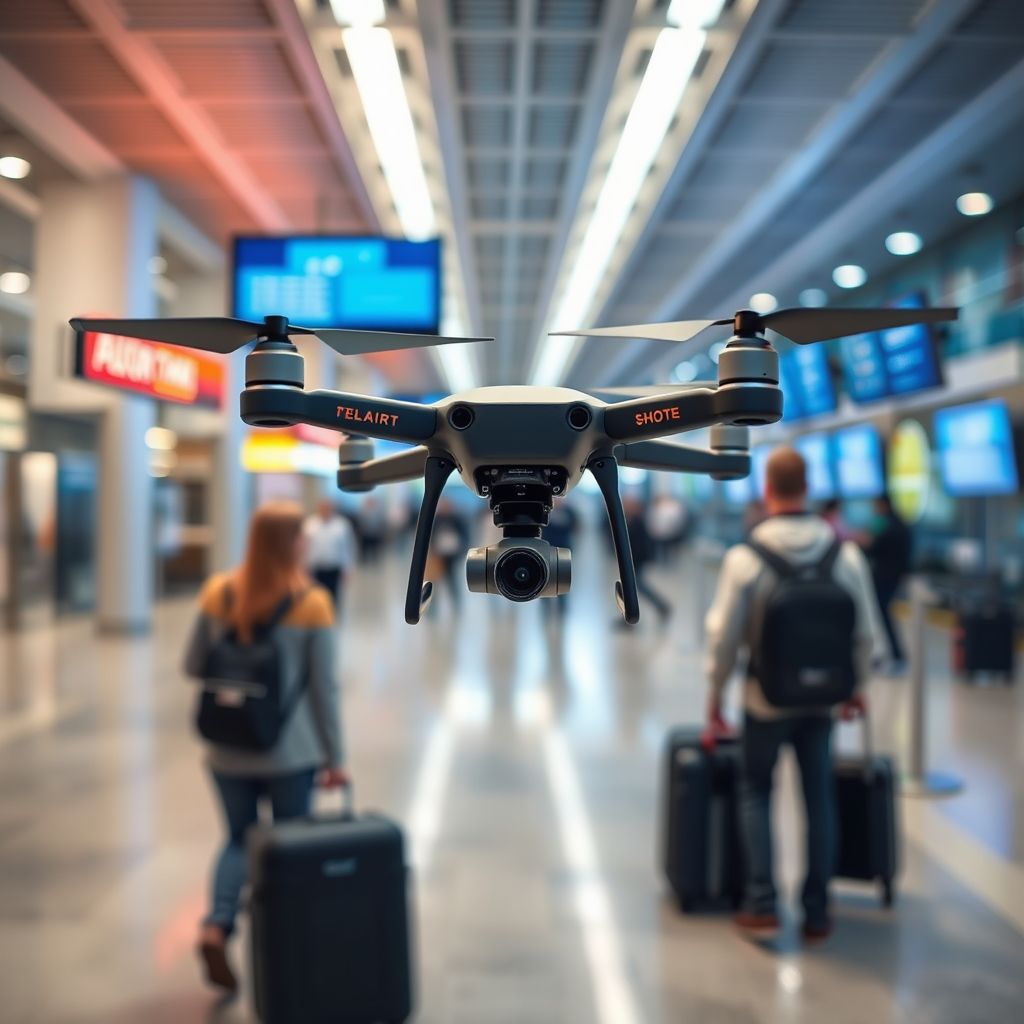
The Transportation Security Administration (TSA) allows drones in carry-on luggage, which is a crucial starting point for travelers. As per TSA guidelines, drones are classified as personal electronic devices, akin to laptops and tablets. Therefore, they must be screened during the airport security process. When going through security, travelers should be prepared for their drone to be inspected. This may involve removing the drone from your bag for a manual check, similar to how larger electronics are handled.
It’s essential to be aware that while the TSA permits drones, this does not mean that every airport will have the same level of familiarity or procedures regarding drone transport. Some airports may have additional rules or restrictions, so it’s prudent to check ahead. Always consider the size and weight of your drone, as larger models may attract more scrutiny.
Packing Your Drone for Travel
When packing your drone for travel, using a sturdy, padded case is highly recommended to protect both the drone and its components during transit. Many manufacturers offer specific carrying cases designed for their drones, which can provide additional protection and organization for accessories such as propellers, controllers, and batteries. A well-organized case not only safeguards your equipment but also makes the security screening process more efficient.
Batteries, particularly lithium-ion types, require special attention due to strict airline regulations. Most airlines mandate that lithium batteries be carried in your carry-on luggage rather than checked baggage. Ensure that your batteries are stored securely in a way that prevents short-circuiting, such as in a battery case or with terminals covered. Additionally, familiarize yourself with your airline’s specific battery regulations, including watt-hour limits, to avoid any issues at the airport.
Airline-Specific Policies
It’s important to note that while TSA regulations provide a baseline for drone transport, individual airlines may impose their own policies regarding drones. These policies can vary significantly, affecting everything from size restrictions to whether you can bring your drone on board at all. For example, some low-cost carriers may have stricter rules than major airlines, and international flights might have different regulations altogether.
Before traveling, always check your airline’s website or customer service resources for their specific policies on drone transportation. This will not only help you avoid complications at the airport but also ensure that you are prepared for any additional fees or requirements that may come into play. Some airlines may require you to declare your drone upon check-in, while others may have size restrictions based on cabin luggage dimensions.
State and Country Regulations
Once you arrive at your destination, it’s crucial to be aware of local laws regarding drone usage. Different states and countries have their own regulations that can significantly impact your ability to operate your drone legally. For example, some countries may restrict drone use in populated areas, while others could require permits for recreational flying.
In the United States, each state has its own set of laws governing drone use, which can range from mandatory registration to specific no-fly zones. Internationally, regulations can be even more complex; for instance, countries in the European Union adhere to rules set by the European Union Aviation Safety Agency (EASA), which may differ from the regulations in the U.S. Always research local drone laws before your trip, as ignorance of the law is not typically an acceptable defense in legal matters involving drone operation.
Tips for Smooth Security Screening
To ensure a seamless experience at airport security with your drone, consider the following tips. First, arrive early to allow sufficient time for the security process, especially if you anticipate any complications or additional checks. Airports can be unpredictable, and a little extra time can alleviate stress.
When you reach the security checkpoint, proactively inform security personnel that you are carrying a drone. This can help expedite the screening process, as they may take special precautions or be more prepared for the inspection of your device. Additionally, be prepared to remove your drone from its case for inspection and keep all accessories organized for easy access.
What to Do If Your Drone Is Confiscated
In the unfortunate event that your drone is confiscated, it’s essential to know your rights and the procedures you can follow. First, remain calm and ask the security personnel for the reason behind the confiscation. If it is due to a misunderstanding or a lack of documentation, you may have the opportunity to explain your case.
Keep all documentation related to your drone, including receipts, registration papers, and any relevant laws that support your ability to travel with the drone. If you believe that your drone was taken unjustly, inquire about the process for appealing the confiscation. Most airports and security agencies have procedures in place for challenging such decisions, so be sure to follow them closely to retrieve your equipment.
In conclusion, while it is possible to take a drone through airport security, being informed about TSA regulations, airline policies, and local laws is crucial. Properly prepare your drone for travel, ensuring that you comply with all regulations to facilitate a hassle-free experience. By doing your research and following the outlined guidelines, you can enjoy your trip without the added stress of potential drone-related complications.
Frequently Asked Questions
What are the rules for taking a drone through airport security?
When taking a drone through airport security, it is essential to follow the Transportation Security Administration (TSA) guidelines. Drones must be placed in your carry-on luggage, as checked baggage may not be suitable due to battery restrictions. Additionally, ensure that the drone’s batteries, especially lithium-ion ones, comply with the size and quantity limits imposed by the airline and TSA. Always check with your specific airline for any additional rules regarding drones.
How can I prepare my drone for airport security screening?
To prepare your drone for airport security screening, first remove any detachable components such as propellers and batteries, as these may need to be screened separately. Make sure your drone is clean and free of any debris that might raise questions during inspection. Also, have your drone’s user manual handy, as it can help clarify any doubts during the screening process. Lastly, arrive early at the airport to account for potential delays during security checks.
Why might airport security be concerned about drones?
Airport security may be concerned about drones due to safety and security risks associated with their use. Drones can potentially interfere with aircraft operations, especially during takeoff and landing, posing a threat to aviation safety. Additionally, security personnel need to ensure that drones do not contain prohibited items or pose a risk to passengers and staff. Thus, having clear guidelines for drone transportation is crucial for maintaining safety at airports.
What should I do if my drone is confiscated at airport security?
If your drone is confiscated at airport security, the first step is to calmly ask the security personnel for clarification on why it was taken. In many cases, you may be able to retrieve it by complying with specific regulations or by returning to check it in properly. If your drone is deemed a security risk, you may need to contact the airline or airport lost and found to retrieve it later. Always keep records of your drone’s serial number and any purchase receipts to expedite the retrieval process.
Which airlines allow drones in carry-on luggage?
Most airlines allow drones in carry-on luggage, but specific policies can vary widely. Major airlines such as Delta, American Airlines, and Southwest typically permit drones, provided you adhere to TSA guidelines regarding batteries and size limits. However, it’s essential to check the individual airline’s website or contact customer service for the most current information regarding their drone policies, as regulations can change and may include restrictions on battery wattage or weight.
References
- https://www.faa.gov/uas/getting_started/know_before_you_fly
- https://www.tsa.gov/travel/security-screening/whatcanibring
- https://www.nytimes.com/2020/12/07/business/drone-airport-security.html
- https://www.wired.com/story/can-you-take-a-drone-on-a-plane/
- https://www.bbc.com/news/world-us-canada-39409735
- https://www.reuters.com/article/us-usa-drones-airports-idUSKBN2A42Z4
- https://www.faa.gov/uas/resources/policy_library/
- https://www.airlines.org/drones-airline-passenger-safety/
- https://www.nap.edu/catalog/25380/aircraft-safety-and-security-in-the-age-of-drones
- https://www.aopa.org/news-and-media/all-news/2021/may/12/can-i-take-my-drone-on-a-plane
