

Yes, you can take a drone to Greece, but there are specific regulations and requirements you must follow. As a popular destination for travelers and drone enthusiasts alike, Greece presents stunning landscapes and historical sites that are perfect for aerial photography. However, understanding and adhering to the local laws is crucial to ensure a smooth flying experience. This article will guide you through the legal landscape, important tips, and best practices for flying your drone safely and responsibly in Greece.
Understanding Greek Drone Regulations

Greece abides by the drone regulations set forth by the European Union, which are designed to ensure safety and security in the airspace. These regulations categorize drones into different weight classes and establish operational limits. Drones weighing more than 250 grams must be registered with the appropriate authorities, and pilots are required to pass an online training course to obtain a Remote Pilot Certificate.
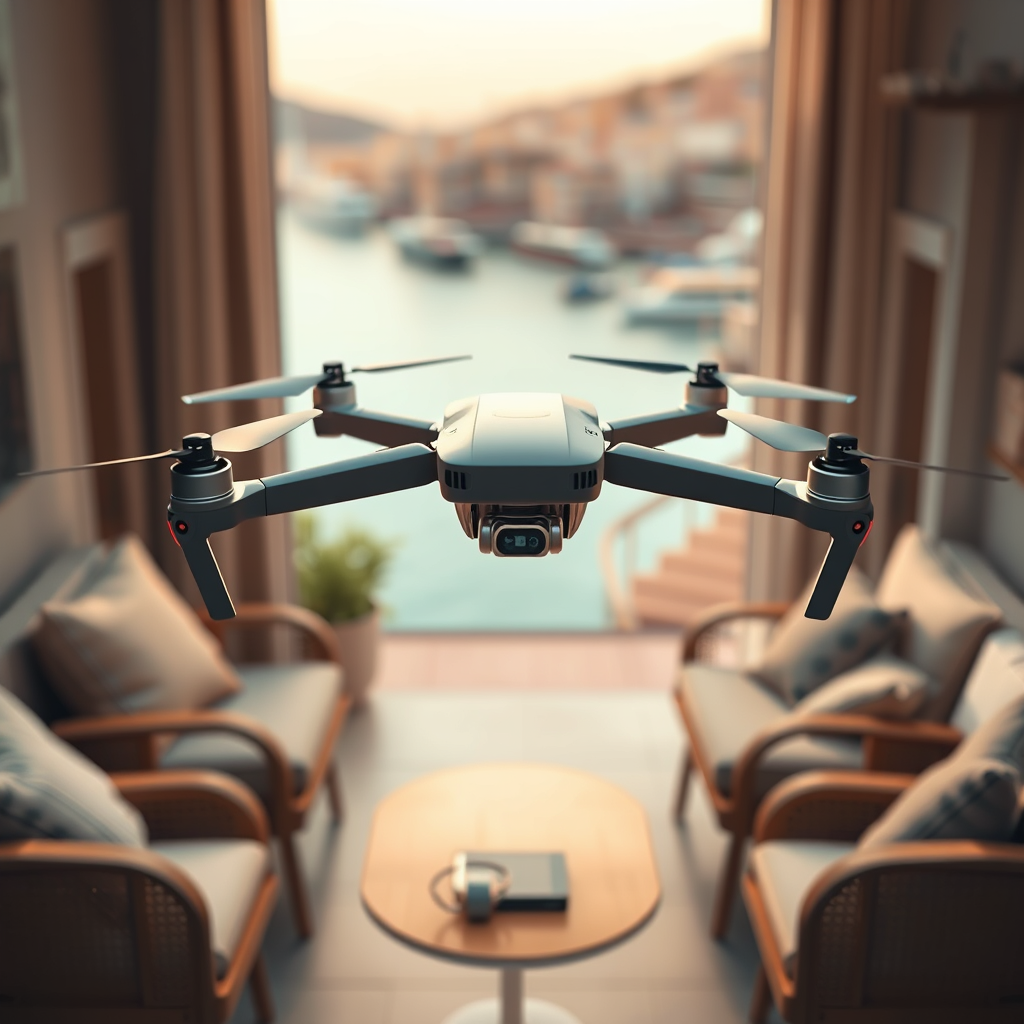
The European Union Aviation Safety Agency (EASA) provides comprehensive guidelines that outline what pilots can and cannot do while operating drones in EU member states, including Greece. It is essential for drone pilots to familiarize themselves with these rules, as they cover a range of topics, including altitude limits, the prohibition of flying near airports, and restrictions around urban areas and populated sites.
Understanding these regulations not only helps you avoid legal penalties but also promotes responsible flying, ensuring the safety of both yourself and others.
Necessary Documentation and Permits
Before taking your drone to Greece, it is imperative to prepare the necessary documentation and permits. First and foremost, ensure that your drone is registered if it exceeds 250 grams. Carry your registration documents with you at all times, as failure to present them upon request could lead to fines or other legal consequences.
In addition to registration, liability insurance is highly recommended. This coverage protects you financially in the event of accidents or damage caused by your drone. While insurance is not mandatory, having it can provide peace of mind and demonstrate responsibility to local authorities.
If you plan to use your drone for commercial purposes, such as aerial photography or surveying, additional permits may be required. These permits typically involve a more rigorous application process, including demonstrating your qualifications as a pilot. Check with the Hellenic Civil Aviation Authority (HCAA) for specific requirements related to commercial operations.
No-Fly Zones and Restrictions
Greece has several designated no-fly zones that drone pilots must respect. Major cities like Athens, Thessaloniki, and many popular tourist areas have restrictions in place to maintain safety and privacy. Furthermore, no-fly zones often include airports, military installations, and specific archaeological sites that are of cultural significance.
To ensure compliance with local regulations, it is advisable to use drone mapping apps that provide real-time information about restricted areas. Applications such as AirMap or UAV Forecast can help identify no-fly zones and inform you of any temporary restrictions due to events or emergencies. Staying updated on local regulations is essential, as rules can change based on evolving circumstances or new safety measures.
Best Practices for Responsible Drone Use
Flying a drone responsibly is key to preserving the integrity of the environment and the safety of individuals. Always maintain a line of sight with your drone while flying; this not only adheres to regulations but also allows you to control the drone effectively. Avoid flying your drone at night unless you have the appropriate training and equipment, as visibility can pose significant challenges.
Respecting the privacy of individuals is paramount; refrain from flying over private property or populated areas without consent. Engaging with local communities positively can foster good relations and may even lead to opportunities for collaboration or guided experiences.
Moreover, be aware of the wildlife in the area. Avoid flying near nesting sites or habitats of protected species to minimize disturbance. Following these best practices not only ensures compliance with regulations but also enhances your experience as a responsible drone pilot.
Local Customs and Etiquette
In addition to regulations, understanding local customs and etiquette regarding drone use in Greece can significantly enhance your experience. The Greek culture places a high value on hospitality, and engaging positively with locals can lead to shared experiences and insights about the region.
Be mindful that some areas may have specific customs regarding drone use, especially near historical or sacred sites. Always seek permission from local authorities or property owners before flying in these locations. Moreover, when interacting with locals, be open and respectful of their perspectives regarding drone usage, as opinions may vary widely.
In some cases, local organizations or communities may have their own guidelines for drone use, especially in tourist-heavy areas. Adhering to these additional guidelines demonstrates your respect for the local culture and can lead to a more enriching travel experience.
Insurance and Safety Considerations
Considering the potential risks involved in flying drones, obtaining liability insurance is a prudent decision. Insurance can cover any damages or accidents that may occur during your flight, providing financial protection and demonstrating your responsibility as a pilot. While insurance is not mandatory in Greece, it is a wise investment, particularly for those who plan to fly frequently or in challenging environments.
Additionally, familiarize yourself with local emergency procedures. Understanding what to do in the event of a crash or technical failure is crucial. Knowing the nearest emergency contacts and having a plan for safely retrieving your drone if it goes down can mitigate potential risks and ensure your safety and that of those around you.
Tips for Capturing Stunning Footage
Greece is home to breathtaking landscapes, ancient ruins, and picturesque seascapes that make for stunning aerial footage. To capture the best possible images, research scenic locations that are drone-friendly. Popular spots include the iconic sunsets over Santorini, the azure waters of Navagio Beach, and the rugged mountains of Crete.
Planning your shots according to weather conditions is vital; clear skies and optimal lighting can significantly enhance the quality of your footage. Early morning or late afternoon, often referred to as the “golden hour,” provides the best natural lighting for photography and videography.
Additionally, consider the composition of your shots. Utilize the rule of thirds, leading lines, and interesting foreground elements to create dynamic images. By being thoughtful about your filming techniques and environment, you can produce visually stunning content that captures the essence of Greece.
In conclusion, taking a drone to Greece is possible with the right preparation and understanding of local regulations. By following the guidelines outlined in this article, including familiarizing yourself with drone regulations, obtaining necessary documentation, respecting no-fly zones, and adhering to best practices, you can ensure a smooth and enjoyable flying experience. Always stay informed and respect the rules to make the most of your drone adventure, allowing you to capture the beauty of Greece from above while being a responsible member of the aerial community.
Frequently Asked Questions
What are the legal requirements for taking a drone to Greece?
To legally fly a drone in Greece, you must comply with European Union regulations, as Greece is part of the EU. This includes registering your drone if it weighs more than 250 grams, obtaining liability insurance, and following specific flight rules, such as maintaining visual line-of-sight and not flying over people or in restricted areas. It’s essential to familiarize yourself with the Hellenic Civil Aviation Authority’s guidelines to ensure a hassle-free experience.
How can I register my drone for use in Greece?
To register your drone in Greece, you must visit the European Union’s drone registration portal, which is managed by the EASA (European Union Aviation Safety Agency). During the registration process, you’ll need to provide details about your drone, such as its weight and type, and pay any applicable fees. Once registered, you’ll receive a unique identification number that must be displayed on your drone before flying in Greece.
Why is it important to check local drone regulations before flying in Greece?
Checking local drone regulations before flying in Greece is crucial to avoid fines and legal issues. Each region may have specific no-fly zones, especially near historical sites, military bases, and populated areas. Understanding these regulations not only helps you fly legally but also ensures you respect the privacy and safety of others while enjoying your drone experience.
What are the best locations to fly a drone in Greece?
Greece offers stunning landscapes for drone enthusiasts, with some of the best locations including the iconic Santorini for its breathtaking sunsets, the ancient ruins of Delphi, and the picturesque beaches of Zakynthos. Always ensure that you have the necessary permissions and are compliant with local regulations when flying in these areas to fully enjoy their scenic beauty while capturing incredible aerial footage.
Which drone models are recommended for traveling to Greece?
When traveling to Greece, lightweight and portable drones like the DJI Mini 2 or the Autel Robotics EVO Lite+ are highly recommended due to their compact size and excellent camera quality. These models typically weigh under 250 grams, making them easier to transport and often exempt from certain regulations. Additionally, consider drones with extended battery life and robust safety features to enhance your flying experience while capturing stunning aerial views of Greece.
References
- https://www.gov.gr/en/government/transportation/drones/
- https://www.helidrones.com/drones-in-greece/
- https://www.xpatathens.com/what-s-new/greek-news/item/5514-drones-in-greece-what-you-need-to-know
- https://www.eurocontrol.int/sites/default/files/2020-10/2020_10_UAS-Greece.pdf
- https://www.caa.gr/en/
- https://www.theguardian.com/world/2020/jun/04/greece-drones-privacy-law-2020
- https://www.bbc.com/news/world-europe-53310500
