

Yes, you can take down a drone over your property, but doing so may involve legal implications and safety considerations. It is essential to understand the laws governing airspace and your rights as a property owner before taking any action. In recent years, the proliferation of drones has raised privacy concerns and questions about property rights, leading to a complex legal landscape that requires careful navigation.
Understanding Drone Regulations
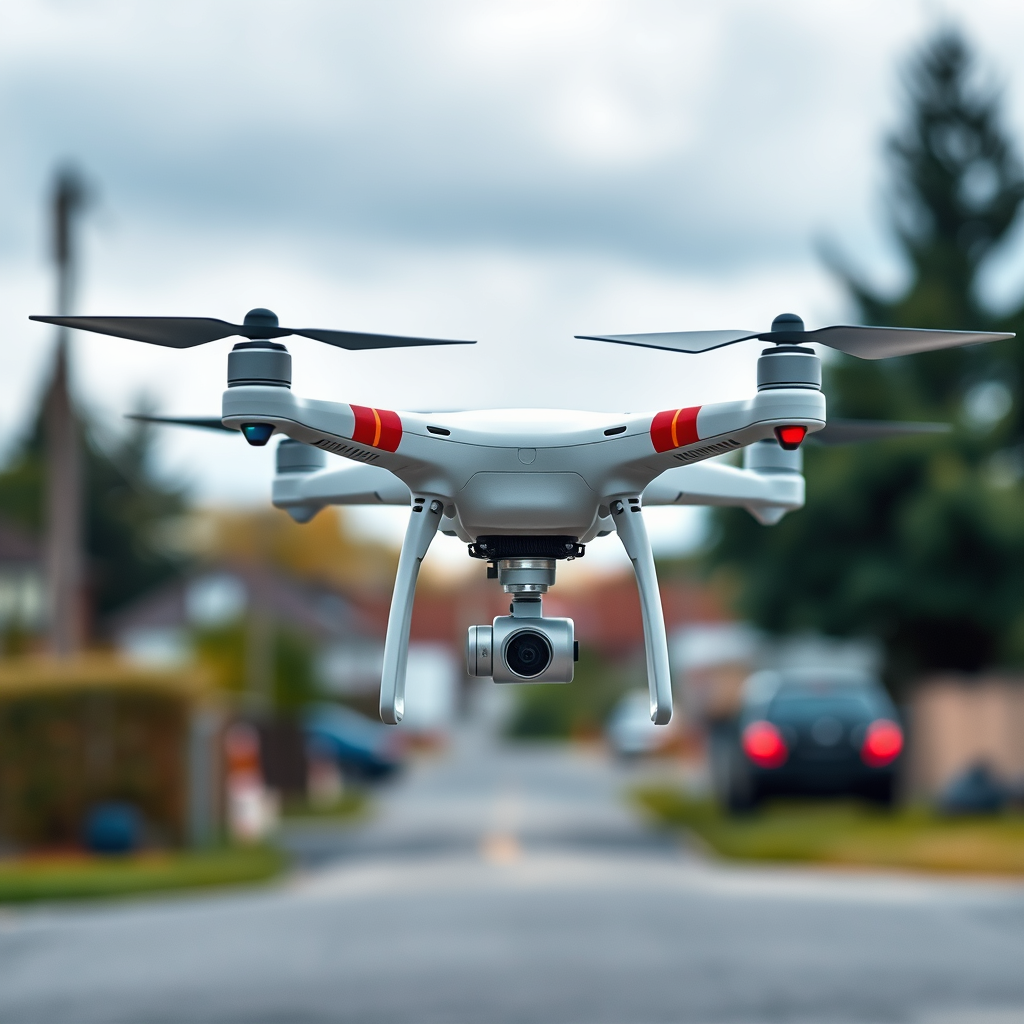
The Federal Aviation Administration (FAA) is the primary regulatory body overseeing drone operations in the United States. Under FAA regulations, drones are classified as Unmanned Aircraft Systems (UAS) and are subject to strict operational rules. For instance, drones must generally be flown below 400 feet, within the visual line of sight of the operator, and not over people without specific waivers. These regulations are designed to ensure safety and protect the airspace.
However, local and state laws may further complicate the situation. Different jurisdictions have enacted their own drone regulations that may impose additional restrictions on drone operations, particularly concerning privacy and surveillance. For example, some states have laws prohibiting the use of drones for recording individuals without their consent. Therefore, it is crucial to check specific regulations in your area to fully understand the legal framework that applies to drones operating over your property.
Your Property Rights
As a property owner, you have certain rights that protect your space from unwanted intrusion, including aerial surveillance from drones. Generally, you possess the right to enjoy your property without interference. This includes a reasonable expectation of privacy. However, this right is limited by established airspace laws, which dictate that the public has access to the airspace above private property up to a certain altitude, typically around 200 feet.
In essence, while you can assert your rights when a drone invades your privacy, you must also consider the legal boundaries regarding airspace. This duality can often lead to confusion. For instance, if a drone is flying at a legal altitude but is filming or monitoring activities on your property without permission, you may feel justified in addressing the issue, yet any action taken must be carefully considered within the regulatory framework.
Legal Consequences of Taking Down a Drone
Taking down a drone can have significant legal repercussions. Depending on how you approach the situation, you could face fines or even criminal charges. For instance, using a physical method to bring a drone down, such as a projectile or other forceful means, could be viewed as destruction of property, as the drone is considered personal property of the operator.
Moreover, the concept of “reasonable force” comes into play. While you may feel that your privacy is being invaded, the law typically only allows for the use of reasonable force in self-defense scenarios. If you employ excessive force, you could be held liable for damages or face criminal charges. Therefore, understanding the legal implications of your actions is essential before attempting to take down a drone.
Safe Methods for Addressing Drones
Instead of taking down a drone, which may lead to legal troubles, there are safer and more effective methods for addressing the presence of a drone over your property. One of the most straightforward approaches is verbal communication. If you can identify the drone operator, calmly approach them and express your concerns. Often, the operator may not be aware that they are infringing on your privacy, and a polite request might resolve the issue.
Additionally, drone detection technology can help identify the operator’s location and provide evidence if necessary. Various apps and devices are available that can detect drones in your vicinity. This information may be beneficial if you decide to report the incident to local authorities or seek legal recourse.
Alternatives to Taking Down a Drone
If the drone’s presence poses a legitimate safety threat or privacy concern, reporting it to local authorities may be the most prudent course of action. Law enforcement agencies are often equipped to handle these situations and can investigate further. They may also have access to resources that can help address the issue legally and safely.
Furthermore, consider implementing privacy measures around your property. Installing netting, physical barriers, or even strategic landscaping can help deter drones from hovering over your space. These proactive measures can provide a degree of protection without escalating the situation into a legal dispute.
Seeking Legal Advice
If you find yourself frequently dealing with drone-related issues or feel that your rights are being violated, consulting with an attorney who specializes in aviation law may be beneficial. An attorney can provide personalized guidance on your rights, discuss potential legal actions, and help you understand the implications of any action you may consider taking against a drone operator.
Understanding your legal standing and options can empower you to make informed decisions without inadvertently risking penalties or legal issues.
In summary, while the desire to take down a drone over your property is understandable, it is vital to navigate the legal landscape with caution. By familiarizing yourself with drone regulations, understanding your property rights, and exploring safer alternatives, you can address drone-related issues effectively while minimizing the risk of legal repercussions. Always consider seeking professional legal advice to ensure you are fully aware of your rights and options in this complex area of law.
Frequently Asked Questions
Can I legally take down a drone that is flying over my property?
Legally taking down a drone over your property can be complex. In many jurisdictions, drones are considered aircraft and are protected by aviation regulations, meaning you cannot destroy or disable them without facing potential legal repercussions. However, if the drone is invading your privacy or poses a safety risk, you may have grounds to report it to local authorities or law enforcement, who can take appropriate action.
What should I do if a drone is hovering above my home for an extended period?
If a drone is hovering above your home, the first step is to assess whether it is invading your privacy or causing any disturbance. Document the drone’s flight path and any identifying features, and then contact local law enforcement or a relevant regulatory body, such as the FAA in the United States, to report the incident. They can investigate whether the drone operator is complying with local laws and regulations.
How can I protect my property from unwanted drone surveillance?
To protect your property from unwanted drone surveillance, consider installing physical barriers like privacy fences or landscaping that obstruct aerial views. You can also use anti-drone technology, such as signal jammers or drone detection systems, although these may have legal restrictions. Additionally, remaining aware of your rights and local laws regarding drone usage can empower you to take action if necessary.
Why are drones allowed to fly over private property?
Drones are generally allowed to fly over private property due to federal aviation regulations that grant airspace access to unmanned aerial vehicles (UAVs) as long as they remain at or below 400 feet and are flown within the operator’s visual line of sight. This means that while you own the land beneath, the airspace above your property is regulated by the FAA, allowing drone operators the right to fly, provided they adhere to safety guidelines.
What is the best way to report an intrusive drone?
The best way to report an intrusive drone is to contact local law enforcement or your country’s aviation authority, such as the FAA in the United States. Provide them with detailed information, including the drone’s location, behavior, and any identifying features. Additionally, you can check your local laws for specific reporting procedures, as some areas may have designated agencies for handling drone-related complaints.
References
- https://en.wikipedia.org/wiki/Drone#Legal_issues
- https://www.faa.gov/uas/resources/policies_regulations/
- https://www.nytimes.com/2020/01/07/us/drone-laws.html
- https://www.theguardian.com/us-news/2020/jan/21/drone-laws-us-property-rights
- https://www.nolo.com/legal-encyclopedia/drone-law-overview-32437.html
- https://www.brookings.edu/research/the-future-of-drones-in-the-american-sky/
- https://www.aclu.org/news/privacy-technology/what-you-need-to-know-about-drones
- https://www.americanbar.org/groups/public_interest/consumer_protection/consumer_news/2020/drones-property-rights/
