

Yes, you can take drones on airplanes, but there are specific regulations and guidelines you need to follow. Understanding these rules is crucial to ensure that your drone travels safely and legally, preventing any potential delays or issues at airport security. As drone technology continues to evolve and become more popular among hobbyists and professionals alike, it is essential to stay informed about the regulations set forth by aviation authorities and airlines.
Understanding FAA Regulations
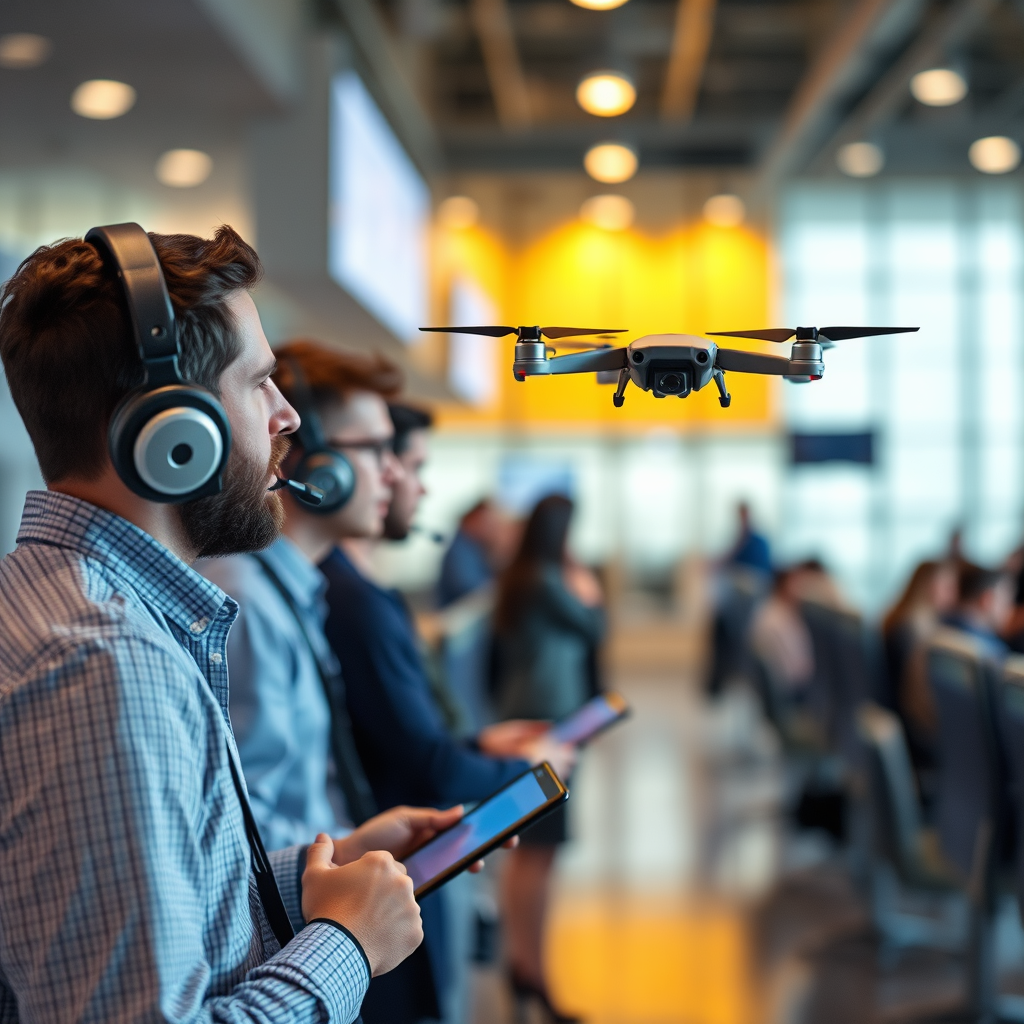
The Federal Aviation Administration (FAA) oversees drone regulations in the United States, ensuring safe and efficient airspace management. According to FAA guidelines, drones weighing over 0.55 pounds must be registered before they can be flown legally. The registration process is relatively straightforward, requiring drone owners to submit their details online, which results in a unique identification number that must be affixed to the drone.
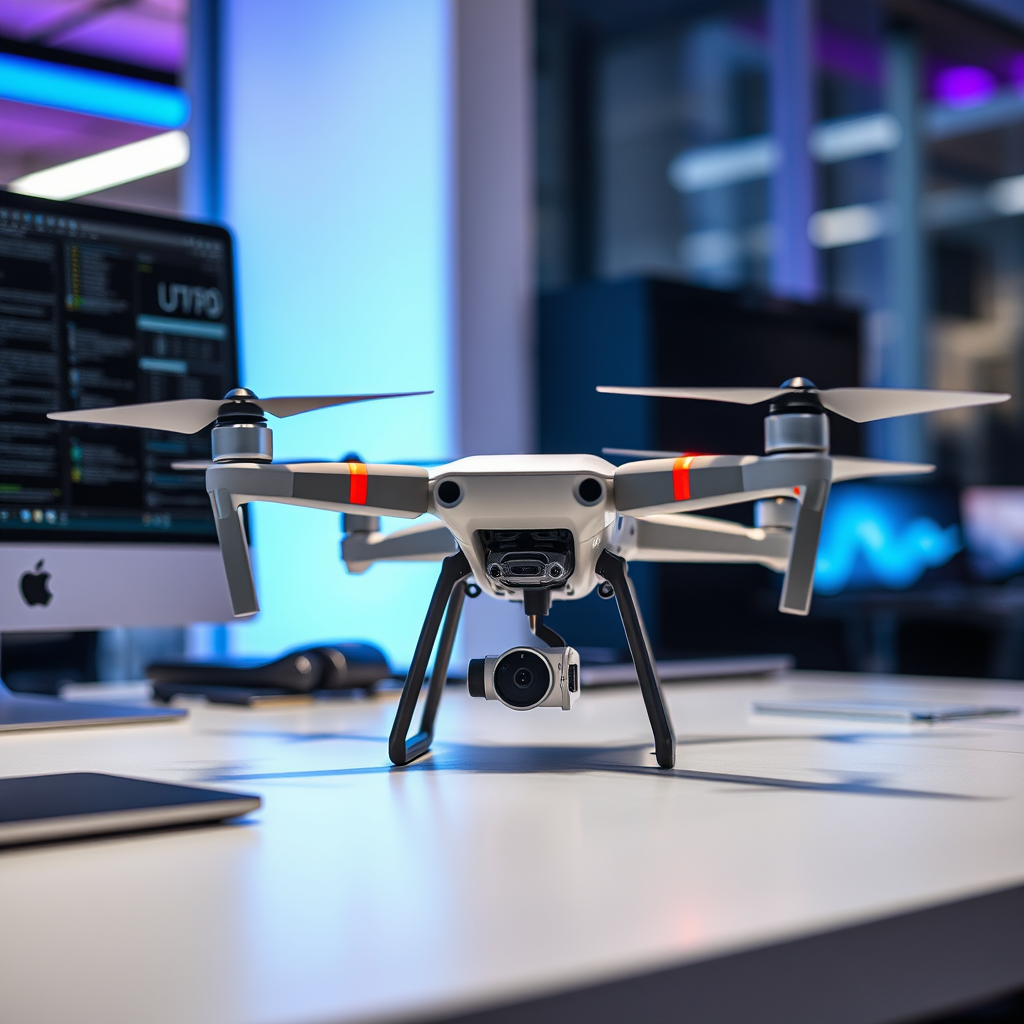
Furthermore, the FAA categorizes drones into two main classifications: recreational and commercial use. Recreational flyers must adhere to the safety guidelines outlined in the FAA’s Part 107, while commercial users must obtain a Remote Pilot Certificate. Understanding these regulations is vital, as failing to comply can result in fines or confiscation of your drone.
Airline Policies on Drones
While the FAA provides overarching regulations, each airline has its own policies regarding the transport of drones. Most major airlines, such as American Airlines, Delta, and United, generally allow drones in carry-on luggage, provided they are within size and weight limitations. However, it’s imperative to check the specific airline’s website or contact customer service before your flight, as policies can vary significantly.
Some airlines may have restrictions on the types of batteries that can be transported. For instance, lithium batteries, which are commonly used in drones, are subject to specific regulations regarding watt-hours (Wh). Batteries exceeding 100 Wh typically require special handling and may not be permitted in carry-on luggage. Always verify these details to avoid any surprises at the airport.
Packing Your Drone for Air Travel
Proper packing is essential to ensure your drone arrives at your destination in good condition. Using a sturdy, padded case designed specifically for drones can help protect it from potential damage during transit. Look for cases that offer shock absorption and waterproof features, especially if you are traveling to locations with unpredictable weather.
In addition to protecting the drone, it is crucial to handle the batteries correctly. Most airlines require that drone batteries be removed before travel and carried in your cabin luggage. The FAA permits lithium-ion batteries of up to 100 Wh in carry-on bags, but anything above that may need to be shipped as cargo. Always check the watt-hour rating on your batteries to ensure compliance with airline regulations.
International Travel with Drones
Traveling internationally with drones can be more complex, as different countries have varying laws regarding drone use. Before traveling abroad, it is essential to research the specific regulations in your destination country. Some nations may require drone registration or prohibit drone flights in certain areas, such as near airports or military establishments.
For example, countries like Canada and Australia have strict regulations governing the use of drones. In Canada, drone operators must adhere to Transport Canada guidelines, which include the necessity for registration and obtaining a pilot certificate for certain operations. In Australia, the Civil Aviation Safety Authority (CASA) regulates drone activities and imposes fines for non-compliance. Failing to understand these regulations can lead to confiscation of your drone, fines, or even legal repercussions.
Insurance and Liability Considerations
Obtaining insurance for your drone is an essential step that many drone owners overlook. Insurance can protect you from potential damages to your drone or liability for injuries or damages caused during operation. Various insurance companies offer specialized drone insurance policies that cater to both recreational and commercial users.
Additionally, understanding the liability laws in your destination country is crucial. Some countries may hold drone operators responsible for any damages incurred, regardless of intent. Familiarizing yourself with these laws can help you mitigate risks and ensure a more secure travel experience.
Best Practices for Flying Drones Post-Travel
Once you arrive at your destination, it’s essential to familiarize yourself with local drone regulations before taking off. Each region may have specific rules regarding flying heights, no-fly zones, and required permits. Many countries have apps or websites that provide up-to-date information on drone regulations, so make sure to consult these resources.
Before flying, always check for no-fly zones, which may include areas near airports, government buildings, or national parks. Obtaining any necessary permits is also crucial; some regions may require you to apply for permission to operate a drone in certain areas. By taking these steps, you can ensure a responsible and compliant drone flying experience.
In summary, while you can take drones on airplanes, it is essential to be aware of and comply with various regulations, both at the federal level and set by individual airlines. Additionally, researching international laws and obtaining appropriate insurance can safeguard your interests. With thorough preparations and adherence to guidelines, you can enjoy a smooth travel experience with your drone.
Frequently Asked Questions
What are the regulations for bringing drones on airplanes?
Regulations for bringing drones on airplanes vary depending on the airline and the country you are flying to or from. In general, most airlines allow you to carry drones in your carry-on luggage, but they must be compliant with the airline’s size and weight restrictions. Additionally, lithium batteries, commonly used in drones, must typically be stored in your carry-on bag due to safety regulations concerning battery fires.
How do I pack my drone for air travel?
To pack your drone for air travel, first, remove any detachable parts, such as propellers and batteries, to prevent damage. Use a padded case or backpack designed for drones to ensure protection during transit. Make sure to check your airline’s specific guidelines regarding battery size and quantity, as there are usually limitations on lithium-ion batteries.
Why might I be prohibited from taking my drone on an airplane?
You may be prohibited from taking your drone on an airplane due to various factors, including the airline’s specific policies, the drone’s weight, or battery restrictions. Additionally, some countries have stringent import regulations that could restrict the use of drones entirely, so it’s essential to check both airline and destination country regulations before you travel.
What is the best way to ensure my drone is safe during air travel?
The best way to ensure your drone’s safety during air travel is to invest in a high-quality, padded drone case that fits your model snugly. Additionally, remove batteries and carry them in your carry-on to avoid potential fire hazards, and clearly label your drone and its components to avoid confusion at security checkpoints. Always confirm with your airline about their specific requirements and restrictions beforehand.
Which airlines allow drones in carry-on luggage?
Most major airlines, including Delta, American Airlines, and Southwest, generally allow drones in carry-on luggage, but policies can differ significantly. It’s crucial to check the specific airline’s website for their latest drone policies and ensure your drone complies with any size and weight restrictions. If you’re traveling internationally, also consider the drone regulations of your destination to avoid any issues upon arrival.
References
- https://www.faa.gov/uas/getting_started/fly_it_safe/
- https://www.tsa.gov/travel/security-screening/whatcanibring/items/drone
- https://www.washingtonpost.com/transportation/2022/06/25/drone-airplane-carry-on-luggage/
- https://www.bbc.com/news/world-us-canada-49125021
- https://www.faa.gov/uas/
- https://www.nytimes.com/2020/10/09/business/drones-faa.html
