

Yes, you can take pictures with a drone! Drones equipped with advanced camera technology have revolutionized the way we capture images from the sky, providing photographers and enthusiasts with unique perspectives that were once difficult to achieve. With the ability to soar to various altitudes and angles, drones are not just tools for aerial photography but also instruments for creativity and exploration. In this article, we will delve into how drones work for photography, the different types available, crucial features to consider, tips for capturing remarkable shots, legal considerations, and best practices for maintaining your drone.
Understanding Drone Photography
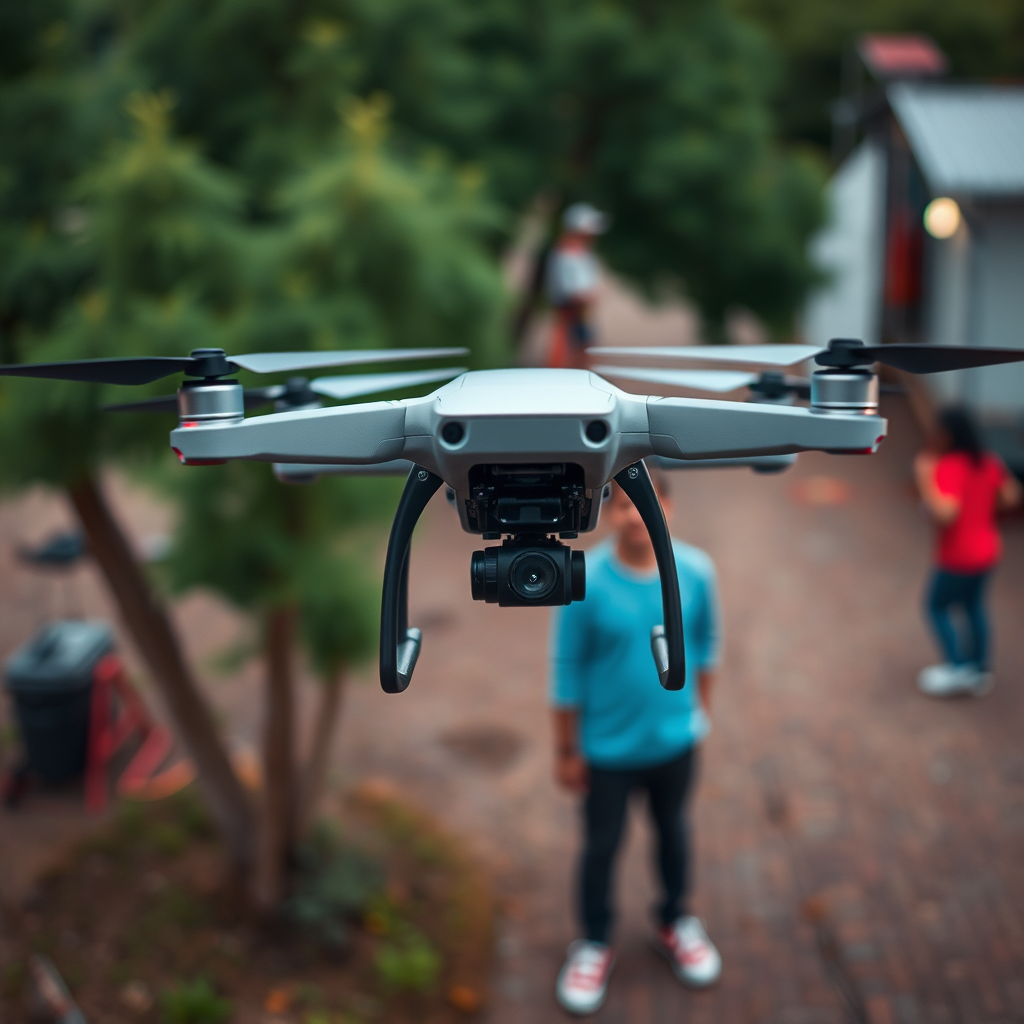
Drones utilize high-resolution cameras that can capture stunning images from a variety of altitudes, enabling photographers to explore new dimensions in their work. Many modern drones come equipped with sophisticated stabilization features, such as gimbals, which help to ensure that images remain clear and steady, even in windy conditions or during movement. This technology allows for smoother video and sharper photographs, making them ideal for both amateur and professional photographers. The ability to fly up to several hundred feet in the air means that photographers can capture sweeping landscapes, intricate architectural details, or dynamic outdoor events from perspectives that traditional photography simply cannot offer.
Types of Drones for Photography
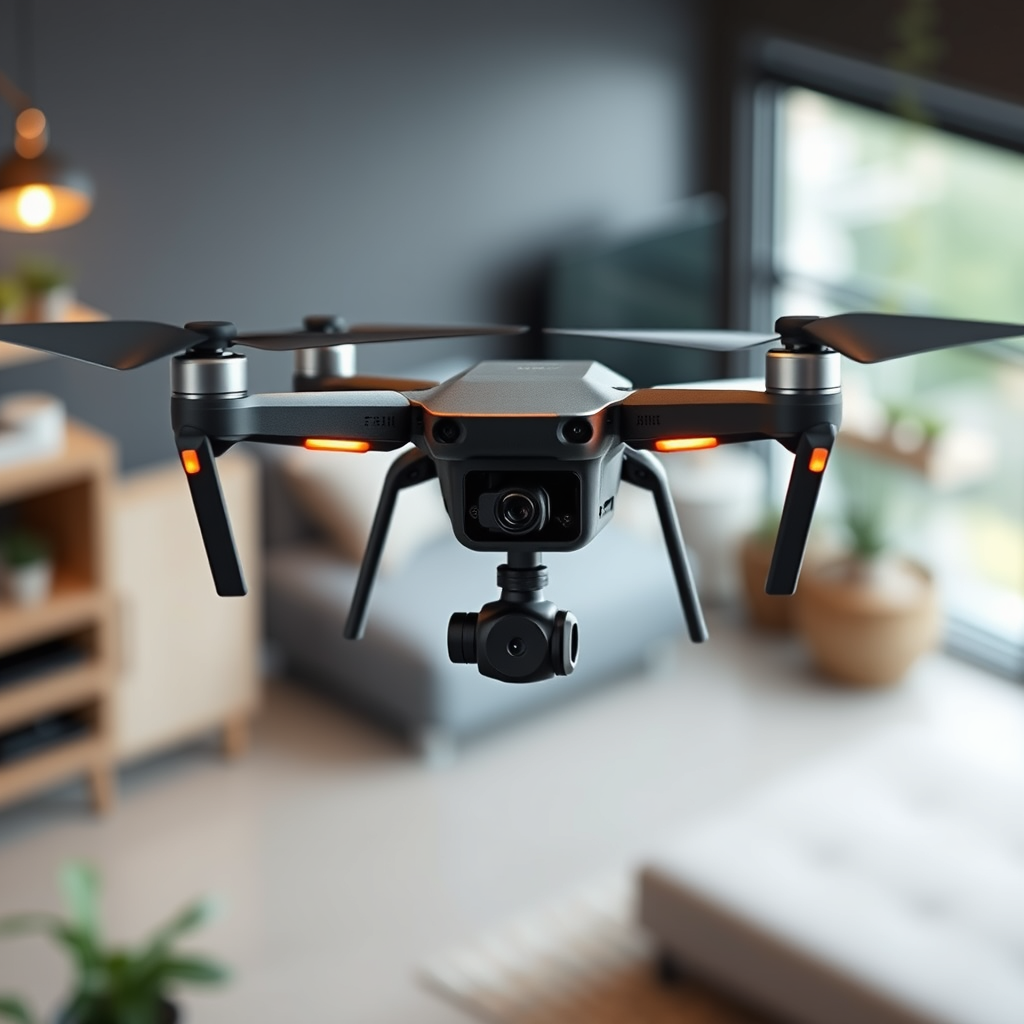
When considering a drone for photography, it’s important to understand the range of options available, which typically fall into two main categories: consumer drones and professional drones.
– Consumer Drones: These are generally more affordable and cater to hobbyists and beginners. Models such as the DJI Mini 2 or the Ryze Tello are excellent starting points, offering user-friendly features, decent camera quality (up to 4K), and extended flight times. They are perfect for casual photographers looking to experiment with aerial shots without a significant financial investment.
– Professional Drones: For serious photographers, professional drones like the DJI Mavic Air 2 or the Phantom 4 Pro come equipped with advanced features, including higher resolution cameras (up to 20MP), better stabilization systems, and enhanced flight capabilities. These drones often support RAW image formats, allowing for greater flexibility in post-processing. They are ideal for commercial work, real estate photography, or any project that demands high-quality imagery.
Key Features to Look For
When selecting a drone for photography, certain features can significantly enhance your experience and output:
– Camera Quality: Look for drones with cameras that offer a minimum of 4K resolution. This level of detail allows for more versatility in editing and ensures that your images remain sharp and vibrant. Many drones also include features like adjustable aperture and optical zoom, which can further improve the quality of your shots.
– Flight Time: Battery life is crucial for capturing the perfect shot. Most consumer drones offer around 20 to 30 minutes of flight time on a single charge, while professional drones can provide even longer durations. Consider investing in extra batteries for extended shooting sessions, especially when working on larger projects or events.
Tips for Capturing Great Aerial Photos
To truly harness the power of drone photography, consider implementing the following tips:
– Use Manual Settings: Although many drones come with automatic settings, switching to manual mode can give you more control over exposure and ISO. This is particularly important in varying lighting conditions, such as during sunrise or sunset, where you may need to tweak settings to capture the desired mood and detail.
– Experiment with Angles: The beauty of drone photography lies in its ability to capture unique perspectives. Don’t hesitate to experiment with different heights and angles. Try shooting straight down for a bird’s-eye view or slightly tilting the drone for dynamic compositions. Using landmarks or natural features as framing elements can also enhance the visual impact of your images.
Legal Considerations
Before flying your drone for photography, it’s imperative to understand and comply with local regulations. Many countries have specific laws governing drone usage, especially in urban areas or near airports. In the United States, for example, the Federal Aviation Administration (FAA) mandates that drone pilots register their drones and follow certain operational guidelines, such as maintaining a visual line of sight. Additionally, be mindful of privacy laws and always seek permission if you plan to fly over private property or sensitive areas.
Best Practices for Drone Maintenance
To ensure optimal performance and longevity of your drone, follow these best practices:
– Regularly Check and Calibrate Your Drone: Before each flight, inspect your drone for any visible damage and ensure that all components are functioning correctly. Calibrating your drone’s compass and GPS system will help maintain stability during flights, which is crucial for capturing clear images.
– Keep the Camera Lens Clean: A clean lens is essential for achieving high-quality images. Dust, fingerprints, and smudges can significantly affect image clarity. Always carry a microfiber cloth and lens cleaner to keep your camera in top condition.
In conclusion, taking pictures with a drone is not only possible but also a rewarding experience that opens up new avenues for creativity. By understanding how drones operate in the realm of photography, selecting the right type of drone, and applying essential tips and best practices, you can capture breathtaking aerial images with ease. As you explore the skies, remember to respect legal restrictions and maintain your equipment to enjoy a seamless and fulfilling photography journey. Start embracing the aerial perspective today, and elevate your photography skills to new heights!
Frequently Asked Questions
Can you take pictures with a drone?
Yes, you can take pictures with a drone, provided that the drone is equipped with a camera. Many modern drones come with high-resolution cameras capable of capturing stunning aerial photographs. Whether you’re a hobbyist or a professional photographer, using a drone can provide unique perspectives and angles that traditional photography cannot achieve.
How do you take pictures with a drone?
To take pictures with a drone, first ensure that the drone is properly calibrated and connected to its remote control or app. Most drones have a dedicated camera function that allows you to take photos with the press of a button. You can adjust settings such as exposure, ISO, and shutter speed through the drone’s camera interface, allowing you to optimize your shots based on lighting conditions and desired effects.
Why should I use a drone for photography instead of a regular camera?
Using a drone for photography offers several advantages over traditional cameras. Drones provide the ability to capture images from unique, elevated angles, which can enhance the composition and storytelling of your photos. Additionally, drones can access hard-to-reach locations, allowing photographers to explore and document landscapes and events that may be challenging to photograph otherwise.
What are the best drones for taking pictures?
Some of the best drones for photography include the DJI Mavic Air 2, DJI Phantom 4 Pro, and Autel Robotics EVO Lite. These drones are renowned for their excellent camera quality, stability in flight, and user-friendly interfaces. When selecting a drone for photography, consider factors such as camera resolution, flight time, and ease of use to find the best fit for your needs.
Which regulations should I be aware of when taking pictures with a drone?
Before taking pictures with a drone, it’s essential to be aware of local regulations and laws governing drone use. In many countries, including the United States, you must register your drone with the FAA if it weighs over a certain limit and adhere to guidelines such as flying below 400 feet, avoiding crowded areas, and respecting privacy laws. Always check local regulations to ensure compliance and avoid fines.
References
- https://en.wikipedia.org/wiki/Drone_photography
- https://www.faa.gov/uas/getting_started/
- https://www.nasa.gov/aeroresearch/programs/technology/what-is-a-drone
- https://www.bbc.com/news/technology-61024759
- https://www.theguardian.com/technology/2020/mar/02/drones-photography-uk
- https://www.nist.gov/news-events/news/2018/07/unmanned-aerial-systems-drones-are-helping-us-research
- https://www.ncbi.nlm.nih.gov/pmc/articles/PMC6600875/
