

Yes, you can track a drone operator under certain conditions, primarily through the use of technology and regulations. Drones equipped with GPS and Remote ID technology offer the potential to provide location data that may help identify and track their operators. As the drone industry continues to expand, understanding the capabilities and limitations of tracking drone operators becomes increasingly important for both safety and privacy concerns. This article will delve into the methods and legal considerations involved in tracking drone operators, providing a comprehensive overview of this evolving issue.
Understanding Drone Technology
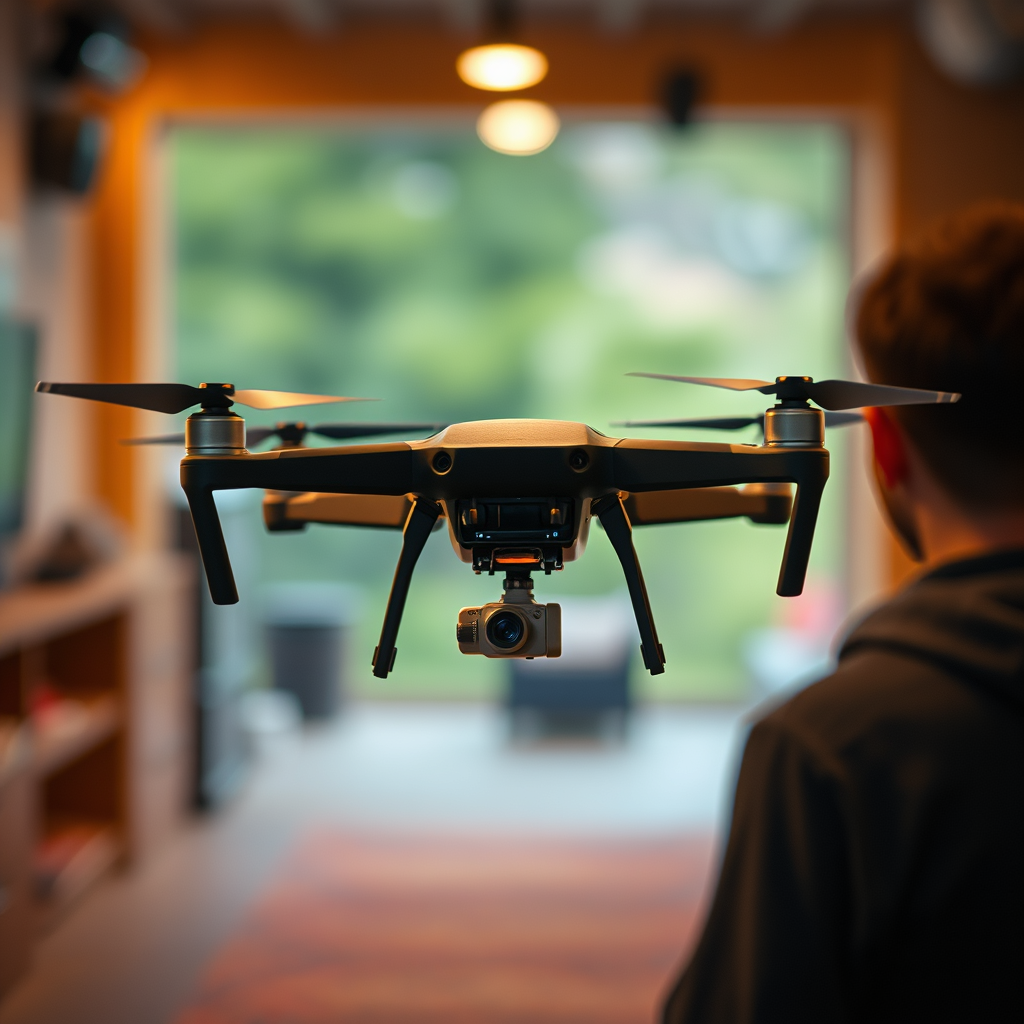
Drones, or unmanned aerial vehicles (UAVs), typically leverage Global Positioning System (GPS) technology to navigate and execute flight plans. This GPS functionality allows for potential tracking of the drone’s location, which can be crucial for both recreational users and commercial operators. In addition to GPS, the introduction of Remote ID technology is transforming how drones are monitored. Remote ID acts like a digital license plate, transmitting key information about the drone, including its location, altitude, speed, and the operator’s identity, to nearby receivers. This technology aims to improve accountability, enhance airspace safety, and facilitate the integration of drones into national airspace systems.
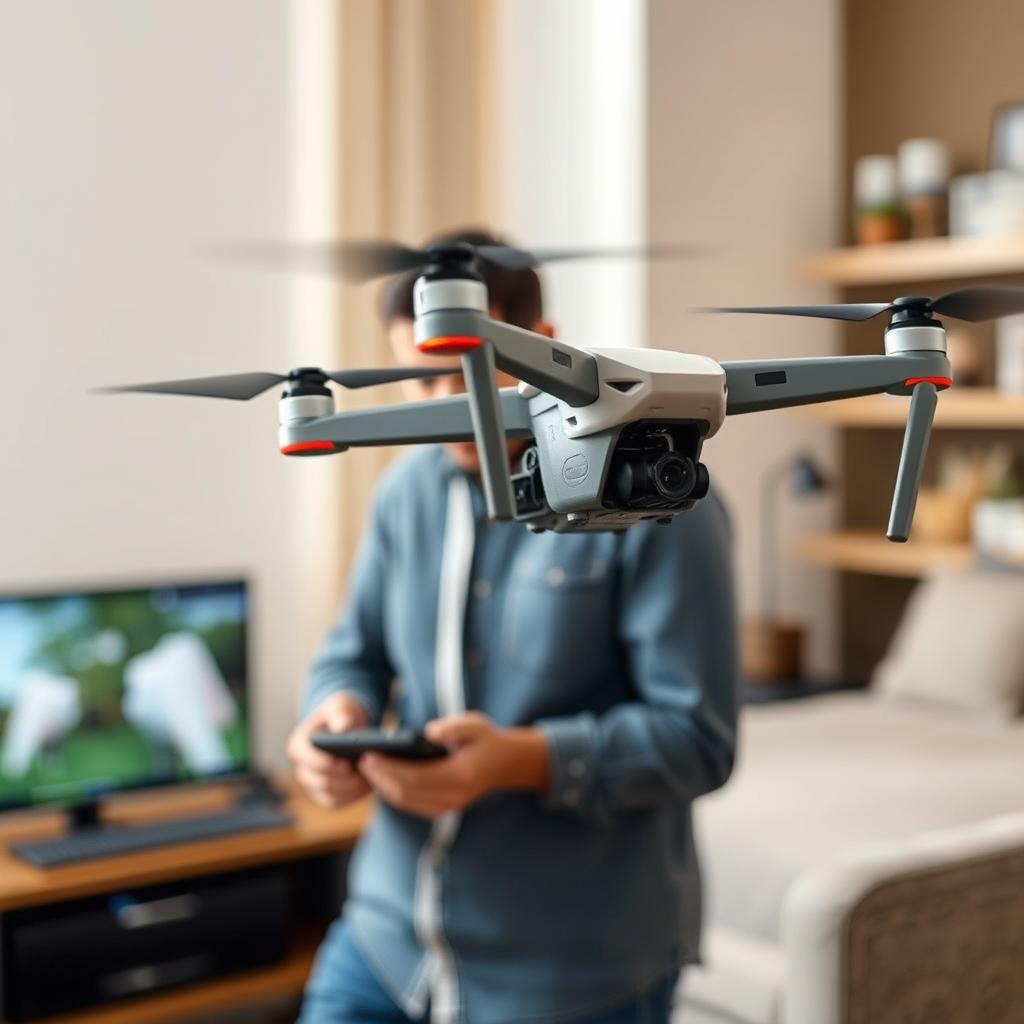
Furthermore, as part of the Federal Aviation Administration (FAA) regulations in the United States, Remote ID has become a requirement for many drones, allowing law enforcement and other authorities to track operators more effectively. However, the extent to which this technology is applied can vary widely depending on local regulations and the type of drone in operation.
Legal Framework for Tracking
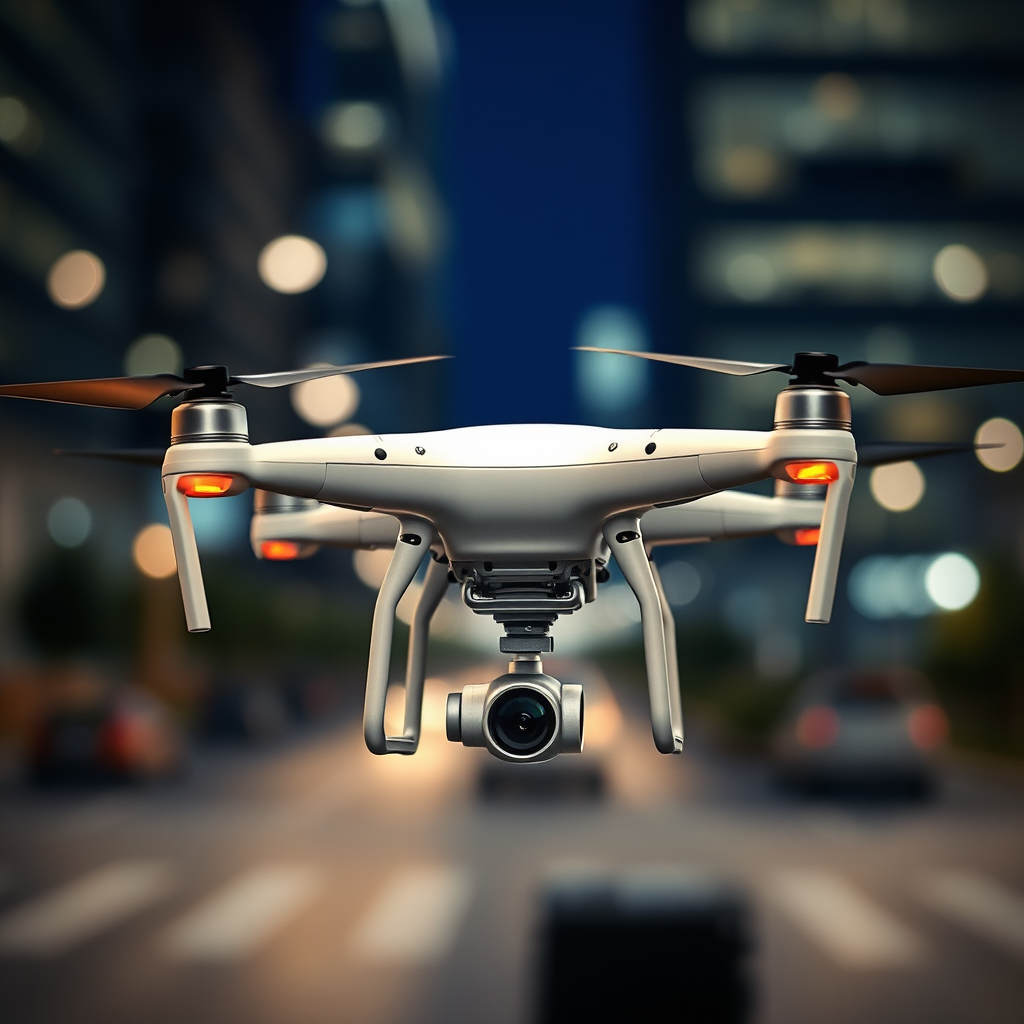
The legal landscape governing drone operation and tracking varies significantly across different jurisdictions. In the United States, the FAA has established a regulatory framework that allows law enforcement agencies to track drones under certain circumstances. For instance, if a drone is suspected of being involved in illegal activities, law enforcement can utilize Remote ID data to identify the operator and determine the drone’s flight path.
In contrast, many countries have their own unique regulations regarding drone operations. For example, the European Union has implemented stringent rules that include drone registration and Remote ID requirements, which further aid in operator tracking. However, not all nations have adopted similar measures, which can create challenges for international drone operations and tracking efforts. Understanding these legal frameworks is crucial for ensuring compliance and for the responsible use of drone tracking technologies.
Methods of Tracking Drone Operators
The methods available for tracking drone operators primarily depend on the technology incorporated into the drone and the legal permissions granted to tracking entities. One common approach is the use of mobile applications and software designed for drone tracking. Several platforms, such as AirData and DroneLogbook, allow users to monitor drone flights in real time. These applications often aggregate data from multiple sources, including Remote ID signals, to provide comprehensive tracking capabilities.
Additionally, law enforcement agencies may request data directly from drone manufacturers or operators when investigating incidents. For example, if a drone is involved in a safety violation or criminal activity, authorities can obtain flight logs and operator information to assist in their inquiries. This data can be invaluable for determining accountability and enforcing regulations.
Furthermore, some drone operators voluntarily share their flight information with local authorities to promote transparency and community trust. This collaborative approach can enhance safety and accountability, allowing for a more integrated airspace where both drone users and non-users can coexist harmoniously.
Challenges in Tracking
Despite the advancements in drone tracking technology, several challenges persist that can hinder effective tracking efforts. One of the most significant challenges is the growing concern over privacy. Many drone operators and members of the public are wary of being tracked, fearing potential misuse of their data. Privacy regulations may limit access to tracking information, complicating law enforcement’s ability to pursue investigations.
Additionally, not all drones are equipped with tracking technologies like GPS or Remote ID. Many recreational drones, particularly older models, may lack the necessary components to facilitate tracking. This gap in technology can create blind spots for tracking efforts, making it difficult to monitor all drone operations effectively.
Furthermore, the rapid evolution of drone technology poses another challenge. As manufacturers continuously innovate, newer models may introduce tracking features that existing regulations do not yet address. Keeping up with these developments is essential for regulators, law enforcement, and drone operators alike.
Implications for Privacy and Security
The intersection of drone tracking with privacy and security raises important ethical questions. On one hand, tracking drone operators can enhance public safety, particularly in preventing illegal activities such as trespassing, spying, or other forms of misconduct. The ability to identify and locate a drone operator can deter misuse and promote responsible flying practices.
On the other hand, the potential for misuse of tracking technology is concerning. Unauthorized tracking could infringe on individual privacy rights, leading to a surveillance state where people are constantly monitored. Striking a balance between ensuring public safety and protecting personal privacy is crucial. As drone technology continues to evolve, ongoing discussions regarding the ethical implications of tracking practices will be essential for shaping future regulations.
Future of Drone Tracking
The future of drone tracking is poised for significant advancements as technology progresses and regulations adapt to new realities. Innovations in satellite technology, data analytics, and artificial intelligence are expected to enhance tracking capabilities, making it easier to monitor drone operations in real time. For instance, integrating drone tracking with advanced air traffic management systems could streamline the safe coexistence of manned and unmanned aircraft.
Moreover, as public awareness of drone technology grows, there may be increased demand for transparency and accountability in drone operations. This demand could drive regulatory bodies to implement more comprehensive tracking mandates, ensuring that all drones operating in shared airspace can be monitored effectively.
Ongoing discussions among stakeholders—including drone manufacturers, regulators, law enforcement, and civil liberties advocates—will be critical in shaping the future of drone tracking. Collaborative efforts to create a balanced regulatory framework could pave the way for a safer and more responsible drone ecosystem.
In conclusion, while tracking a drone operator is possible through various means, it involves legal, ethical, and technological considerations. The integration of GPS and Remote ID technologies has improved tracking capabilities; however, challenges related to privacy and compliance remain. As drone technology evolves, so too will the methods and regulations governing their operation. Staying informed about local laws and advancements in tracking technology is essential for navigating this complex and rapidly changing landscape.
Frequently Asked Questions
Can I legally track a drone operator in my area?
Yes, you can legally track a drone operator under certain conditions, primarily for safety and security reasons. Many countries have regulations that require drone operators to register their drones and comply with local airspace laws. However, tracking them may involve using specific applications or services that provide drone flight data, which can include flight paths and registration information, but always ensure that you respect privacy laws and regulations in your jurisdiction.
What tools are available to track drone operators?
There are several tools and applications available for tracking drone operators, such as AirMap, DroneDeploy, and Flightradar24. These platforms utilize real-time data from registered drones and can provide information on their flight paths, altitude, and location. Some apps may also include community reporting features that allow users to flag suspicious drone activity, enhancing the overall safety of the airspace.
How can I report a drone operator if I suspect illegal activity?
If you suspect a drone operator is engaging in illegal activity, you can report it to local law enforcement or aviation authorities, such as the Federal Aviation Administration (FAA) in the United States. Provide detailed information about the drone’s flight path, time, and location, as well as any photographic evidence you may have. Reporting such activities helps ensure compliance with drone regulations and enhances public safety.
Why would someone want to track a drone operator?
People may want to track a drone operator for various reasons, including safety concerns, privacy issues, or suspicions of illegal activity. For instance, individuals may feel threatened by drones flying over their property or may want to ensure that a drone is not capturing unauthorized images or invading their personal space. Understanding where drones are operating can provide peace of mind and help address any potential violations of privacy.
Which regulations govern the tracking of drone operators in the United States?
In the United States, the tracking of drone operators is primarily governed by the Federal Aviation Administration (FAA) regulations. These regulations require drone operators to register their drones and adhere to specific flight rules, such as maintaining visual line of sight and flying below 400 feet. Additionally, the FAA has provisions in place for reporting and addressing unauthorized drone operations, ensuring that safety and privacy are prioritized in the airspace.
References
- https://en.wikipedia.org/wiki/Drone_regulation
- https://www.faa.gov/uas/
- https://www.nytimes.com/2021/08/10/us/drone-regulations.html
- https://www.bbc.com/news/technology-60931193
- https://www.theguardian.com/us-news/2021/jun/30/drone-operators-privacy-laws
- https://www.nist.gov/news-events/news/2020/12/nist-releases-new-guidance-drone-operators
- https://www.c-span.org/video/?c4940522/user-privacy-drone-use
- https://www.sciencedirect.com/science/article/pii/S235286481730063X
