

If you’re considering upgrading your DJI drone, you may be wondering whether you can trade in your current model. The good news is that yes—DJI and multiple retailers offer trade-in programs that let you exchange your used DJI drone for store credit or credit toward a new purchase. For drone enthusiasts and aerial photography creators, this can be an efficient way to reduce the cost of moving to a newer platform, while also minimizing electronic waste by giving your device a second life.
In this blog post, you’ll learn how DJI trade-ins typically work, what requirements affect eligibility and pricing, and practical steps you can take to maximize your trade-in value—so you can choose the best option before you buy your next DJI drone.
Can You Trade In DJI Drones?
In most cases, you can trade in DJI drones through either DJI’s official channels or authorized retail partners. These programs are designed to make it easy for customers to upgrade without paying the full retail price for a new drone package.
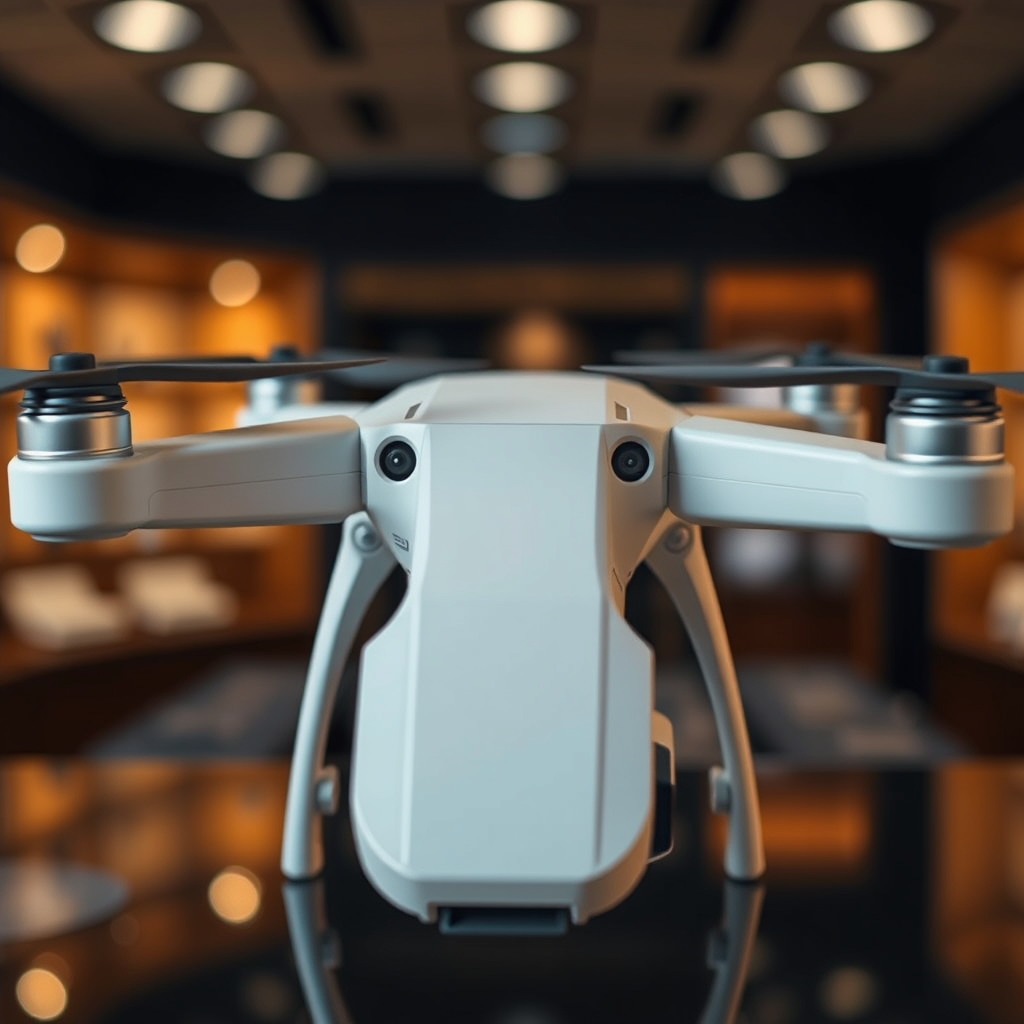
Depending on the program, you may receive:
- Credit toward a new DJI product
- Store credit from a participating retailer
- Occasional promotional trade-in incentives (varies by season and inventory)
The availability and exact terms can vary by region, model, and current promotions. That’s why comparing options before you submit your drone is often the smartest approach.
DJI Trade-In Options: Official vs. Authorized Retailers
DJI’s official trade-in program
DJI offers an official trade-in pathway on the DJI website, where eligible customers can exchange a used drone for credit. This option is especially useful if you want a direct, manufacturer-backed process with clear documentation requirements.
Beyond cost savings, manufacturer trade-in programs support sustainability by encouraging recycling and responsible handling of electronics. That can be a meaningful factor if you’re trying to reduce your environmental footprint while upgrading your flight gear.
Retailer trade-in programs (e.g., Best Buy, B&H)
Many authorized retailers also provide trade-in systems for consumer electronics, including DJI drones. Retailers such as Best Buy and B&H Photo Video may offer trade-in values based on the device’s condition, included accessories, and current market demand.
Because each retailer sets its own evaluation criteria and inventory needs, trade-in offers can differ from one store to another. If you want the best value, it’s worth comparing quotes side-by-side before finalizing the trade.
Requirements for Trading In Your DJI Drone
Trade-in eligibility generally comes down to two things: condition and model acceptance. While every program has its own terms, most follow a similar set of expectations.
Condition: what “good working order” typically means
Most trade-in programs require the drone to be in good working condition, with minimal cosmetic damage. Minor scuffs or small scratches are often acceptable, but devices with more serious issues may be rejected or offered a lower valuation.
Common factors that can reduce trade-in value include:
- Cracked or damaged propellers
- Physical impact damage to the body or camera housing
- Non-functional components (e.g., motors, gimbals, flight controller issues)
- Missing core accessories that affect device usability
Model eligibility: not every DJI drone is accepted
Not all DJI models qualify for trade-in programs. DJI and participating retailers often focus on specific, eligible generations, which may include more recent products or models that are easier to refurbish and resell.
To avoid surprises, confirm whether your exact drone model is eligible by checking the DJI trade-in portal or the retailer’s trade-in page. If you’re unsure, have your drone model number and configuration ready.
Packaging and included accessories matter
Having the original packaging and all included accessories can improve your chances of receiving a better offer. Even if packaging is not strictly required, it helps demonstrate that the drone was maintained and stored properly.
Typical accessories that may affect valuation include:
- Remote controller
- Batteries (charged, functional, and included as specified)
- Charging cables and power adapters
- Propellers and propeller guards (if included)
- Original case or protective storage components
How the DJI Drone Trade-In Process Works
Most trade-ins follow a similar workflow: gather details, submit information, receive a quote, and then ship your device for evaluation or processing.
Step 1: Provide your drone details
You’ll typically begin by entering your drone make and model and selecting its condition status. Many platforms also ask whether accessories are included and may request photos or additional information.
Step 2: Submit your condition and accessory information
Trade-in forms usually ask for details about:
- Whether the drone powers on and performs correctly
- Any visible wear, dents, or screen/camera damage
- Included components (battery, controller, chargers, etc.)
- Functional status of key systems (camera/gimbal, motors, and flight performance)
Step 3: Review the quote
After you submit your information, you’ll receive an estimated trade-in quote based on your model, condition, and included accessories. In some programs, the offer may be finalized only after the drone is inspected, meaning the final amount can sometimes change if the actual condition differs from what was reported.
Step 4: Ship your DJI drone securely
If you accept the offer, you’ll generally need to ship the drone following the program’s instructions. Proper packaging is critical to avoid transit damage, which could lower your credit or cause delays.
To protect your investment:
- Use protective padding and secure any loose parts
- Remove propellers or package them safely if instructed
- Include all required documentation and accessories
- Ship with tracking and keep proof of shipment
Tips to Maximize Your DJI Drone Trade-In Value
Clean and inspect the drone before submission
A quick cleaning and careful inspection can go a long way. Remove debris from propellers, wipe down the body, and check for visible damage. While cosmetic wear may not fully disqualify a trade, clear, well-maintained equipment typically makes a better impression.
Ensure batteries and key components function properly
Battery health can influence trade-in evaluation. If you have multiple batteries, consider submitting only those that are functional and meet the program’s requirements. Similarly, test critical systems like the gimbal and takeoff/landing behavior before you begin the trade-in process.
Include accessories that match the device
Trade-in offers often increase when you provide the correct set of accessories. If your drone came with a specific controller, cables, or storage items, include them where possible.
Compare trade-in quotes across programs
Because retailers and DJI can assign different values to the same model, you may get a better deal by checking both DJI’s program and authorized retailer trade-ins. This is especially helpful if promotions are running or if certain models are in higher demand.
Be honest about damage and condition
Attempting to downplay damage can backfire if photos or inspection reveal discrepancies. Programs may reduce offers, cancel trades, or require additional review. A transparent description typically leads to a smoother trade experience.
What to Expect After You Trade In
Once your drone is received and evaluated, the program will finalize your credit amount. Depending on the platform, credit may be applied as a discount to a new DJI product or provided as a retailer store credit.
Keep in mind that trade-ins are not always instant. Shipping time and inspection schedules can affect how quickly you receive your credit.
Which DJI Drone Models Are Most Commonly Accepted?
While eligibility varies, trade-in programs frequently accept models that are easier to refurbish and resell, often including more current DJI consumer and prosumer lines. Older models may still qualify in some cases, but they are more likely to be excluded depending on refurbishment demand and parts availability.
If you want to confirm your specific model, check the DJI trade-in page or the retailer’s trade-in eligibility tool using your exact product name and configuration.
With the right preparation and by comparing quotes, trading in your DJI drone can be a practical, cost-effective step toward upgrading your aerial imaging setup—without paying full price for your next flight-ready system.
📋 About This Article
Yes—you can usually trade in your DJI drone for credit toward a newer model through DJI or participating retailers. This article is for drone owners who want to upgrade efficiently and avoid wasting a device they’ve already paid for. You’ll learn how trade-ins typically work, what can affect eligibility and the offer amount, and practical tips to help you get the best trade-in value.
Frequently Asked Questions: Can You Trade In DJI Drones? Here’s What You Need to Know
Can I trade in my DJI drone for credit toward a new one?
Yes—trade-in options are sometimes available for DJI drones, but eligibility depends on where you’re trading and the drone’s condition. You may find trade-in offers through official or partner programs, authorized retailers, or third-party buyback platforms. Typically, the program will evaluate factors such as the drone model, battery health, physical condition, included accessories, and whether there are any firmware or account-related restrictions. To maximize your trade-in value, keep original packaging when possible, include all standard components (remote, cables, propellers if applicable, charger), and ensure the drone powers on and passes basic functionality checks.
Where can I trade in DJI drones, and are there official programs?
Trade-in locations usually fall into three categories: (1) authorized retailers or electronics stores that offer credit toward a new purchase, (2) manufacturer or brand-adjacent programs (which may vary by region and availability), and (3) third-party resale or buyback services. Official offerings—when available—tend to provide a more streamlined process and predictable handling standards, but they’re not offered in every country and may be limited to select models. Before you ship anything, confirm the company’s legitimacy, read the terms for condition grading, and verify whether the offer is a fixed price or an estimate that can change after inspection.
What models and conditions are typically accepted for DJI drone trade-ins?
Most trade-in programs accept a range of DJI consumer and prosumer models, but the exact list varies. Commonly accepted items often include mainstream drones plus essential accessories (e.g., remote controller, batteries, chargers). Condition requirements are usually strict: cosmetic damage, missing parts, non-functioning components, or damaged gimbals can reduce or eliminate eligibility. Battery condition is especially important—many programs use an inspection to assess whether batteries hold charge and whether they meet minimum health thresholds. Always check whether the program accepts drones with screen cracks, prop damage, or firmware/account issues, since these can affect the final payout.
How should I prepare my DJI drone for trade-in to get the best offer?
Preparation can significantly impact your trade-in value and approval rate. Start by updating or restoring the drone’s firmware if required by the program, then power on the drone and verify key functions (camera, motors, gimbal, and remote link). Next, clean the device (remove dirt and debris, but don’t disassemble unless instructed). Charge batteries to the recommended storage level if the program provides guidance. Include all accessories requested in the listing (often the remote controller, batteries, charger, cables, and manuals). Finally, remove or unlink any accounts or licensing tied to your drone where applicable, and follow the ship-back instructions carefully—using original packaging if available helps prevent transit damage that could lower your credit.
What payout can I expect, and is trade-in always better than selling privately?
Trade-in payouts vary widely based on model, market demand, condition, and how many accessories you include. Typically, trade-in credit is convenient and faster than selling privately, but it may be lower than what you could earn through direct resale to an individual. Selling privately can produce higher returns, especially for newer models in excellent condition with extra batteries, ND filters, or fly-more kits—however, it also involves more time, shipping risk, and buyer screening. A practical approach is to compare: (1) the trade-in estimate or quote, (2) the resale price of your exact model and bundle, and (3) costs and risks (shipping, platform fees, payment disputes). If you value speed and guaranteed handling, trade-in can be the better choice; if maximizing profit is the priority, private sale may win.
