

Yes, you can use a drone for hunting in Texas, but there are strict regulations governing their use. Understanding these laws and best practices is essential for a safe and legal hunting experience. Drones can offer significant advantages, such as improved scouting capabilities and tracking wounded game, but hunters must remain compliant with both state laws and ethical hunting practices. This article will delve into the specifics of drone use in hunting, ensuring that you are well-informed before taking to the skies.
Understanding Texas Drone Laws
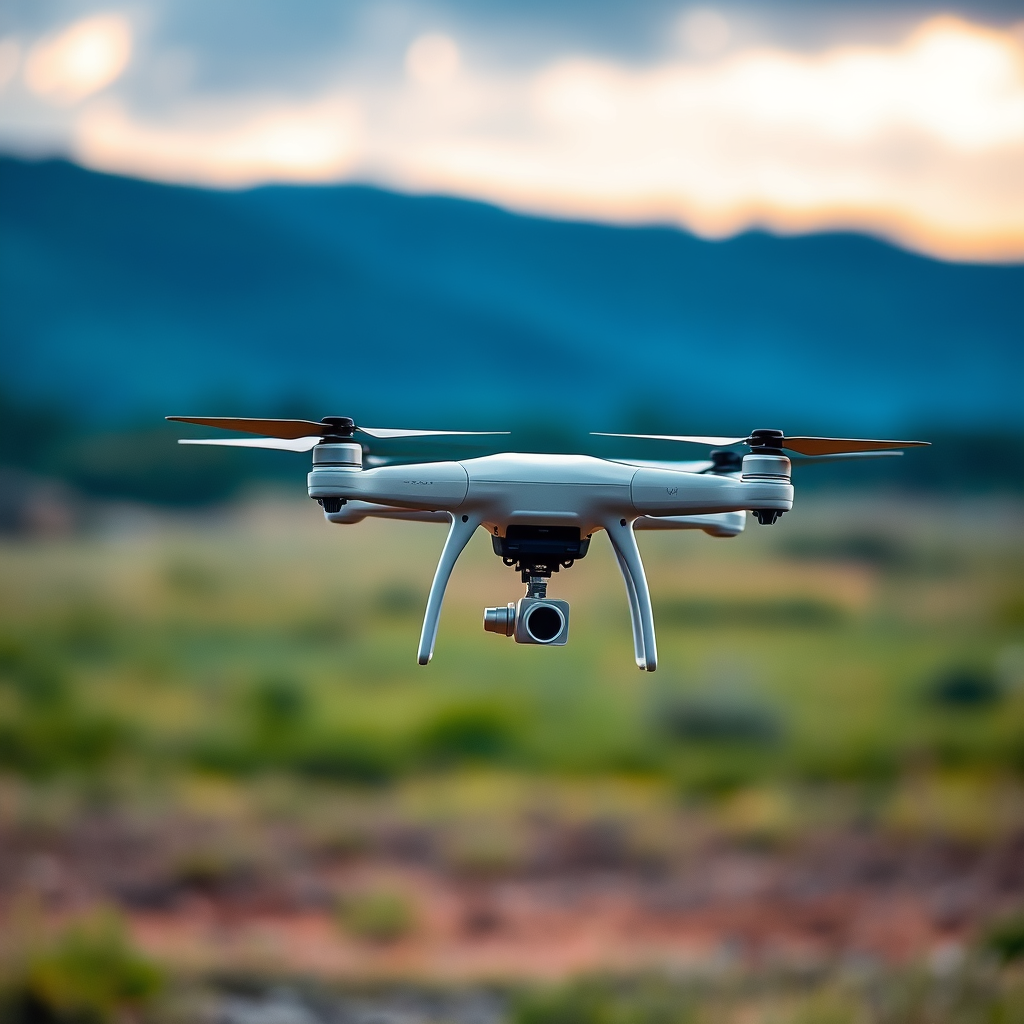
In Texas, the use of drones for hunting is regulated to ensure the protection of wildlife and the integrity of the hunting experience. The Texas Parks and Wildlife Department (TPWD) has established clear guidelines prohibiting the use of drones to hunt or harass wildlife. According to Texas law, using a drone to locate or assist in the hunting of animals is not allowed. Familiarizing yourself with these regulations is vital, as violations can lead to significant fines and penalties. Moreover, drone operators must also comply with Federal Aviation Administration (FAA) regulations governing airspace and drone operation.
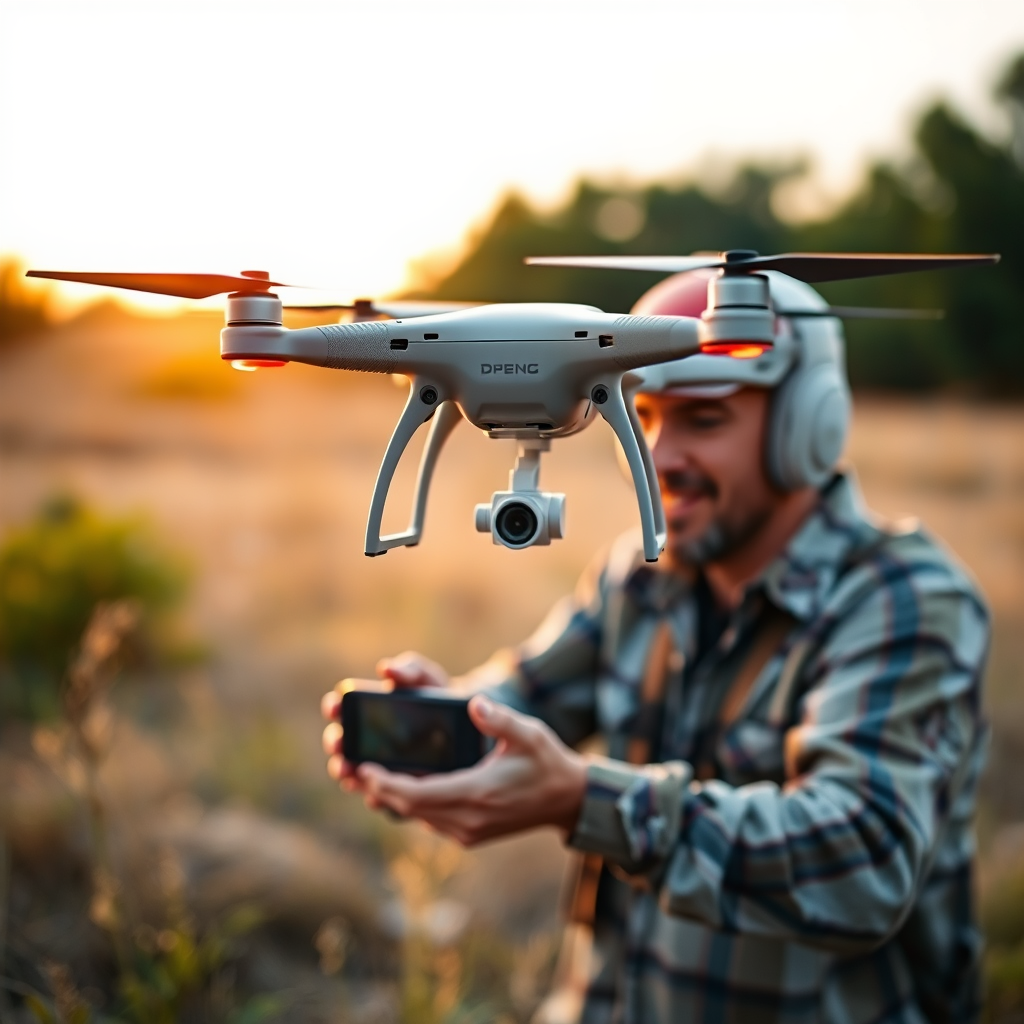
Before utilizing a drone, prospective users should consult the TPWD website, which offers updated information about hunting regulations and drone-specific rules. Compliance with local ordinances and understanding the limitations of drone usage in specific hunting zones are also crucial steps in ensuring that your drone activities are lawful.
Permitted Uses of Drones in Hunting
While there are restrictions, certain uses of drones in hunting are permitted in Texas. Drones can be effectively used for scouting and locating game prior to the actual hunt. This includes using high-resolution cameras to survey vast areas of land, identify animal trails, and locate potential hunting spots without disturbing the wildlife.
Additionally, drones can play a critical role in tracking wounded animals after a shot has been fired. In situations where a game animal is injured but not immediately retrieved, drones can assist in locating the animal more efficiently. This not only enhances the chances of recovering the animal but also aligns with ethical hunting practices by reducing unnecessary suffering.
However, it is crucial to note that the use of drones must always be done in a manner that does not interfere with the natural behavior of wildlife or the hunting experience of others. Maintaining respect for both the animals and fellow hunters should always be a guiding principle.
Safety Considerations When Using Drones
When utilizing drones for hunting, safety is paramount. Hunters must maintain a safe distance from other hunters and wildlife to avoid accidents and disturbances. This includes being aware of the potential for drones to distract or scare off game animals, thereby impacting the hunting experience for all involved.
Moreover, understanding airspace restrictions is critical. The FAA regulates airspace and has specific guidelines regarding where drones can be flown, especially near airports and populated areas. Hunters should research local regulations and obtain any necessary permits before operating a drone in a hunting area.
Additionally, it is important to consider the potential for interference with other hunting activities. Clear communication with fellow hunters in the area can prevent misunderstandings and ensure a safe hunting environment for everyone.
Ethical Hunting Practices with Drones
The use of drones in hunting should always prioritize ethical principles, particularly the concept of fair chase. Fair chase is a fundamental aspect of hunting ethics that emphasizes respect for wildlife and the hunting experience. Using a drone to gain an unfair advantage over animals undermines the spirit of hunting and can lead to negative perceptions of hunters as a whole.
Hunters should refrain from using drones to harass, corner, or trap animals, as these actions can lead to inhumane treatment of wildlife. Instead, drones should be used as tools to enhance the hunting experience without compromising the principles of ethical hunting. By adhering to these standards, hunters can preserve the integrity of the sport and promote responsible hunting practices.
Best Drones for Hunting Applications
When selecting a drone for hunting applications, certain features are essential for effective scouting and tracking. A high-resolution camera is crucial for capturing detailed images and videos of the terrain and wildlife. Drones equipped with thermal imaging capabilities can also be beneficial, particularly for locating game at night or in low-visibility conditions.
Battery life and range are additional factors to consider. A drone with a longer battery life allows for extended scouting sessions, minimizing the need for frequent recharges. Similarly, a greater range ensures that you can cover a larger area without losing connection to the drone.
Popular models among hunters include the DJI Mavic Pro and the DJI Phantom 4, both of which are known for their reliability, camera quality, and user-friendly interfaces. It is essential to choose a drone that meets your specific hunting needs while also complying with local regulations.
Tips for Effective Drone Use in Hunting
To maximize the effectiveness of your drone during hunting trips, careful planning is essential. Before heading out, create a flight path that minimizes disturbance to wildlife. This may involve flying at higher altitudes or avoiding sensitive areas where animals are likely to be present.
Practicing flying your drone before your hunting trip is also advisable. Familiarity with the drone’s controls, features, and flight patterns will enhance your proficiency and ensure smoother operations during the hunt. Consider conducting test flights in various environments to understand how the drone responds to different conditions.
Additionally, always be mindful of weather conditions, as adverse weather can impact drone performance and battery life. Being prepared with backup equipment and a clear understanding of local regulations will further enhance your hunting experience.
In conclusion, while using a drone for hunting in Texas is possible under certain conditions, it is imperative to adhere to local regulations and ethical hunting practices. By understanding the laws surrounding drone use, utilizing drones for permitted purposes, and prioritizing safety and ethics, hunters can enhance their overall experience. Staying informed and responsible will not only contribute to personal success in hunting but also support the sustainable and respectful treatment of wildlife.
Frequently Asked Questions
Can you legally use a drone for hunting in Texas?
Yes, you can legally use a drone for hunting in Texas, but there are specific regulations you must follow. According to Texas Parks and Wildlife regulations, while drones can be used for scouting and tracking game, they cannot be used to hunt or take wildlife directly. It’s essential to familiarize yourself with both federal and state laws regarding drone use in hunting to ensure compliance.
What are the restrictions on using drones for hunting in Texas?
The primary restriction on using drones for hunting in Texas is that they cannot be used to assist in the actual hunting or killing of animals. Additionally, hunters must adhere to the Federal Aviation Administration (FAA) regulations, which govern drone operation, including altitude limits and no-fly zones. Always check local wildlife management regulations, as they may have specific guidelines on drone usage.
How can drones enhance the hunting experience in Texas?
Drones can significantly enhance the hunting experience in Texas by providing a bird’s-eye view of the terrain, helping hunters locate game more efficiently. They can be equipped with cameras to capture high-resolution images of the hunting area, enabling better planning and strategy. Moreover, drones can assist in monitoring animal movements and habitat conditions, giving hunters valuable insights.
What type of drone is best for hunting purposes in Texas?
The best type of drone for hunting purposes in Texas is one that offers a high-quality camera, long battery life, and stable flight capabilities. Drones like the DJI Mavic 3 or the Autel EVO Lite provide excellent imaging and extended flight times, making them suitable for scouting vast areas. Additionally, look for drones with features like GPS tracking and obstacle avoidance to enhance usability in the field.
Why should hunters consider using drones for scouting in Texas?
Hunters should consider using drones for scouting in Texas because they provide a unique perspective on the landscape that traditional scouting cannot offer. Drones can quickly cover large areas, helping hunters identify game trails, water sources, and potential hunting spots without disturbing wildlife. This technology can lead to more informed decisions and increased chances of a successful hunt while ensuring ethical hunting practices are maintained.
References
- https://www.texas.gov/en/about/Pages/hunting.aspx
- https://tpwd.texas.gov/huntwild/hunt/
- https://www.tpwd.texas.gov/publications/pwdpubs/media/pwd_handbook_hunting.pdf
- https://www.abcnews.go.com/US/drone-hunting-texas/story?id=61499960
- https://www.nytimes.com/2020/01/28/us/drone-hunting-texas.html
- https://www.law.cornell.edu/wex/drone_hunting
- https://www.reuters.com/article/us-usa-texas-drones-idUSKBN1ZK0K0
