

Yes, you can use a drone inside a house, but there are several considerations to keep in mind for safety and functionality. Indoor flying requires heightened caution due to limited space, potential hazards, and the possibility of damaging property. This article will explore the various factors you need to consider when flying a drone indoors, including safety tips, regulations, and suitable drone types to enhance your indoor flying experience.
Understanding Indoor Drone Flight
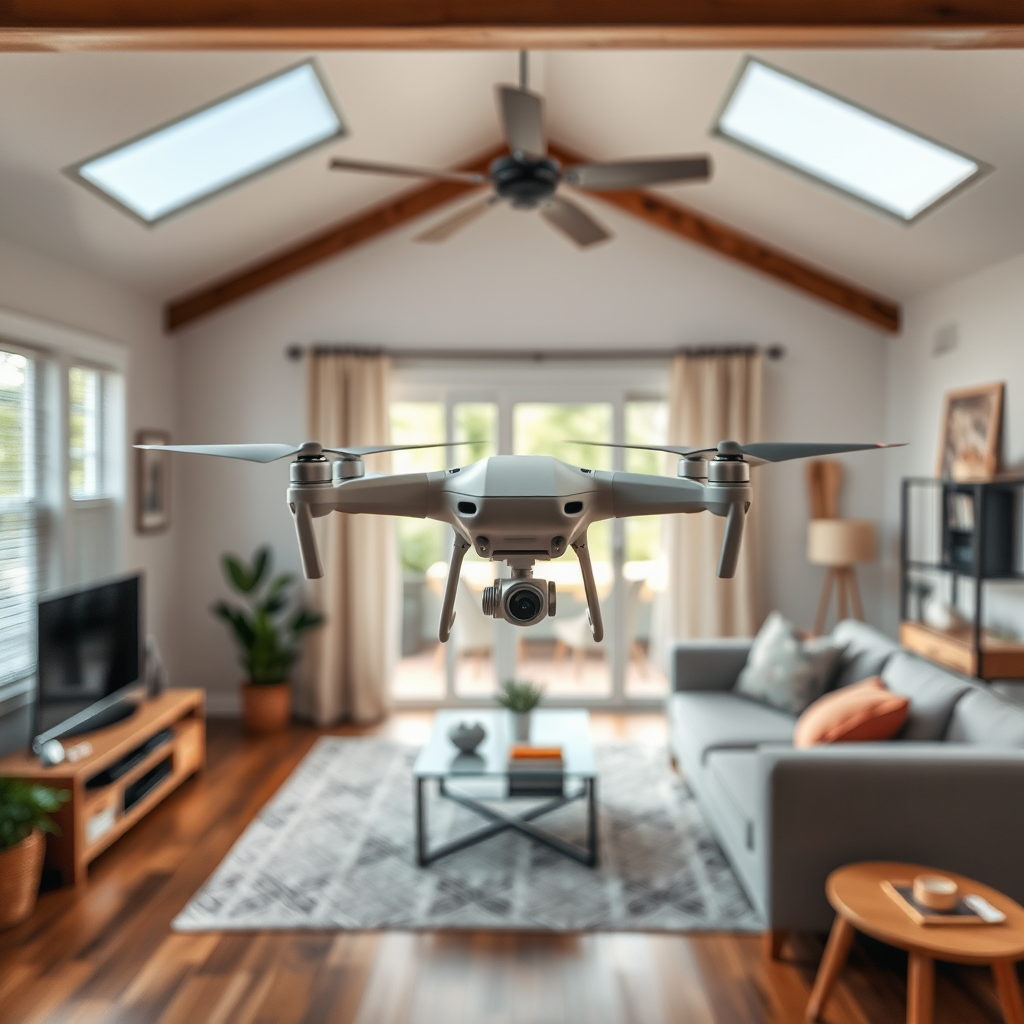
When it comes to indoor drone flight, not all drones are created equal. Drones designed specifically for indoor use typically feature protective elements such as propeller guards, which help to prevent injury and damage to surroundings. Many of these drones are smaller in size and lighter in weight, making them ideal for navigating tight spaces. For instance, models like the DJI Tello or the Ryze Tech Tello are excellent for indoor flying due to their compact design and built-in stabilization technology.
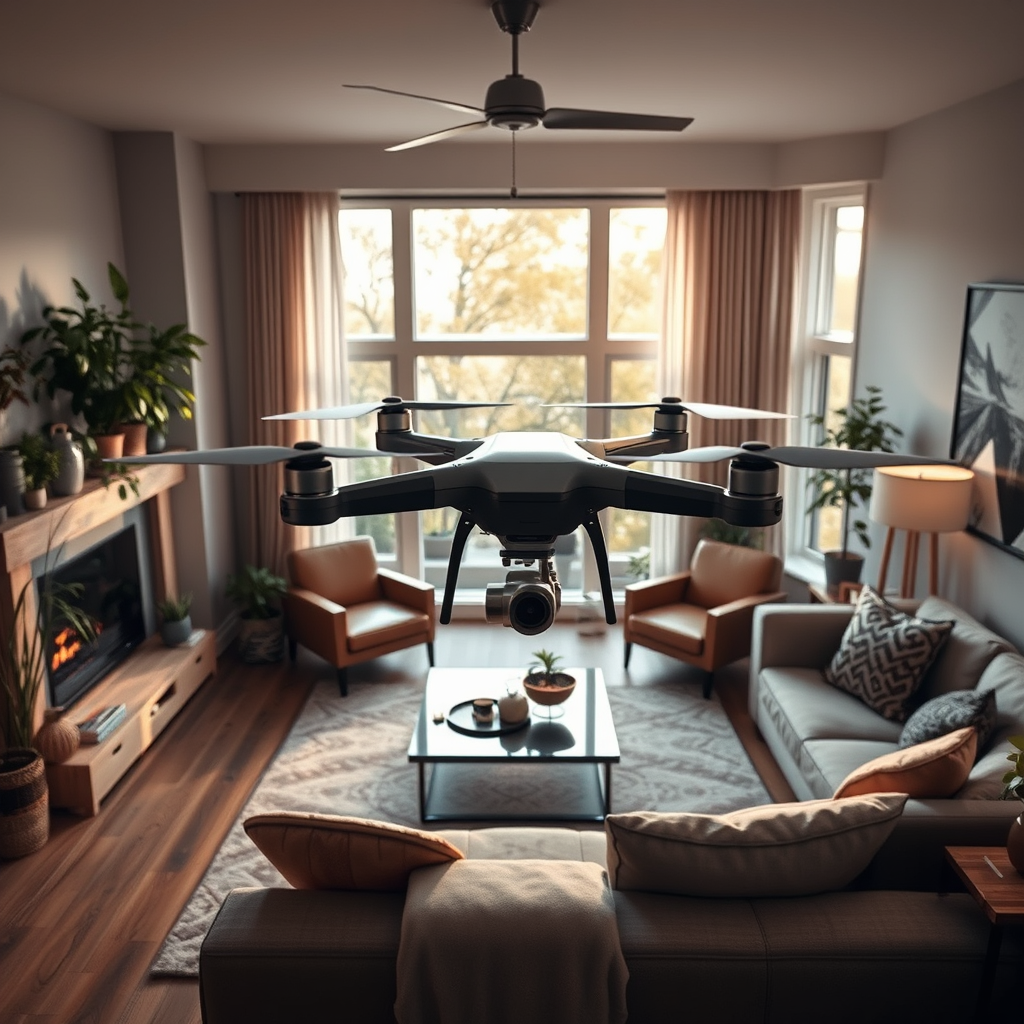
Moreover, indoor drones often include advanced flight modes that simplify operation, allowing beginners to acclimate to flying without the intimidation of outdoor elements. These features enable the drone to maintain stability even in confined areas, making it easier for users to execute intricate maneuvers. Understanding the capabilities of these drones is crucial for maximizing your indoor flying experience.
Safety Considerations
Safety should always be your top priority when flying a drone indoors. The confined environment of a house poses unique risks, such as the potential for collisions with walls, furniture, or even people and pets. To mitigate these risks, it’s crucial to avoid flying near individuals or animals, especially in busy rooms or areas with delicate items.
Additionally, using propeller guards is highly recommended to minimize the chances of injury and property damage. These guards can significantly reduce the impact of a collision, protecting both the drone and the objects around it. It’s also a good practice to perform a thorough inspection of your flying space before takeoff, ensuring that there are no obstacles that could impede flight. Creating a clear flight path and establishing boundaries will further enhance safety and control during your indoor flying sessions.
Choosing the Right Drone
Selecting the appropriate drone for indoor use is essential for a successful experience. When looking for a drone, consider lightweight options that are easy to maneuver. Drones like the Parrot Mambo or the Hubsan H107C are ideal for indoor environments due to their manageable weight, which allows for better control in tight spaces.
Moreover, drones equipped with stability features, such as altitude hold and gyroscopic stabilization, can help maintain a steady flight path, minimizing the risk of accidents. Another important consideration is the presence of obstacle avoidance systems. Many modern drones come with sensors that detect nearby objects, allowing the drone to navigate around them autonomously. This is particularly beneficial in indoor settings where obstacles are prevalent.
Regulations and Permissions
While flying a drone indoors may seem less regulated than outdoor flying, it’s crucial to be aware of local laws and regulations that may apply. In some areas, there may be specific rules concerning indoor drone usage, particularly in public or shared spaces. For instance, schools, offices, or community centers may have policies that require permission before flying a drone on their premises. Always check with the venue management before flying.
Moreover, understanding the legal implications of flying a drone indoors can prevent potential fines or conflicts. Some jurisdictions might have laws that protect the privacy of individuals, which could impact your ability to capture video or images indoors. Staying informed about these regulations ensures a respectful and lawful flying experience.
Tips for Successful Indoor Flying
To achieve a successful indoor flying experience, it’s advisable to start in an open area where you can gain control and confidence with your drone. Choose a large room with minimal furniture and potential hazards to practice your flying skills. This will allow you to familiarize yourself with the drone’s controls without the immediate threat of crashing into obstacles.
Once you feel comfortable, practice basic maneuvers such as hovering, turning, and landing. Gradually incorporate more complex movements, like figure-eights or circle flying, as your skills improve. Consistent practice will enhance your proficiency and make you a more confident pilot.
Additionally, consider using flight simulation apps or software that mimic indoor flying scenarios. These tools can help you refine your skills without the risk of damaging your drone or your home.
Common Challenges of Indoor Drones
While flying drones indoors can be enjoyable, it comes with its own set of challenges. One major issue is limited battery life, which is often exacerbated by the frequent stopping and starting required in confined spaces. Indoor flying typically demands more energy as pilots navigate around obstacles and adjust to their environment. To counter this, always ensure your drone is fully charged before taking off and consider purchasing additional batteries for extended flight time.
Another challenge is potential signal interference. Indoor environments can impede the drone’s communication with its controller, particularly in areas with thick walls or numerous electronic devices. This can lead to connectivity issues, affecting the drone’s responsiveness. To minimize these problems, ensure that you are within a clear line of sight of the drone, and try to reduce the number of electronic devices operating in the vicinity during your flight.
Alternatives to Indoor Drones
If flying a drone indoors isn’t feasible or appealing, there are several alternatives worth considering. Drone simulators provide an excellent opportunity to practice flying skills without the associated risks. Many drone simulators offer realistic environments and scenarios that can enhance your flying proficiency.
Additionally, for those interested in capturing images or videos indoors, exploring camera options or handheld devices may be a better fit. High-quality digital cameras or smartphones equipped with advanced camera features can be used to achieve stunning indoor photography without the complexities of drone operation.
In conclusion, flying a drone indoors is not only possible but can also be a rewarding experience if approached with caution. By understanding the unique challenges of indoor flight, prioritizing safety, and selecting the right equipment, you can enjoy the thrill of drone flying in the comfort of your home. Always stay informed about regulations and practice diligently to ensure a smooth and enjoyable indoor flying experience.
Frequently Asked Questions
Can you fly a drone inside a house?
Yes, you can fly a drone inside a house, but there are several important considerations to keep in mind. First, ensure that the drone is small and lightweight, as larger drones may cause damage to your interior or pose safety risks. Additionally, be mindful of obstacles like furniture and walls, and always maintain control to avoid accidents. It’s also important to check local regulations, as some areas may have restrictions on indoor drone use.
What are the best drones for flying indoors?
The best drones for flying indoors are typically smaller, lightweight models that are designed for agility and stability. Popular options include the DJI Tello, which is user-friendly and equipped with a camera, or the Ryze Tech Tello EDU, which offers educational programming features. Additionally, look for drones with propeller guards, as these enhance safety and protect your surroundings while flying indoors.
Why is flying a drone indoors different from flying outdoors?
Flying a drone indoors presents unique challenges compared to outdoor flying due to limited space, lack of GPS signals, and potential obstacles. Indoor environments often require greater precision and control, as the drone must navigate around furniture and walls. Moreover, without GPS, drones rely on inertial measurement units (IMUs) for stabilization, making them more susceptible to drift and requiring a more skilled pilot to manage indoor flight effectively.
How can I safely fly a drone inside my home?
To safely fly a drone inside your home, start by choosing a spacious area free from obstacles, such as a large living room or basement. Always remove any fragile items from the vicinity and keep pets and people at a safe distance. Use a drone equipped with features like altitude hold, headless mode, and propeller guards to enhance safety, and practice flying slowly to gain confidence and control in an enclosed space.
Which indoor drone features should I look for?
When selecting an indoor drone, look for features that enhance safety and ease of use. Key features include lightweight design, propeller guards to prevent damage, stable flight modes like altitude hold, and obstacle avoidance sensors. Additionally, consider drones with a user-friendly remote control, a camera for capturing footage, and the ability to perform aerial stunts, making your indoor flying experience more enjoyable and versatile.
References
- https://en.wikipedia.org/wiki/Drone
- https://www.faa.gov/uas/getting_started/what_is_a_drone
- https://www.nytimes.com/2021/01/12/technology/drones-in-homes.html
- https://www.bbc.com/news/technology-52115265
- https://www.techrepublic.com/article/how-to-use-drones-in-your-business/
- https://www.cnet.com/news/the-faa-says-you-can-fly-drones-indoors-but-theres-a-catch/
- https://www.theverge.com/2020/2/6/21126632/drones-inside-house-uses-regulations-privacy
- https://www.nap.edu/catalog/21818/drones-in-the-home
- https://www.ncbi.nlm.nih.gov/pmc/articles/PMC8090389/
