
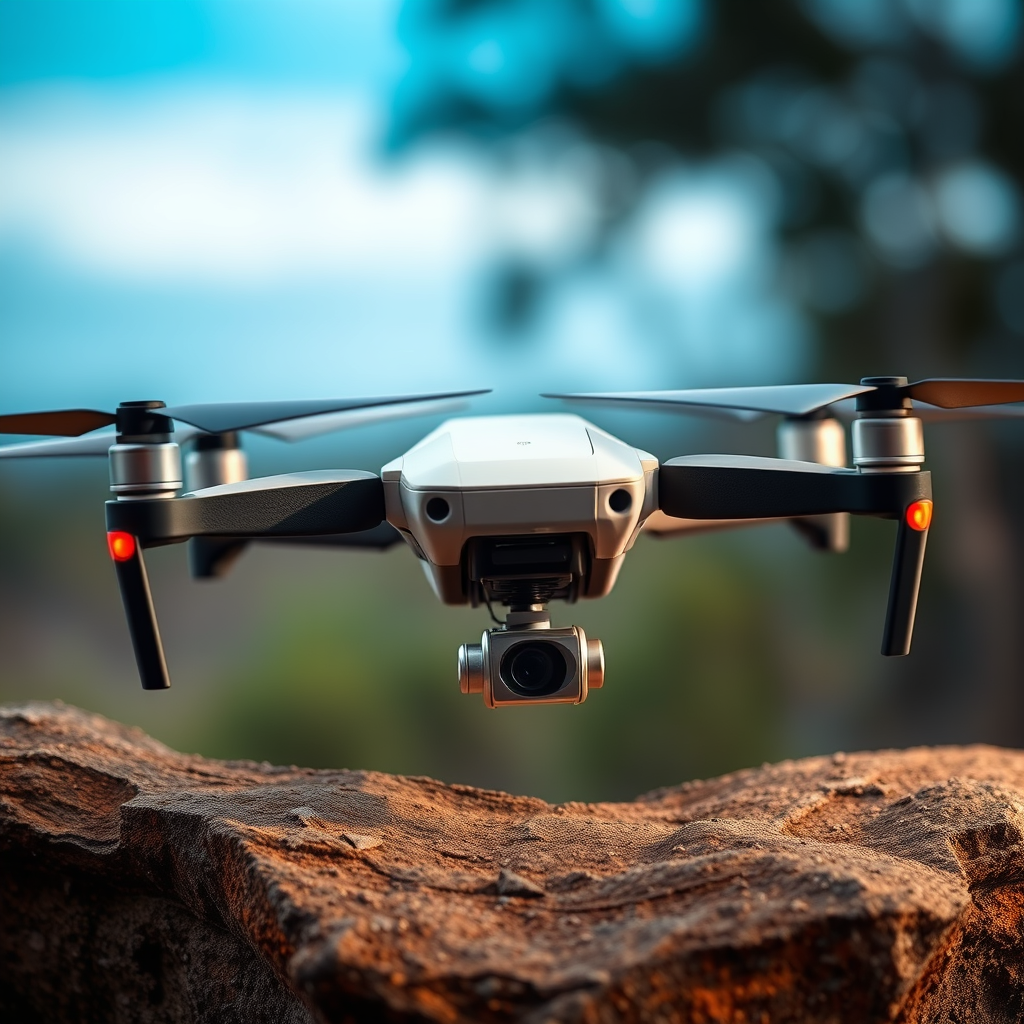
Yes, you can use drones for hunting, but there are strict regulations and ethical considerations to keep in mind. Drones can assist in scouting and tracking game, providing hunters with innovative tools to enhance their experience. However, the legality and appropriateness of drone usage in hunting contexts vary by region and depend on the specific type of hunting being conducted. This article will delve into the applications, benefits, and legal aspects of using drones in hunting, offering a comprehensive exploration of this emerging trend.
The Role of Drones in Hunting
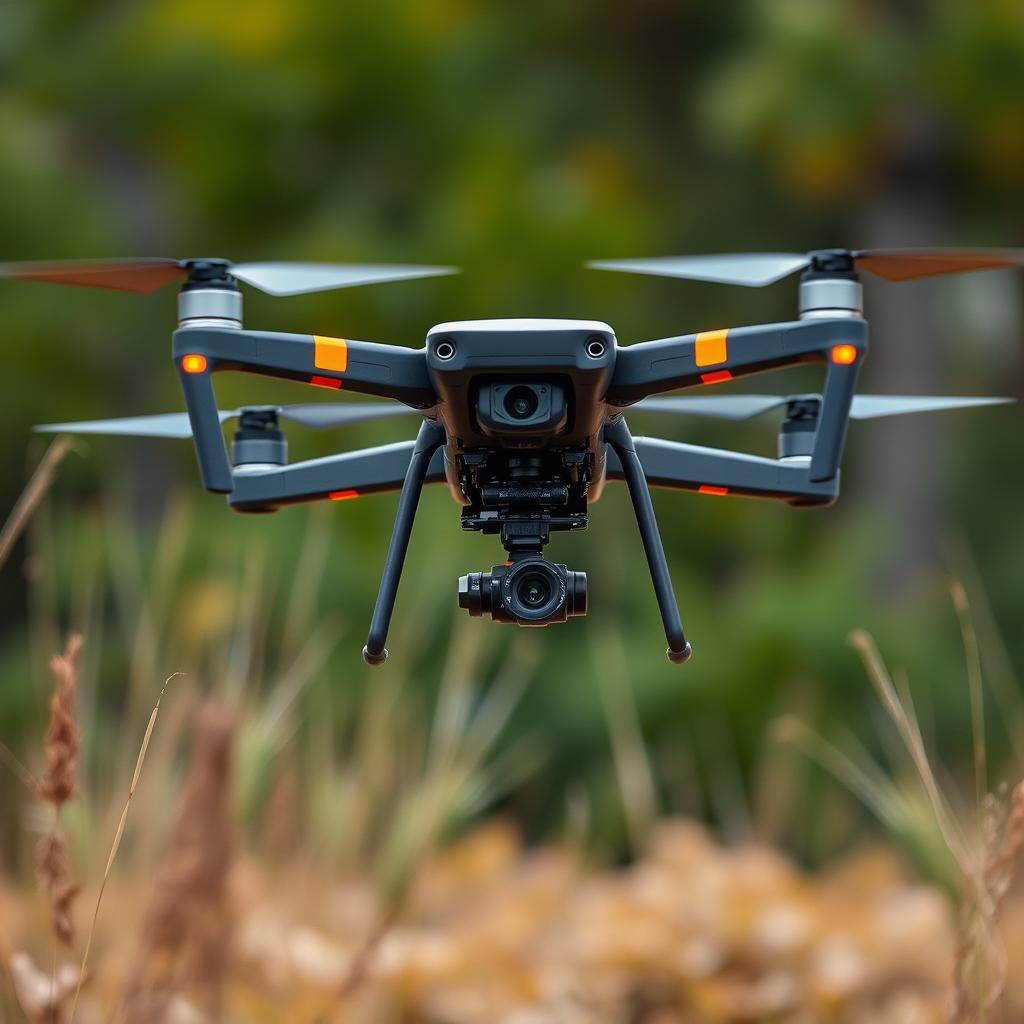
Drones play a significant role in modern hunting practices, primarily by providing aerial views that can be invaluable for scouting game locations. With the ability to fly over vast tracts of land, drones can capture high-resolution images and videos, allowing hunters to assess terrain and identify potential hunting spots without physically disturbing wildlife. This aerial perspective can reveal hidden trails, water sources, and feeding areas that may not be visible from the ground.
Moreover, drones can assist hunters in monitoring animal movements. Equipped with advanced sensors and cameras, drones can track the behavior of game animals in real-time, offering insights into their daily routines and migration patterns. Such data is critical for hunters aiming to make informed decisions about when and where to hunt, ultimately increasing their chances of success.
Benefits of Using Drones for Hunting
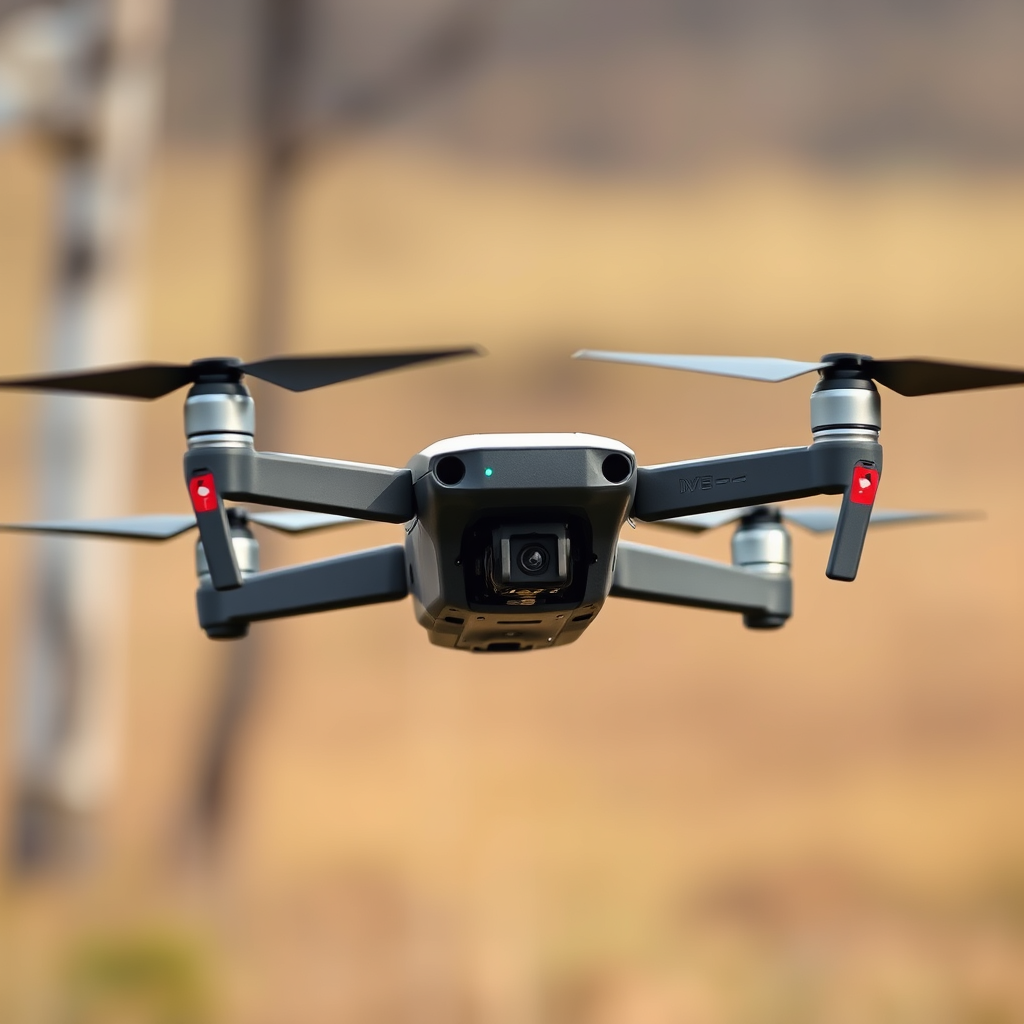
The integration of drones into hunting practices brings several key benefits. Enhanced surveillance capabilities lead to better decision-making. For example, hunters can use drones to monitor multiple locations simultaneously, gathering data on animal activity without the need for extensive physical scouting. This efficiency can significantly reduce the time and effort required to prepare for a hunt.
Additionally, drones can cover large areas quickly, making them particularly useful in remote or expansive hunting grounds. Traditional scouting methods often involve extensive foot travel, which can be time-consuming and physically taxing. In contrast, drones can rapidly traverse vast distances, allowing hunters to gather critical information in a fraction of the time. This capability not only saves time but also conserves energy that hunters can use during the actual hunt.
Legal Regulations Surrounding Drone Use in Hunting
While the advantages of using drones for hunting are apparent, it is essential to navigate the complex legal landscape surrounding their use. Each state or region may have specific laws regarding drone usage in hunting contexts. For instance, some jurisdictions may prohibit the use of drones for tracking or locating game, while others may allow drones strictly for scouting purposes.
To remain compliant with the law, hunters must conduct thorough research into local hunting regulations before utilizing drones. This may involve consulting state wildlife agencies or local hunting organizations to understand the specific rules that apply to their hunting area. Failure to comply with these regulations can lead to significant penalties, including fines and the revocation of hunting licenses.
Ethical Considerations in Drone Hunting
As with any technological advancement in hunting, the use of drones raises important ethical considerations. One of the primary concerns is whether drone use aligns with the principle of fair chase, which emphasizes the importance of providing animals with a fair opportunity to evade hunters. The introduction of drones can shift the balance of this relationship, potentially diminishing the challenge that many hunters value in the sport.
Additionally, there are concerns regarding animal welfare and habitat disturbance. The presence of drones may cause stress to wildlife, altering their natural behaviors and potentially leading to negative impacts on population dynamics. Hunters must be mindful of these effects and strive to use drones in a manner that prioritizes the well-being of the animals and their habitats.
Types of Drones Suitable for Hunting
When considering the use of drones for hunting, it is important to select the right type of drone for the task at hand. Fixed-wing drones are an excellent choice for hunters seeking long flight times and extensive coverage. These drones are capable of covering large areas without needing to return to base frequently, making them ideal for scouting vast landscapes.
On the other hand, multirotor drones offer greater maneuverability and ease of use, particularly for close inspections. These drones are well-suited for capturing detailed images and videos of specific locations, allowing hunters to focus on areas of interest with precision. The choice between fixed-wing and multirotor drones depends on the specific hunting needs and the terrain being navigated.
Tips for Using Drones Effectively in Hunting
To maximize the benefits of using drones in hunting, it is crucial to approach their operation with knowledge and responsibility. First and foremost, familiarize yourself with drone operation and local laws before embarking on a hunting trip. This not only ensures compliance with regulations but also enhances your skills in operating the drone effectively.
Additionally, using drones responsibly is essential to enhance your hunting experience without compromising ethical standards. This includes avoiding the direct tracking of game animals or using drones to harass wildlife. Instead, focus on utilizing drones for scouting and understanding the environment, which can ultimately lead to a more successful and ethical hunting experience.
Conclusion
While drones can be a valuable tool for hunters, navigating the legal and ethical landscape carefully is essential. Proper usage can lead to a more successful and responsible hunting experience, allowing hunters to scout effectively and make informed decisions. However, it is imperative to stay informed about regulations and respect wildlife to ensure a sustainable approach to hunting. By integrating drones thoughtfully into hunting practices, hunters can enhance their skills while maintaining the integrity of the sport.
Frequently Asked Questions
Can you legally use drones for hunting in the United States?
The legality of using drones for hunting varies by state in the United States. Many states prohibit the use of drones to locate or track animals, while others may allow their use for scouting purposes only. It’s crucial for hunters to check local wildlife regulations and laws to ensure compliance and avoid penalties.
How can drones enhance the hunting experience?
Drones can significantly enhance the hunting experience by providing aerial views of vast terrains, helping hunters locate game more efficiently. They can also be used for scouting areas before the hunting season, tracking animal movements, and even monitoring weather conditions. By utilizing drones, hunters can gather valuable information to make informed decisions about their hunting strategies.
What features should I look for in a drone for hunting purposes?
When selecting a drone for hunting, consider features such as high-resolution cameras for clear imaging, long battery life to cover extensive areas, and GPS capabilities for precise navigation. Additionally, look for drones with robust build quality to withstand outdoor conditions and those equipped with live streaming capabilities for real-time monitoring during hunts.
Why is using drones for hunting controversial?
The use of drones for hunting is controversial primarily due to ethical concerns and its potential to disrupt traditional hunting practices. Critics argue that drones give an unfair advantage to hunters, potentially leading to overharvesting and negatively impacting wildlife populations. As a result, many wildlife agencies have implemented strict regulations or outright bans on drone use for hunting.
Which states allow the use of drones for hunting activities?
As of October 2023, only a few states, including Arizona and Utah, permit limited drone use for hunting under specific regulations. However, the laws can change frequently, so hunters should always verify the current rules in their state before using a drone. It’s also advisable to stay updated on any new legislation that may affect drone usage in hunting activities.
References
- https://en.wikipedia.org/wiki/Drone_hunting
- https://www.nytimes.com/2022/04/10/us/drone-hunting.html
- https://www.usgs.gov/science-support/osqi/faq/how-do-drones-work-hunting
- https://www.nraila.org/articles/20170714/drones-in-hunting
- https://www.fws.gov/story/2022-08/drones-hunting-using-technology-responsibly
- https://www.wildlife.state.nm.us/hunting/drones-in-hunting/
- https://www.wisconsin.gov/Pages/Newsroom/News.aspx?item=3039
