
Yes, you can use drones to scout for hunting. Drones offer hunters the ability to survey vast areas of land quickly and gather valuable information about wildlife movement and habitat. This technology can enhance scouting efforts, making it easier to locate game before a hunt. By leveraging aerial views and advanced imaging techniques, hunters can gain insights that were previously challenging to obtain through traditional scouting methods. Whether you are a seasoned hunter or a novice, integrating drones into your hunting strategy can significantly improve your chances of success.
Understanding Drone Technology in Hunting
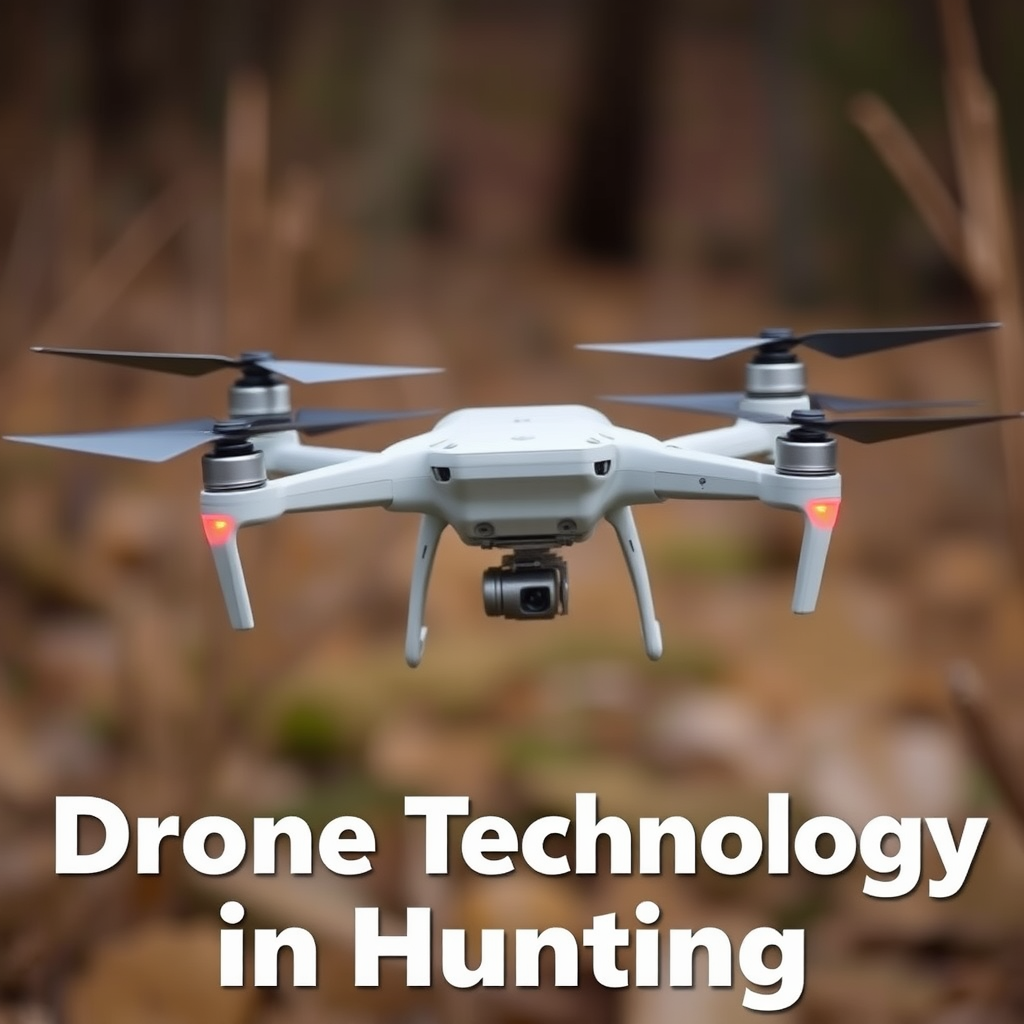
Drones, also known as unmanned aerial vehicles (UAVs), have become increasingly sophisticated, featuring high-resolution cameras capable of capturing detailed aerial photographs and videos. These advanced imaging systems provide hunters with a bird’s-eye view of the terrain, allowing for a comprehensive assessment of the hunting grounds. Some drones are equipped with GPS technology, enabling precise mapping of areas and tracking of wildlife movements over time.
Moreover, many modern drones come with additional functionalities such as live-streaming and real-time data transmission, which can be invaluable during the scouting process. This means that hunters can observe wildlife behavior and terrain features remotely, thereby reducing the risk of disturbing the animals and their habitats. The ability to cover large areas in a short amount of time is one of the most significant advantages of drone technology, empowering hunters to make more informed decisions about where to focus their efforts.
Benefits of Using Drones for Scouting
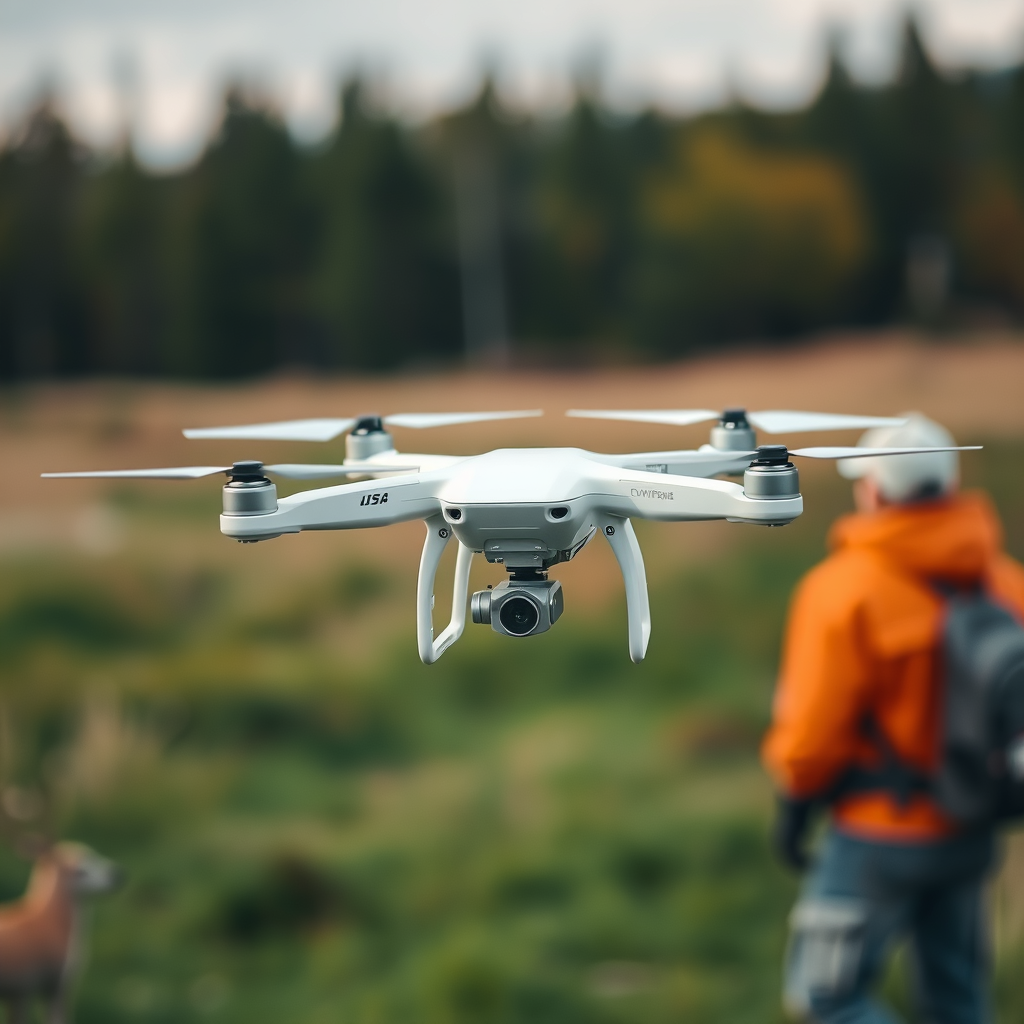
The benefits of using drones for scouting in hunting are manifold. Enhanced visibility is perhaps the most notable advantage. Drones can fly at various altitudes, allowing hunters to spot game from a considerable distance without the need to physically traverse the land. This not only saves time but also minimizes the disruption to the wildlife.
Additionally, drones can help identify animal trails, feeding areas, and watering holes from above, which are crucial indicators of where to set up blinds or stands. Using drones effectively can lead to more strategic planning and better placement of hunting gear, ultimately increasing the likelihood of a successful hunt. For instance, a hunter can use a drone to map out a deer’s feeding patterns and determine the best time and location for hunting.
Legal Considerations for Drone Use
Before incorporating drones into your hunting strategy, it is essential to understand the legal considerations surrounding their use. Different regions have varying regulations regarding drone usage, especially in the context of hunting. Hunters should check local laws to ensure compliance, as some areas may prohibit drone use entirely during hunting seasons.
Moreover, the Federal Aviation Administration (FAA) has established guidelines for drone operation that all users must follow. These regulations include flying below 400 feet, maintaining visual line-of-sight, and avoiding restricted airspace. Failing to adhere to these rules could result in legal consequences, including fines or the revocation of hunting privileges. It is prudent for hunters to familiarize themselves with both local and federal regulations before operating drones in the field.
Tips for Effective Drone Scouting
To maximize the effectiveness of drone scouting, several best practices should be observed. First and foremost, flying at an appropriate altitude is crucial. High enough to obtain valuable data but low enough to avoid alarming wildlife is the ideal balance. Generally, a height of around 100 to 200 feet is recommended for scouting, as this minimizes disturbance while still providing a clear view.
Additionally, utilizing advanced drone features such as thermal imaging can enhance scouting capabilities, particularly during cooler times when animals are more active. Thermal cameras can detect body heat, making it easier to locate animals even in dense foliage or during low-light conditions. Planning flights during dawn or dusk, when many animals are most active, can yield optimal results.
Moreover, being mindful of wind conditions and weather forecasts is essential for safe and effective drone operation. High winds can affect the stability of the drone and its ability to capture quality images, while adverse weather conditions may limit visibility.
Potential Drawbacks of Drones in Hunting
While drones offer numerous advantages, there are also potential drawbacks to consider. One of the primary concerns is that drones may scare off game if not used cautiously. Animals can be sensitive to noise and movement, and an erratic or loud drone could disrupt their natural behavior, making them less likely to return to the area.
Another consideration is the initial cost and ongoing maintenance of drones. High-quality models equipped with advanced features can be quite expensive, and additional costs may arise from repairs and software updates. For hunters who are just starting out or on a tight budget, this investment may not be feasible.
Lastly, there is the potential for technical issues that can arise during use, such as battery failures or software glitches. It is essential for hunters to familiarize themselves with their equipment and conduct regular maintenance checks to mitigate these risks.
Best Practices for Drone Scouting
To ensure that drone scouting is as effective as possible, hunters should adopt best practices that combine technological advantages with traditional knowledge. Planning flights during optimal times of day and in favorable weather conditions is essential. Early morning or late afternoon typically offers the best chances to observe wildlife activity.
Combining drone scouting with traditional scouting methods can provide a more comprehensive strategy. For example, hunters can use drones to scout large areas, then follow up with ground observations to gather more detailed insights. This hybrid approach allows for a well-rounded understanding of the hunting terrain and animal behavior.
Moreover, documenting flights and observations can help in developing a clearer picture of wildlife patterns over time. Keeping records of drone flights, including areas scouted and animal sightings, can inform future hunts and improve overall effectiveness.
In conclusion, using drones for scouting can significantly enhance your hunting experience, offering insights that traditional methods may not provide. However, it is essential to understand local laws and practice responsible flying to maximize their benefits. By combining drone technology with traditional hunting wisdom, hunters can improve their strategies and ultimately increase their chances of success in the field.
Frequently Asked Questions
Can you use drones to scout for hunting effectively?
Yes, drones can be highly effective for scouting hunting areas. They provide a bird’s-eye view of the landscape, allowing hunters to locate game trails, water sources, and potential feeding areas without disturbing wildlife. By using high-resolution cameras and thermal imaging, hunters can identify deer or other game from a distance, making it easier to plan their hunting strategies.
What are the legal regulations for using drones for hunting scouting?
The legality of using drones for hunting scouting varies by region and country. In the United States, the Federal Aviation Administration (FAA) regulates drone use, and many states have specific laws regarding the use of drones in hunting. It’s crucial to check local wildlife agency regulations to ensure compliance, as some states prohibit the use of drones for scouting during hunting seasons to maintain fair hunting practices.
How can drones improve my hunting experience?
Drones can significantly improve your hunting experience by providing real-time aerial footage that helps you understand the terrain and wildlife behavior. With the ability to cover large areas quickly, drones can help you identify the best spots to set up your stand or blind, track animal movements, and monitor environmental changes. This advanced scouting capability allows for better planning and increased chances of a successful hunt.
What features should I look for in a drone for hunting scouting?
When selecting a drone for hunting scouting, consider features such as camera quality (preferably 4K or higher), battery life for extended flight times, GPS capabilities for precise location tracking, and stability in various weather conditions. Additionally, drones with thermal or night vision capabilities can be beneficial for scouting in low-light environments, giving you a clearer view of wildlife.
Which drone models are best suited for hunting scouting?
Some of the best drone models for hunting scouting include the DJI Mavic 3, which offers excellent camera quality and flight time, and the DJI Phantom 4 Pro, known for its stability and advanced imaging features. The Skydio 2 is also a strong contender due to its autonomous flying capabilities, which allow it to navigate complex environments while you focus on scouting. Always choose a model that meets your specific needs and complies with local regulations.
References
- https://www.nraila.org/articles/20200207/drones-and-hunting-what-you-need-to-know
- https://www.fieldandstream.com/drones-and-hunting-what-you-need-to-know
- https://www.nssf.org/articles/drones-in-hunting-what-you-need-to-know/
- https://www.usda.gov/media/blog/2016/04/06/using-drones-agriculture
- https://www.sciencedirect.com/science/article/pii/S235197891730115X
- https://www.wired.com/story/drones-hunting-ethics/
- https://www.theguardian.com/environment/2020/jan/21/drones-hunting-ethics-regulations
- https://www.nytimes.com/2021/10/06/us/drones-hunting-ethics.html
