
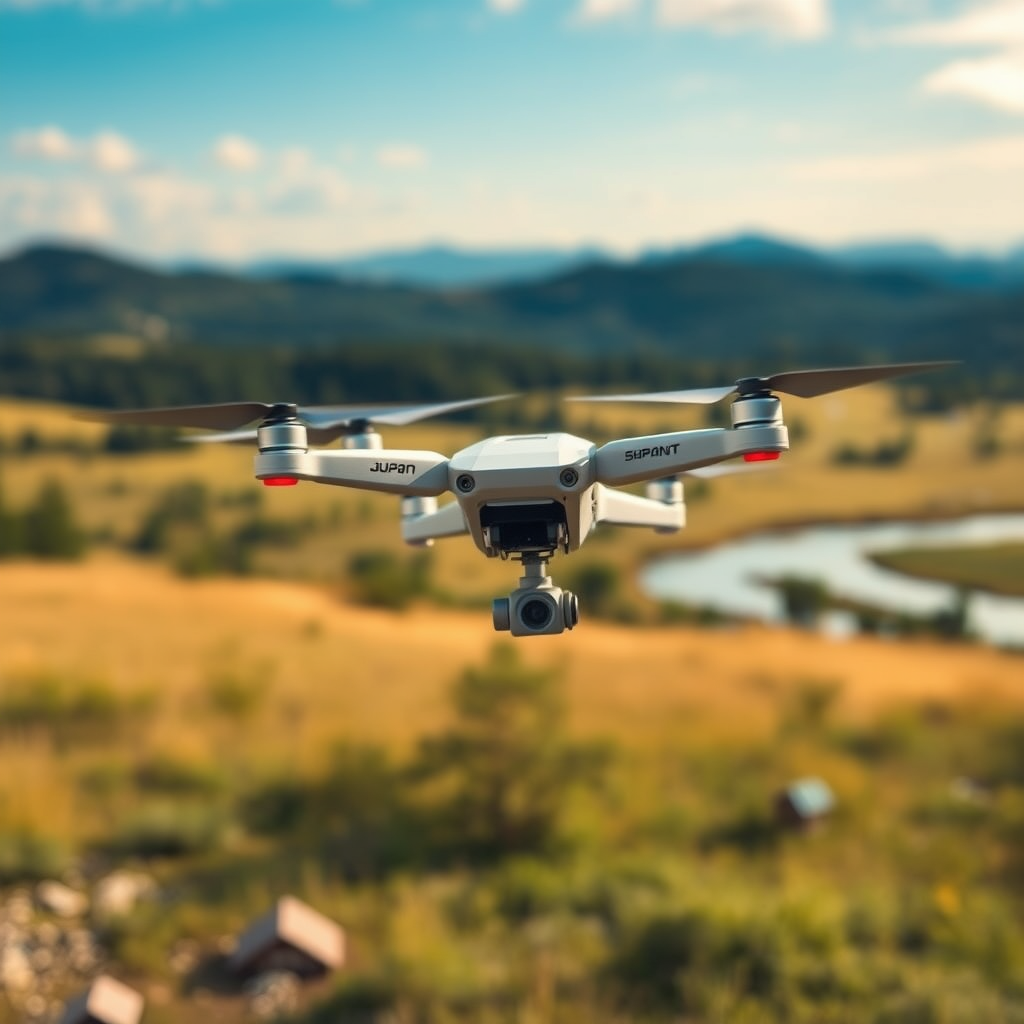
Yes, you can use drones in some state parks, but there are specific regulations and restrictions that vary by location. Many state parks have designated areas where drone use is permitted, while others impose strict bans to protect wildlife and preserve visitor experiences. Understanding these guidelines is crucial for drone enthusiasts looking to explore natural landscapes from the sky. This article will provide an overview of the main considerations regarding drone use in state parks, including regulations, reasons for restrictions, and best practices for responsible flying.
Understanding State Park Regulations
Regulations regarding drone usage in state parks can differ significantly not only between states but also among individual parks within the same state. For instance, while some parks may welcome drone operators in specific areas, others might enforce a complete ban on their use. This inconsistency is often influenced by factors such as local wildlife protection laws, park size, and the park’s unique ecosystem.
In the United States, the National Park Service (NPS) prohibits drone use in national parks altogether, signifying a broader trend among protected areas. State parks, however, operate under different jurisdictions, allowing for varied rules. For example, while California’s state parks may have designated drone zones, others, like those in New York, may restrict usage entirely to safeguard sensitive habitats. Therefore, it’s imperative for prospective drone pilots to familiarize themselves with the regulations specific to the state park they intend to visit.
Reasons for Drone Restrictions
Drone restrictions in state parks stem from several critical considerations aimed at maintaining the integrity of natural environments and enhancing visitor safety. One primary concern is wildlife disturbances. Drones can pose significant threats to wildlife, particularly nesting birds and other sensitive species. The noise and presence of a flying drone can disrupt animal behaviors, leading to stress and abandonment of nesting sites, which can have cascading effects on local biodiversity.
Equally important is the effect drones have on the visitor experience. State parks aim to provide a serene and tranquil environment, which can be compromised by the noise and visual distractions created by drones. Visitors often seek refuge from urban life, and the introduction of drone activity can detract from that experience. Consequently, park authorities may restrict or regulate drone use to preserve the natural ambience and enjoyment of the park.
How to Check Drone Policies
Before planning your drone activities, it is essential to verify the specific rules and regulations governing drone use at your chosen state park. The most reliable way to do so is by visiting the official website of the state park. Most parks provide detailed information about drone regulations, including designated flying zones, hours of operation, and any permits that may be required.
In addition to online resources, contacting park management directly can yield up-to-date information and clarifications. Park rangers and administrative staff are often the best sources for understanding the nuances of drone regulations, as well as any temporary restrictions that may be in place due to wildlife activity or park events.
Permitted Uses of Drones
While many state parks have restrictions, there are instances where drone usage is permitted under specific circumstances. One common application is for photography and videography. Many parks designate areas where recreational filming is allowed, providing drone enthusiasts with the opportunity to capture stunning aerial views of natural landscapes. For example, parks in states like Arizona and Colorado may have specific zones where drone use for photography is encouraged, provided that operators follow established guidelines.
Another area where drone use may be permitted is in research and conservation efforts. Various organizations, including academic institutions and wildlife conservation groups, often receive permits to use drones for monitoring wildlife populations and conducting environmental studies. These permits are typically granted under strict conditions aimed at minimizing impact on the park’s ecosystem.
Best Practices for Responsible Drone Use
To ensure responsible drone operation in state parks, it is crucial to adhere to both FAA guidelines and local laws. The Federal Aviation Administration (FAA) outlines clear regulations for drone pilots, including maintaining a maximum altitude, avoiding no-fly zones, and ensuring that drones are always flown within the operator’s line of sight.
Furthermore, drone operators should maintain a safe distance from wildlife and other visitors. This not only protects the local ecosystem but also enhances the experience for fellow park-goers who may not wish to encounter drone activity during their visit. Operators should be mindful of noise levels and avoid flying in crowded areas or during peak visitor times.
Lastly, obtaining proper insurance and maintaining your drone is essential for responsible flying. Insurance can protect against potential damages, while regular maintenance ensures your drone operates safely and effectively.
Consequences of Non-Compliance
Failing to adhere to state park regulations regarding drone use can lead to significant consequences. Violating park rules can result in fines and penalties, which can vary based on the severity of the offense and the specific regulations of the park. For instance, some parks may impose fines ranging from $100 to $1,000 for unauthorized drone use.
Additionally, repeat offenders may face revocation of their privileges to operate drones in state parks. This could mean being banned from specific parks or, in some cases, a broader prohibition from all state parks within the jurisdiction. Such repercussions underscore the importance of understanding and respecting park regulations to ensure a positive experience for all visitors.
Resources for Drone Operators
For those interested in flying drones in state parks, several resources can aid in compliance and enhance the overall experience. The FAA provides a wealth of information for drone pilots, including operational guidelines, registration requirements, and safety tips. Their official website is an essential starting point for anyone considering drone use.
Additionally, online forums and communities dedicated to drone enthusiasts can be invaluable for sharing experiences and advice. These platforms often feature discussions about specific state parks, including tips on where to fly legally and responsibly. Engaging with these communities can provide insights into the best practices and experiences of fellow drone operators.
In conclusion, while drones can be used in some state parks, it is crucial to adhere to regulations and practice responsible flying. Each state park has its own set of rules that reflect the unique environment and visitor needs. By checking specific park guidelines and following best practices, drone enthusiasts can ensure a positive experience for themselves and the wildlife and visitors of the park. Always prioritize safety, respect for nature, and compliance with local laws to enjoy the breathtaking views that drones can offer in these natural spaces.
Frequently Asked Questions
Can you fly drones in state parks in the United States?
Flying drones in state parks is generally restricted across the United States. Many state parks have regulations that prohibit drone use to protect wildlife, preserve the natural landscape, and ensure visitor safety. It’s essential to check the specific regulations of the state park you plan to visit, as rules can vary significantly from one location to another.
What are the common restrictions for drone usage in state parks?
Common restrictions for drone usage in state parks may include requirements for obtaining special permits, limitations on flight altitude, and designated no-fly zones. Additionally, parks often require users to avoid flying near wildlife, congested areas, or during specific times of the year. Always consult the park’s website or contact park authorities for the most accurate and up-to-date information regarding drone regulations.
How can I find out if a specific state park allows drone flying?
To find out if a specific state park allows drone flying, you should visit the official website of the park or the state’s department of natural resources. Many parks will have a section dedicated to drone regulations. You can also call the park’s visitor center for immediate assistance and clarification on any drone usage policies that may apply.
Why do some state parks prohibit drone use?
Some state parks prohibit drone use primarily to protect wildlife and their habitats, as drones can disturb nesting birds and other wildlife. Additionally, drones may interfere with the natural experience of other visitors seeking tranquility in nature. By limiting drone usage, parks aim to maintain a peaceful environment and preserve the integrity of natural resources.
What is the best way to ensure compliance with drone regulations in state parks?
The best way to ensure compliance with drone regulations in state parks is to thoroughly research and understand the specific rules before your visit. Always obtain any necessary permits, stay updated on local laws, and adhere to guidelines regarding altitude, flight paths, and no-fly zones. Additionally, respect wildlife and fellow park visitors to foster a positive experience for everyone.
