

While drone strikes may appear to be a straightforward and efficient solution for neutralizing threats, the reality is far more nuanced and complicated. The ethical, legal, and practical ramifications of utilizing drone technology in conflict zones necessitate a thorough examination. This article explores the multifaceted considerations surrounding drone strikes, shedding light on the complexities that inform their use in contemporary warfare.
The Ethics of Drone Strikes
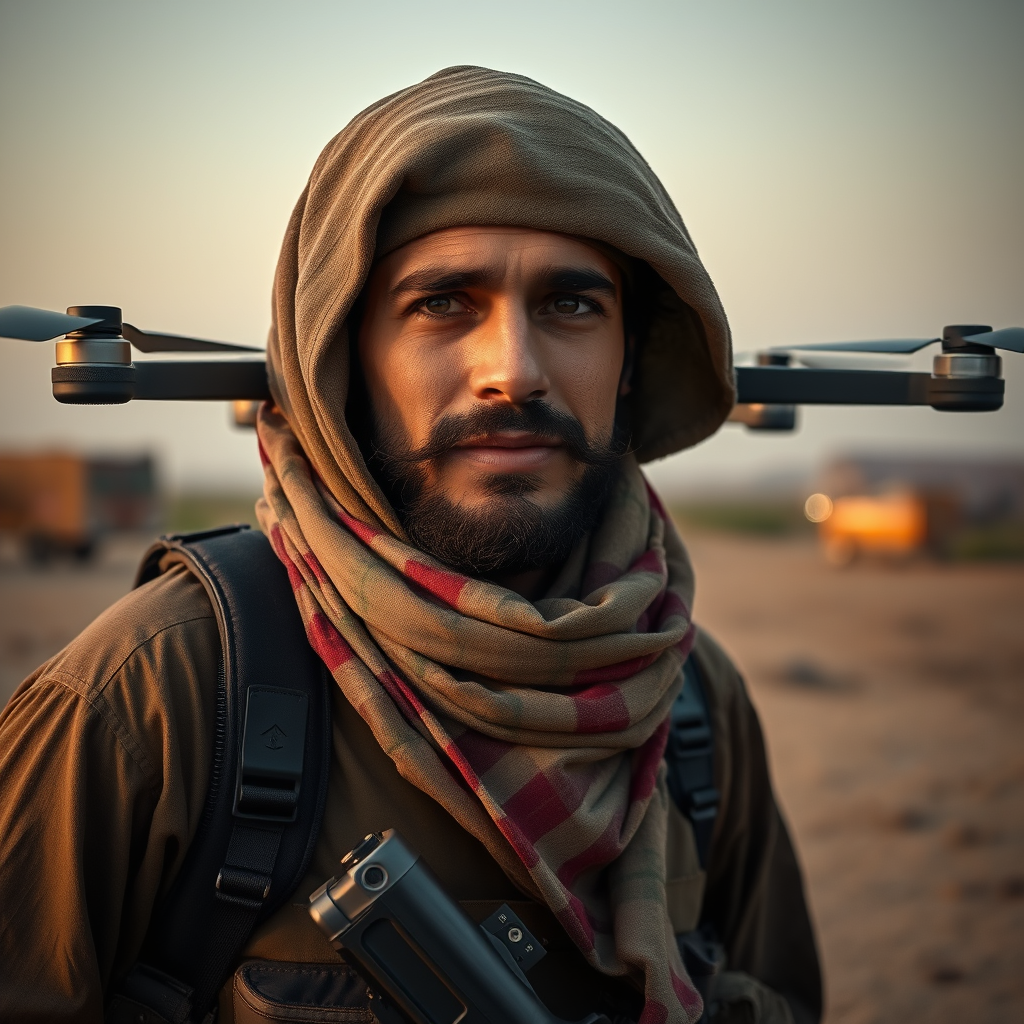
The ethical dilemmas surrounding targeted killings via drone strikes are profound and multifaceted. At the core of these dilemmas is the principle of just war theory, which stipulates that warfare must adhere to certain moral guidelines, including the necessity of proportionality and discrimination. Drone strikes often challenge these principles, particularly when it comes to civilian casualties. Reports indicate that drone operations can result in significant collateral damage, raising questions about the morality of sacrificing innocent lives, even if the intended target is a high-value individual.

Moreover, the psychological impact on affected communities cannot be overlooked. The constant presence of drones overhead can instill fear and anxiety in civilian populations, leading to long-term societal consequences. The dehumanization of targets, where individuals are reduced to mere coordinates on a map, further complicates the ethical landscape. This detachment from the reality of taking life poses significant moral questions for both military personnel and policymakers involved in such operations.
Legal Framework Surrounding Drone Usage
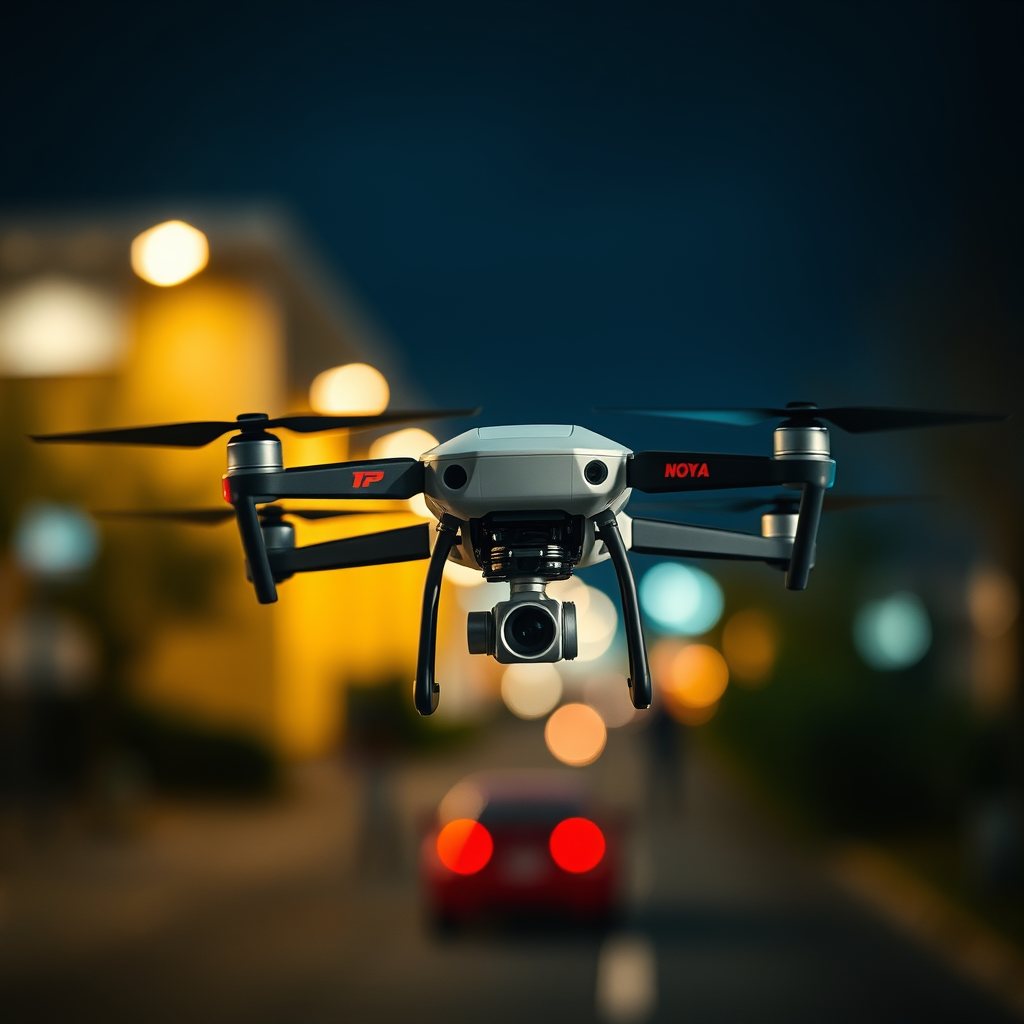
The legal framework governing drone strikes is complex and often contentious. International law maintains that states must respect the sovereignty of other nations, which raises significant concerns when drone strikes occur across borders without explicit consent. The principle of self-defense is frequently cited by states conducting strikes, particularly in the context of preventing imminent threats. However, the interpretation of “imminent” remains subject to debate, and the lack of a clear legal consensus can lead to abuses.
The role of the United Nations (UN) is critical in regulating drone strikes. Although the UN has attempted to develop guidelines and frameworks for the use of force, including drone warfare, the lack of binding resolutions limits their effectiveness. For instance, the UN Human Rights Council has called for transparency and accountability in drone operations, yet enforcement mechanisms remain weak. This gap in regulation can lead to violations of international humanitarian law, further complicating the legal landscape surrounding drone usage.
The Technology Behind Drones
The capabilities of drones have evolved dramatically over the past two decades, transforming them into potent tools for targeted strikes. Modern drones come equipped with advanced surveillance technologies, precision-guided munitions, and sophisticated communication systems, allowing for real-time intelligence gathering and precise targeting. However, advancements in technology also bring challenges, particularly regarding the accuracy of targeting and the potential for mission creep.
Advancements such as artificial intelligence and machine learning are increasingly integrated into drone operations, enabling more autonomous decision-making. While this can enhance targeting precision, it raises ethical concerns about human oversight and accountability. The reliance on technology in warfare can create a false sense of security, leading to hasty decisions that might overlook the complexities of human conflict. Therefore, understanding the implications of drone technology is essential for informed discussions about their role in modern warfare.
Case Studies of Drone Strikes
A thorough analysis of notable drone strike incidents reveals both the potential benefits and pitfalls of this military tactic. The 2011 drone strike that killed Anwar al-Awlaki, a U.S. citizen and alleged al-Qaeda leader, is often cited as a pivotal moment in the discussion around drone warfare. While proponents argued it was a justified action to protect national security, critics highlighted the lack of due process and the implications of killing an American citizen without a trial.
Another significant case is the 2015 drone strike in Yemen that mistakenly targeted a wedding party, resulting in civilian casualties. This incident underscores the risks associated with drone warfare, particularly concerning intelligence accuracy and the consequences of collateral damage. Analyzing such incidents provides valuable lessons about the need for stringent operational protocols, transparency, and accountability to mitigate the adverse effects of drone strikes.
Public Perception and Media Representation
The media plays a crucial role in shaping public perception of drone strikes, often influencing policy discussions and national sentiment. Coverage of drone operations can evoke strong emotional responses, particularly when civilian casualties are reported. Graphic images and personal stories of affected families can humanize the statistics, prompting public outcry and calls for accountability.
Conversely, media narratives can also portray drone strikes as necessary tools for national security, emphasizing their efficiency and precision. This duality in representation can create a polarized public opinion, complicating the discourse surrounding the ethical and legal implications of drone warfare. Engaging with diverse media sources and critical analyses is essential for developing a well-rounded understanding of the complexities inherent in drone usage.
Alternatives to Drone Strikes
Exploring alternatives to drone strikes is crucial in addressing the root causes of conflict and minimizing civilian casualties. Diplomatic solutions, such as negotiations and peace talks, can potentially resolve tensions without resorting to violence. Engaging local communities, understanding their grievances, and fostering dialogue can pave the way for sustainable peace.
Additionally, investing in development programs, humanitarian aid, and conflict resolution initiatives can address the underlying factors that fuel extremism. By focusing on education, economic opportunities, and social justice, nations can work towards long-term stability, reducing the reliance on military interventions like drone strikes. A holistic approach that prioritizes diplomacy and development can lead to more effective conflict resolution strategies.
In conclusion, while the immediate appeal of drone strikes as a solution to eliminate threats is evident, the broader implications of such actions warrant careful consideration. Balancing security needs with ethical and legal responsibilities is essential for determining appropriate responses in complex conflict scenarios. By engaging in informed discussions about the multifaceted issues surrounding drone usage, policymakers and the public can contribute to shaping future strategies that prioritize human rights and international law. Understanding the intricate dynamics of drone warfare is crucial for fostering a more peaceful and just world.
Frequently Asked Questions
Why can’t we just use drones to eliminate threats or individuals deemed dangerous?
While the idea of using drones for targeted elimination may seem straightforward, there are significant ethical, legal, and operational challenges involved. International law restricts extrajudicial killings, and using drones raises concerns about collateral damage and civilian casualties. Additionally, accurately identifying a target and ensuring the drone strike is justified requires extensive intelligence and oversight, making it a complex issue that goes beyond mere technical capability.
What are the legal implications of using drones for targeted strikes?
The legal implications of using drones for targeted strikes are multifaceted and involve international law, human rights law, and domestic legislation. In many countries, drone strikes must comply with principles of necessity and proportionality, ensuring that military action is a last resort and that civilian lives are protected. Violating these principles can lead to severe legal repercussions, both domestically and internationally, including potential war crimes charges for unlawful killings.
How do drone strikes impact civilian populations in conflict zones?
Drone strikes can have devastating effects on civilian populations, including physical harm, psychological trauma, and the destabilization of communities. Research has shown that the fear of drone strikes can lead to long-term anxiety and mental health issues among affected populations, as well as disruption of social structures. Moreover, civilian casualties can fuel resentment and radicalization, leading to further conflict and instability in the region.
Which countries currently utilize drone strikes for military operations?
Several countries have adopted drone warfare as part of their military operations, notably the United States, Israel, Pakistan, and the United Kingdom. The U.S. has conducted numerous drone strikes in countries like Afghanistan, Yemen, and Somalia, targeting both terrorist organizations and individuals labeled as threats. Each country’s approach varies based on its legal frameworks, military strategies, and geopolitical objectives, leading to different implications and outcomes in conflict zones.
What alternatives to drone strikes exist for addressing threats without resorting to violence?
Alternatives to drone strikes include diplomatic engagement, intelligence-sharing, and non-violent interventions such as sanctions or economic aid. Building strong local partnerships and promoting dialogue can help address the root causes of conflict and reduce the perceived need for military action. Additionally, counter-radicalization programs and community outreach initiatives can help mitigate threats through understanding and cooperation rather than violence.
References
- https://en.wikipedia.org/wiki/Drone_strike
- https://www.theguardian.com/world/2020/jan/03/us-drone-strike-iran-general-soleimani
- https://www.reuters.com/investigates/special-report/usa-drone-strikes/
- https://www.bbc.com/news/world-us-canada-50773448
- https://www.c-span.org/video/?463715-1/us-drone-strikes-foreign-policy
- https://www.lawfareblog.com/understanding-drone-strikes
- https://www.rand.org/research/airforce/2020/07/how-drone-strikes-work.html
- https://www.nytimes.com/2019/09/19/us/drone-strikes.html
