
When comparing commercial drone options, DJI emerges as the superior choice for those prioritizing advanced technology and user-friendly features. Autel Robotics, while offering solid performance, falls short in software integration and camera capabilities. This review decisively answers which brand delivers the best value for professional applications. For aerial photography and mapping, DJI stands out as the clear winner.
What You’re Really Risking If You Choose Wrong

Choosing the wrong drone can lead to significant financial losses, especially when investing in specialized equipment for commercial purposes. A poor decision may result in failed projects and wasted time, damaging your reputation in competitive industries like real estate or agriculture. For instance, a drone that fails to deliver high-quality images could cost you a contract with a high-profile client, eroding both revenue and trust. In critical areas such as camera quality, flight time, and range, any deficiencies can adversely affect your work, leading to dissatisfied clients and lost contracts.
The Mistake Almost Everyone Makes
Many users make the mistake of basing their choice solely on price, neglecting to consider how features align with their specific commercial use cases. A common error is overlooking the importance of software support and the broader ecosystem when choosing between DJI and Autel, which can lead to compatibility issues down the line. Ignoring user reviews and real-world performance data might result in selecting a model with hidden flaws, such as poor battery life or inadequate customer service. Such oversights can lead to costly repairs or replacements, ultimately impacting your bottom line.
How to Know Which One Is Right for You
Begin by assessing your primary use case: Are you focused on high-quality aerial photography, surveying, or agricultural monitoring? Each drone excels in different areas, so it’s essential to match your needs with the right features. Consider your budget and how much you’re willing to invest in additional accessories like extra batteries, gimbals, or software subscriptions. Additionally, evaluate your experience level with drones; beginners may benefit from DJI’s user-friendly features, while experienced users might appreciate Autel’s advanced capabilities.
Why You Should Choose DJI
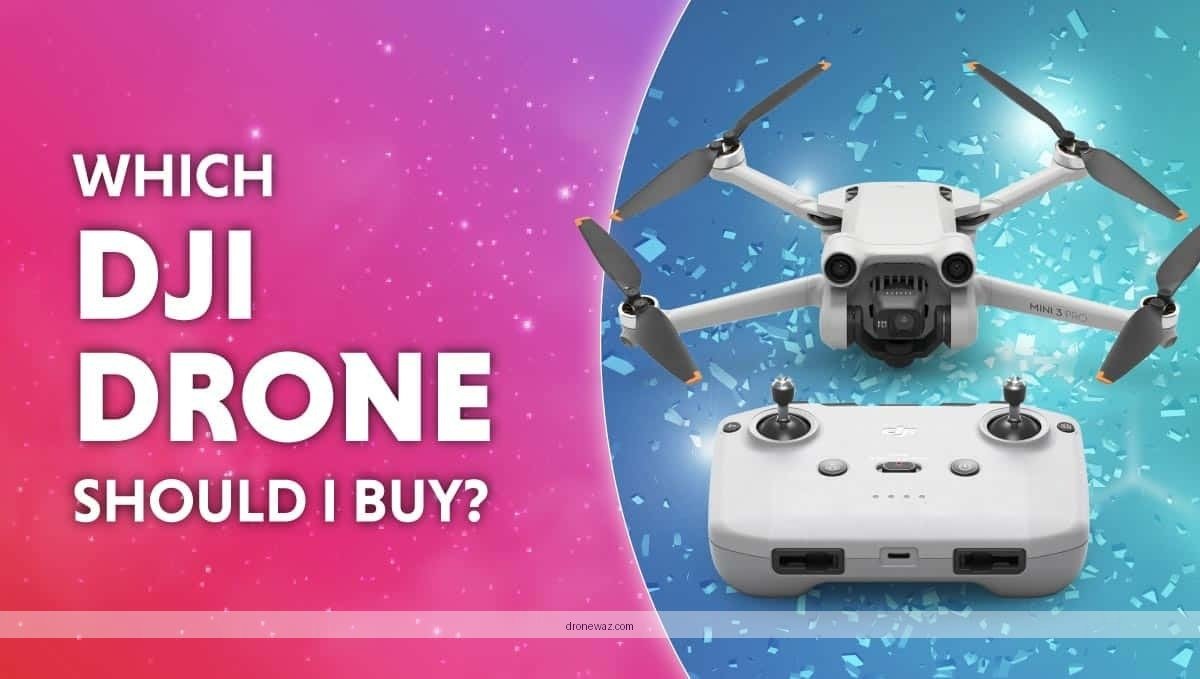
Moreover, DJI’s drones feature advanced obstacle avoidance systems and impressive flight times, often exceeding 30 minutes. This reliability allows users to focus on capturing the perfect shot without the constant worry of battery life. Additionally, DJI’s robust customer support network ensures that assistance is readily available when issues arise, further enhancing the overall user experience.
Why You Should Choose Autel
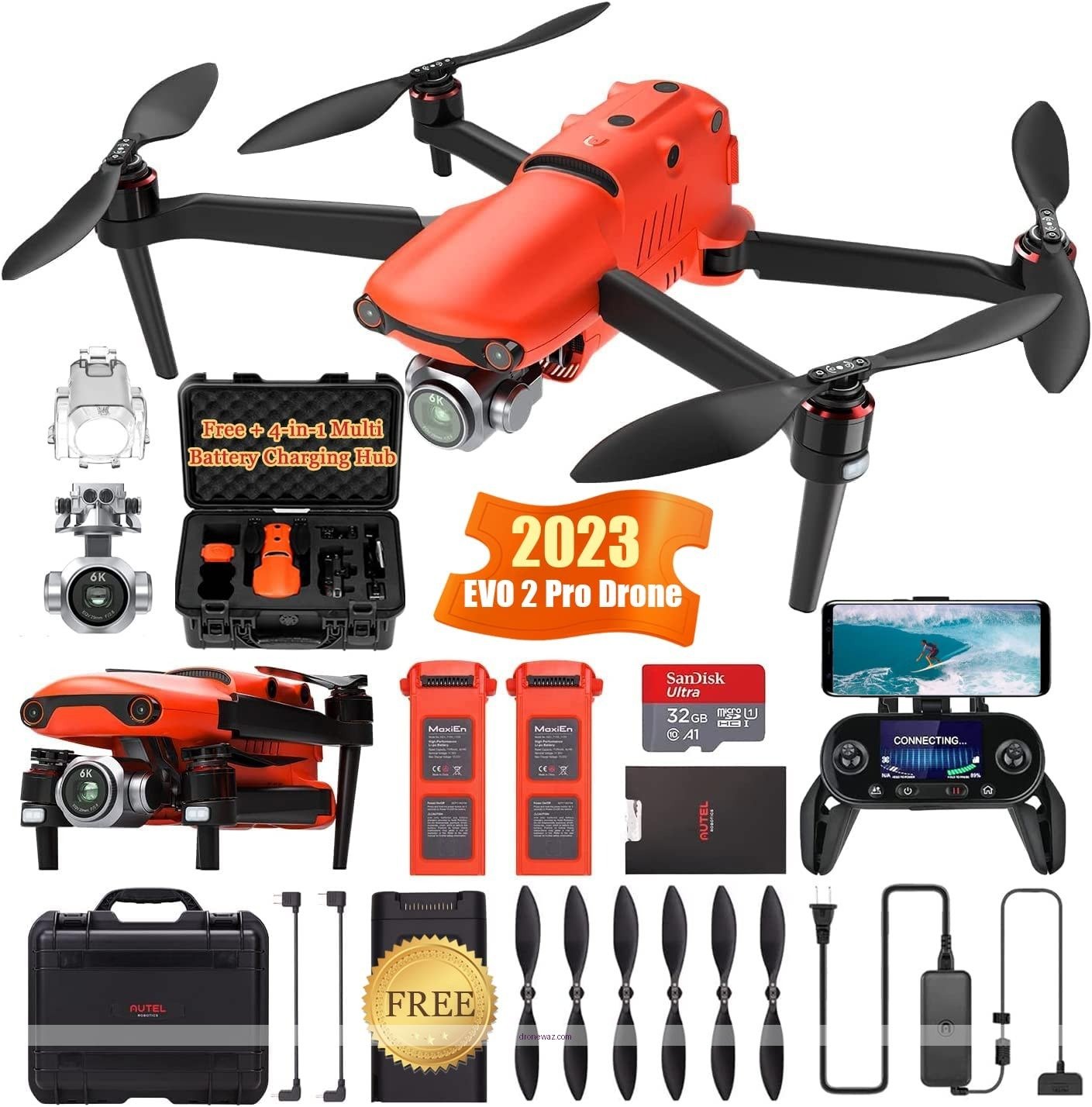
Autel Robotics presents competitive pricing alongside strong features, making their drones attractive for small businesses and startups with budget constraints. The Autel EVO Lite+, for instance, offers a 50MP camera and 6K video capabilities at a price point often lower than equivalent DJI models. The bright orange color of Autel drones enhances visibility, providing a safety advantage in busy environments or densely populated areas.
Autel’s flexibility with user-defined settings allows for greater customization, which can be particularly advantageous for users needing specific configurations for unique commercial applications. Additionally, many Autel drones come equipped with built-in obstacle avoidance systems and boast longer flight times compared to some DJI models, reaching up to 40 minutes. This extended flight time is especially beneficial for users in agriculture or surveying, where covering large areas is essential.
Head-to-Head Comparison Table
DJI vs Autel Robotics: Key Features Comparison
| Feature / Criteria | ✅ DJI | ✅ Autel |
|---|---|---|
| Camera Resolution | 48MP | 50MP |
| Video Resolution | 4K @ 60fps | 6K @ 30fps |
| Flight Time | 34 Minutes | 40 Minutes |
| Obstacle Avoidance | Yes | Yes |
| Pricing | $799 – $2,199 | $599 – $1,749 |
| Software Ecosystem | Comprehensive | Growing |
| Best For | Professional Photography | Budget-Conscious Users |
| Verdict | Better Overall | Value for Money |
Our Verdict
For professional photographers and videographers, DJI emerges as the clear winner due to its superior camera technology and extensive ecosystem. The Mavic Air 2 and other models provide unmatched quality and support, which are critical for high-stakes projects. Opt for DJI if you prioritize advanced imaging capabilities and robust customer service.
Conversely, if you are a small business owner or a beginner seeking a balance between performance and price, Autel Robotics presents great value and customization options. Autel’s drones deliver impressive specifications at a lower cost, making them an excellent choice for budget-conscious users. Choose Autel if you require a capable drone without the higher investment.
When the Answer Flips
If your focus is on specific applications like agriculture or surveying, where extended flight time is crucial, Autel’s longer battery life might make it the better choice despite DJI’s established reputation. In situations where drone visibility is paramount, such as in crowded urban areas, the bright color of Autel drones can offer a significant safety advantage. Additionally, if you frequently travel and need a drone that’s easy to transport without compromising performance, Autel’s lightweight design could sway your decision.
In summary, both DJI and Autel Robotics offer excellent options, but the right choice ultimately depends on your specific needs and circumstances. Make your selection wisely to maximize your investment and ensure successful outcomes in your commercial projects.
Frequently Asked Questions
What are the top features to look for in commercial drone reviews?
When reading commercial drone reviews, key features to consider include flight time, camera quality, payload capacity, and GPS capabilities. Additionally, look for user-friendly controls, durability, and support for software updates. These factors significantly influence a drone’s performance in various commercial applications, such as aerial photography, surveying, and agricultural monitoring.
How do I choose the best commercial drone for my business needs?
To choose the best commercial drone, assess your specific business requirements, such as the type of data you need to collect and the environments you’ll operate in. Consider the drone’s range, battery life, and camera specifications that align with your objectives. Reading comprehensive commercial drone reviews can also provide insights into user experiences and potential limitations of different models.
Why are commercial drone reviews important for buyers?
Commercial drone reviews are essential for buyers as they offer unbiased insights into the performance, reliability, and features of various models. They help potential customers make informed decisions by comparing user experiences and expert evaluations, ultimately saving time and money on an unsuitable purchase. Additionally, reviews often highlight any common issues or advantages that may not be apparent from manufacturer specifications alone.
Which commercial drones are best for aerial photography in 2023?
The best commercial drones for aerial photography in 2023 include models like the DJI Mavic 3, Autel Robotics EVO Lite+, and the Skydio 2. These drones are praised for their exceptional camera quality, advanced stabilization technology, and ease of use. Comprehensive commercial drone reviews can guide you in choosing the right model based on factors like image resolution, flight stability, and additional photography features.
What are the common challenges faced when using commercial drones, according to reviews?
Common challenges reported in commercial drone reviews include battery life limitations, GPS signal loss in urban areas, and regulatory compliance issues. Users often note the importance of understanding local laws and maintaining the drone’s firmware for optimal performance. Additionally, handling adverse weather conditions and ensuring safe operation can be hurdles that commercial drone operators must navigate.
References
- https://en.wikipedia.org/wiki/Commercial_drone
https://en.wikipedia.org/wiki/Commercial_drone - https://www.sciencedirect.com/topics/engineering/commercial-drones
https://www.sciencedirect.com/topics/engineering/commercial-drones - https://www.bbc.com/news/technology-51759614
https://www.bbc.com/news/technology-51759614 - https://www.theguardian.com/technology/2020/jun/09/drone-reviews-what-to-look-for-in-a-drone
https://www.theguardian.com/technology/2020/jun/09/drone-reviews-what-to-look-for-in-a-drone - https://www.nature.com/articles/s41598-020-69104-1
https://www.nature.com/articles/s41598-020-69104-1 - Google Scholar Google Scholar
https://scholar.google.com/scholar?q=commercial+drone+reviews - https://pubmed.ncbi.nlm.nih.gov/?term=commercial+drone+reviews
https://pubmed.ncbi.nlm.nih.gov/?term=commercial+drone+reviews - https://www.reuters.com/article/us-technology-drones-insight-idUSKBN2A10A5
https://www.reuters.com/article/us-technology-drones-insight-idUSKBN2A10A5 - https://scholar.google.com/scholar?q=drone+reviews+and+analysis Google Scholar
https://scholar.google.com/scholar?q=drone+reviews+and+analysis - https://www.cdc.gov/nceh/lead/infants.htm
https://www.cdc.gov/nceh/lead/infants.htm
