

Many companies around the world manufacture drones, each specializing in different types and applications. Notably, major players like DJI, Parrot, and Northrop Grumman have carved out significant niches, catering to both commercial and military needs. The drone industry has seen tremendous growth, driven by innovations in technology and increasing demand across various sectors. This article will explore key players in the drone manufacturing industry, highlighting their specialties and contributions to this dynamic field.
Major Commercial Drone Manufacturers
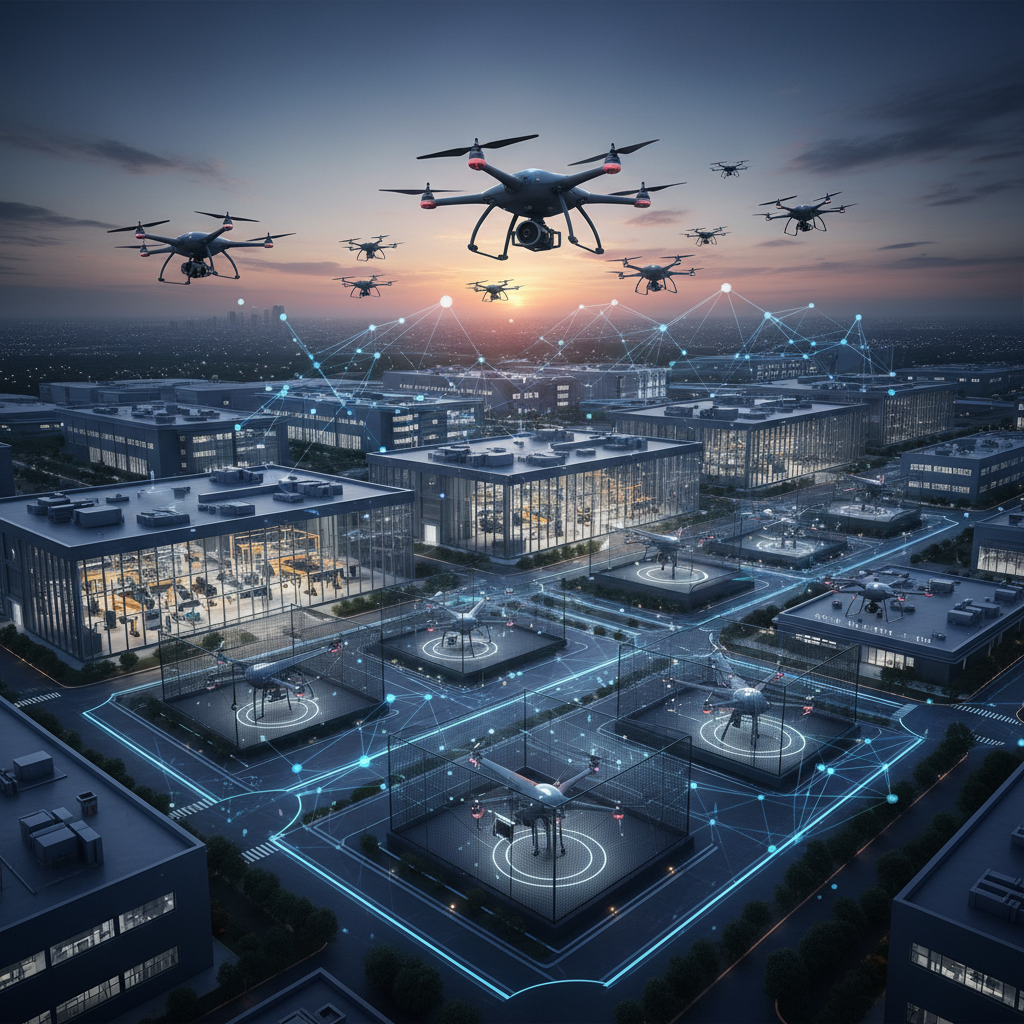
DJI: As the leading manufacturer in the drone market, DJI has revolutionized the industry with its consumer and commercial drones. Founded in 2006, the company quickly gained a reputation for high-quality aerial imaging technology. Its flagship products, the Phantom and Mavic series, are renowned for their user-friendly interfaces and advanced camera capabilities. DJI also offers enterprise solutions, such as the Matrice series, designed for industrial applications like surveying, construction, and public safety. The company’s commitment to innovation ensures that it remains at the forefront of the drone technology landscape, consistently integrating features like obstacle avoidance, intelligent flight modes, and enhanced battery life.
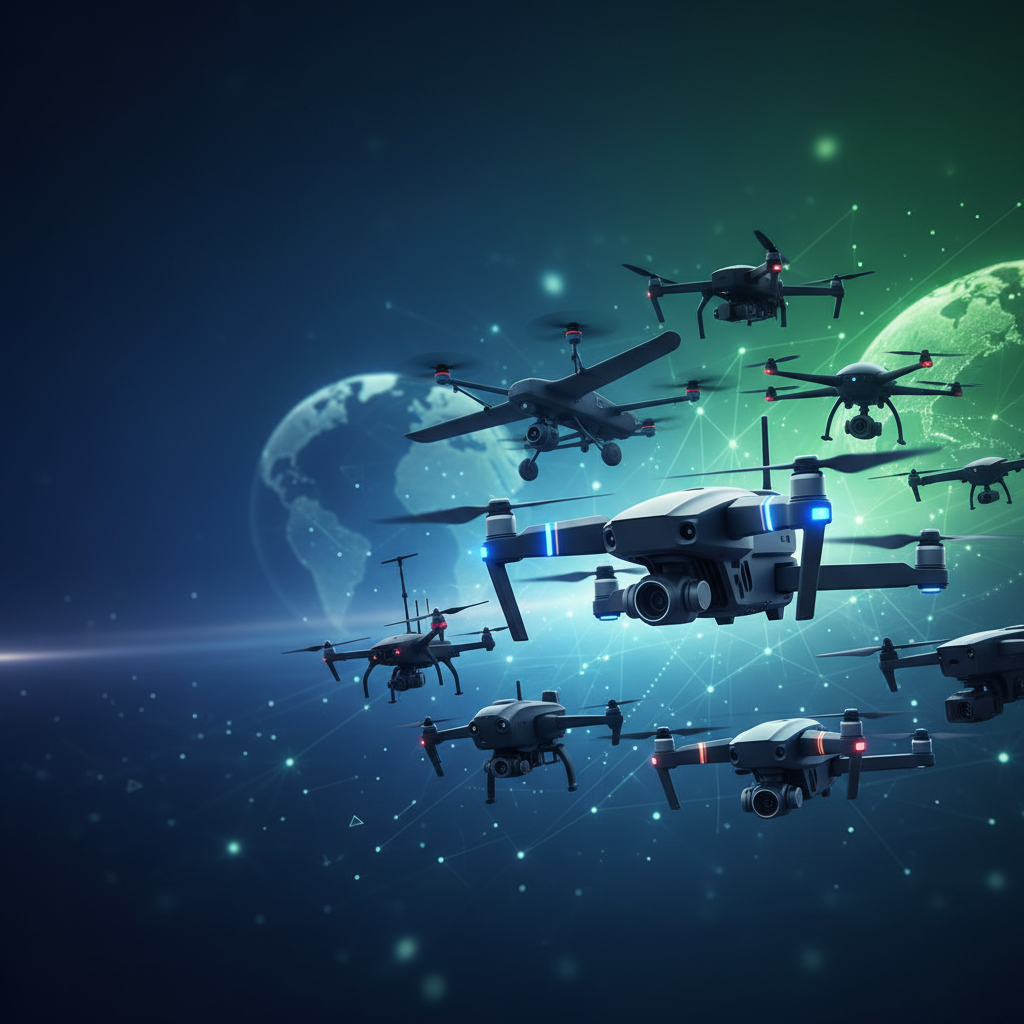
Parrot: Focused on the consumer drone market, Parrot has established itself as a pioneer with its innovative and compact drones that appeal to hobbyists and professionals alike. The company’s Anafi drone, for instance, is equipped with a 4K HDR camera and a unique 180-degree tilt gimbal, making it ideal for capturing stunning aerial footage. Parrot is also actively exploring the commercial sector, developing drones for agriculture and mapping applications. By continuously incorporating cutting-edge technology, such as AI and machine learning, Parrot aims to enhance the user experience and expand the capabilities of its drones.
Military and Defense Drone Producers
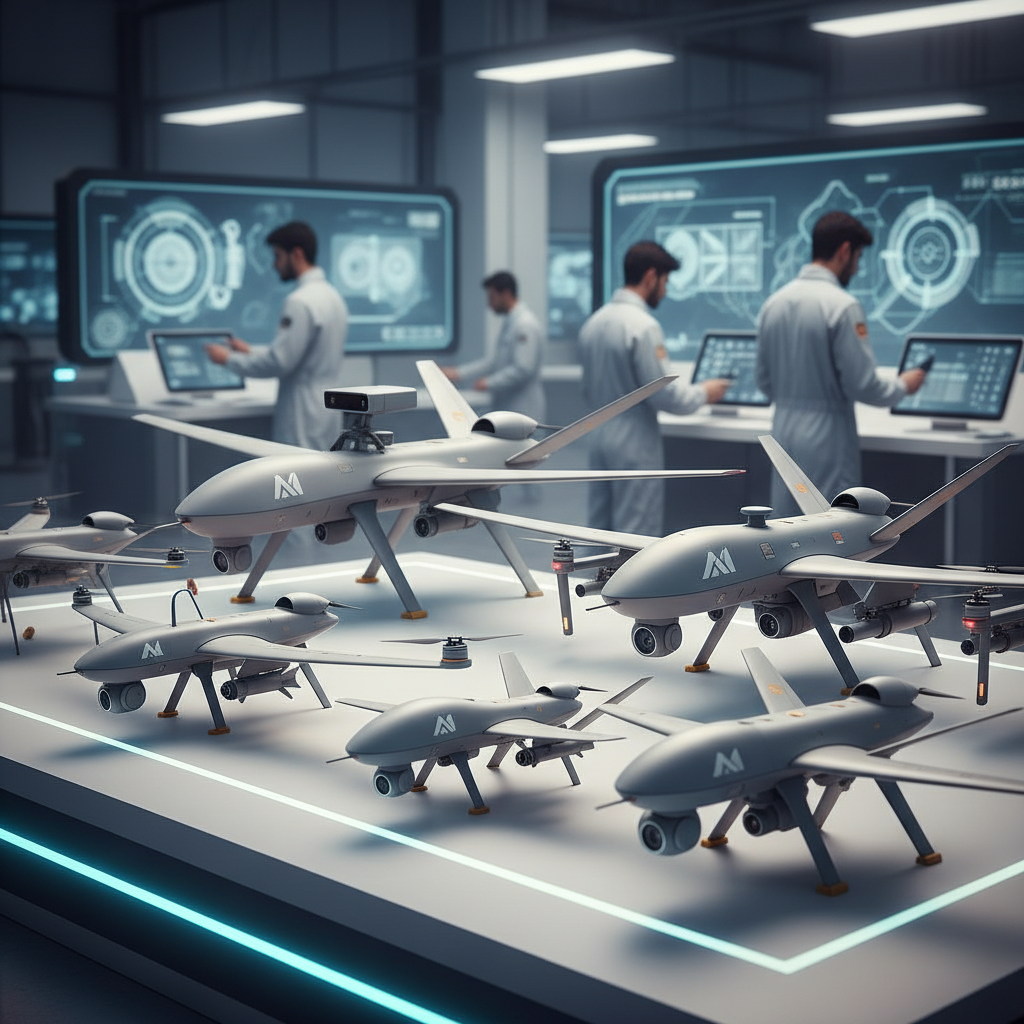
Northrop Grumman: A key player in the military drone sector, Northrop Grumman develops advanced UAVs (Unmanned Aerial Vehicles) for reconnaissance and combat missions. The company’s Global Hawk drone is renowned for its high-altitude, long-endurance capabilities, allowing for persistent surveillance and intelligence gathering. Additionally, the MQ-4C Triton, designed for maritime reconnaissance, showcases Northrop Grumman’s commitment to enhancing military operations through innovative drone technology. With an emphasis on stealth, durability, and advanced payload capabilities, Northrop Grumman continues to be a leader in defense drone manufacturing.
General Atomics: Known for its Predator and Reaper drone systems, General Atomics plays a crucial role in military aviation. The Predator drone, which has been operational since the late 1990s, has been pivotal in modern warfare, offering real-time surveillance and strike capabilities. The Reaper, an evolution of the Predator, is equipped with advanced sensors and weaponry, allowing for precision strikes in combat zones. General Atomics continues to develop next-generation UAVs, focusing on enhancing operational effectiveness while ensuring safety and reliability in military applications.
Specialized Drone Manufacturers
Skydio: Specializing in autonomous drones, Skydio has gained attention for its advanced AI technology, enabling its UAVs to navigate complex environments with minimal human intervention. The Skydio 2 drone, for instance, utilizes sophisticated obstacle avoidance systems, allowing it to autonomously follow subjects and capture high-quality video. This capability has made it popular among filmmakers, real estate professionals, and outdoor enthusiasts. Skydio’s commitment to making drone technology accessible and user-friendly positions it as a leader in the specialized drone market.
senseFly: A subsidiary of Parrot, senseFly focuses on drones designed for mapping and surveying in industrial contexts. Their eBee X drone, for example, provides high-accuracy aerial data collection and is widely used in agriculture, construction, and mining. With an emphasis on ease of use and efficiency, senseFly’s drones are equipped with various payload options, including RGB, multispectral, and thermal cameras, catering to diverse surveying needs. The growing demand for precision mapping solutions ensures that senseFly remains a key player in specialized drone applications.
Agricultural Drone Manufacturers
PrecisionHawk: Known for its innovative solutions in agricultural monitoring, PrecisionHawk offers drones that assist farmers in crop management and analysis. Their Lancaster drone, equipped with advanced sensors, allows for detailed aerial imaging and analytics, enabling farmers to assess crop health and optimize yields. By leveraging data analytics, PrecisionHawk helps farmers make informed decisions about irrigation, planting, and pest management, ultimately enhancing productivity and sustainability in agriculture.
AgEagle: Focusing on precision agriculture, AgEagle provides drones and software solutions tailored for crop health assessment. Their eBee drone platform is designed for efficiency and ease of use, enabling farmers to gather critical data quickly. By utilizing multispectral imaging, AgEagle’s drones help in identifying crop stress and disease, allowing for timely interventions. The company’s commitment to advancing agricultural technology positions it as a vital contributor to the evolving landscape of precision farming.
Emerging Drone Startups
Wing: A subsidiary of Alphabet (Google’s parent company), Wing is at the forefront of drone delivery services, aiming to revolutionize logistics. The company has developed a system for delivering packages via drones in urban areas, significantly reducing delivery times. With successful pilot programs in various locations, Wing is focused on refining its technology and expanding its operations, making it a promising player in the future of drone logistics.
Zipline: Known for its innovative approach to medical supply delivery, Zipline is transforming healthcare logistics in remote areas. The company uses drones to deliver blood, vaccines, and essential medical supplies, ensuring timely access to critical resources. Zipline’s operations in countries like Rwanda and Ghana have demonstrated the effectiveness of drone technology in addressing healthcare challenges, making it a pioneer in the intersection of technology and social impact.
Global Drone Manufacturing Trends
The drone manufacturing industry is experiencing a surge in demand across various sectors, including delivery, agriculture, and surveillance. This increase is driven by advancements in technology, such as improved battery life, enhanced AI capabilities, and the integration of IoT (Internet of Things) features into drone systems. Furthermore, regulatory developments are shaping the market, with governments around the world establishing guidelines and frameworks to facilitate safe drone operations. As industries recognize the potential benefits of drone technology, investment in R&D is on the rise, resulting in a more competitive landscape.
Future Outlook of Drone Manufacturing
The future of drone manufacturing appears promising, with advancements in battery technology and AI driving innovation. Improved battery life will enhance flight duration, while AI-driven systems will enable drones to perform complex tasks autonomously, opening new avenues for applications in various sectors. Additionally, the potential for wider adoption in urban environments, particularly for delivery services and emergency response, indicates a transformative future for drone technology. As regulatory frameworks evolve, the integration of drones into everyday life is likely to accelerate, making them an indispensable tool across multiple industries.
In conclusion, the drone manufacturing industry is vast and diverse, with many companies specializing in various applications. Major players like DJI and Northrop Grumman set the standard in commercial and military sectors, while specialized manufacturers like Skydio and PrecisionHawk cater to niche markets. Emerging startups, such as Wing and Zipline, are redefining logistics and healthcare delivery through innovative drone solutions. As technology continues to evolve, these manufacturers will play a crucial role in shaping how drones are integrated into daily life and various industries. For more information on specific manufacturers and their products, consider exploring their official websites and product offerings.
Frequently Asked Questions
What are the leading companies that manufacture drones?
Some of the leading companies that manufacture drones include DJI, which is known for its consumer and professional aerial photography drones, and Parrot, recognized for its innovative agricultural and commercial drones. Other notable manufacturers include Autel Robotics, known for its high-performance drones, and Yuneec, which offers a range of drones for personal and commercial use. Each of these companies has carved out a niche in the drone market, catering to various applications from aerial photography to agriculture.
How do I choose the best drone manufacturer for my needs?
To choose the best drone manufacturer, consider your specific use case, such as recreational flying, photography, or commercial applications. Research the manufacturer’s reputation for quality, customer service, and warranty offerings. Additionally, look at user reviews and comparisons to determine which brands have the best technology, flight stability, and features that align with your requirements.
Why do some drone manufacturers focus on consumer drones while others specialize in commercial applications?
The focus of drone manufacturers on either consumer or commercial applications often stems from market demand and technological capability. Consumer drone manufacturers, like DJI, target hobbyists and photographers, emphasizing ease of use and affordability. In contrast, companies like senseFly or PrecisionHawk concentrate on commercial applications to meet the needs of industries such as agriculture, surveying, and infrastructure, where advanced features, durability, and regulatory compliance are crucial.
Which drone manufacturers offer the best customer support and warranty?
When assessing customer support and warranty among drone manufacturers, DJI and Yuneec are often highlighted for their responsive service and comprehensive warranty policies. DJI provides a robust online support system and repair services, while Yuneec offers a solid warranty with options for extended coverage. It’s essential to check customer reviews regarding support experiences, as this can significantly impact your overall satisfaction with the drone purchase.
What should I know about the safety and regulations related to drone manufacturers?
Understanding safety and regulations is crucial when purchasing a drone. Most reputable drone manufacturers, like DJI and Parrot, comply with FAA regulations and provide guidelines for safe operation. New users should familiarize themselves with local laws regarding drone flight, including registration requirements and no-fly zones. Additionally, manufacturers often include safety features such as geofencing and obstacle avoidance to promote safe flying practices.
References
- https://en.wikipedia.org/wiki/Drone_industry
- https://www.aviationtoday.com/2021/05/13/top-drone-manufacturers-2021/
- https://www.reuters.com/business/aerospace-defense/10-largest-drone-manufacturers-world-2022-10-15/
- https://www.bbc.com/news/technology-45358966
- https://www.nasa.gov/mission_pages/technology/drones.html
- https://www.faa.gov/uas/
- https://www.cnbc.com/2021/02/23/top-drone-manufacturers-in-the-world.html
- https://www.theguardian.com/technology/2021/mar/05/what-are-drones-and-how-do-they-work
- https://www.techrepublic.com/article/drones-in-industry-how-the-technology-is-changing-manufacturing/
