
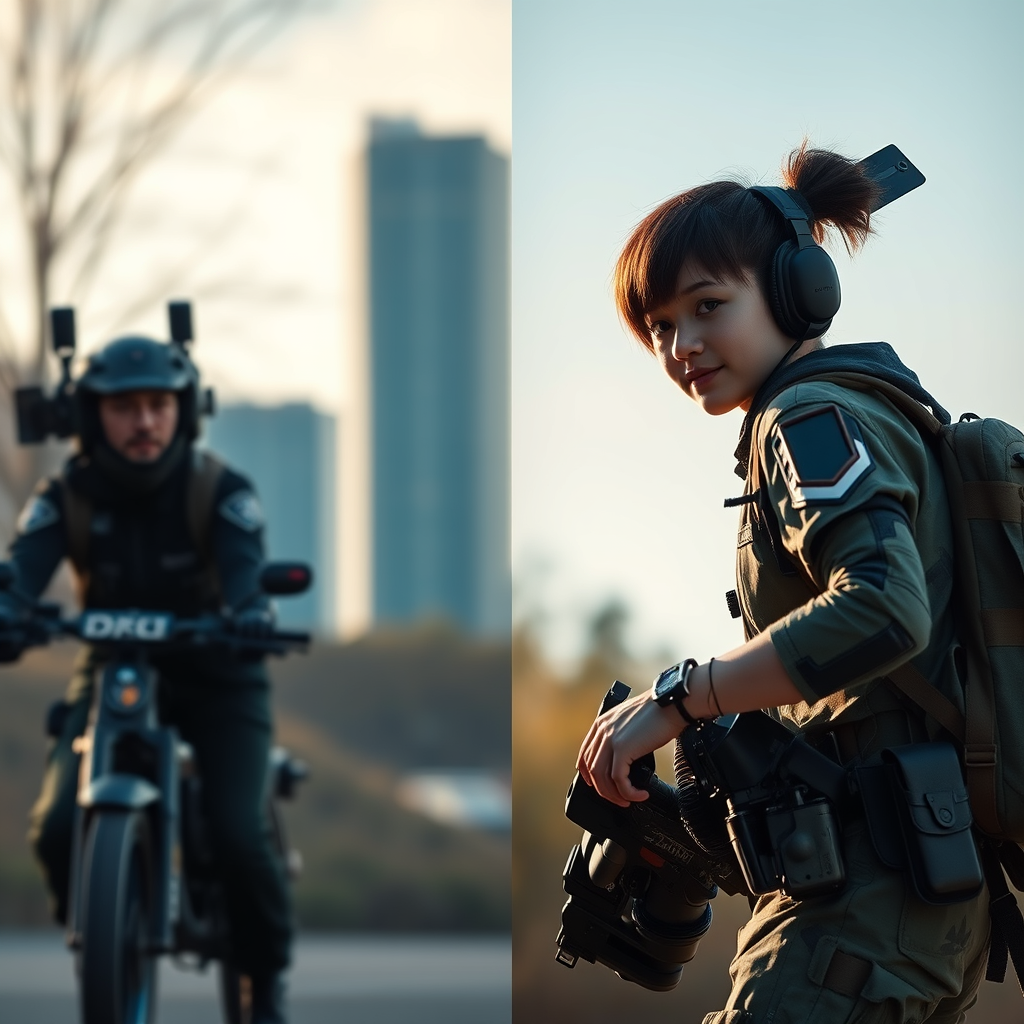
The Coretronic D22 and Anzu Raptor V are two formidable contenders in the NDAA (National Defense Authorization Act) market, each designed for specific operational needs. The D22, optimized for a 5km range, emphasizes reliability and efficiency, while the Raptor V extends its capabilities to 7km, showcasing enhanced versatility and advanced technology. Understanding the key differences, advantages, and applications of both systems is essential for determining which one aligns best with your operational requirements.
Overview of Coretronic D22
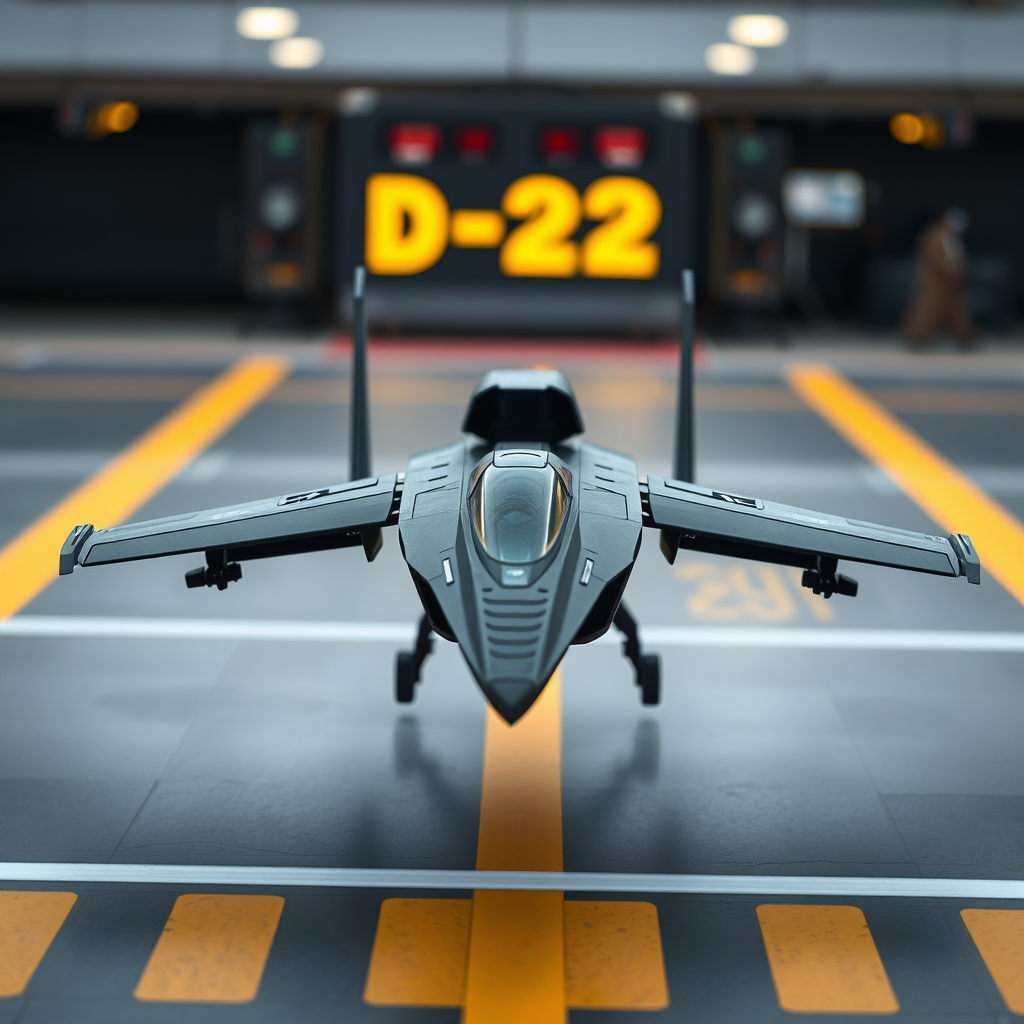
The Coretronic D22 is a sophisticated imaging system tailored for a 5km operational range. This system is engineered with a focus on reliability and efficiency, making it an ideal choice for organizations that prioritize consistent performance in close-range operations. The D22 boasts advanced imaging technology that significantly enhances target acquisition capabilities. Its high-resolution optics and low-light performance allow for precise identification of targets even in challenging environments. Additionally, the D22 features robust connectivity options, ensuring seamless integration with existing command and control systems, which is crucial for real-time data sharing and operational coordination.
The design philosophy behind the D22 is rooted in user-friendliness and operational efficiency. Its intuitive interface allows personnel to quickly adapt and utilize the system effectively without extensive training. This focus on design also extends to its rugged build, which ensures durability in harsh conditions, making it suitable for military and surveillance applications alike.
Overview of Anzu Raptor V
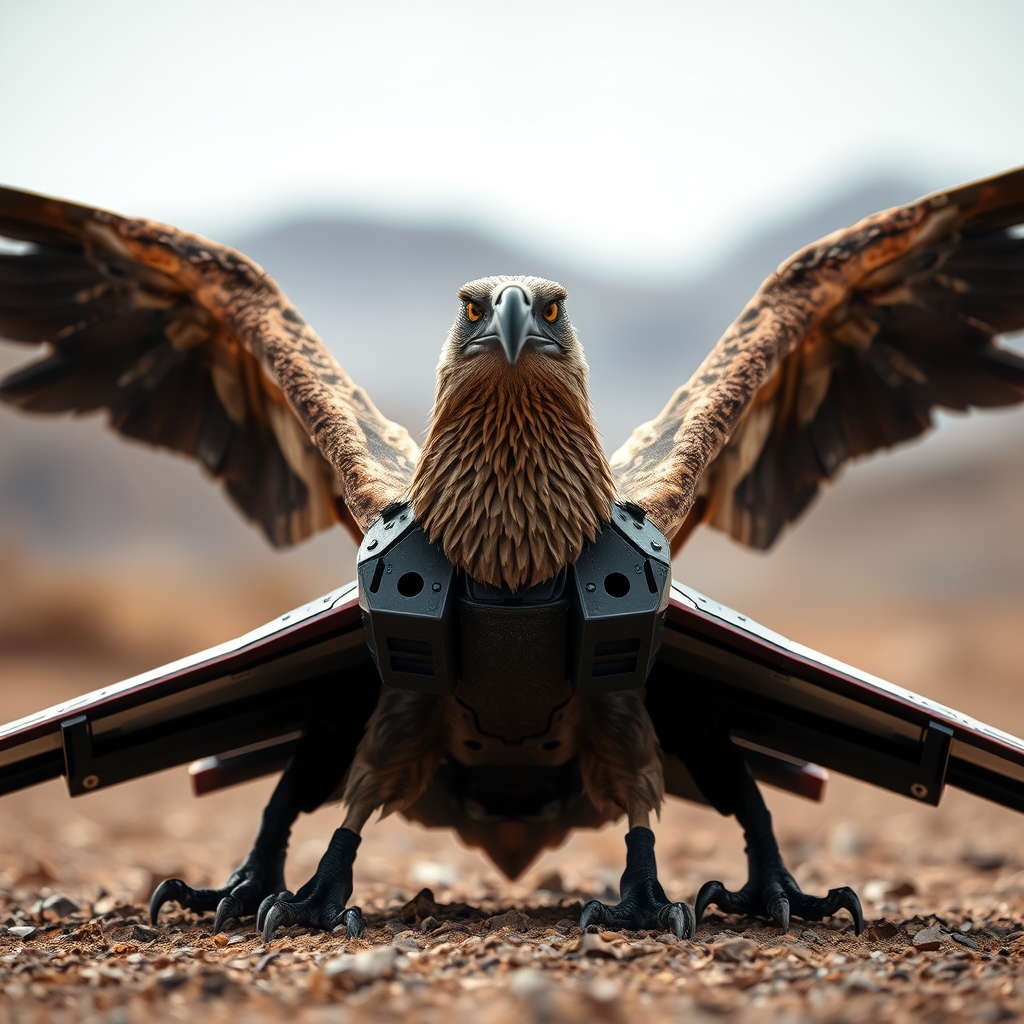
In contrast, the Anzu Raptor V is built for extended reach, offering a formidable 7km operational range. This system emphasizes versatility and adaptability, making it an attractive option for organizations that require comprehensive surveillance over larger areas. The Raptor V integrates cutting-edge sensors and advanced data processing capabilities, allowing it to collect and analyze vast amounts of data in real-time. This functionality is pivotal for applications in intelligence gathering, reconnaissance, and border security.
The Raptor V also employs innovative imaging technologies, including multi-spectral sensors that enhance its ability to operate in varied environmental conditions, from bright sunlight to complete darkness. Its advanced machine learning algorithms improve target recognition, significantly reducing the time needed for analysis and decision-making. This system not only meets the needs of military applications but also serves well in civil security and critical infrastructure protection.
Comparison of Performance Metrics
When evaluating the performance metrics of both systems, several factors come into play, including accuracy, response time, and operational costs. The Coretronic D22, with its reliable 5km range, excels in accuracy and response time for close-quarters engagements. Its imaging technology provides clear visuals that facilitate rapid identification and tracking of targets. However, while the D22 can operate effectively within its range, it may not perform as efficiently in scenarios requiring extended surveillance.
On the other hand, the Anzu Raptor V, with its longer 7km range, presents unique advantages in terms of broader coverage and strategic reconnaissance. Its ability to gather data from a distance allows for proactive threat identification, which is invaluable in military and surveillance operations. However, the extended reach comes with increased complexity and potential operational costs, particularly regarding the need for more extensive training and maintenance.
Moreover, organizations must also consider the context of deployment. For missions that prioritize immediate response and tactical engagements, the D22 may prove more beneficial. Conversely, for operations necessitating extensive area coverage and situational awareness, the Raptor V presents a compelling choice.
Technology and Innovation
Technological advancements are at the core of both the Coretronic D22 and Anzu Raptor V, yet they manifest differently in each system. The D22 integrates AI-driven features that enhance its imaging capabilities, enabling better target differentiation and reduced false positives. Its user interface is designed with machine learning algorithms that adapt and improve performance based on operational feedback, ensuring continuous optimization.
In contrast, the Anzu Raptor V harnesses a more extensive array of sensors and data analytics tools. Its machine learning capabilities extend beyond imaging, incorporating predictive analytics that allow operators to anticipate potential threats based on historical data trends. This proactive approach is particularly advantageous for military and border security applications, where timely intelligence can significantly impact operational outcomes.
Additionally, the Raptor V’s integration of cloud-based processing allows for real-time data sharing across platforms, enhancing collaboration among different units. This level of connectivity is crucial in modern warfare and surveillance, where information flow can dictate the success of missions.
Use Cases and Applications
The specific sectors in which each system excels are critical to consider. The Coretronic D22 is highly suited for military operations where immediate target engagement is necessary, such as urban combat or special operations. Its reliability and ease of use make it an asset for ground troops who require precise imaging in dynamic environments.
Conversely, the Anzu Raptor V is ideal for applications requiring extensive surveillance, such as border patrol, critical infrastructure monitoring, and large-scale military operations. Its long-range capabilities and superior data processing lend themselves to scenarios where situational awareness over vast areas is paramount. For instance, in a border security operation, the Raptor V can monitor movements across wide stretches of terrain, allowing for timely responses to potential threats.
Both systems also find utility in civil applications, including law enforcement and disaster response, where the need for reliable imaging and real-time data analysis is essential.
Regulatory Considerations
NDAA compliance plays a significant role in the deployment and operational usage of both systems. The NDAA outlines specific requirements and restrictions regarding the procurement and use of defense-related technologies, particularly those that involve foreign entities. Understanding these regulations is vital for organizations to ensure compliance while maximizing the capabilities of their chosen systems.For instance, organizations considering the Coretronic D22 must evaluate its compliance with NDAA stipulations regarding technology sourcing and operational deployment. Similarly, the Anzu Raptor V’s advanced features may be subject to scrutiny under NDAA guidelines, particularly if they involve international data sharing or foreign partnerships. Ensuring adherence to these regulations not only mitigates legal risks but also reinforces the integrity of operational practices.
User Feedback and Reviews
Feedback from users and industry experts provides valuable insights into the strengths and weaknesses of both systems. Users of the Coretronic D22 often highlight its reliability and ease of use, especially in high-pressure situations where rapid decision-making is crucial. Testimonials frequently underscore its effectiveness in urban environments, where close-range engagements are common.
Conversely, the Anzu Raptor V receives praise for its extensive range and advanced data processing capabilities. Users appreciate its ability to provide actionable intelligence over long distances, which has proven beneficial in military and surveillance contexts. However, some feedback indicates that the complexity of the system requires additional training for operators, which could affect deployment timelines.
Industry experts also emphasize the importance of understanding the operational context when selecting between these systems. Both technologies have their unique advantages, and the ultimate choice should align with the specific needs of the mission at hand.
Summarizing the key differences between the Coretronic D22 and Anzu Raptor V reveals that choosing the right system depends significantly on your operational needs, whether prioritizing range or advanced capabilities. The D22 excels in reliability for close-range engagements, while the Raptor V offers extensive coverage and advanced data processing for broader applications. As you consider your specific application and regulatory requirements, it is essential to explore further resources and expert insights to determine the best fit for your operational needs.
Frequently Asked Questions
What are the key differences between the Coretronic D22 and Anzu Raptor V in terms of performance?
The Coretronic D22 and Anzu Raptor V both offer advanced features, but they differ mainly in their operational ranges and capabilities. The D22 operates effectively within a 5km range, making it suitable for various emerging applications, while the Anzu Raptor V boasts a longer operational range of 7km, which can be beneficial for scenarios requiring extended reach. Understanding these differences can help users choose the right model based on their specific needs.
How does the NDAA compliance affect the choice between the Coretronic D22 and Anzu Raptor V?
The NDAA compliance plays a crucial role in ensuring that the equipment meets specific security standards set by the U.S. government. The Anzu Raptor V is classified as an NDAA-compliant device, which can be a deciding factor for organizations that prioritize security and adherence to government regulations. On the other hand, while the Coretronic D22 may be suitable for various applications, it’s essential to check its compliance status for projects involving federal contracts.
Which model is better for military applications: Coretronic D22 or Anzu Raptor V?
For military applications, the Anzu Raptor V is often seen as the superior choice due to its longer operational range of 7km and NDAA compliance, which are critical for defense-related projects. These features enhance its utility in reconnaissance and surveillance missions where extended reach and security are paramount. However, the Coretronic D22 may still be an excellent option for less demanding military tasks or budget-conscious projects.
Why should I consider operational range when choosing between Coretronic D22 and Anzu Raptor V?
Operational range is a vital factor because it directly impacts the effectiveness of the device in real-world applications. The Anzu Raptor V’s 7km range allows for greater flexibility and positioning in various scenarios, especially in tactical operations where distance from the target can be crucial. Conversely, the Coretronic D22, with its 5km range, might suffice for shorter engagements or where the budget is a priority. Evaluating your specific needs will help determine which operational range is more suitable.
What are the emerging applications for the Coretronic D22 and Anzu Raptor V?
Both the Coretronic D22 and Anzu Raptor V are designed to cater to various emerging applications such as surveillance, reconnaissance, and remote monitoring. The D22 is well-suited for short-range deployments in urban environments, while the Anzu Raptor V’s extended range makes it ideal for rural or expansive operations where reaching distant targets is crucial. Understanding these applications can help users make informed decisions based on their operational requirements.
References
- https://www.wired.com/story/drone-safety-regulations-2023/
- https://www.reuters.com/technology/drone-market-2023-2023-01-15/
- https://www.bbc.com/news/technology-57431247
- https://www.nist.gov/news-events/news/2022/06/us-government-releases-new-guidelines-drone-safety
- Unmanned Aircraft Systems (UAS) | Federal Aviation Administration
- https://www.airforce-magazine.com/air-force-drone-operations/
- https://www.theguardian.com/us-news/2021/apr/16/us-drone-safety-regulations
- https://www.nasa.gov/aeroresearch/programs/uas
- https://www.techcrunch.com/2023/08/15/drone-advancements/
