

When comparing the Coretronic D22 and the Autel EVO II Dual 640T, the key difference lies in their operational range and thermal imaging capabilities. The Coretronic D22 is designed for short-range inspections with a 5km thermal imaging range, while the Autel EVO II Dual 640T offers a remarkable 12km range, making it suitable for extensive surveillance and search operations. This article will delve into the features, performance, and applications of both drones to help you make an informed decision based on your specific needs.
Overview of Coretronic D22
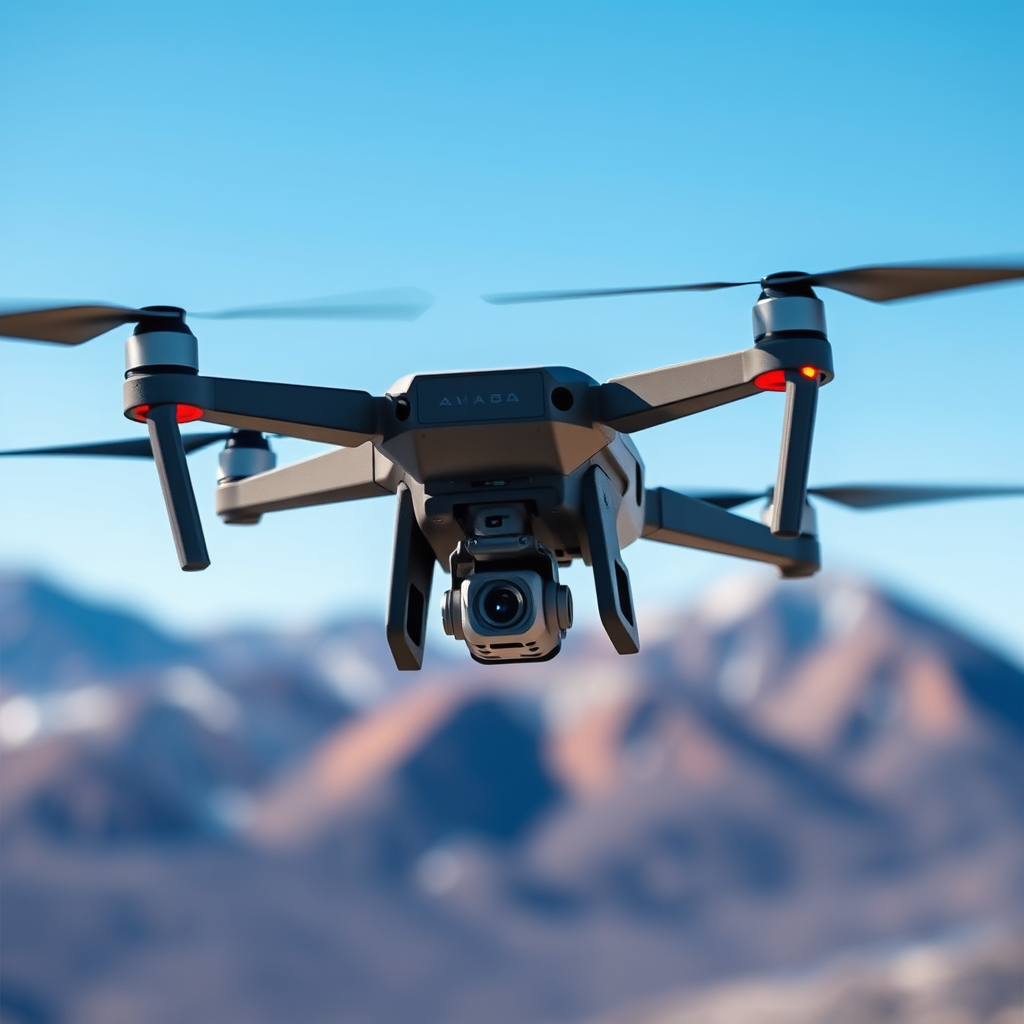
The Coretronic D22 is a compact and user-friendly thermal drone, emphasizing portability without sacrificing performance. Weighing less than many of its competitors, it is designed for ease of transport, making it an ideal choice for professionals who need to carry their equipment to various locations. The D22’s 5km thermal imaging range is suitable for close-range inspections, such as building assessments, electrical inspections, and roof evaluations. Its lightweight design and intuitive controls facilitate quick deployments, allowing users to capture high-quality thermal images and videos with minimal setup time. Additionally, the D22 employs advanced thermal sensors that deliver accurate temperature readings, making it a reliable tool for professionals in various industries.
Overview of Autel EVO II Dual 640T
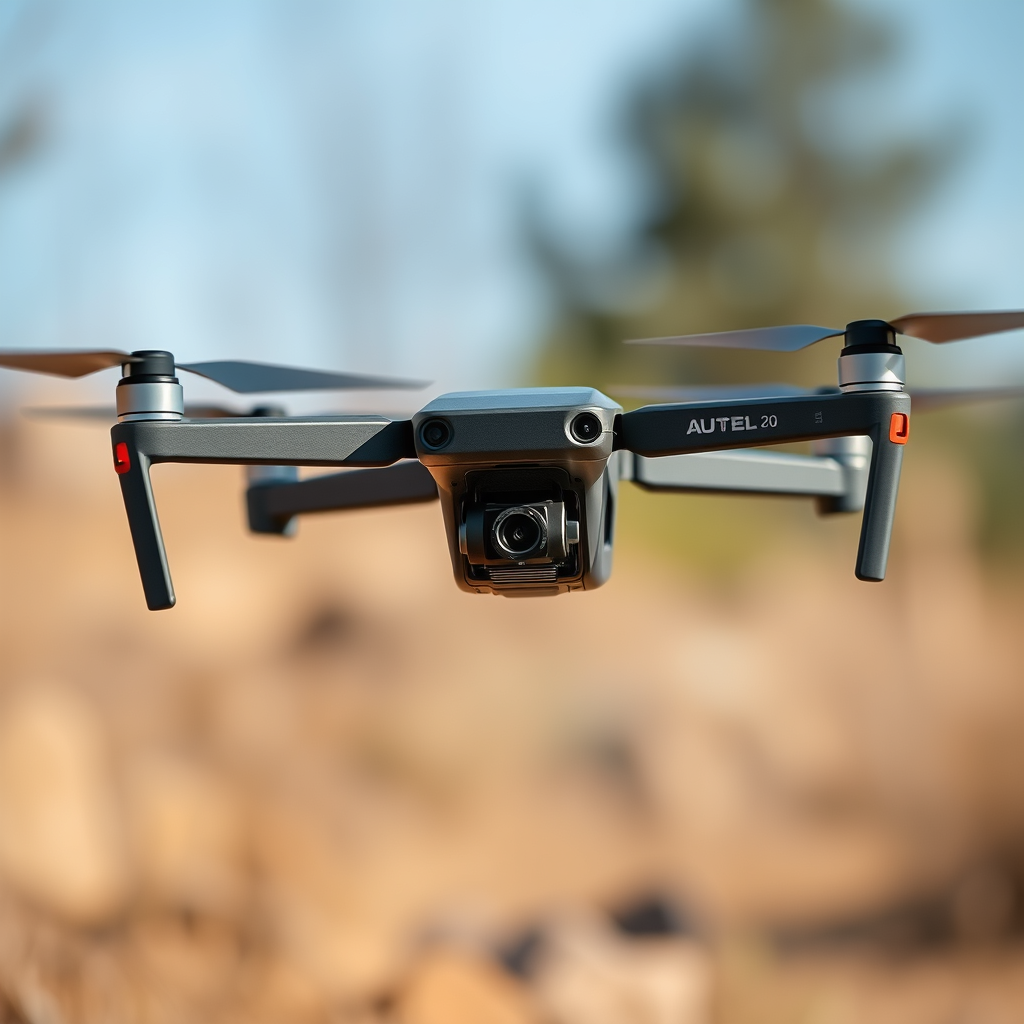
In contrast, the Autel EVO II Dual 640T stands out with its advanced thermal imaging capabilities and impressive range of 12km. This drone is equipped with a dual-camera system that includes a 640×512 thermal camera and a 48MP visual camera, enabling users to conduct detailed analyses in various environments. The extended range of the EVO II Dual 640T makes it particularly suited for larger area surveillance, search and rescue missions, and environmental monitoring. Its robust build quality and intelligent flight modes enhance usability, while advanced features such as obstacle avoidance and long battery life ensure safe and efficient operation over expansive geographical areas. The EVO II Dual 640T is designed for professionals who require detailed thermal data and high-resolution imagery to make informed decisions.
Performance Comparison
When comparing the flight stability and battery life of the Coretronic D22 and the Autel EVO II Dual 640T, both drones exhibit commendable performance, albeit in different contexts. The Coretronic D22, with its lightweight construction and nimble controls, offers excellent stability during indoor and close-range operations. It boasts a flight time of approximately 30 minutes under optimal conditions, allowing for thorough inspections without frequent recharging.
On the other hand, the Autel EVO II Dual 640T excels in outdoor environments, where its powerful motors and advanced flight technology provide exceptional stability, even in windy conditions. With a flight time of up to 40 minutes, this drone gives operators the flexibility to cover more ground without interruptions. In terms of thermal imaging quality, the EVO II Dual 640T delivers superior resolution and responsiveness, allowing for precise temperature measurements and detailed imagery in various lighting conditions. The Coretronic D22, while effective, may not match the clarity and detail provided by the EVO II Dual 640T, especially for more extensive applications.
Use Cases for Coretronic D22
The Coretronic D22 is particularly well-suited for short-range applications where detailed inspections are necessary. Its compact design makes it ideal for indoor inspections, such as HVAC system evaluations, electrical assessments, and building diagnostics. It can efficiently help identify heat leaks, moisture buildup, and electrical faults, providing invaluable data for maintenance professionals and building inspectors.
Furthermore, the D22 is a vital tool for first responders in local emergency situations. Whether it is conducting search and rescue operations in confined spaces or assessing fire damage, the drone’s thermal imaging capabilities allow for quick assessments that can save lives. Its user-friendly interface also enables rapid deployment, making it a reliable choice for urgent situations.
Use Cases for Autel EVO II Dual 640T
The Autel EVO II Dual 640T is best suited for scenarios requiring extensive data collection across large areas. Its long-range capabilities make it an excellent option for outdoor surveillance, where security personnel can monitor vast properties or infrastructure from a safe distance. The high-resolution thermal and visual cameras allow for comprehensive situational awareness, essential for security assessments and wildlife monitoring.
In search and rescue operations, the EVO II Dual 640T can cover significant distances quickly, providing thermal imagery that can help locate missing persons or assess disaster-affected areas. Additionally, environmental monitoring tasks, such as assessing agricultural health or tracking wildlife, benefit from the drone’s ability to capture detailed thermal data over expansive geographical areas. These use cases highlight the versatility and capability of the EVO II Dual 640T in various professional settings.
Cost Analysis
When considering the cost of the Coretronic D22 versus the Autel EVO II Dual 640T, it is essential to evaluate both the initial purchase price and the potential return on investment based on your specific applications. The Coretronic D22 is generally more budget-friendly, making it an attractive option for small businesses or individuals who require a reliable thermal drone for local inspections without the need for extensive range capabilities.
Conversely, the Autel EVO II Dual 640T commands a higher price point, reflecting its advanced features and longer operational range. While the initial investment is significant, the potential for increased operational efficiency and expanded use cases can justify the cost for larger organizations or agencies requiring comprehensive thermal imaging solutions. Additionally, both drones may incur additional costs for accessories, such as extra batteries, carrying cases, and maintenance, which should be factored into your overall budget.
User Feedback and Reviews
User feedback for the Coretronic D22 emphasizes its portability and ease of use, making it a favorite among inspectors and emergency responders. Customers appreciate its straightforward controls and the ability to quickly gather thermal data. However, some users have noted that the 5km range may limit its effectiveness for larger projects.
In contrast, the Autel EVO II Dual 640T has received praise for its superior imaging quality and extended range. Users highlight its robustness and reliability in various environmental conditions, making it a trusted tool for outdoor operations. However, some reviewers have mentioned the higher price point as a consideration, particularly for those whose needs may not justify such an investment.
Expert opinions often align with user experiences, recognizing the Coretronic D22 as an excellent choice for short-range applications while recommending the Autel EVO II Dual 640T for those requiring advanced thermal imaging capabilities and longer operational range.
The Coretronic D22 and Autel EVO II Dual 640T each have unique strengths that cater to different user needs. If you require a drone for short-range, detailed inspections, the D22 may be your best choice. However, if your focus is on long-range operations and versatile applications, the EVO II Dual 640T could be the right fit. Assess your requirements carefully, and choose the drone that aligns with your operational goals.
Frequently Asked Questions
What are the key differences between the Coretronic D22 and the Autel EVO II Dual 640T?
The Coretronic D22 is primarily designed for specific industrial applications, focusing on high-resolution thermal imaging, while the Autel EVO II Dual 640T offers a more versatile platform with dual-camera capabilities, including thermal and 4K video. Additionally, the range of the Autel EVO II Dual is typically longer, which can be advantageous in expansive surveying or monitoring tasks.
How does the thermal imaging capability of the Coretronic D22 compare to that of the Autel EVO II Dual 640T?
The Coretronic D22 features advanced thermal imaging technology, providing high sensitivity and detailed thermal data, making it ideal for critical infrastructure inspections. In contrast, the Autel EVO II Dual 640T also offers quality thermal imaging but is designed for a broader range of applications, including search and rescue, thanks to its dual imaging capabilities that combine thermal and visual data.
Why should I consider the 5km range of the Coretronic D22 vs. the 12km range of the Autel EVO II Dual 640T?
The choice between the 5km range of the Coretronic D22 and the 12km range of the Autel EVO II Dual 640T largely depends on your specific operational needs. If you require extensive coverage for tasks like environmental monitoring or search and rescue, the longer range of the Autel EVO II Dual could be more beneficial. However, for focused inspections or localized assessments, the Coretronic D22 may suffice.
Which drone is better for industrial inspections: Coretronic D22 or Autel EVO II Dual 640T?
For industrial inspections, the Coretronic D22 is often preferred due to its specialized thermal imaging capabilities and robustness tailored for infrastructure evaluation. However, if versatility and the ability to capture both thermal and high-definition visuals are important for your inspections, the Autel EVO II Dual 640T may be the better choice as it offers a dual-camera system for comprehensive assessments.
What should I consider when choosing between the Coretronic D22 and the Autel EVO II Dual 640T for my specific needs?
When choosing between the Coretronic D22 and the Autel EVO II Dual 640T, consider factors such as your operational range requirements, the types of inspections or monitoring you’ll conduct, and the importance of dual-camera functionality. Additionally, evaluate the ease of use, available software integrations, and support for data analysis to ensure that the drone you select aligns with your workflow and project goals.
References
- https://www.wired.com/story/what-is-thermal-imaging-technology/
- https://www.sciencedirect.com/topics/engineering/thermal-imaging
- https://www.nist.gov/news-events/news/2020/10/thermal-imaging-technology-using-heat-vision-aid-safety
- | Military.com
- https://www.nasa.gov/feature/thermal-imaging-sensor-technology
- https://www.dhs.gov/science-and-technology/thermal-imaging-technology
- https://www.smithsonianmag.com/innovation/what-is-thermal-imaging-180971420/
