
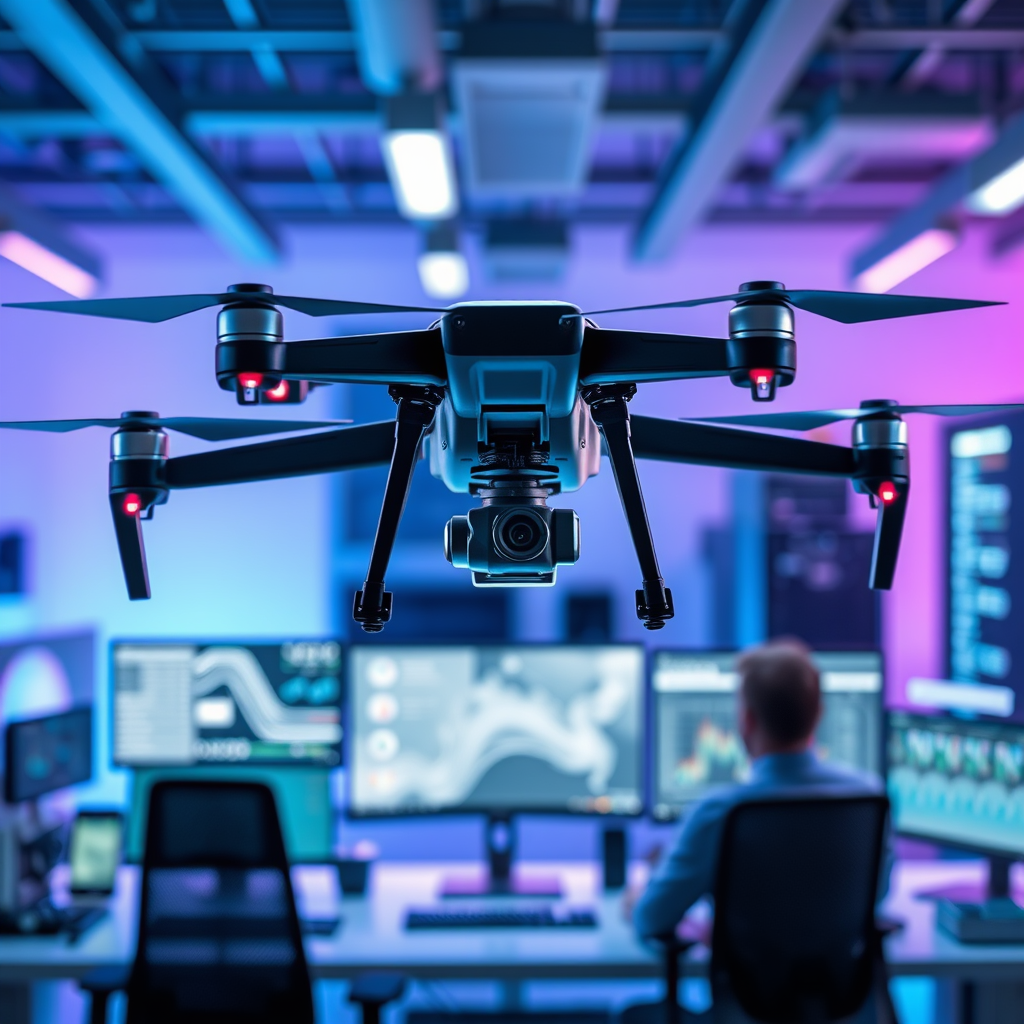
In the competitive arena of agricultural drones, the Delair UX11 AG and the Anzu Raptor T present distinct advantages tailored to different operational needs. The Delair UX11 AG, with its 5km radio range, is well-suited for precision agriculture, making it ideal for smaller farms or specific crop monitoring tasks. In contrast, the Anzu Raptor T, boasting a 7km NDAA-compliant range, caters to larger-scale agricultural operations requiring extensive coverage and advanced imaging capabilities. This article will explore the specifications, benefits, and optimal use cases for each drone, providing clarity for farmers and agricultural professionals to determine which is best suited for their needs.
Overview of Delair UX11 AG

The Delair UX11 AG is engineered specifically for precision agriculture, focusing on efficient data collection and analysis. This drone features a 5km radio range, making it particularly suitable for smaller farms or targeted crop monitoring efforts. It supports a range of sensors, including multispectral and thermal cameras, which enable farmers to conduct detailed aerial mapping and analysis of crop health. The drone’s design emphasizes ease of use, allowing operators to gather actionable insights with minimal training. Additionally, its robust structure ensures durability, making it reliable for various agricultural environments. The Delair UX11 AG is designed to seamlessly integrate with existing agricultural management systems, enhancing its utility in data-driven farming.
Overview of Anzu Raptor T
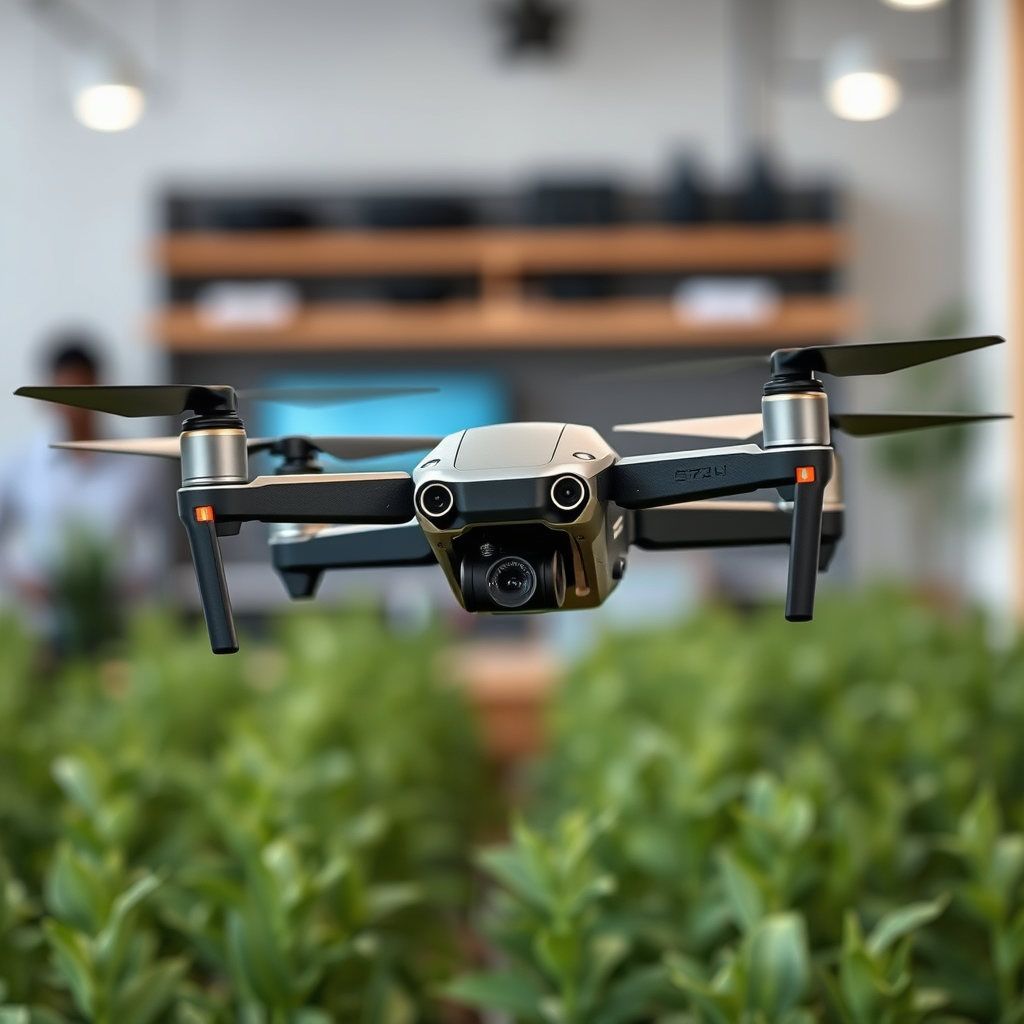
The Anzu Raptor T is built for extensive agricultural applications, featuring a remarkable 7km NDAA-compliant radio range that caters to the needs of larger farms. This drone excels in long-range operations, allowing farmers to cover vast areas in a single flight, which can significantly reduce the time and number of flights required for comprehensive mapping and monitoring. Equipped with cutting-edge imaging technology, the Anzu Raptor T captures high-resolution data, providing farmers with precise insights into crop health and field conditions. Its advanced processing capabilities ensure that the data collected is not only accurate but also actionable, enabling farmers to make informed decisions regarding their agricultural practices. Furthermore, its compliance with NDAA standards positions it as a reliable choice for federal contracts and sensitive agricultural environments.
Comparison of Radio Ranges
When comparing the radio ranges of the Delair UX11 AG and the Anzu Raptor T, it becomes clear how these differences can impact operational efficiency. The Delair UX11 AG’s 5km range is sufficient for focused operations on smaller plots, allowing farmers to conduct meticulous monitoring of specific areas without the need for extensive flight plans. However, the Anzu Raptor T’s 7km range provides broader coverage, making it advantageous for large-scale operations. This extended range means that farmers can map more land in a single flight, reducing the total number of flights required for comprehensive data collection. The implications of radio range extend beyond mere convenience; they directly affect operational efficiency and data accuracy. With fewer flights needed, the Anzu Raptor T can minimize disruptions to farming activities while maximizing the quality of data obtained.
NDAA Compliance Explained
NDAA compliance refers to adherence to the National Defense Authorization Act, which sets specific standards for technology and equipment, particularly in relation to national security. In the context of agricultural drones, NDAA compliance is crucial for operations that may involve federal contracts or sensitive data environments. The Anzu Raptor T meets these standards, ensuring that it is suitable for use in scenarios where security and reliability are paramount. This compliance provides peace of mind for agricultural professionals operating in sensitive environments, as they can trust that their equipment adheres to stringent governmental guidelines. For agricultural operations seeking to engage in federal contracts or requiring heightened security measures, choosing an NDAA-compliant drone like the Anzu Raptor T is essential.
Use Cases for Each Drone
The specific use cases for the Delair UX11 AG and Anzu Raptor T highlight their unique strengths. The Delair UX11 AG is particularly suited for precision tasks such as detailed crop health monitoring, soil analysis, and targeted mapping of smaller areas. Its ability to support various sensors allows for in-depth analysis, making it an ideal choice for farmers looking to optimize yields on specific sections of land. Conversely, the Anzu Raptor T shines in large-scale operations, where comprehensive survey flights across expansive fields are necessary. Its longer range and advanced imaging capabilities make it perfect for large farms that require regular monitoring of vast areas. For instance, a farmer managing hundreds of acres may find the Anzu Raptor T invaluable for efficiently assessing crop conditions across their entire operation, while a smaller farm focusing on niche crops may benefit more from the precision features of the Delair UX11 AG.
Cost Considerations
When evaluating the cost of both drones, it is essential to consider the price points in relation to their capabilities and the potential return on investment. The Delair UX11 AG typically comes with a lower initial cost, making it an attractive option for smaller farms or those new to drone technology. However, operational costs, including maintenance and software subscriptions, should also be factored into the overall investment. Conversely, while the Anzu Raptor T may have a higher upfront cost, its extensive capabilities can lead to significant savings in time and labor, ultimately enhancing productivity and profitability for larger farming operations. Additionally, farmers should explore potential funding options or grants available for agricultural technology investments, as these can help offset initial costs and encourage the adoption of innovative solutions.
User Feedback and Reviews
User feedback for the Delair UX11 AG and Anzu Raptor T provides valuable insights into their performance and reliability. Many users of the Delair UX11 AG praise its ease of use and the quality of data collected, noting that it allows for quick decision-making based on accurate crop health assessment. However, some users have reported limitations in range and coverage when compared to larger operations. On the other hand, the Anzu Raptor T receives accolades for its long-range capabilities and high-resolution data capture. Users appreciate its reliability in extensive agricultural settings, although some have mentioned a steeper learning curve due to its advanced features. Expert opinions often highlight the long-term reliability of both drones, emphasizing that while the Delair UX11 AG is excellent for precision tasks, the Anzu Raptor T is preferable for those managing larger agricultural operations that demand efficiency and comprehensive data collection.
Summarizing the key features and capabilities of the Delair UX11 AG and Anzu Raptor T provides clarity for farmers and agricultural professionals. While the Delair UX11 AG is perfect for smaller, precision-focused tasks, the Anzu Raptor T stands out for larger operations needing extensive coverage. Consider your specific agricultural needs and budget to make an informed choice, and explore further resources to assist in your purchase decision. Ultimately, both drones represent significant advancements in agricultural technology, enabling farmers to harness the power of aerial data to enhance productivity and optimize their farming practices.
Frequently Asked Questions
What are the key differences between the Delair UX11 AG and the Anzu Raptor T in terms of range and capabilities?
The Delair UX11 AG boasts a 5km radio range and is well-known for its robust data collection capabilities tailored for agriculture. In contrast, the Anzu Raptor T offers an extended 7km range and is designed to meet NDAA compliance, which is crucial for government and military applications. Both drones excel in aerial imaging and mapping, but the choice between them largely depends on specific operational needs, such as range and data requirements.
How does NDAA compliance affect the choice between the Delair UX11 AG and the Anzu Raptor T?
NDAA compliance is essential for organizations that must adhere to U.S. government regulations regarding the use of foreign-made technology. The Anzu Raptor T is specifically designed to meet NDAA standards, making it a more suitable choice for government entities and contractors. On the other hand, the Delair UX11 AG may not meet these compliance requirements, which could limit its use in sensitive projects.
Why is range an important consideration when selecting between the Delair UX11 AG and the Anzu Raptor T?
Range is a critical factor because it dictates how far the drone can operate from its control station while maintaining communication and data transfer. For applications requiring extensive coverage, such as large agricultural fields or infrastructure inspections, the longer 7km range of the Anzu Raptor T can be more advantageous. Conversely, the 5km range of the Delair UX11 AG may suffice for smaller operations but could pose limitations in extensive surveying tasks.
Which drone offers better data collection capabilities for agricultural applications, Delair UX11 AG or Anzu Raptor T?
The Delair UX11 AG is specifically engineered for agricultural data collection, featuring advanced sensors and software tailored for crop monitoring and analysis. It provides high-resolution imagery and detailed mapping capabilities, making it ideal for precision agriculture. While the Anzu Raptor T can also collect data, its primary focus is on compliance and military applications, which may not align as closely with agricultural needs.
What factors should I consider when deciding between the Delair UX11 AG and the Anzu Raptor T for my business needs?
When choosing between the Delair UX11 AG and the Anzu Raptor T, consider factors such as your operational range requirements, compliance needs, and the specific applications you intend to use the drone for. Evaluate the type of data you need to collect and whether you require advanced agricultural features. Additionally, factor in budget constraints and the potential for future scalability in your drone operations.
References
- Drone
- https://www.nist.gov/news-events/news/2021/07/nist-research-aims-improve-drone-safety-and-operations
- https://www.usda.gov/topics/farming/agricultural-drones
- Unmanned Aircraft Systems (UAS) | Federal Aviation Administration
- https://www.nass.usda.gov/Publications/AgCensus/2022/
- https://www.theguardian.com/environment/2021/may/10/drone-tech-farming-agriculture
- https://www.sciencedirect.com/science/article/pii/S2351978921001179
