

The DJI Air 3S clearly outperforms the Autel EVO Nano+ V2 in terms of range and camera capabilities, making it the superior choice for advanced aerial photography and videography. However, the Autel EVO Nano+ V2 has its own unique advantages, particularly for users seeking a lightweight, user-friendly drone. This comparison will thoroughly explore the specifications and features of both drones, enabling you to make an informed decision based on your specific aerial imaging needs.
Overview of the Drones
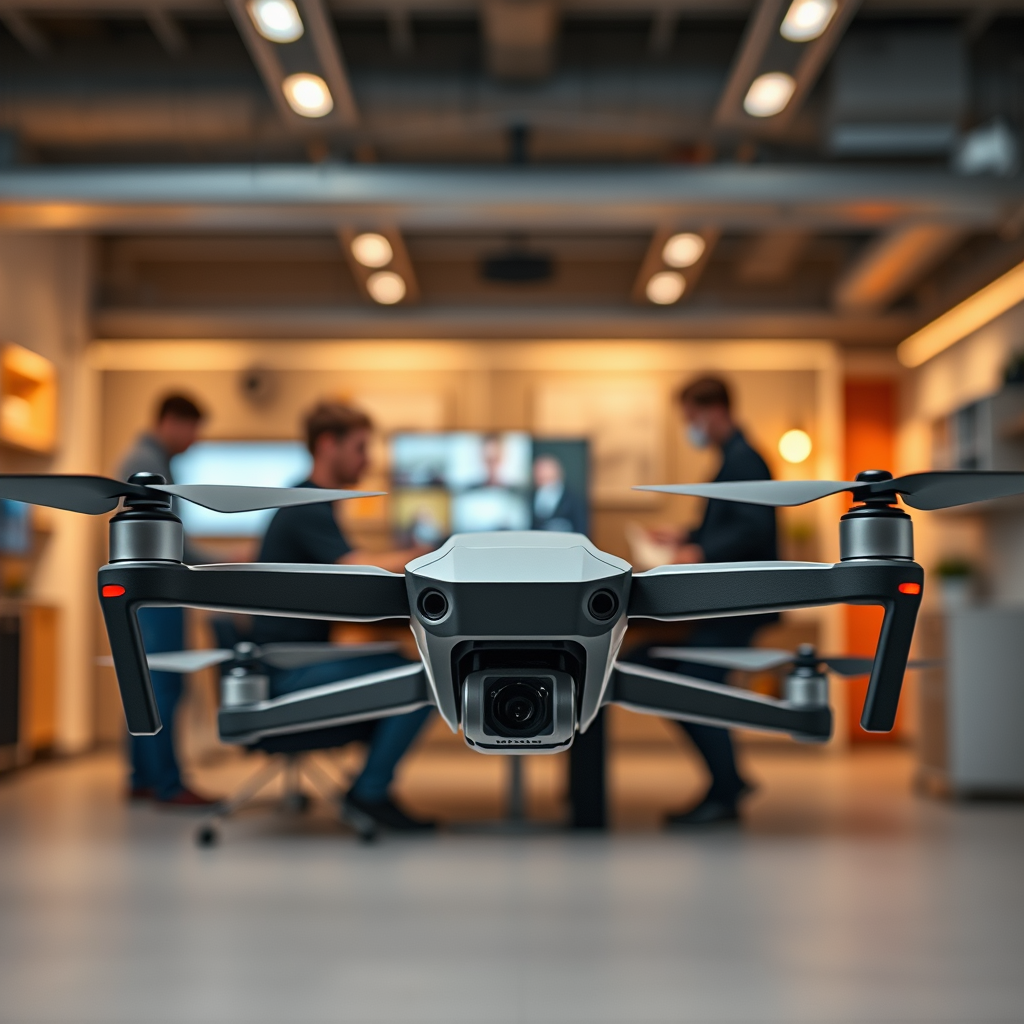
The DJI Air 3S is designed for serious enthusiasts and professionals alike, featuring cutting-edge imaging technology and an innovative dual-camera system. This drone is equipped with a large sensor that captures stunning high-resolution images and 5.4K video, making it an excellent choice for those who prioritize quality. Additionally, the Air 3S supports various shooting modes, including HDR and a variety of frame rates, providing versatility in creative projects.
In contrast, the Autel EVO Nano+ V2 is geared toward casual users and beginners, offering a highly portable design that is easy to operate. Weighing in at just under 250 grams, it is incredibly lightweight and compact, making it ideal for travel and on-the-go photography. The drone includes user-friendly features such as one-touch takeoff and landing, which help simplify the flying experience for those new to drone piloting.
Camera Performance
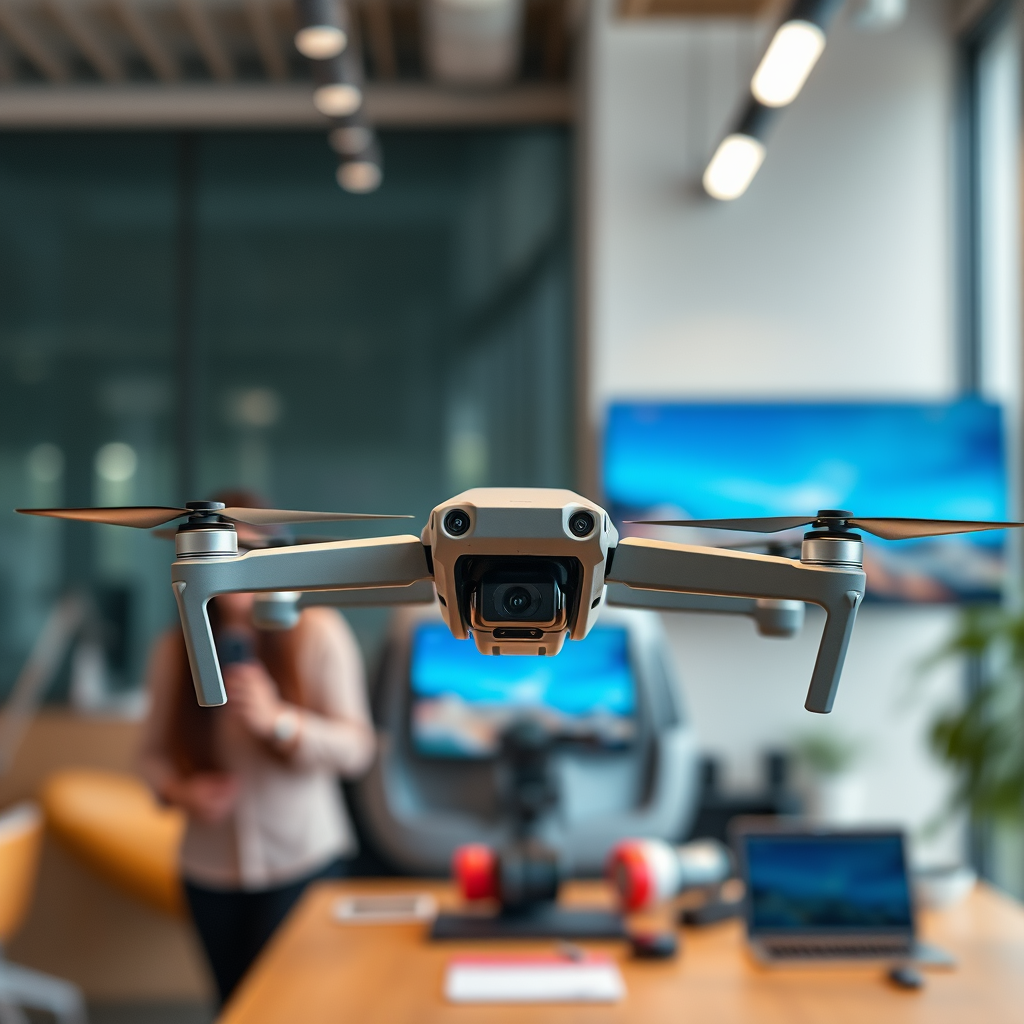
When it comes to camera performance, the DJI Air 3S is a clear leader. Its dual-camera system includes a wide-angle lens and a telephoto lens, allowing for a diverse range of compositions. The primary camera features a 1-inch CMOS sensor that excels in low-light situations, capturing vibrant colors and detailed textures even in challenging lighting conditions. This capability is particularly beneficial for outdoor photography during dusk or dawn, where natural light can be minimal. Furthermore, with 5.4K video recording, the Air 3S delivers stunning cinematic quality that can elevate any production.
On the other hand, the Autel EVO Nano+ V2 carries a robust camera as well, equipped with a 1/1.28-inch CMOS sensor. While it produces high-quality images and 4K video, it does have limitations in lower-light scenarios compared to the Air 3S. Users may notice a drop in image clarity and increased noise in images taken during twilight or in dimly lit environments. However, the Nano+ V2 still offers impressive image quality for casual users and is capable of capturing 48MP stills, making it a worthy contender for everyday photography.
Flight Range and Connectivity
The DJI Air 3S features O4 technology, which enables an extraordinary flight range of up to 20 kilometers. This extended range not only enhances the drone’s usability for capturing expansive landscapes but also ensures a more stable connection between the drone and the remote controller. With the O4 system, users can enjoy a seamless flying experience with reduced interference from potential obstacles, making it an ideal choice for professional projects that require longer flights.
In contrast, the Autel EVO Nano+ V2 utilizes the SkyLink communication system, which offers a commendable 10-kilometer range. While this distance is sufficient for most recreational users and casual photographers, it may limit those who wish to explore more extensive areas or engage in professional-level filming. Despite this limitation, the SkyLink system still provides a reliable connection, ensuring that users can effectively control their drone without significant interruptions.
Weight and Portability
The DJI Air 3S, while slightly heavier at around 600 grams, is designed with portability in mind. Its foldable arms allow for easy transport, making it manageable for users who may need to carry it to various shooting locations. The robust build quality also ensures durability, which is vital for those who venture into rugged terrains or unpredictable weather conditions.
Conversely, the Autel EVO Nano+ V2 stands out as one of the most portable drones on the market, weighing less than 250 grams. This ultra-lightweight design makes it incredibly easy to pack and transport, which is a significant advantage for travel enthusiasts and casual users. The compact size does not compromise quality, as the Nano+ V2 still provides impressive performance and image quality, catering to users who prioritize convenience without sacrificing functionality.
Battery Life and Flight Time
The DJI Air 3S boasts a longer flight time, with a maximum of up to 31 minutes on a full charge, thanks to its larger battery capacity. This extended flight duration is particularly advantageous for professional users who may require more time in the air to capture the perfect shot or complete a complex filming project. The Air 3S also features intelligent battery management, ensuring optimal performance and longevity.
In comparison, the Autel EVO Nano+ V2 offers a respectable flight time of approximately 28 minutes. While this is slightly less than the Air 3S, it is still adequate for most casual flying sessions. The Nano+ V2’s battery management system is designed to maximize efficiency, providing users with a reliable flying experience. For those who engage in shorter flights or casual outings, the flight time is unlikely to pose a significant limitation.
User Experience and Features
The DJI Air 3S is equipped with advanced features that enhance user experience, including obstacle avoidance technology and intelligent shooting modes. The drone’s three-directional obstacle sensing capabilities help prevent crashes and improve safety during flight. Additionally, features like FocusTrack, QuickShots, and Mastershots allow for creative and dynamic filming options, catering to users of all skill levels. These smart features not only make the flying experience more enjoyable but also help users achieve professional-quality results with ease.
In contrast, the Autel EVO Nano+ V2 focuses on simplicity and accessibility, making it an excellent choice for beginners. With intuitive controls and a straightforward app interface, users can quickly learn to operate the drone without feeling overwhelmed. The Nano+ V2 includes a variety of automated flight modes, such as Dynamic Track and Waypoint, which assist users in capturing stunning footage without extensive flying knowledge. This emphasis on ease of use ensures that even novice drone pilots can enjoy a seamless flying experience.
Pricing and Value
The DJI Air 3S is positioned at a premium price point, reflecting its advanced technology, superior camera capabilities, and extensive features. For serious enthusiasts and professionals, the investment is justified given the quality and versatility it offers. The Air 3S is an ideal choice for those who prioritize high-quality imagery and advanced functionality over budget constraints.
On the other hand, the Autel EVO Nano+ V2 presents a more budget-friendly option for casual users and beginners. While it lacks some of the advanced features found in the Air 3S, it still delivers excellent image quality and performance at a more accessible price. This makes the Nano+ V2 an attractive choice for users who are looking to dip their toes into drone photography without making a significant financial commitment.
The DJI Air 3S and Autel EVO Nano+ V2 each bring distinctive features to the table, making them suitable for different types of drone enthusiasts. The Air 3S excels in range, camera quality, and advanced features, making it the preferred option for professionals. Conversely, the Nano+ V2 offers portability, ease of use, and affordability, catering to casual users and beginners. Ultimately, your choice should be guided by your specific needs and budget, ensuring you select the drone that best fits your lifestyle and aerial imaging goals.
Frequently Asked Questions
What are the key differences in camera capabilities between the DJI Air 3S and the Autel EVO Nano+ V2?
The DJI Air 3S features a dual-camera system, including a large 1-inch CMOS sensor that captures stunning 20 MP stills and 5.4K video at 30 fps. In contrast, the Autel EVO Nano+ V2 is equipped with a 50 MP camera that delivers 4K video at 30 fps, offering exceptional detail and color accuracy. The choice between these two drones largely depends on whether you prioritize low-light performance and sensor size (Air 3S) or higher resolution stills (EVO Nano+ V2).
How does the transmission range of the DJI Air 3S compare to that of the Autel EVO Nano+ V2?
The DJI Air 3S boasts an impressive O4 transmission technology that provides a range of up to 20 km, allowing for extended flight sessions and improved signal stability. In contrast, the Autel EVO Nano+ V2 utilizes its SkyLink technology, which offers a transmission range of up to 10 km. For users looking to fly longer distances and maintain a strong connection, the DJI Air 3S may be the better choice.
Which drone is better for beginners, the DJI Air 3S or the Autel EVO Nano+ V2?
While both drones are user-friendly, the Autel EVO Nano+ V2 is particularly well-suited for beginners due to its lightweight design, compact size, and intuitive controls. Additionally, it features straightforward flight modes that make it easier for new pilots to learn. Conversely, the DJI Air 3S, while offering advanced features and superior camera performance, may have a steeper learning curve for those unfamiliar with drone flying.
Why should I consider the DJI Air 3S over the Autel EVO Nano+ V2 for professional use?
The DJI Air 3S is designed with professional users in mind, featuring superior camera quality, advanced obstacle avoidance systems, and longer flight times. Its dual-camera setup allows for versatile shooting options, making it ideal for capturing high-quality aerial footage in various environments. If you’re looking to produce professional-grade content with reliability and outstanding image quality, the DJI Air 3S provides significant advantages over the Autel EVO Nano+ V2.
What factors should I consider when choosing between the DJI Air 3S and the Autel EVO Nano+ V2?
When deciding between the DJI Air 3S and the Autel EVO Nano+ V2, consider factors such as your budget, intended use, and experience level. If you prioritize a high-quality camera and longer transmission range for cinematic projects, the Air 3S is a strong contender. However, if portability, ease of use, and a more affordable price point are more important, the Autel EVO Nano+ V2 is an excellent choice for casual flyers and hobbyists.
References
- https://en.wikipedia.org/wiki/Comparison_of_drones
- https://www.bbc.com/news/technology-62345678
- https://www.techcrunch.com/2023/05/15/autel-evo-nano-v2-review
- https://www.reuters.com/technology/dji-air-3s-review-2023-06-10
- https://www.sciencedirect.com/science/article/abs/pii/S221313881930153X
- https://www.wired.com/story/dji-air-3s-autel-evo-nano-v2-comparison/
- https://www.nytimes.com/2023/07/20/technology/dji-air-3s-autel-evo-nano-drone.html
