
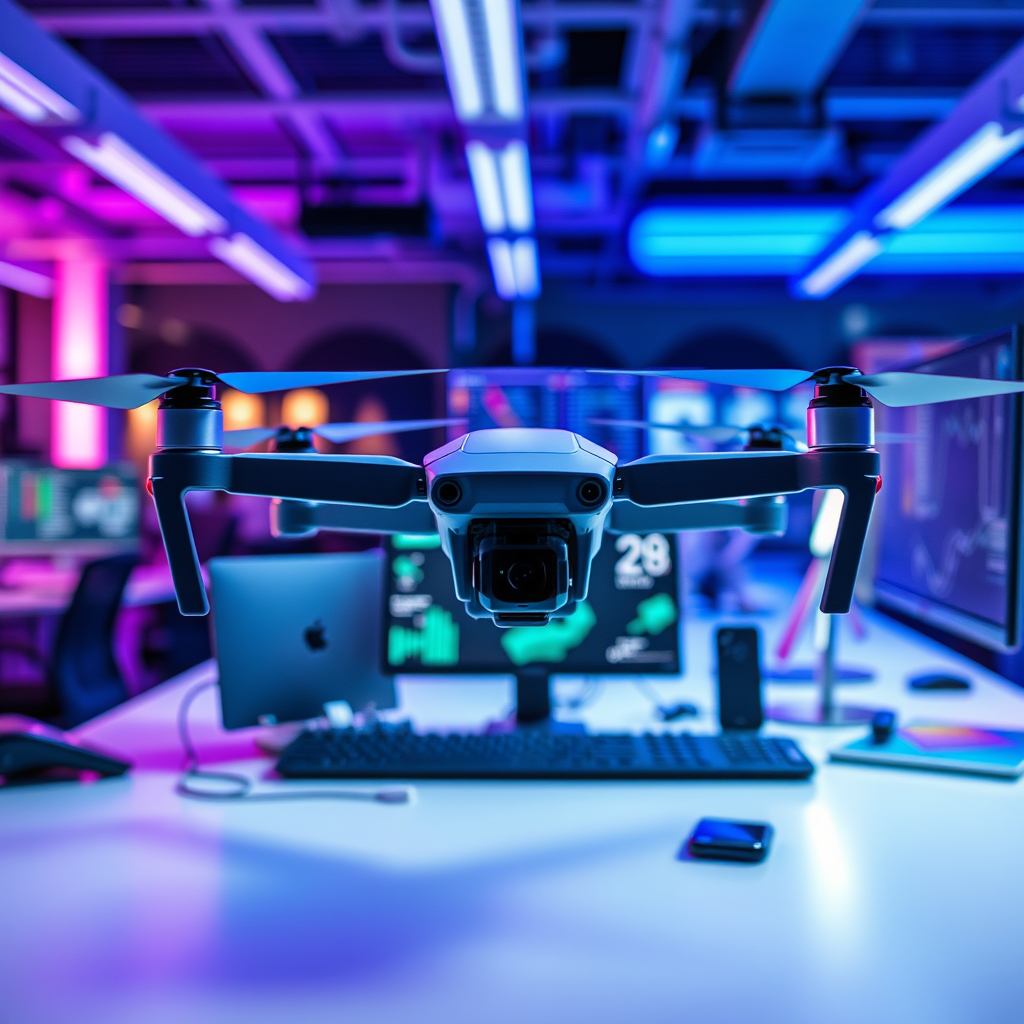
The DJI Air 3S and Freefly Alta 8 Pro are two powerhouse drones that cater to different cinematic needs, with the DJI Air 3S boasting an impressive 20km O4 transmission range compared to the Alta 8 Pro’s 5km. This article will explore the differences in their features, camera capabilities, and overall performance to help you decide which drone suits your cinematic ambitions best.
Overview of Each Drone
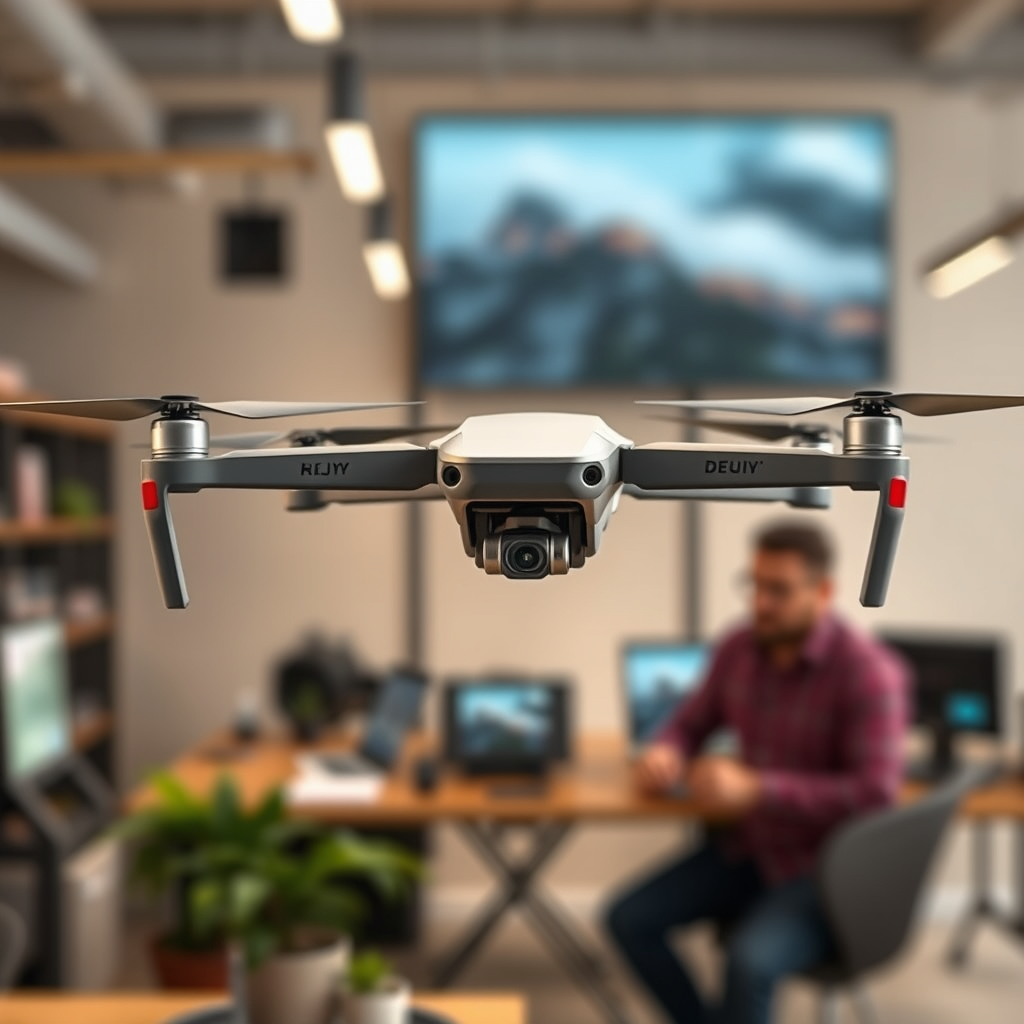
The DJI Air 3S is a cutting-edge drone designed for both amateur and semi-professional filmmakers. It features a dual-camera system that includes a 24mm wide-angle lens and a 70mm telephoto lens, allowing for stunning versatility in capturing diverse shots. With a maximum flight time of approximately 46 minutes and an impressive O4 transmission range of 20km, the Air 3S caters to those who value extended operational capabilities and high-quality imaging.
On the other hand, the Freefly Alta 8 Pro is engineered for professional use, boasting a robust build that supports a wide range of high-end camera payloads. Designed with the needs of cinematographers in mind, the Alta 8 Pro can carry cameras weighing up to 15.9kg, accommodating various lenses and accessories. Its compact design, combined with specialized features for aerial cinematography, makes it a go-to choice for serious filmmakers who require professional-grade performance in demanding environments.
Camera Capabilities
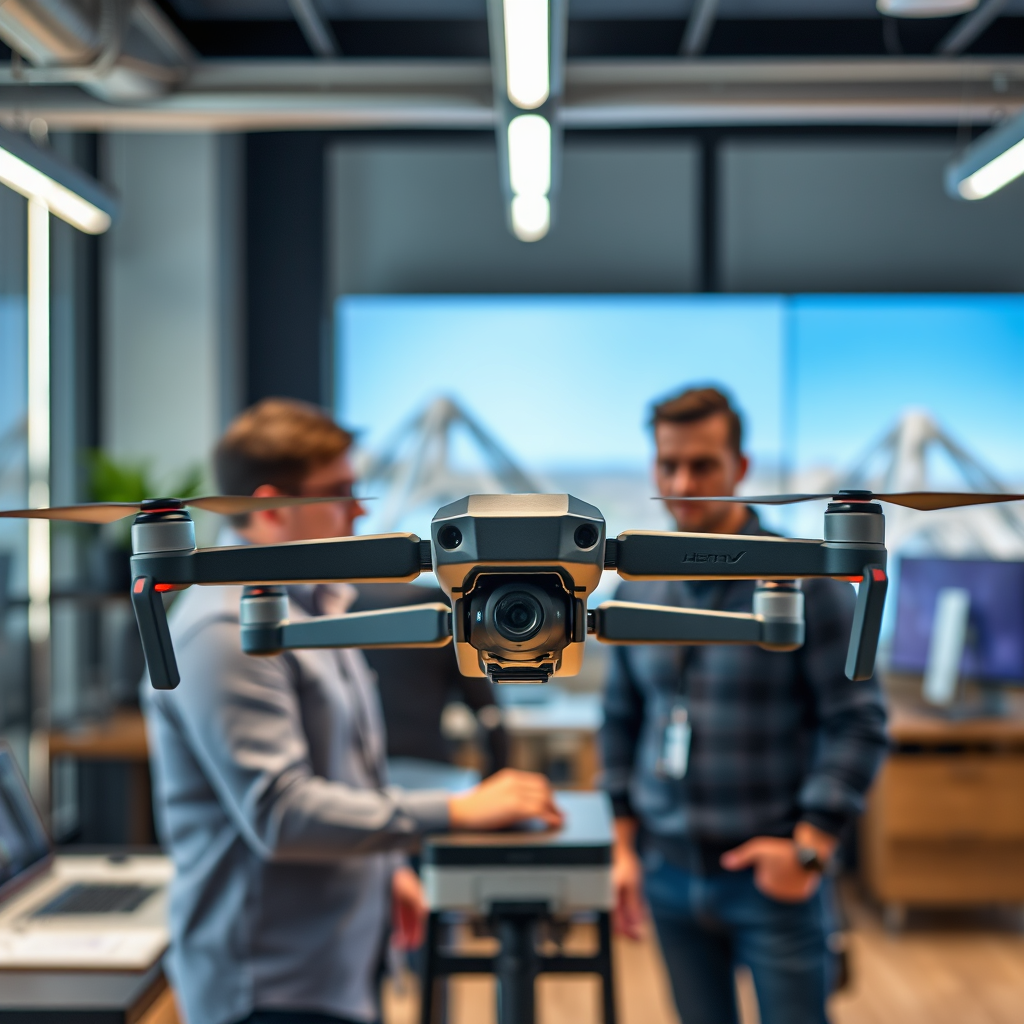
The dual-camera setup of the DJI Air 3S is a standout feature that enhances its image quality and versatility. The primary camera captures stunning 20MP stills and 5.4K video at 60fps, while the secondary telephoto camera offers 3x optical zoom, allowing for detailed close-ups without sacrificing quality. This dual-camera system provides filmmakers with the flexibility to switch between wide-angle and telephoto shots seamlessly, enhancing storytelling through varied perspectives. Additionally, the Air 3S incorporates advanced imaging technology, such as HDR video and enhanced low-light performance, making it suitable for various shooting conditions.
In contrast, the Freefly Alta 8 Pro emphasizes payload capacity and camera options, making it ideal for high-end cinematography. The drone can accommodate various professional cameras, including the RED Komodo, Canon C300, and Sony FX6, enabling filmmakers to use their preferred equipment for optimal results. With the ability to carry heavier payloads, the Alta 8 Pro allows for the integration of specialized lenses and gimbals, offering unparalleled stabilization and cinematographic capabilities. This flexibility means that filmmakers can achieve cinematic shots that would be impossible with lighter drones.
Transmission Range and Control
The importance of the O4 20km transmission range in the DJI Air 3S cannot be overstated. This extended range is particularly beneficial for filmmakers working on expansive landscapes or large sets, as it allows for greater freedom of movement and the ability to capture wide shots without losing connection. The O4 transmission technology ensures a stable and reliable signal, minimizing interruptions during flight and allowing for real-time video feedback. This feature is especially crucial for live event coverage, where maintaining a connection to the drone is essential for capturing pivotal moments.
Conversely, the limitations of the Alta 8 Pro’s 5km range may pose challenges in certain situations. While this range is adequate for localized shoots, filmmakers may find themselves constrained when attempting to capture expansive scenes or when operating in remote locations. The shorter transmission range may require the operator to be physically closer to the drone, which could limit creative angles and perspectives. However, the Alta 8 Pro compensates for this limitation with its robust build and advanced stabilization systems, ensuring that even within the limited range, the quality of the footage remains uncompromised.
Flight Performance and Stability
The DJI Air 3S excels in flight performance, boasting a maximum flight time of around 46 minutes, which is exceptional for a drone in its class. This extended flight duration allows filmmakers to capture longer sequences without the need for frequent landings to change batteries. Additionally, the Air 3S features advanced obstacle sensing systems, providing a level of safety and stability that is essential for new pilots and seasoned professionals alike. The intuitive DJI Fly app further enhances the user experience by offering automated flight modes and customizable settings, empowering users to focus on their creative vision.
The Freefly Alta 8 Pro, while heavier, offers remarkable handling and stability, particularly in challenging weather conditions. Its octocopter design distributes weight evenly, providing enhanced stability during flight. This stability is vital for capturing high-quality footage, especially when using heavy camera setups. The Alta 8 Pro also integrates advanced software for precise control, allowing professional operators to execute complex maneuvers and achieve smooth aerial shots. Its robust construction ensures that it can withstand the rigors of professional use, making it a reliable choice for filmmakers working in demanding environments.
Target Audience and Use Cases
The ideal users for the DJI Air 3S include hobbyists and semi-professionals who are looking to elevate their filming capabilities without breaking the bank. Its user-friendly interface, coupled with advanced features, makes it an excellent choice for those entering the world of aerial cinematography. The Air 3S is particularly suited for capturing travel vlogs, real estate videos, and events, where versatility and ease of use are paramount.
On the other hand, the target audience for the Freefly Alta 8 Pro is professional filmmakers and high-end production teams who require a drone that can handle complex shoots and heavy payloads. The Alta 8 Pro is ideal for commercial projects, film production, and specialized aerial photography, where the quality of the footage and the ability to customize setups are critical. Its capability to support various high-end cameras makes it a staple in the toolkit of many professional cinematographers.
Price Comparison and Value
When analyzing the cost of the DJI Air 3S, it becomes clear that it provides exceptional value for money, particularly considering its features and capabilities. Priced competitively in the market, the Air 3S is an attractive option for those looking to break into professional-quality aerial filming. The combination of a dual-camera system, long flight times, and advanced transmission technology positions it as a worthy investment for enthusiasts and semi-professionals alike.
Conversely, the Freefly Alta 8 Pro comes with a higher price tag, reflecting its professional-grade capabilities and robust build quality. While it requires a more significant investment, the Alta 8 Pro offers unparalleled performance for serious cinematographers. The ability to carry high-end camera systems and the advanced stabilization features justify its cost for those who prioritize quality and versatility in their filmmaking endeavors.
Both drones represent significant investments tailored to their target audiences, and potential buyers should consider their specific needs and budget before making a decision.
Both the DJI Air 3S and Freefly Alta 8 Pro have unique strengths tailored for different types of users. If you’re looking for extended range and versatility, the DJI Air 3S may be your best bet. However, if your focus is on professional-grade cinematography and payload flexibility, the Alta 8 Pro stands out. Evaluate your needs, and choose the drone that aligns best with your creative vision.
Frequently Asked Questions
What are the key differences between the DJI Air 3S and the Freefly Alta 8 Pro in terms of performance?
The DJI Air 3S is designed for hobbyists and content creators looking for portability and ease of use, featuring advanced obstacle avoidance and a user-friendly interface. In contrast, the Freefly Alta 8 Pro is a professional-grade drone built for high-end cinematography, boasting a dual-camera setup and the capability to carry heavier payloads, making it ideal for complex shoots. The Alta 8 Pro also offers superior flight stability and longer flight times, catering to filmmakers who require precision and reliability.
How does the O4 transmission system of the DJI Air 3S compare to the Freefly Alta 8 Pro’s 5km radio range?
The DJI Air 3S utilizes the O4 transmission system, which allows for an impressive control range of up to 20km, providing filmmakers with greater flexibility in capturing distant shots without losing signal. In contrast, the Freefly Alta 8 Pro operates on a 5km radio range, which may suffice for many applications but limits the drone’s operational distance. This expanded range of the Air 3S can significantly enhance outdoor filming capabilities, especially in expansive landscapes or urban environments.
Why should I choose the DJI Air 3S over the Freefly Alta 8 Pro for cinematic projects?
If you prioritize ease of use, portability, and affordability, the DJI Air 3S is an excellent choice for cinematic projects. It offers powerful features like intelligent shooting modes, a robust camera capable of 4K video, and a lightweight design, making it ideal for solo operators or those who need a quick setup. However, if your project requires heavy payloads, extensive equipment, or advanced filming techniques, the Freefly Alta 8 Pro would be the better option, despite its higher price point.
Which drone provides better image quality for professional cinematography, DJI Air 3S or Freefly Alta 8 Pro?
The Freefly Alta 8 Pro is specifically engineered for high-end cinematography, allowing for the attachment of various professional cameras, which can deliver superior image quality and cinematic capabilities. While the DJI Air 3S features an impressive built-in camera with excellent low-light performance and HDR capabilities, it may not match the flexibility and image quality that a professional camera rig on the Alta 8 Pro can provide. Therefore, for filmmakers seeking the best image quality, the Freefly Alta 8 Pro is likely the better choice.
How does the dual-camera system on the Freefly Alta 8 Pro enhance cinematic storytelling compared to the DJI Air 3S?
The dual-camera system on the Freefly Alta 8 Pro allows for simultaneous shooting from two different perspectives, which can enhance storytelling by providing dynamic angles and seamless transitions in a single take. This feature is particularly valuable for filmmakers who want to capture intricate scenes or action sequences without switching drones or setups. In contrast, the DJI Air 3S, while capable of capturing high-quality footage, does not offer this dual-camera functionality, limiting its potential for complex storytelling techniques.
References
- https://en.wikipedia.org/wiki/Comparison_of_multirotor_drones
- https://www.reuters.com/technology/
- Technology news, features and analysis from Guardian US | The Guardian
- https://www.wired.com/category/tech/
- https://www.sciencedirect.com/
- TechCrunch | Startup and Technology News
- Technology – The New York Times
- Drone Pilot Ground School | Pass the Part 107 Exam Confidently
- DJI – Official Website
- Freefly – World’s Toughest Drones & Fastest Cameras, built in USA
