
The DJI Mavic 3 Pro clearly outshines the Anzu Raptor T in terms of range and camera capabilities, making it the superior choice for aerial photography enthusiasts. With a maximum flight range of 20 kilometers and an advanced triple-camera system, the Mavic 3 Pro offers unparalleled performance for both amateur and professional drone operators. In this article, we’ll compare the features of these two drones, focusing on their flight range, camera systems, overall performance, and additional factors that may influence your decision in selecting the ideal drone for your needs.
Range Comparison: O4 20km vs. 7km
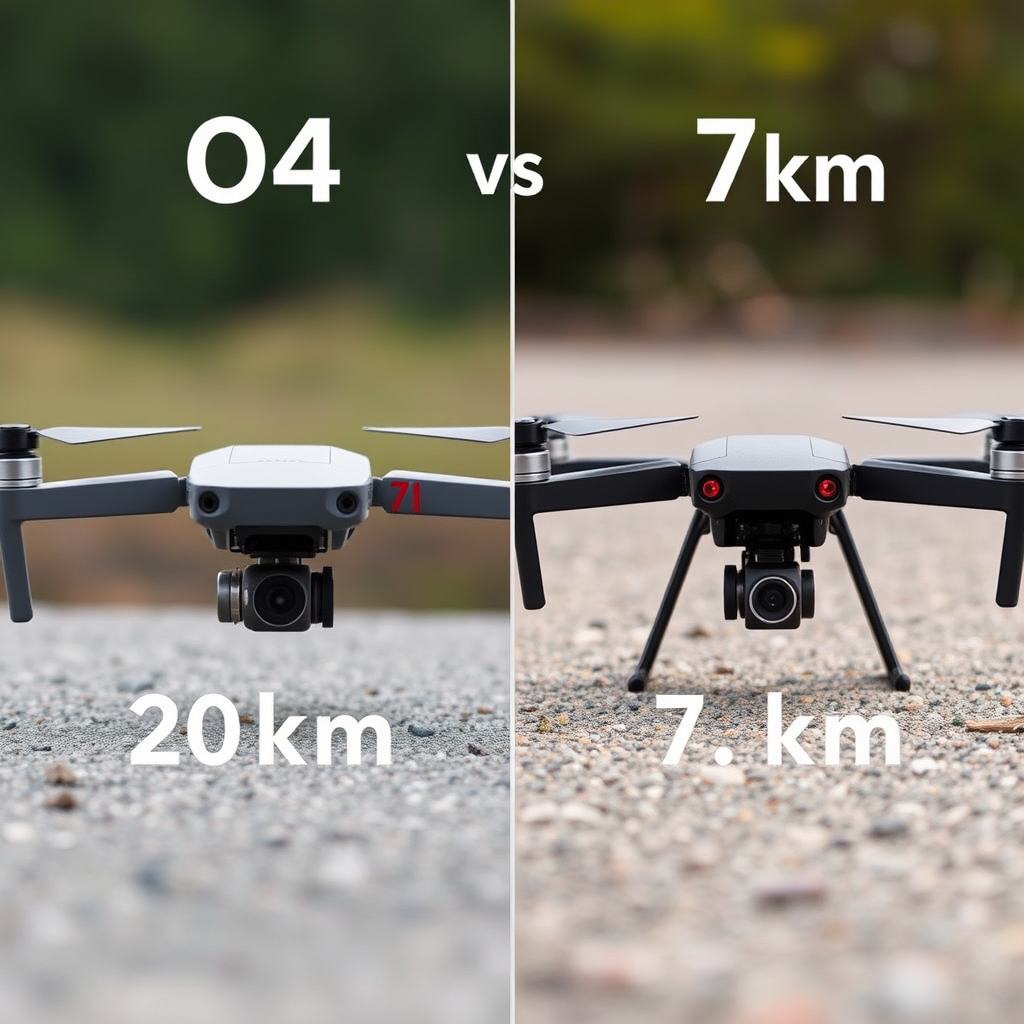
One of the most significant aspects of any drone is its flight range, which directly impacts its usability for various applications. The DJI Mavic 3 Pro employs the innovative O4 transmission technology, allowing for an impressive maximum range of 20 kilometers. This extended range is particularly beneficial for aerial photography in expansive landscapes, allowing users to capture stunning images and videos without the constraints of proximity.
In contrast, the Anzu Raptor T offers a maximum range of only 7 kilometers. While this range may be sufficient for casual flying and localized projects, it can greatly limit the drone’s potential for long-distance flights, making it less suitable for professional use where expansive coverage is often required. For instance, a wildlife photographer may find the Mavic 3 Pro’s range invaluable when capturing images of animals in their natural habitats from a safe distance.
Camera Capabilities: Triple-Camera Systems
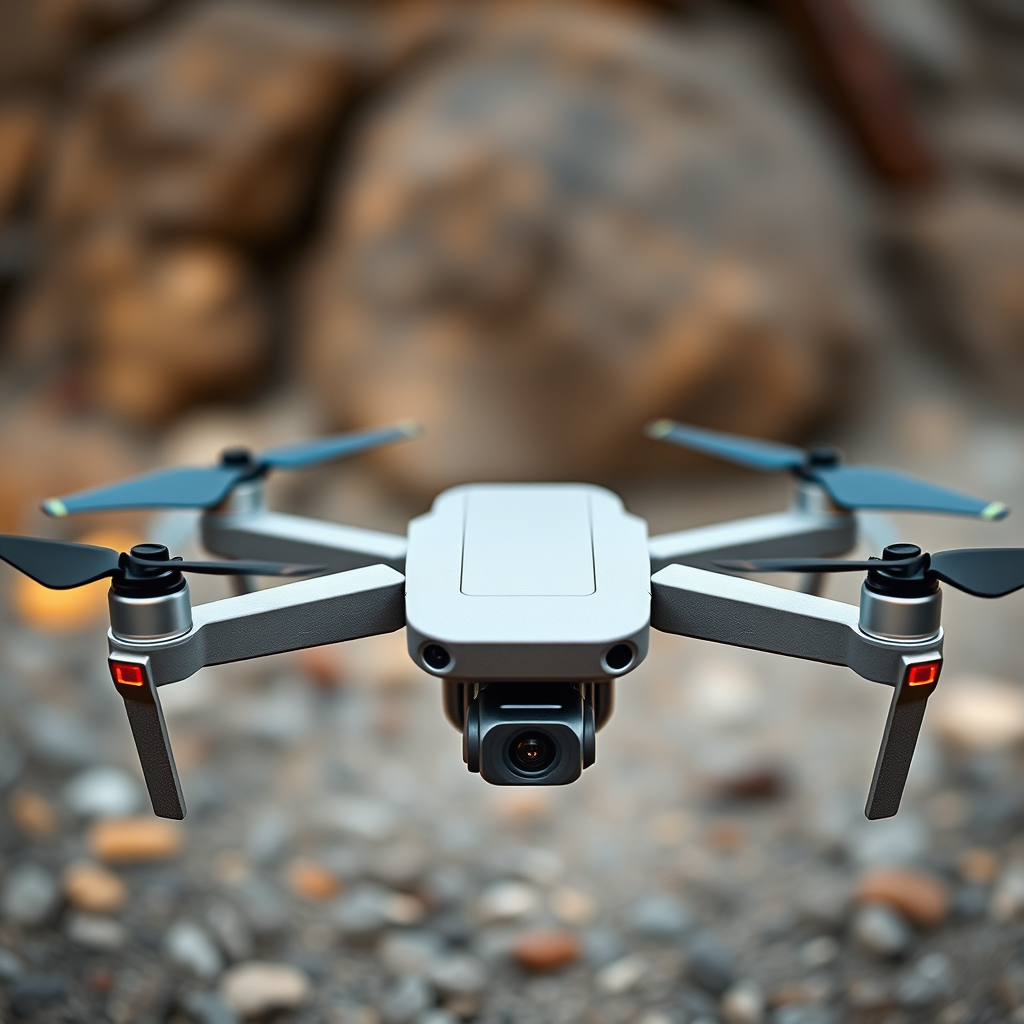
When it comes to camera capabilities, the DJI Mavic 3 Pro showcases a robust triple-camera setup that includes a wide-angle lens, a 12MP telephoto lens, and a Hasselblad sensor, which allows for versatile shooting options and high-quality imagery. The telephoto lens, in particular, enables users to zoom in without sacrificing image quality, making it an essential tool for photographers who need to capture fine details from afar. With this setup, the Mavic 3 Pro is capable of shooting 5.1K video at 50 frames per second, as well as stunning stills that can rival professional cameras.
On the other hand, the Anzu Raptor T also incorporates a triple-camera system but falls short in terms of sensor quality and zoom capabilities. While it can produce decent images, the lack of a comparable telephoto lens and the overall sensor performance may affect the clarity and detail of the captured content. Consequently, users who prioritize high-quality photography and videography may find that the Mavic 3 Pro provides a more satisfying shooting experience.
NDAA Compliance and What It Means
Both the DJI Mavic 3 Pro and the Anzu Raptor T are compliant with the National Defense Authorization Act (NDAA), ensuring that they meet government standards for security and reliability. This compliance is particularly crucial for commercial users or organizations that require strict adherence to data privacy regulations, such as those operating in sensitive environments.
NDAA compliance not only reassures users about the data integrity of their equipment but also enhances the overall trustworthiness of the drone’s technology. For businesses, this is a deciding factor, as it mitigates risks associated with potential data breaches or unauthorized access. Given the growing concerns around data security, having a drone that meets these standards is essential for commercial applications.
Flight Performance: Stability and Control
The DJI Mavic 3 Pro is renowned for its exceptional flight stability, even in challenging weather conditions. Thanks to its advanced stabilization technology and intelligent flight modes, the Mavic 3 Pro maintains steady flight, which is critical for capturing high-quality images and videos. This reliability makes it the preferred choice for professionals who require precision during aerial missions.
Conversely, while the Anzu Raptor T provides decent stability, it may struggle with wind resistance compared to the Mavic 3 Pro. Users in windy environments or those seeking to capture delicate footage might find the Mavic 3 Pro to be a more dependable option. For instance, when filming in coastal areas or mountainous regions, having a drone that can withstand unpredictable weather can significantly enhance the quality of the output.
Price Point and Value for Money
The price point is often a pivotal factor when selecting a drone, and the DJI Mavic 3 Pro does come with a higher price tag. However, this investment is justified by the top-tier features it provides, especially for professional photographers and videographers who require high-quality equipment. The advanced camera system, extended flight range, and superior stability collectively contribute to the Mavic 3 Pro’s value.
In contrast, the Anzu Raptor T is positioned as a more budget-friendly option, making it an attractive choice for hobbyists or those new to drone flying. While it may not offer the same level of performance or features as the Mavic 3 Pro, it can still serve as an excellent entry point for individuals looking to explore aerial photography without a significant financial commitment.
User Experience: Ease of Use and Features
User experience plays a vital role in the effectiveness of a drone, and the DJI Mavic 3 Pro excels in this regard. It features an intuitive interface, with advanced functionalities such as automated flight modes and intelligent obstacle avoidance, which greatly enhance the user experience for individuals of all skill levels. This user-friendly design allows beginners to quickly become proficient, while experienced users can take advantage of the advanced features to push their creative boundaries.
On the other hand, the Anzu Raptor T may present a steeper learning curve for new users, particularly due to its less user-friendly controls and interface. While it does come with essential features, the overall experience may not be as seamless as that offered by the Mavic 3 Pro. Users looking for a straightforward and enjoyable flying experience may find themselves frustrated with a more complex system.
Battery Life and Flight Time
Battery life is another critical aspect when comparing drones, and the DJI Mavic 3 Pro has a clear advantage in this area. It offers extended flight times, allowing for longer shooting sessions without the need for frequent battery changes. With a maximum flight time of around 46 minutes, it is well-suited for capturing extensive footage during a single trip.
In contrast, the Anzu Raptor T has a shorter flight duration, which could limit its effectiveness for longer projects or explorations. Users planning to use their drone for extended periods may find the Mavic 3 Pro’s superior battery life to be a crucial factor in their decision-making process.
The DJI Mavic 3 Pro stands out as the superior drone for both range and camera capabilities when compared to the Anzu Raptor T. Each drone has its strengths and is suited for different users; the Mavic 3 Pro is ideal for those seeking top performance and advanced features, while the Anzu Raptor T may appeal to budget-conscious hobbyists. Ultimately, your choice will depend on your specific needs, whether they lean towards professional-grade capabilities or an affordable entry into the world of aerial photography.
Frequently Asked Questions
What are the key differences between the DJI Mavic 3 Pro and the Anzu Raptor T in terms of camera technology?
The DJI Mavic 3 Pro features a triple-camera system that includes a 4/3 CMOS Hasselblad sensor, which allows for stunning 20MP still images and exceptional 5.1K video quality. In contrast, the Anzu Raptor T is equipped with a dual-camera setup focused on versatility, offering 4K video capabilities. While the Mavic 3 Pro excels in low-light conditions and high dynamic range, the Anzu Raptor T is designed for users seeking a lightweight option with decent performance.
How does the flight range of the DJI Mavic 3 Pro compare to the Anzu Raptor T?
The DJI Mavic 3 Pro boasts an impressive flight range of up to 20 kilometers, thanks to its advanced O4 transmission technology. This extended range allows for longer aerial photography sessions and greater flexibility in capturing hard-to-reach locations. On the other hand, the Anzu Raptor T has a maximum range of 7 kilometers, which is suitable for hobbyists but may limit professional applications where extended distances are crucial.
Why is the NDAA compliance important when choosing between the DJI Mavic 3 Pro and Anzu Raptor T?
NDAA compliance is crucial for government entities and businesses that need to adhere to specific regulations regarding the use of technology from certain foreign manufacturers. The DJI Mavic 3 Pro has faced scrutiny regarding its compliance, while the Anzu Raptor T is specifically designed to meet NDAA standards, making it a more suitable choice for users in sensitive environments or industries that require strict adherence to these regulations.
Which drone offers better battery life and overall flight time, the DJI Mavic 3 Pro or Anzu Raptor T?
The DJI Mavic 3 Pro typically offers a flight time of up to 46 minutes under optimal conditions, making it one of the longest-lasting drones in its category. In comparison, the Anzu Raptor T provides around 25-30 minutes of flight time, which may be sufficient for casual users but could be limiting for professionals requiring extended shooting sessions. Hence, for users prioritizing longer flight times, the Mavic 3 Pro is the superior option.
What are the best use cases for each drone, considering their specifications and features?
The DJI Mavic 3 Pro is best suited for professional photographers, videographers, and serious enthusiasts who need high-quality imaging and extended flight capabilities for complex projects. Its advanced camera system and long range make it ideal for cinematic productions and detailed aerial surveys. Conversely, the Anzu Raptor T is more appropriate for casual users, educators, or those needing a compact and simple drone for recreational flying or basic aerial photography without the complexities of high-end features.
References
- Drone
- https://www.bbc.com/news/technology-58618937
- https://www.reuters.com/technology/
- https://www.nytimes.com/2021/04/14/technology/drones-regulation.html
- https://www.sciencedirect.com/topics/engineering/drone-technology
- drones | TechCrunch
- https://www.nist.gov/news-events/news/2021/05/guide-drones-and-non-traditional-applications
- Unmanned Aircraft Systems (UAS) | Federal Aviation Administration
- https://www.theguardian.com/us-news/drone-technology
- https://www.nasa.gov/mission_pages/airborne/technology/drones.html
