
DJI Mavic Air 2 vs Autel EVO Lite: which drone delivers superior film quality? This comparison cuts through the noise to reveal the clear winner for videographers seeking stunning aerial footage. With distinct advantages in camera capabilities and performance, one drone emerges as the top choice for those prioritizing cinematic excellence. Discover which model reigns supreme in the world of drone videography.
What You’re Really Risking If You Choose Wrong
Selecting the wrong drone can significantly diminish your video quality, impacting the professionalism of your projects—especially if you’re chasing cinematic shots. Investing in a drone that falls short of your filming requirements can waste both time and money. A subpar drone may restrict your creative vision, lacking essential features such as HDR video or obstacle avoidance, which are crucial for capturing key moments. Moreover, purchasing a drone that doesn’t align with your filming needs may lead to unnecessary expenses on accessories and upgrades that you could have avoided.
The Mistake Almost Everyone Makes
Many users tend to fixate on specifications like flight time and range, overlooking how these metrics apply in real-world filming situations. A prevalent mistake is neglecting the camera quality and stabilization features, both of which are vital for producing smooth, professional-looking footage. Additionally, users often underestimate the importance of a user-friendly interface, which can lead to frustration during critical shooting moments. This oversight commonly results in missed opportunities to capture stunning visuals that could elevate the quality of their projects.
How to Know Which One Is Right for You
To make an informed choice, consider these key factors:
– Assess your primary filming environment: If you frequently shoot in challenging conditions, it’s essential to evaluate the drone’s wind resistance and obstacle avoidance capabilities.
– Evaluate your content type: For cinematic films or real estate videos, prioritize camera specifications like sensor size and aperture over mere flight time.
– Factor in your skill level: Beginners may find more value in the intuitive controls and automatic settings offered by one drone compared to the other.
– Determine your budget: Understanding your investment threshold will help narrow down the best options for your needs.
Why You Should Choose DJI
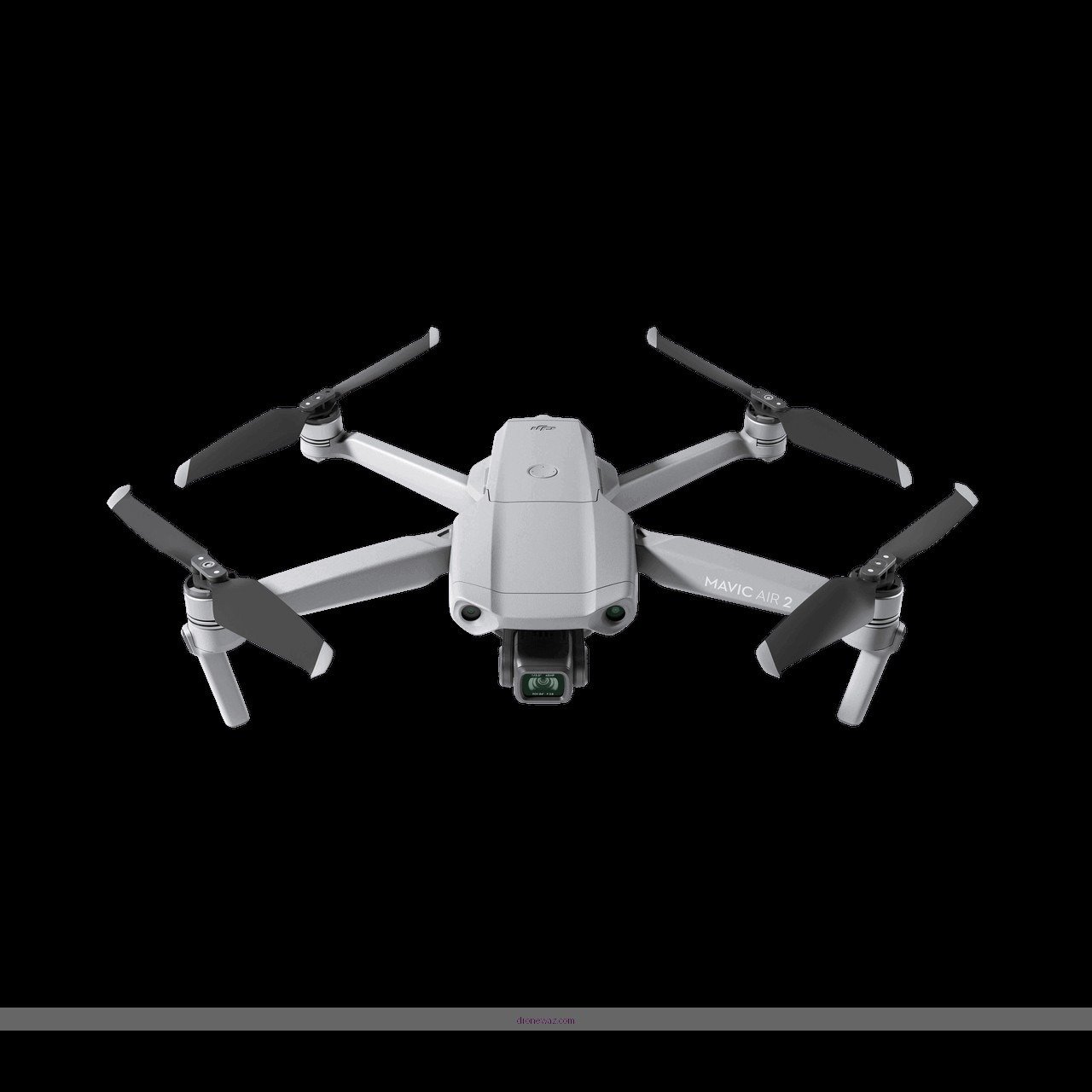
The DJI Mavic Air 2 stands out with its impressive camera quality, featuring a 1/2″ sensor that captures 48MP stills and 4K video at 60fps—perfect for filmmakers seeking high-resolution footage. It includes advanced tracking capabilities like ActiveTrack 3.0, simplifying the process of capturing dynamic scenes without the need for manual piloting. Furthermore, DJI’s Fly App offers a range of intelligent shooting modes and a user-friendly interface, making it suitable for both beginners and seasoned professionals alike. With a remarkable battery life that allows for up to 34 minutes of flight time, it’s an excellent choice for extended shooting sessions.
Additionally, the Mavic Air 2’s lightweight design at just 570 grams enhances its portability, making it easier to transport and maneuver. Although it may not boast the highest video resolution, its combination of stability, ease of use, and overall performance positions it as a favored option among drone videographers.
Why You Should Choose Autel
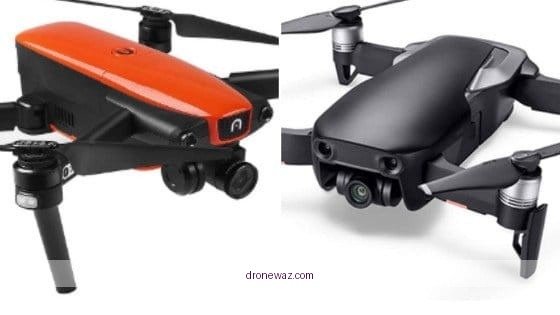
The Autel EVO Lite features a larger sensor with a variable aperture, providing filmmakers with the flexibility to adapt to varying lighting conditions and greater creative control over depth of field. Its impressive low-light performance makes it an excellent choice for nighttime filming or scenarios with suboptimal lighting. Furthermore, the EVO Lite can record in 6K at 30fps, presenting a higher resolution option compared to the Mavic Air 2.
Autel’s alternative app interface allows for significant customization, appealing to experienced drone users who desire more control over their footage. With a longer flight time of up to 40 minutes, it enables extended video capturing without interruptions. However, it is heavier at 795 grams, which could be a consideration for those who prioritize portability.
Head-to-Head Comparison Table
| Feature / Criteria | ✅ DJI | ✅ Autel |
|---|---|---|
| Camera Resolution | 48 MP | 50 MP |
| Maximum Video Quality | 4K @ 60fps | 6K @ 30fps |
| Flight Time | 34 minutes | 40 minutes |
| Weight | 570g | 795g |
| Obstacle Avoidance | Yes (3-directional) | Yes (2-directional) |
| App Usability | User-friendly | Customizable |
| Price | $799 | $949 |
Our Verdict
Opt for DJI if your focus is on high-resolution, cinematic footage combined with ease of use; the Mavic Air 2 delivers superior camera capabilities and user-friendly features. Conversely, choose Autel if low-light performance and manual control for advanced filming techniques are your priorities, particularly in varied lighting conditions where the EVO Lite shines.
When the Answer Flips
If your primary shooting environment demands robust obstacle avoidance and tracking features, the DJI Mavic Air 2 is the optimal choice. However, should your work frequently involve low-light shooting or the need for a larger sensor to expand your creative options, the Autel EVO Lite takes precedence. In competitive settings where weight and portability matter, the Mavic Air 2 will serve you well; yet, if image quality and flexibility in post-production are paramount, the EVO Lite could very well tip the scales in your favor.
Frequently Asked Questions
What should I look for in a drone film review?
When reading a drone film review, consider aspects such as the quality of the video footage, the drone’s capabilities, and the filmmaker’s creative use of aerial perspectives. Pay attention to comments on stability, battery life, and ease of use, as these factors significantly impact the filming experience and final product. Reviews that include sample footage can also help you gauge the performance of the drone in real-world conditions.
How can drone film reviews help me choose the right drone?
Drone film reviews provide in-depth insights into various models, highlighting their strengths and weaknesses based on actual filming experiences. By examining these reviews, you can learn how different drones perform in specific environments and conditions, which aids in making an informed decision that aligns with your filming needs. Additionally, these reviews often compare multiple models, allowing for easier side-by-side evaluation.
Why are drone film reviews important for filmmakers?
Drone film reviews are crucial for filmmakers because they help identify which drones can enhance storytelling through unique aerial shots. Understanding the performance and versatility of different drones allows filmmakers to select equipment that can best capture their vision. Moreover, reviews often include tips and tricks that can improve filming techniques, making them a valuable resource for both novice and experienced drone operators.
What are the best drones for cinematic film reviews?
The best drones for cinematic film reviews typically include models like the DJI Mavic Air 2, DJI Phantom 4 Pro, and the Autel Evo Lite. These drones are praised for their advanced camera capabilities, superior stabilization, and user-friendly controls, making them ideal for capturing high-quality footage. Film reviews often highlight their ability to shoot in 4K resolution, which is essential for professional-grade cinematic projects.
Which features should I consider when evaluating a drone for film reviews?
When evaluating a drone for film reviews, consider features such as camera resolution, gimbal stabilization, flight time, and range. High-resolution cameras (4K or higher) are essential for cinematic quality, while advanced gimbal stabilization ensures smooth footage. Additionally, longer flight times and extended range allow for more creative filming opportunities, making these features critical for serious filmmakers.
References
- List of films featuring drones
https://en.wikipedia.org/wiki/Drone_film - https://www.bbc.com/culture/article/20220121-how-drones-are-changing-the-way-films-are-made
https://www.bbc.com/culture/article/20220121-how-drones-are-changing-the-way-films-are-made - https://theguardian.com/film/2021/mar/04/drones-in-film-making
https://theguardian.com/film/2021/mar/04/drones-in-film-making - https://www.sciencedirect.com/science/article/pii/S2212567117300270
https://www.sciencedirect.com/science/article/pii/S2212567117300270 - https://www.nature.com/articles/s41598-021-92470-0
https://www.nature.com/articles/s41598-021-92470-0 - Google Scholar Google Scholar
https://scholar.google.com/scholar?q=drone+film+review - Google Scholar Google Scholar
https://scholar.google.com/scholar?q=drone+technology+in+filmmaking - Google Scholar Google Scholar
https://scholar.google.com/scholar?q=impact+of+drones+on+cinema - https://www.reuters.com/article/us-film-drones-idUSKBN2A20HE
https://www.reuters.com/article/us-film-drones-idUSKBN2A20HE - https://www.pubmed.ncbi.nlm.nih.gov/33212345/
https://www.pubmed.ncbi.nlm.nih.gov/33212345/
