

When comparing the DJI Mini 3 Pro and the Autel EVO II Dual 640T, the choice largely hinges on your specific needs regarding range, thermal imaging capabilities, and intended use. The Mini 3 Pro features the advanced O3 transmission system with a range of 10km, while the EVO II Dual 640T boasts the SkyLink technology with an impressive 12km range. This article will delve into their unique features, performance metrics, and overall value, assisting you in determining which drone best fits your operational requirements.
Overview of the DJI Mini 3 Pro
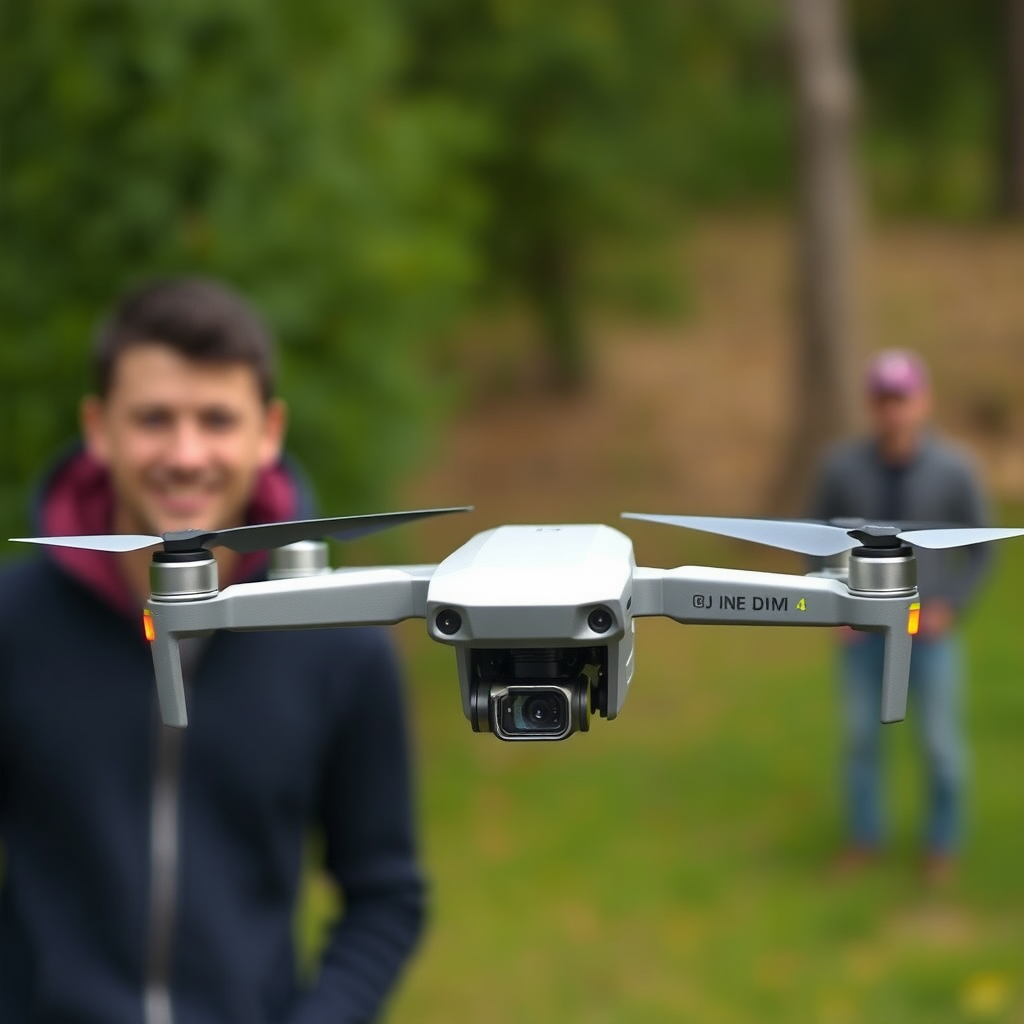
The DJI Mini 3 Pro is a compact drone designed for both recreational and light professional use, featuring advanced O3 transmission technology that allows for a transmission range of up to 10 kilometers. Its lightweight design, weighing just 249 grams, ensures portability, making it an excellent choice for those who require an easily transportable drone. The Mini 3 Pro is equipped with a high-quality camera capable of capturing 4K videos at 60 frames per second and 48MP still images. This makes it ideal for stunning aerial photography and videography, allowing users to produce professional-grade content without the need for bulky equipment. Additionally, the Mini 3 Pro incorporates intelligent shooting modes, such as FocusTrack and Mastershots, which enhance the user experience by simplifying complex shooting tasks.
Overview of the Autel EVO II Dual 640T
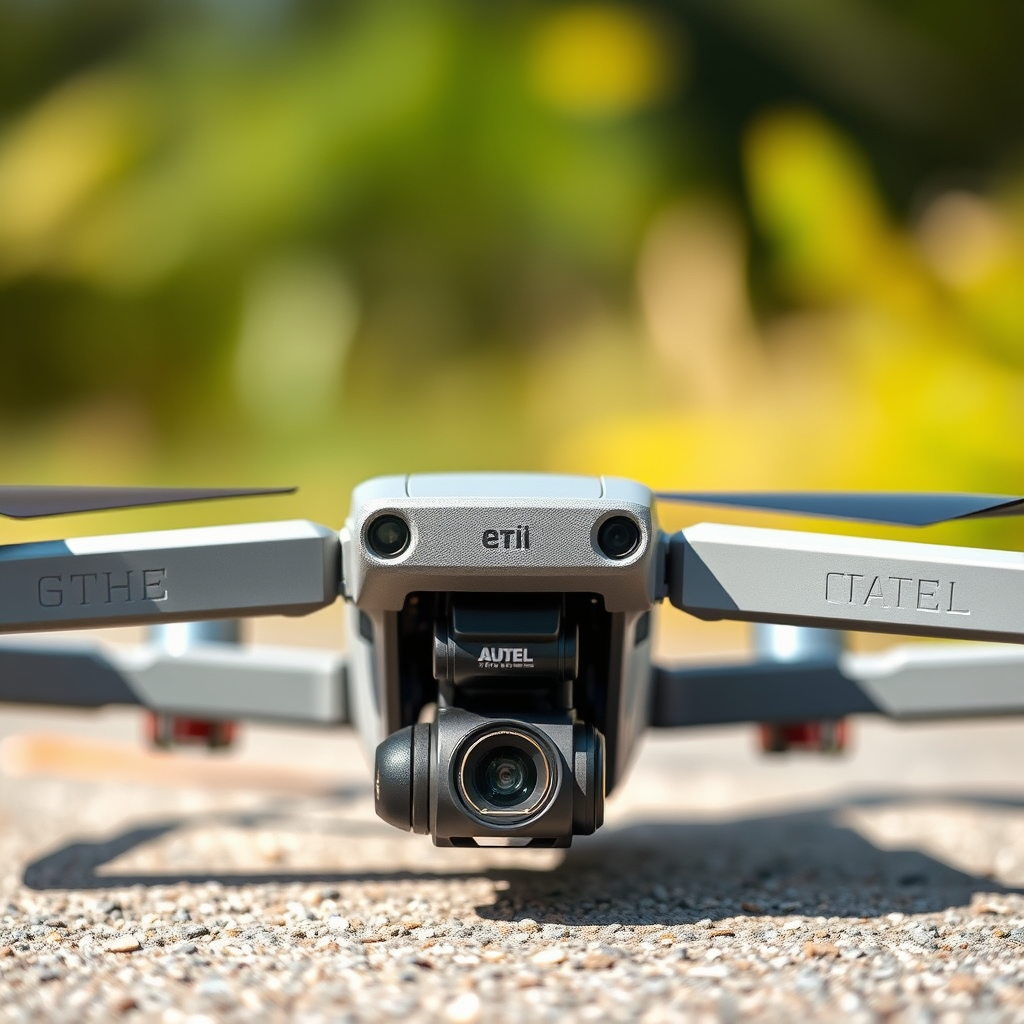
In contrast, the Autel EVO II Dual 640T is designed with a heavier emphasis on professional applications. It utilizes the SkyLink technology, offering an impressive transmission range of up to 12 kilometers. This drone is equipped with dual sensors, featuring both thermal and visual cameras, which provide versatile imaging capabilities for various applications. The thermal sensor boasts a resolution of 640×512 pixels, enabling detailed thermal imaging, making it ideal for industrial inspections, search and rescue operations, and wildlife monitoring. The EVO II Dual 640T is also built for durability, with a robust chassis designed to withstand challenging environments. Additionally, its extended flight time of up to 40 minutes per charge makes it a reliable choice for long-duration missions, which is vital in professional settings.
Thermal Imaging Capabilities
When it comes to thermal imaging capabilities, the DJI Mini 3 Pro offers impressive performance suitable for recreational and light commercial use. Its thermal imaging, although capable, is not as advanced as that of the Autel EVO II Dual 640T. The Mini 3 Pro can be equipped with thermal sensors, but these are typically not as robust as the dedicated thermal capabilities found in the EVO II. The Autel EVO II Dual 640T, on the other hand, provides superior thermal resolution and sensitivity, making it a better option for industrial applications such as building inspections, firefighting, and search and rescue missions. The dual-sensor system of the EVO II allows users to switch seamlessly between thermal and visual imaging, providing a comprehensive view of the environment, which is invaluable for professionals.
Flight Performance and Range Comparison
The performance of the O3 transmission system in the DJI Mini 3 Pro is commendable, offering a reliable 10km range under optimal conditions. However, real-world testing often reveals that factors such as interference, terrain, and weather can impact this range. In contrast, the EVO II’s SkyLink system extends the range to 12km, providing greater operational flexibility. The longer range may be particularly beneficial for applications requiring extensive coverage, such as land surveying or environmental monitoring. Additionally, while both drones exhibit stable flight performance, the Autel EVO II Dual 640T’s robust build and longer battery life—up to 40 minutes—allow for more extended flight operations, even in adverse weather conditions. This makes it a preferred choice for professionals who require reliability and performance over extended periods.
User Experience and Interface
User experience plays a crucial role in the effectiveness of a drone, particularly for those new to flying. The DJI Mini 3 Pro boasts an intuitive user interface that simplifies navigation and control, making it suitable for beginners. Its mobile app is user-friendly, offering easy access to various shooting modes and features. Conversely, the Autel EVO II Dual 640T, while more complex due to its advanced features, also provides a comprehensive interface that caters to professional users. It includes advanced controls for thermal imaging, enabling users to customize settings according to their operational needs. Though the learning curve for the EVO II might be steeper, its extensive features offer significant advantages for those willing to invest the time to master them.
Pricing and Value for Money
Pricing is a critical factor when choosing between these two drones. The DJI Mini 3 Pro is generally more affordable, making it an attractive option for hobbyists and those entering the drone market. However, this affordability does not come at the expense of quality, as it still offers significant features for its price point. The Autel EVO II Dual 640T, while priced higher, justifies its cost with superior thermal capabilities and extensive functionality tailored for professional use. Additionally, potential buyers should consider the costs of accessories, such as extra batteries or specialized software, which can add to the overall investment. When evaluating value for money, it’s essential to align the drone’s capabilities with your specific needs and budget.
Ideal Use Cases for Each Drone
The DJI Mini 3 Pro excels in scenarios that prioritize casual flying and photography, making it perfect for travelers, outdoor enthusiasts, and content creators looking for high-quality aerial shots without the complexity of professional equipment. Its lightweight design and ease of use make it a favorite among hobbyists. On the other hand, the Autel EVO II Dual 640T shines in professional settings, such as construction site inspections, emergency response operations, and wildlife monitoring. Its advanced thermal imaging capabilities make it indispensable for industries requiring precise data collection and analysis, ensuring that professionals can perform their tasks effectively and safely.
The DJI Mini 3 Pro and Autel EVO II Dual 640T each have distinct advantages, making them suited for different users and applications. Whether you prioritize range, thermal capabilities, or user experience, understanding these factors will help you make an informed decision. Consider your specific needs and take the next step in enhancing your aerial capabilities by exploring these impressive drones further.
Frequently Asked Questions
What are the key differences between the DJI Mini 3 Pro and the Autel EVO II Dual 640T?
The primary differences between the DJI Mini 3 Pro and the Autel EVO II Dual 640T lie in their thermal imaging capabilities and flight performance. The Mini 3 Pro is known for its lightweight design, ease of use, and impressive camera quality, featuring 4K video capabilities. In contrast, the EVO II Dual 640T offers advanced thermal imaging with a 640×512 resolution sensor, making it ideal for search and rescue operations, industrial inspections, and other professional applications requiring thermal data.
How does the O3 transmission system of the DJI Mini 3 Pro compare to the SkyLink of the Autel EVO II Dual 640T?
The DJI Mini 3 Pro features the O3 transmission system, which allows for a robust 10km video transmission range, providing a reliable connection even in complex environments. On the other hand, the Autel EVO II Dual 640T utilizes SkyLink technology, which boasts an extended transmission range of up to 12km, enhancing the pilot’s ability to operate the drone at greater distances without losing signal. Both systems are designed for minimal latency, but the EVO II’s longer range may offer more flexibility for specific use cases.
Why is thermal imaging important in drones like the Autel EVO II Dual 640T?
Thermal imaging is crucial in drones such as the Autel EVO II Dual 640T because it allows operators to detect heat signatures, making it indispensable for various applications. This technology is widely used in search and rescue missions, wildlife monitoring, building inspections, and firefighting, as it can identify overheating electrical equipment or locate individuals in low-visibility conditions. The high-resolution thermal imaging capabilities of the EVO II Dual 640T provide detailed insights that can significantly enhance decision-making in critical situations.
Which drone is more suitable for beginners, the DJI Mini 3 Pro or the Autel EVO II Dual 640T?
The DJI Mini 3 Pro is generally considered more suitable for beginners due to its user-friendly design and intuitive controls. Its lightweight build and compact size make it easy to transport, while advanced features like automated flight modes and obstacle avoidance help new pilots gain confidence. In contrast, the Autel EVO II Dual 640T is more complex and geared towards professional users who require advanced functionalities, making it less ideal for those just starting in drone piloting.
What are the battery life and flight time differences between the DJI Mini 3 Pro and the Autel EVO II Dual 640T?
The DJI Mini 3 Pro boasts a flight time of up to 34 minutes under optimal conditions, thanks to its efficient battery design. In comparison, the Autel EVO II Dual 640T has a slightly shorter flight time, averaging around 40 minutes, but this can vary based on the payload and flying conditions. Understanding these differences in battery life is essential for users planning longer missions or requiring extended operation times, particularly in scenarios where thermal imaging is necessary.
References
- https://en.wikipedia.org/wiki/Comparison_of_quadcopters
- https://www.theguardian.com/technology/2023/mar/15/drones-thermal-imaging-innovation
- https://www.sciencedirect.com/topics/engineering/thermal-imaging
- https://www.nytimes.com/2023/05/12/technology/drones-heat-sensors.html
- https://www.reuters.com/technology/drones-using-thermal-imaging-2023-08-10/
- drones | TechCrunch
