

When comparing the DJI Mini 3 Pro and the Flyability Elios 4, the key distinction lies in their intended applications: the Mini 3 Pro is superior for expansive outdoor inspections due to its 10km transmission range, while the Elios 4 specializes in confined space inspections with its robust design and 100m Wi-Fi range. This article will delve into each drone’s features, strengths, and optimal use cases, providing a comprehensive overview to guide your decision-making based on your specific inspection needs.
Overview of the DJI Mini 3 Pro

The DJI Mini 3 Pro is a lightweight and portable drone, designed for users who require mobility without sacrificing performance. Weighing in at just under 250 grams, it’s easy to transport and can be quickly deployed for inspections in various environments. The drone features an impressive 4K camera capable of capturing high-definition video and images, along with advanced imaging features such as HDR and improved low-light performance. The standout feature, however, is its long-range transmission powered by DJI’s O3 technology, which allows for a maximum distance of 10 kilometers, providing users with expansive coverage and the ability to conduct large-scale inspections efficiently.
The Mini 3 Pro is not just about range; it also incorporates intelligent flight modes and obstacle sensing features that enhance usability, making it suitable for both novice pilots and experienced users. Its compact design, coupled with the ability to fold for easy storage, makes it a practical choice for professionals who need to carry their equipment to various sites.
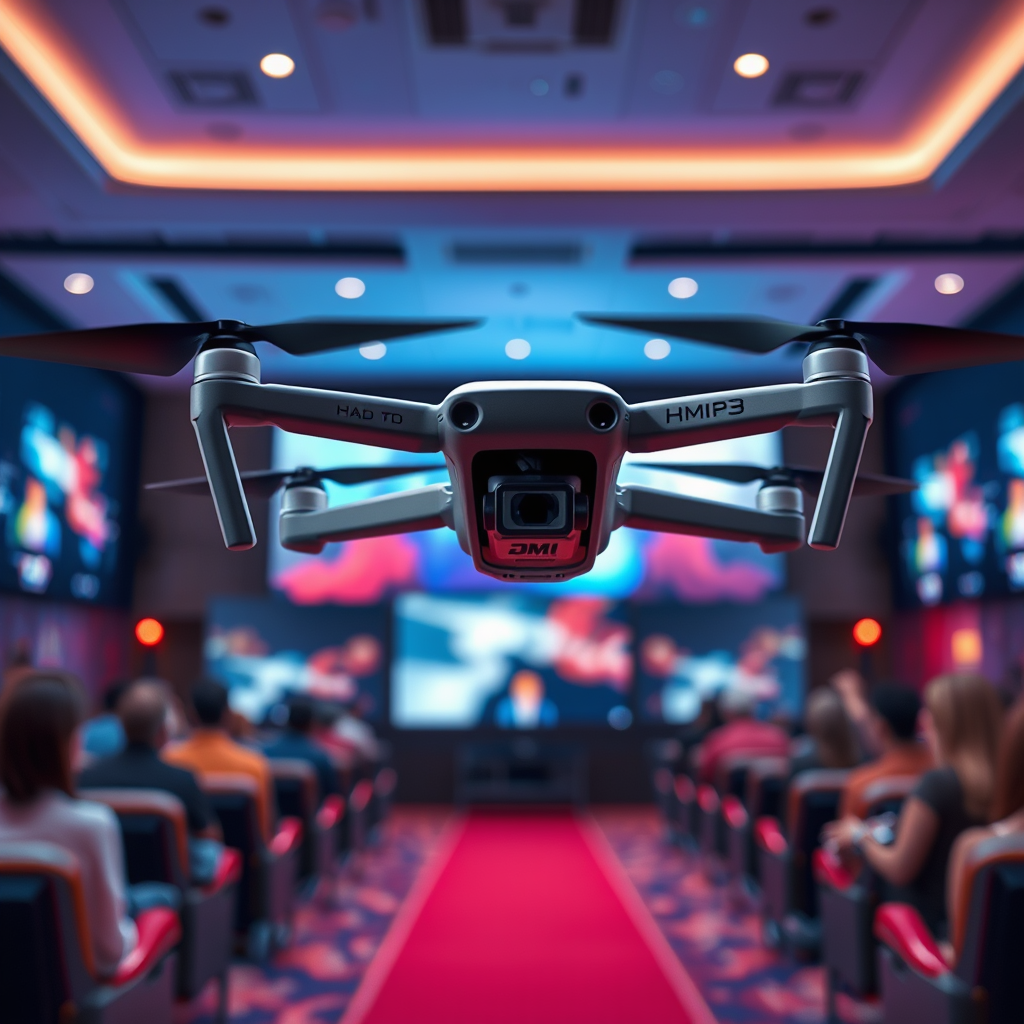
Overview of the Flyability Elios 4
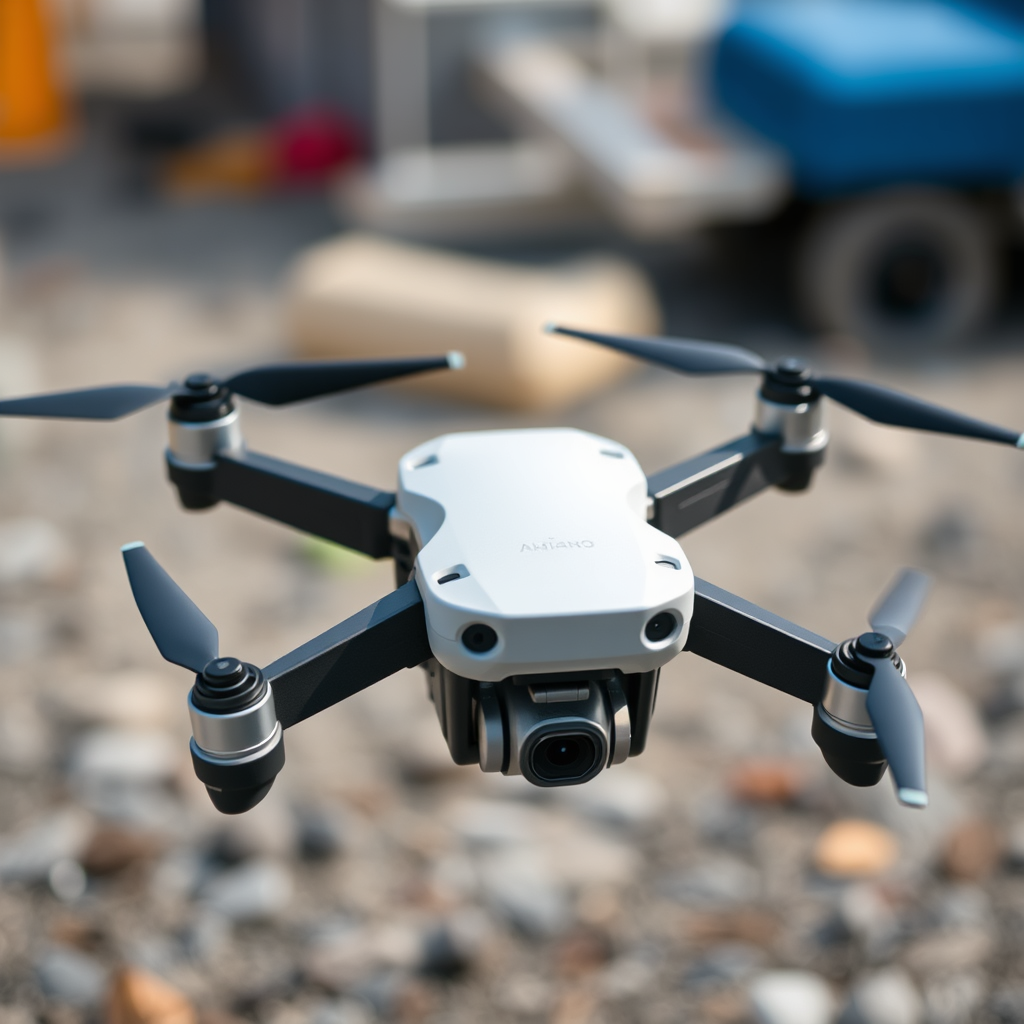
In contrast, the Flyability Elios 4 is engineered specifically for indoor use, with a design that allows it to navigate tight and complex spaces effectively. Weighing more than the Mini 3 Pro, the Elios 4 features a protective casing that ensures safety during operations in hazardous environments where traditional drones might not thrive.
One of the key attributes of the Elios 4 is its built-in collision avoidance system, which is crucial for inspections in cluttered areas. This drone is equipped with a 4K camera that captures high-quality images and videos, although its Wi-Fi range is limited to 100m. This limitation, however, is optimized for detailed inspections in confined environments, making it ideal for applications such as industrial inspections of HVAC systems, pipelines, and other infrastructure.
Key Features Comparison
When comparing the key features of the DJI Mini 3 Pro and the Flyability Elios 4, several factors come into play:
Camera Specifications
The DJI Mini 3 Pro boasts a 4K camera with a 1/1.3-inch sensor, providing exceptional image quality and dynamic range. It features advanced stabilization technology, ensuring smooth video capture even in windy conditions. In contrast, the Flyability Elios 4 also offers a 4K camera but is designed for high-quality imaging in confined spaces, where stabilization is critical due to the close proximity of obstacles.
Range Capabilities
The O3 technology in the Mini 3 Pro allows for a remarkable 10km transmission range, making it suitable for extensive outdoor inspections, aerial surveying, and mapping projects. On the other hand, the Elios 4’s 100m Wi-Fi range is more than sufficient for detailed inspections in confined spaces, ensuring that operators can maintain control and receive real-time video feeds without interference.
Battery Life and Flight Time
The DJI Mini 3 Pro offers a flight time of up to 34 minutes under optimal conditions, allowing for lengthy inspection sessions without frequent recharges. The Flyability Elios 4, while having a shorter flight time of approximately 22 minutes, compensates with its rapid deployment capabilities and indoor operational efficiency, making it ideal for quick inspections where speed is of the essence.
Use Cases for the DJI Mini 3 Pro
The DJI Mini 3 Pro shines in outdoor environments, making it the go-to choice for various applications. Its long-range capabilities and high-quality imaging make it ideal for:
– Outdoor Inspections: Suitable for inspecting large structures such as bridges, towers, and rooftops.
– Large-Scale Surveys: Effective for mapping large agricultural fields and conducting surveys in forestry.
– Aerial Footage: Capturing stunning visuals for real estate marketing, events, and promotional materials.
Furthermore, its versatility extends to industries such as construction, where it can be used for site documentation and progress tracking, providing stakeholders with valuable insights.
Use Cases for the Flyability Elios 4
The Flyability Elios 4 is particularly advantageous for indoor inspections and operates best in environments where traditional drones can encounter challenges. Its applications include:
– Industrial Inspections: Perfect for inspecting confined spaces such as HVAC systems, storage tanks, and pipelines, ensuring thorough assessments.
– Hazardous Environments: Designed to navigate areas with potential hazards, making it suitable for inspections in environments like chemical plants and power stations.
– Complex Structures: Effective for inspecting complex indoor structures such as warehouses or manufacturing facilities, where maneuverability and safety are paramount.
The Elios 4 prioritizes safety and efficiency, making it an essential tool for professionals in the inspection industry.
Cost and Value Analysis
When evaluating the cost and value of both drones, it is essential to consider their pricing relative to their capabilities. The DJI Mini 3 Pro is generally priced lower, making it an attractive option for those entering the drone inspection market or for businesses looking for a versatile tool. Its extensive application range can lead to substantial return on investment, especially in industries where aerial data gathering is critical.
Conversely, the Flyability Elios 4 comes at a higher price point due to its specialized design and safety features. However, for organizations requiring reliable inspections in confined spaces, the investment can be justified by reduced operational risks and enhanced inspection accuracy. Ultimately, the choice will depend on specific inspection needs and the budget allocated for drone technology.
User Experience and Feedback
Feedback from users of the DJI Mini 3 Pro highlights its user-friendly design, excellent camera capabilities, and impressive flight range. Operators appreciate the intuitive controls and the drone’s ability to capture high-quality footage with ease. Some challenges reported include sensitivity to wind conditions and the need for periodic firmware updates.
On the other hand, users of the Flyability Elios 4 praise its robust construction, safety features, and ability to perform in challenging indoor environments. However, some operators have noted that the 100m range can feel limiting, especially when working in larger facilities. Recommendations often suggest using the Elios 4 for specific industrial applications, where its unique features truly shine.
In both cases, user testimonials emphasize the importance of aligning the drone’s capabilities with intended use cases to maximize value.
The DJI Mini 3 Pro excels in outdoor settings with its expansive range and advanced imaging capabilities, making it suitable for a wide variety of applications. In contrast, the Flyability Elios 4 stands out in indoor environments, thanks to its safety features and maneuverability. Ultimately, choosing the right drone will depend on your specific inspection requirements, operational needs, and budget considerations. By understanding the strengths and limitations of each model, you can make an informed decision that best suits your inspection projects and objectives.
Frequently Asked Questions
What are the main differences in camera capabilities between the DJI Mini 3 Pro and the Flyability Elios 4?
The DJI Mini 3 Pro features a 48MP camera with 4K video recording at 60fps, providing stunning aerial imagery and vibrant colors. In contrast, the Flyability Elios 4 is designed for indoor inspections and comes with a 4K camera, but its focus is on durability and the ability to navigate confined spaces, which may limit its photographic quality compared to the Mini 3 Pro. Therefore, if high-resolution photography is your priority, the Mini 3 Pro is a better choice; however, for industrial inspections in challenging environments, the Elios 4 excels.
How far can each drone fly, and what impact does this have on their usability for inspections?
The DJI Mini 3 Pro boasts an impressive O3 transmission technology that allows it to fly up to 10 kilometers, making it ideal for long-range aerial photography and surveying large areas. Conversely, the Flyability Elios 4 operates within a 100-meter Wi-Fi range, which is sufficient for indoor inspections but limits its use for expansive outdoor projects. This significant difference means that the Mini 3 Pro is more versatile for expansive outdoor use, whereas the Elios 4 is tailored for precise, close-range inspections in confined spaces.
Why might someone choose the Flyability Elios 4 over the DJI Mini 3 Pro for inspection tasks?
The Flyability Elios 4 is specifically engineered for indoor inspections, featuring a robust design that allows it to navigate tight spaces and withstand potential collisions. Its unique features, such as collision-tolerant design and thermal imaging capabilities, make it ideal for inspecting hard-to-reach areas like industrial facilities, power plants, and building interiors. For users focused on safety and the ability to gather detailed data in confined environments, the Elios 4 is the superior option despite its limited range.
Which drone is better for beginners, the DJI Mini 3 Pro or Flyability Elios 4?
The DJI Mini 3 Pro is often considered more beginner-friendly due to its user-friendly controls, automated flight modes, and intuitive app interface. It also offers features like obstacle avoidance and GPS stabilization, which can help new pilots avoid crashes. While the Flyability Elios 4 is designed for professionals conducting inspections, it may require more technical expertise to operate effectively due to its specialized features. Therefore, beginners looking for ease of use should lean towards the Mini 3 Pro.
What are the battery life differences between the DJI Mini 3 Pro and the Flyability Elios 4, and how does this affect their performance?
The DJI Mini 3 Pro offers a maximum flight time of up to 34 minutes under optimal conditions, allowing users to capture extensive footage without frequent recharges. In contrast, the Flyability Elios 4 has a shorter operational time, typically around 20 minutes, which may necessitate more frequent battery swaps during inspections. This difference can significantly impact workflow efficiency, especially for extensive inspection tasks, making the Mini 3 Pro a more practical choice for users needing longer flight durations.
References
- https://en.wikipedia.org/wiki/Drone_inspection
- https://www.flyability.com/eliot-4
- DJI Mini 3 Pro – Fly Mini, Create Big – DJI
- https://www.sciencedirect.com/topics/engineering/drone-inspection
- https://www.theguardian.com/technology/2023/aug/15/drone-technology-inspection
- https://www.reuters.com/technology/2023/09/10/drone-innovations-inspection-technology
- https://www.techcrunch.com/2023/07/20/dji-mini-3-pro-review
- https://www.nist.gov/news-events/news/2023/05/drones-useful-inspecting-infrastructure
- https://www.wired.com/story/drone-inspection-technology/
