

The DJI Mini 3 clearly takes the lead over the Anzu Raptor V in transmission range, boasting an impressive 10km capability thanks to its O3 technology, compared to the Raptor V’s 7km. This comparison will delve into the critical features that differentiate these two lightweight, NDAA-compliant drones, providing you with the insights needed to determine which drone aligns best with your specific needs.
Overview of DJI Mini 3 and Anzu Raptor V
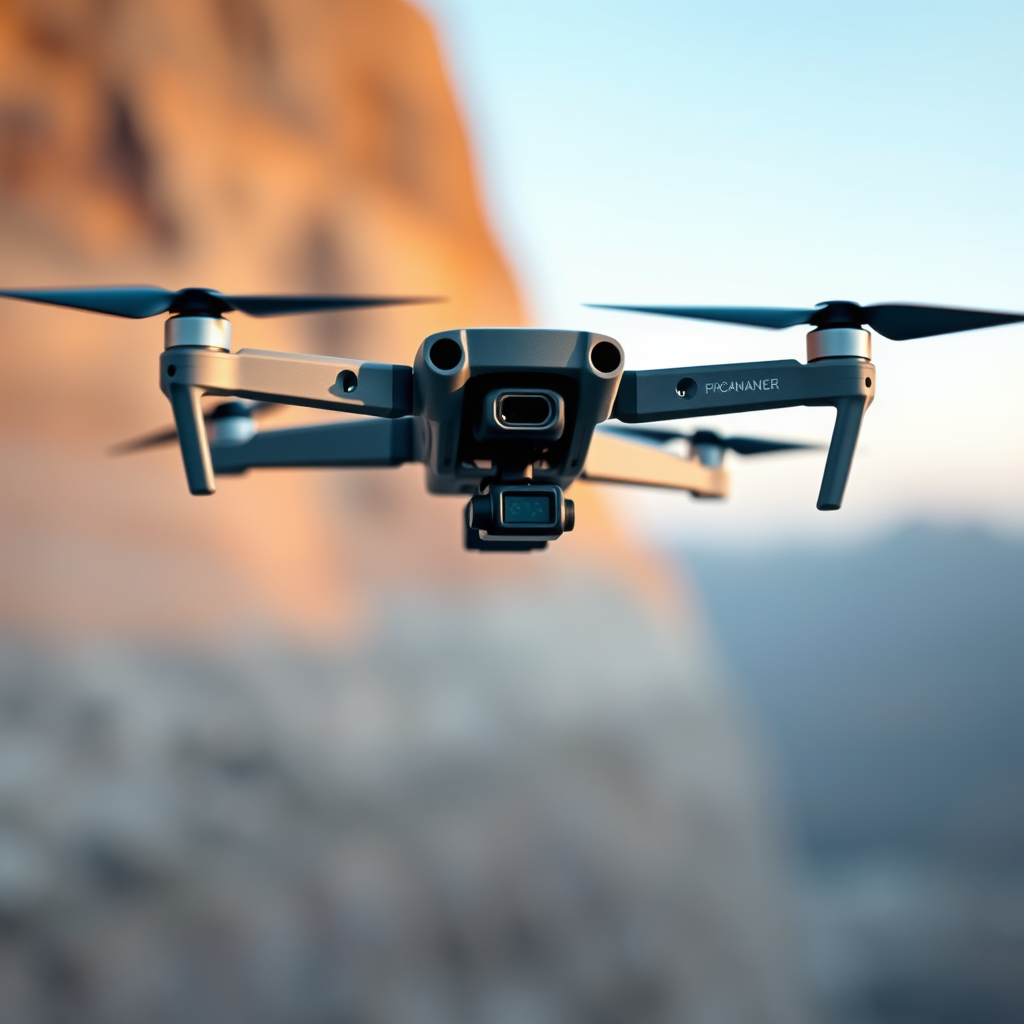
The DJI Mini 3 is a compact and robust drone designed for both novice and experienced pilots. It features advanced imaging capabilities, including a 1/1.3-inch sensor that captures 48MP stills and 4K video at 60fps. With intelligent flight modes like FocusTrack and QuickShots, it allows users to create stunning aerial footage with ease. Its lightweight design, weighing under 250 grams, increases its portability and makes it compliant with various regulations.
In contrast, the Anzu Raptor V is also a lightweight drone, tailored towards enthusiasts and professionals looking for an efficient aerial platform. It features a 4K camera with a 1/2.3-inch sensor, capable of delivering high-quality images and full HD video. The Raptor V is designed for quick deployments, featuring a foldable design that enhances its portability. It is also NDAA-compliant, which is crucial for users in sectors requiring stringent regulatory adherence.
Transmission Range Comparison: O3 vs. 7km
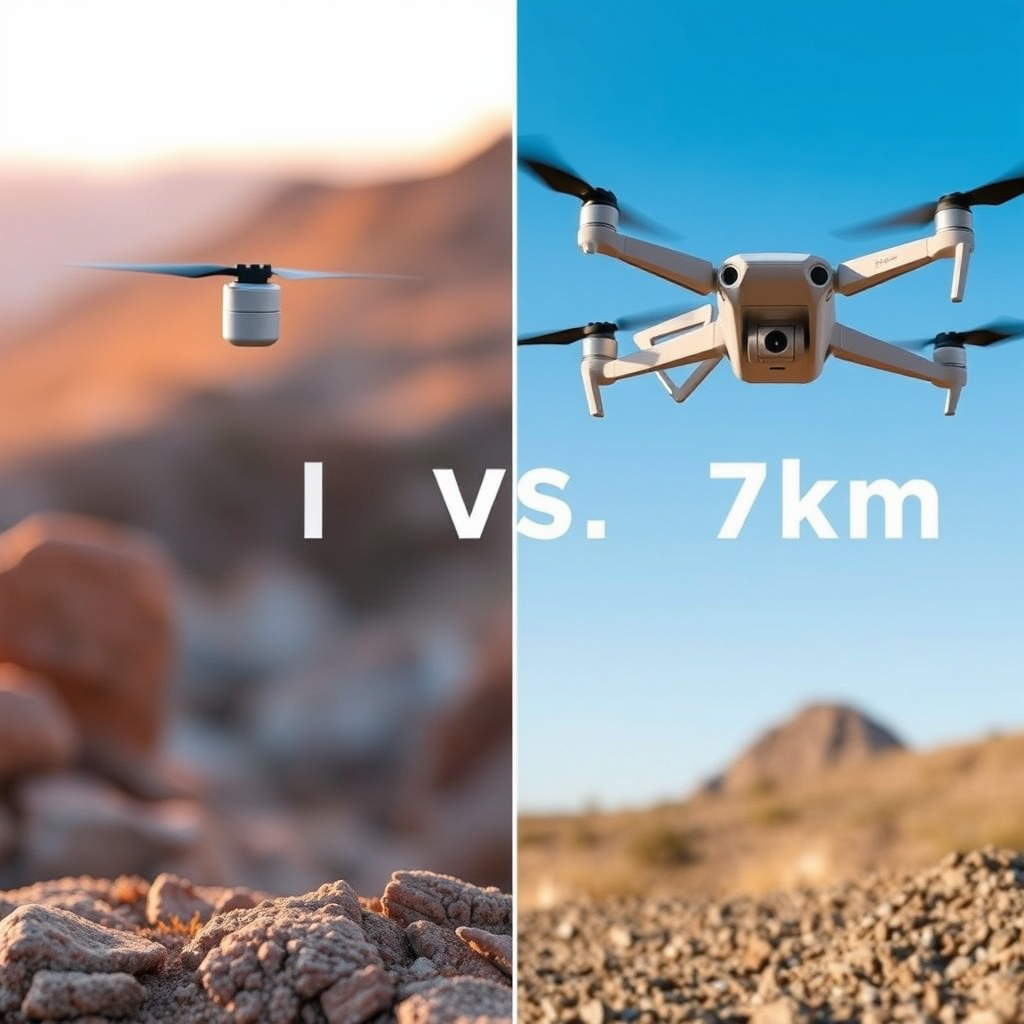
DJI’s O3 (OcuSync 3.0) technology revolutionizes drone transmission systems by providing a stable, long-range connection. This innovative technology allows the Mini 3 to maintain a reliable control signal and video feed up to 10km, ensuring users can capture footage from greater distances without compromising quality. The implications are significant for professional users who require extended operational range for mapping, surveying, or capturing expansive landscapes.
On the other hand, the Anzu Raptor V’s maximum transmission range of 7km is commendable, but it does set limitations for users who heavily rely on longer distances, particularly in professional applications. While the Raptor V still offers solid performance for recreational flying or short-range commercial use, its restricted range may necessitate more frequent repositioning of the pilot, potentially affecting workflow efficiency.
NDAA Compliance and Its Importance
The National Defense Authorization Act (NDAA) compliance is critical for drone users, particularly those in government, defense, and security sectors. This compliance ensures that the drones meet specific security standards, thus minimizing the risk of sensitive data exposure and ensuring safe operational protocols.
Both the DJI Mini 3 and the Anzu Raptor V achieve NDAA compliance, making them suitable for various professional applications. This compliance not only enhances their appeal to government agencies but also reassures users regarding the integrity and security of their aerial operations. By adhering to NDAA standards, both drones can be confidently integrated into sensitive projects, ensuring that users maintain compliance with federal regulations.
Weight and Portability: A Lightweight Showdown
Portability plays a pivotal role in the drone selection process, especially for users who need to travel frequently or operate in various locations. The DJI Mini 3 weighs just 249 grams, making it one of the lightest drones in its class. This lightweight design not only enhances its portability but also provides an advantage in flight performance, as it is less affected by wind and can achieve longer flight times.
Conversely, the Anzu Raptor V is slightly heavier but still maintains a lightweight profile, which facilitates ease of transport. While it may not outperform the Mini 3 in terms of weight, its foldable design allows for convenient storage and transport. The balance between weight and functionality is crucial for users, as it impacts not only the overall flying experience but also the drone’s versatility in various environments.
Camera Quality and Features
When it comes to aerial photography, the camera quality is often the defining factor for drone selection. The DJI Mini 3 features a 1/1.3-inch sensor that excels in low-light conditions, producing stunning 48MP images and 4K video at 60fps with vibrant colors and excellent dynamic range. Its array of intelligent shooting modes, including HDR and Night Mode, further enhances its versatility for capturing high-quality imagery in diverse lighting scenarios.
The Anzu Raptor V, equipped with a 1/2.3-inch sensor, offers solid performance with 4K video capabilities, but it may not match the Mini 3 in terms of low-light performance and overall image quality. While the Raptor V still provides satisfactory results for casual users and hobbyists, professionals may find the DJI Mini 3’s superior camera features more advantageous for high-stakes projects where image fidelity is paramount.
Pricing and Value for Money
The pricing of drones can significantly influence purchasing decisions, and both the DJI Mini 3 and Anzu Raptor V are competitively priced within their segments. The Mini 3 is positioned as a premium offering, reflecting its advanced features, superior camera quality, and extended transmission range. Users investing in the Mini 3 are often rewarded with a higher return on investment through enhanced capabilities and performance.
In contrast, the Anzu Raptor V is priced more affordably, catering to budget-conscious consumers or those who require a reliable drone for general use. While it may lack some of the advanced features of the Mini 3, the Raptor V’s pricing strategy makes it an appealing option for beginners or users who prioritize value over high-end specifications.
User Feedback and Reviews
User feedback is invaluable when evaluating the performance of these drones. The DJI Mini 3 has garnered widespread acclaim for its exceptional camera quality, ease of use, and impressive flight stability. Users frequently praise its intuitive controls and the wealth of advanced features that enhance the aerial photography experience.
Conversely, the Anzu Raptor V has received positive reviews for its affordability and solid performance, particularly among hobbyists and casual flyers. However, some users have noted limitations in its transmission range and camera capabilities compared to the Mini 3. Common criticisms include the need for enhancements in battery life and flight stability under windy conditions, which are essential for serious aerial work.
In summary, the DJI Mini 3 clearly leads in transmission range and overall features, making it a compelling choice for those seeking a high-performance drone. However, the Anzu Raptor V offers solid performance with NDAA compliance at a competitive price. Consider your specific needs and budget to make the best choice. For more insights on drone technology and comparisons, stay tuned to our blog!
Frequently Asked Questions
What are the key differences between the DJI Mini 3 and the Anzu Raptor V in terms of features and performance?
The DJI Mini 3 is known for its exceptional camera capabilities, including 4K video recording and advanced drone features like obstacle avoidance and intelligent flight modes. In contrast, the Anzu Raptor V, with a focus on a lightweight design and NDAA compliance, offers a solid 7km range with reliable flight performance but may not match the Mini 3’s advanced camera technology. Users should consider their primary needs—whether it’s professional-grade imagery or lightweight compliance—when choosing between these two drones.
How does the transmission range of the DJI Mini 3 (10km) compare to the Anzu Raptor V (7km)?
The DJI Mini 3 boasts an impressive transmission range of up to 10km, providing users with greater flexibility for long-distance flights and capturing expansive landscapes. On the other hand, the Anzu Raptor V’s 7km range still offers substantial coverage for recreational users and is adequate for many applications. However, if long-range flight is a priority for your drone usage, the DJI Mini 3 would be the better choice due to its superior transmission capabilities.
Why is NDAA compliance important when considering the Anzu Raptor V?
NDAA compliance is crucial for users who are subject to regulations that restrict the use of certain technologies, particularly in government and military applications. The Anzu Raptor V’s NDAA compliance means it adheres to the National Defense Authorization Act’s guidelines, ensuring that users can operate it without concerns about security risks associated with foreign-made drones. This feature makes the Raptor V a reliable choice for professionals in sensitive environments where compliance is mandatory.
What are the best use cases for each drone: DJI Mini 3 vs. Anzu Raptor V?
The DJI Mini 3 is ideal for photographers and videographers seeking high-quality aerial footage, thanks to its advanced camera features and intelligent flight modes. Conversely, the Anzu Raptor V is best suited for users needing a lightweight, compliant drone for basic surveying, inspections, or recreational flying, especially in environments where NDAA compliance is essential. Your choice should align with your specific aerial photography or operational needs.
Which drone offers better battery life and flight stability between the DJI Mini 3 and Anzu Raptor V?
The DJI Mini 3 typically provides a longer flight time, with up to 38 minutes on a single charge, making it more suitable for extended aerial projects. The Anzu Raptor V, while offering decent flight stability and performance, generally has a shorter flight duration due to its lightweight design. If longer flight times and stability in various weather conditions are priorities, the DJI Mini 3 is likely the better option for users requiring extended operational capabilities.
References
- DJI Mini
- https://www.theguardian.com/technology/2023/oct/01/drone-technology-advancements
- https://www.reuters.com/technology/drone-regulations-in-the-us-2023-09-15/
- https://www.faa.gov/uas/getting_started/part_107/
- https://www.techcrunch.com/2023/10/02/dji-mini-3-vs-anzus-raptor-v-drone-comparison/
- https://www.nytimes.com/2023/09/28/technology/drones-regulations-non-defense.html
- https://www.wired.com/story/drones-non-defense-technology/
