
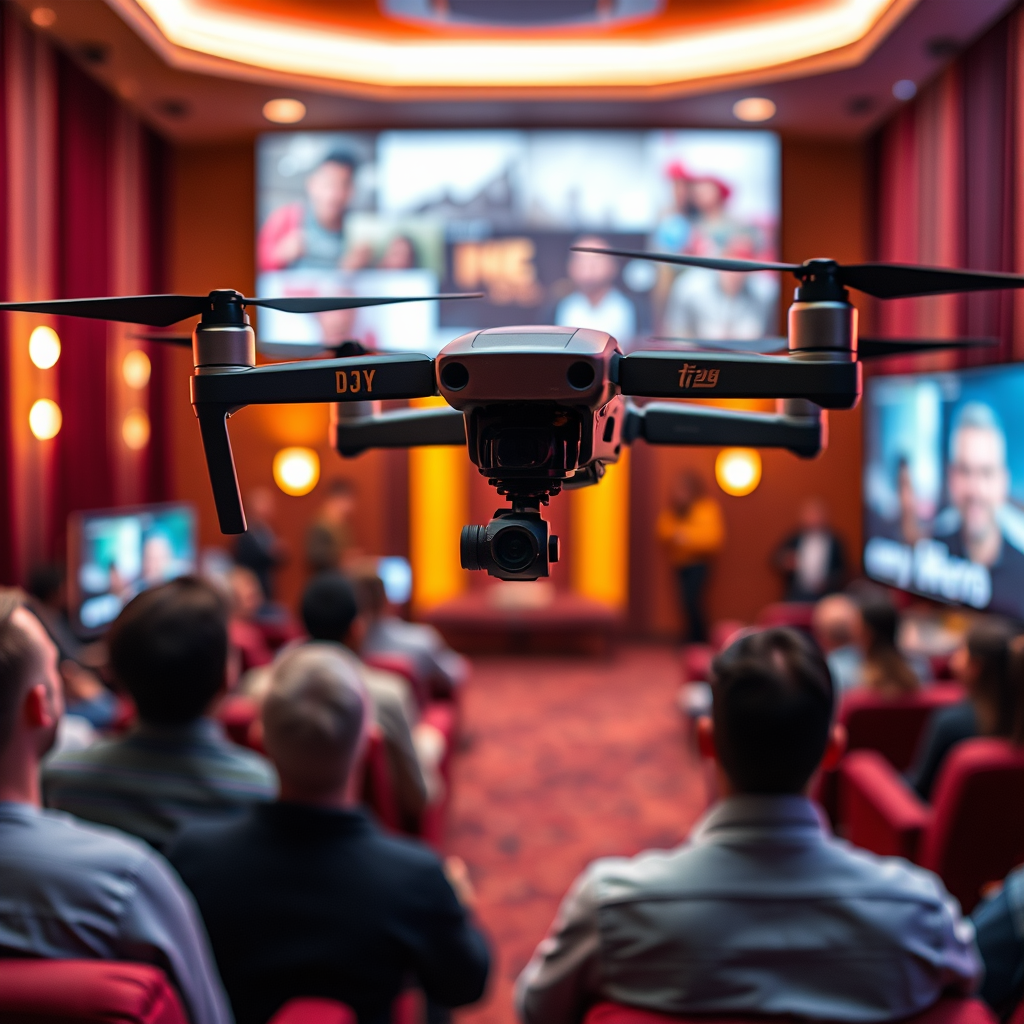
The DJI Mini 3 and Freefly Astro Prime are two of the most noteworthy drones on the market today, catering to distinct segments of users with different requirements. The Mini 3 excels with a remarkable 10km range thanks to its O3 technology, making it an excellent option for hobbyists and travelers, while the Freefly Astro Prime, with its 5km range, is tailored for enterprise applications where reliability and specific technical features are paramount. This article delves into a comprehensive comparison of these two drones across critical aspects, helping you decide which one aligns best with your aerial photography or business needs.
Performance and Range
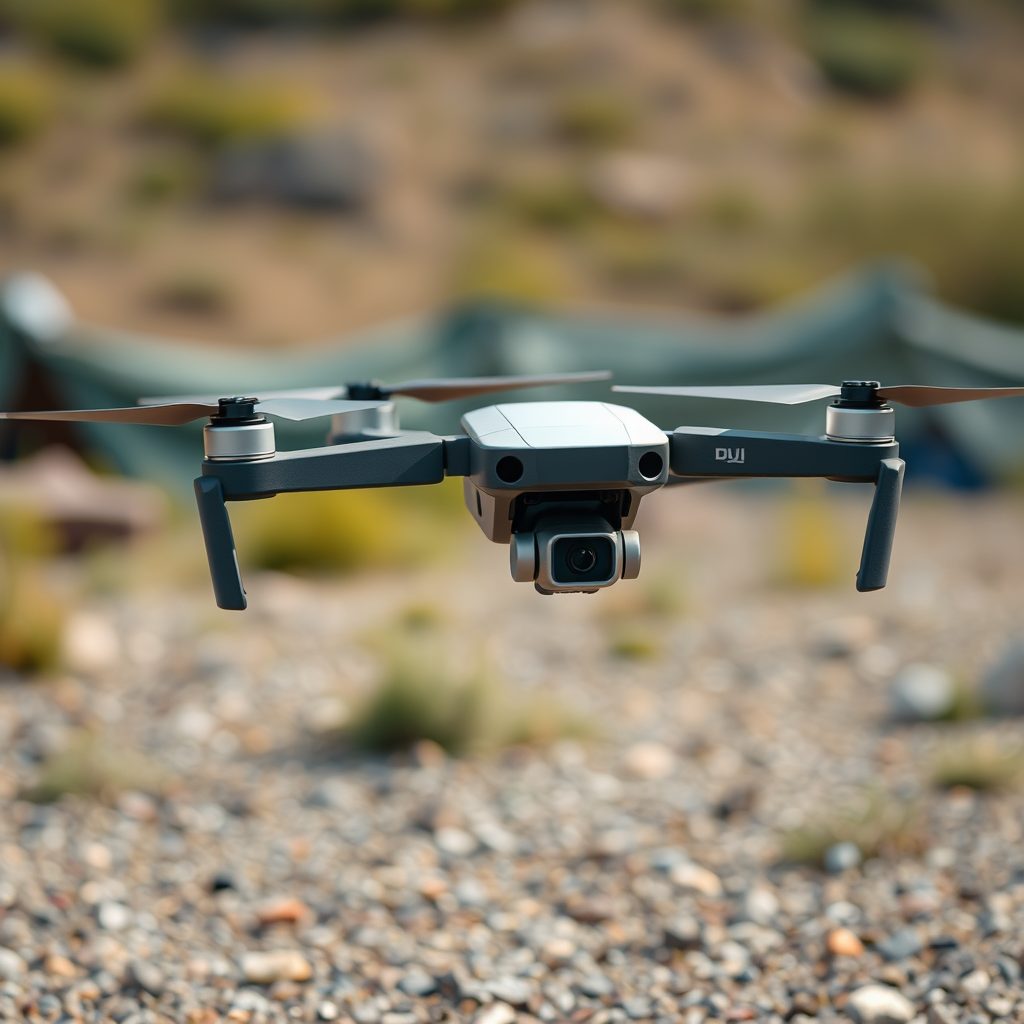
When it comes to performance and range, the DJI Mini 3 stands out with its O3 transmission technology, which allows for a maximum range of up to 10 kilometers. This extended range is particularly beneficial for users who require expansive coverage for aerial photography, surveying, and recreational flying. The O3 technology provides a robust signal that ensures stable connectivity, even in environments with potential interference, thus enhancing the overall flight experience.
In contrast, the Freefly Astro Prime, while limited to a 5km operational range, is optimized for enterprise solutions. This drone is designed to maintain a strong and stable connection within its range, making it suitable for industrial inspections and cinematography where reliability and precision are crucial. The shorter range of the Astro Prime does not detract from its performance; rather, it emphasizes the drone’s capability to perform in demanding conditions without compromising on quality.
Design and Portability
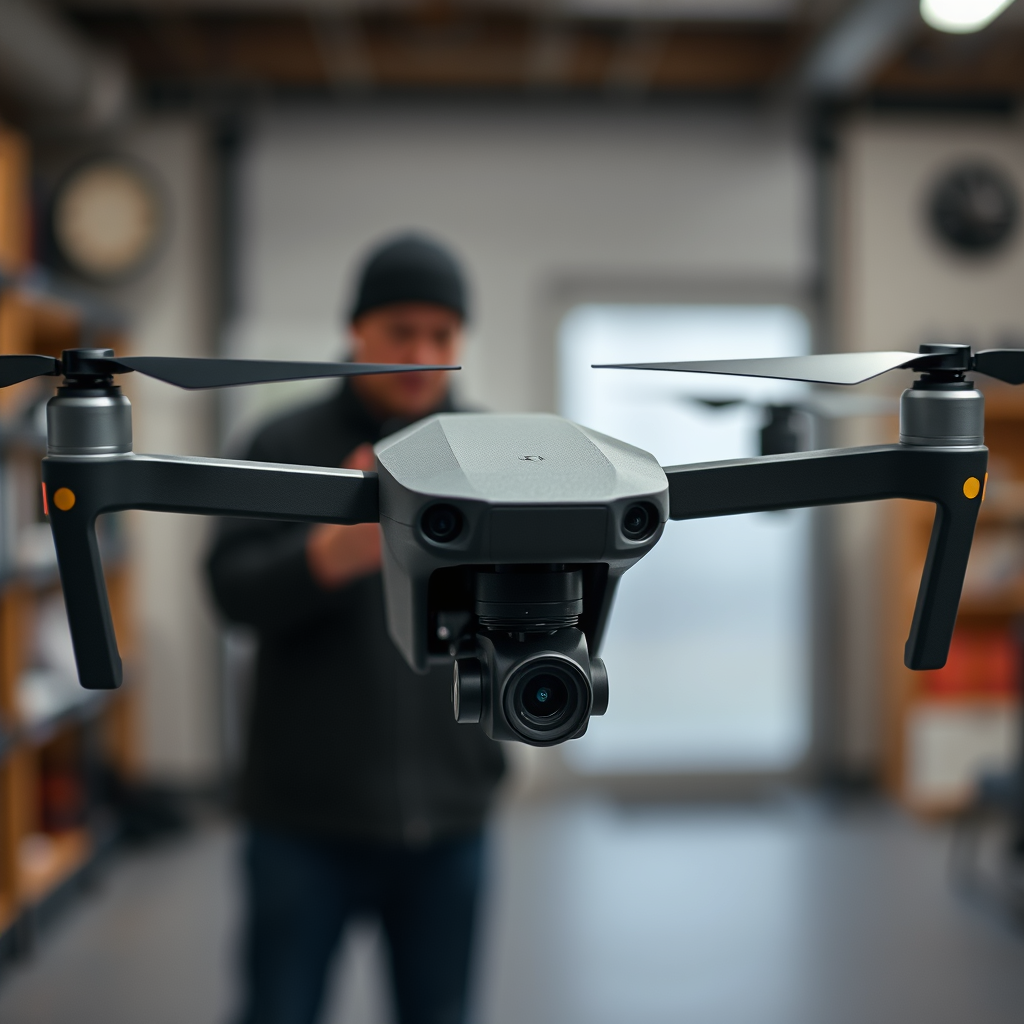
The design of the DJI Mini 3 is one of its most significant advantages. Weighing in at just 248 grams, this drone is remarkably lightweight and compact, making it highly portable. Its foldable design allows users to easily stow it in a backpack or carry-on luggage, making it an ideal companion for travelers and adventure seekers.
On the other hand, the Freefly Astro Prime is designed with enterprise applications in mind, which means it offers more rugged durability but comes at the cost of being slightly bulkier. This drone is engineered to withstand tougher environments, featuring a robust build that can endure the rigors of professional use. While it may not be as portable as the Mini 3, its design is functional for those who need a drone that can handle demanding tasks in various settings, from construction sites to film sets.
Camera Quality and Features
The camera quality of the DJI Mini 3 is impressive, featuring a 12MP wide-angle lens capable of shooting 4K video at 30 frames per second. This drone excels in various lighting conditions, allowing users to capture stunning images and videos, whether in bright sunlight or low-light environments. The Mini 3 also includes advanced features such as HDR video, which enhances dynamic range, and QuickShot modes that automate cinematic shots, making it accessible even for beginners.
In contrast, the Freefly Astro Prime is tailored for professional cinematography and offers advanced features such as modular camera configurations and superior stabilization technology. This drone supports payloads for higher-end cameras, enabling filmmakers to capture high-quality footage with intricate control. The Astro Prime’s gimbal system is designed for smooth, stable shots, making it an ideal choice for professionals who demand precision and flexibility in their filming techniques.
Battery Life and Charging
Battery life is another critical factor when choosing a drone. The DJI Mini 3 boasts an impressive flight time of approximately 38 minutes under ideal conditions, allowing for extended aerial sessions without frequent interruptions. This long battery life is particularly advantageous for photographers and videographers who need to maximize their time in the air.
Conversely, the Freefly Astro Prime, while offering a shorter flight duration of around 30 minutes, compensates for this with rapid charging capabilities. The ability to quickly recharge between flights makes it a practical choice for enterprise users who require minimal downtime. This feature is essential in professional settings where time is often of the essence, allowing operators to maintain workflow efficiency.
User Experience and Control
User experience is a vital aspect of any drone, and the DJI Mini 3 delivers an intuitive interface through its companion app. The app provides a user-friendly experience with easy access to flight modes, camera settings, and live video feeds. This accessibility makes the Mini 3 an excellent choice for beginners and hobbyists who may not have extensive experience flying drones.
In contrast, the Freefly Astro Prime targets professionals with its advanced controls and features designed for intricate flight maneuvers. Users can customize settings to suit specific filming requirements, and the drone’s controls allow for precise adjustments during flight. This level of control is essential for professionals who need to execute complex movements and capture high-quality footage.
Price and Value
When considering price and value, the DJI Mini 3 is positioned competitively, making it an attractive option for enthusiasts and casual users. Priced affordably, it provides excellent value for the features and performance it offers, appealing to a broad audience, from beginners to seasoned drone pilots.
The Freefly Astro Prime, however, is positioned as a premium product, reflecting its advanced capabilities and enterprise focus. While it comes at a higher price point, the investment is justified for professionals who need high-end features and reliability for commercial applications. For those in creative industries or sectors that require precision and stability, the Astro Prime offers exceptional value for the cost.
The comparison of these two drones highlights significant differences and potential advantages depending on user needs. If you’re looking for extended range and portability, the DJI Mini 3 is a strong contender. Alternatively, for professional applications with specific requirements, the Freefly Astro Prime may be the better choice. Evaluate your priorities and make an informed decision based on this detailed analysis.
In conclusion, both the DJI Mini 3 and Freefly Astro Prime have their unique strengths and cater to different audiences. The Mini 3 is ideal for those seeking a lightweight, user-friendly drone with an impressive range and excellent camera capabilities. In contrast, the Astro Prime is designed for professionals who demand advanced features, stability, and reliability for enterprise applications. Consider your specific needs, whether they are casual flying or professional cinematography, to choose the drone that best suits your requirements.
Frequently Asked Questions
What are the key differences between DJI Mini 3 and Freefly Astro Prime in terms of flight range and capabilities?
The DJI Mini 3 boasts an impressive O3 transmission technology, allowing for a flight range of up to 10 kilometers, while the Freefly Astro Prime has a maximum range of 5 kilometers. This significant difference in range makes the DJI Mini 3 more suitable for users needing extensive coverage for aerial photography or surveying. Additionally, the Mini 3 is designed for lightweight portability, making it more accessible for casual users, whereas the Astro Prime focuses on enterprise-grade applications.
How does the weight and portability of DJI Mini 3 compare to Freefly Astro Prime?
The DJI Mini 3 is renowned for its lightweight design, weighing under 250 grams, which makes it extremely portable and easy to maneuver for hobbyists and travelers. In contrast, the Freefly Astro Prime, while still manageable, is heavier due to its advanced enterprise features, making it less convenient for casual transport. This weight difference is crucial for users who prioritize ease of travel and setup in varying environments.
Why should I choose DJI Mini 3 over Freefly Astro Prime for my drone needs?
Selecting the DJI Mini 3 over the Freefly Astro Prime largely depends on your specific requirements. If you are a hobbyist or a beginner looking for a user-friendly, lightweight drone with impressive video quality and a longer range, the Mini 3 is an excellent choice. Conversely, if you need a drone for specialized enterprise tasks, such as industrial inspections or professional cinematography, the Astro Prime’s advanced capabilities may be better suited for your needs.
What is the significance of the O3 transmission technology in DJI Mini 3?
The O3 transmission technology in the DJI Mini 3 significantly enhances its flight performance by providing a stable and reliable connection between the drone and the controller, even at distances up to 10 kilometers. This technology ensures minimal lag and interference, enabling users to maintain control and receive high-quality live footage without interruptions. For anyone looking to maximize their aerial experience, O3 is a game-changer in providing seamless operation over long distances.
Which drone is better for professional use, the DJI Mini 3 or the Freefly Astro Prime?
For professional use, the Freefly Astro Prime is typically the better option due to its robust features tailored for enterprise applications, including higher payload capacities and advanced camera options. While the DJI Mini 3 excels in portability and ease of use, it is primarily geared towards enthusiasts rather than commercial applications. Therefore, if your work involves tasks that demand high performance and specialized functionalities, the Astro Prime would be the more appropriate choice.
References
- DJI Mini
- LG’s 65-inch C2 OLED TV is on sale for nearly its best price to date | The Verge
- https://www.reuters.com/technology/dji-mini-3-drone-review-2022-06-14/
- https://www.techcrunch.com/2023/08/01/freefly-astro-prime-drone-review/
- https://www.cnet.com/tech/mobile/dji-mini-3-review/
- https://www.wired.com/story/dji-mini-3-drone-review/
- https://www.nytimes.com/2023/05/12/technology/dji-mini-3-drone-review.html
