

The DJI Mini 4 Pro clearly outperforms the Anzu Raptor T in terms of range and technology, particularly with its O3 transmission system offering an impressive 10km range, compared to the Raptor’s 7km. This article delves into the key differences between these two drones, examining their capabilities, design, and compliance with NDAA regulations to help you make an informed choice tailored to your needs.
Overview of the Drones
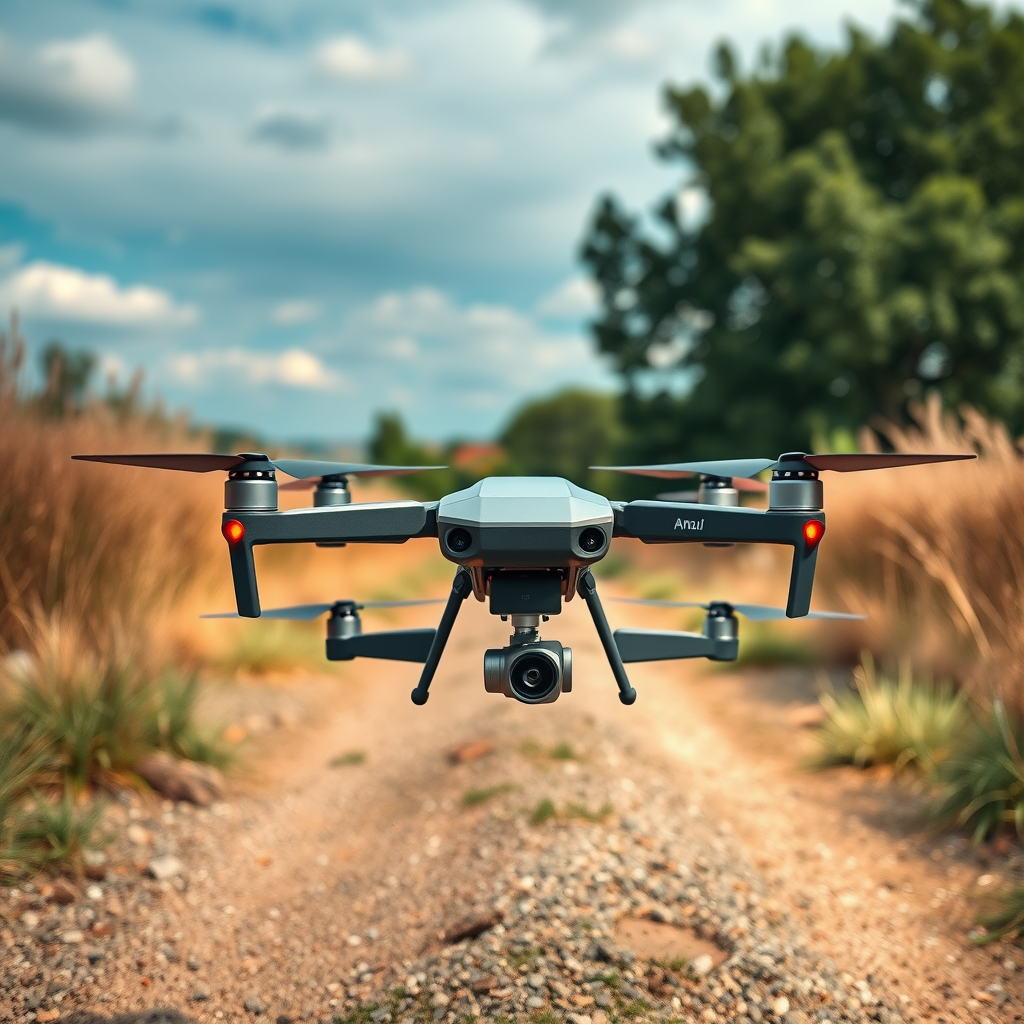
The DJI Mini 4 Pro is the latest innovation from DJI, renowned for its high-quality drones that blend cutting-edge technology with user-friendly design. The Mini 4 Pro comes equipped with an advanced O3 transmission system, allowing for a 10km control range and enhanced video transmission stability. On the other hand, the Anzu Raptor T is a lightweight drone designed with portability in mind, offering a 7km range with a focus on ease of use and compliance with the National Defense Authorization Act (NDAA). The significance of NDAA compliance lies in ensuring that drones used in sensitive environments meet stringent security standards, making them suitable for governmental and commercial applications.
Range and Performance
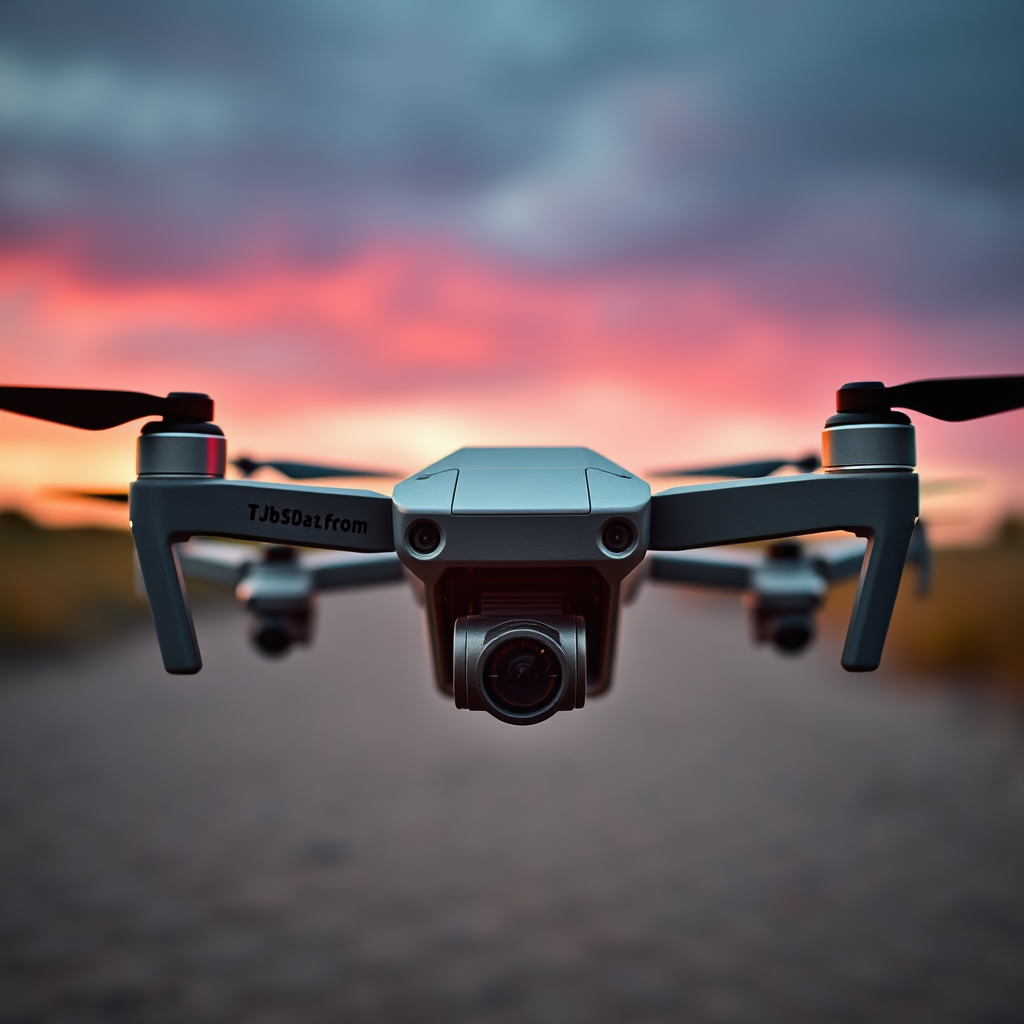
The DJI Mini 4 Pro’s 10km range is a game-changer for drone enthusiasts and professionals alike. This extended range allows users to capture breathtaking landscapes and perform complex aerial maneuvers without the anxiety of losing connection. The O3 technology ensures a stable video feed, minimizing interruptions and maximizing the potential for high-quality footage. Therefore, this drone is particularly advantageous for filmmakers, surveyors, and anyone who requires reliable long-distance flight capabilities.
In contrast, the Anzu Raptor T, with its 7km range, still offers decent performance, especially in urban or obstacle-rich environments where maneuverability is crucial. While it may not reach the same distances as the Mini 4 Pro, the Raptor T’s design is optimized for quick deployment and agile navigation, making it an excellent choice for recreational use or light commercial applications. Its range is sufficient for many users, especially those who may not need to fly long distances frequently.
Design and Build Quality
Both the DJI Mini 4 Pro and Anzu Raptor T excel in terms of lightweight construction, but they cater to different user preferences. The Mini 4 Pro weighs in at just 249 grams, making it exceptionally portable while maintaining a robust build quality that reflects DJI’s reputation for durability. Its sleek design enhances aerodynamics, contributing to improved battery life and flight stability, crucial for extended aerial sessions.
The Anzu Raptor T, similarly lightweight, is designed with a focus on compactness and portability. Weighing slightly more but still under the NDAA-compliant weight guidelines, the Raptor T features an ergonomic design that facilitates easy handling and transport. Its user-friendly layout includes intuitive controls that make it accessible for beginners, while its rugged construction ensures it can withstand the rigors of outdoor use.
Camera and Imaging Capabilities
When it comes to camera specifications, the DJI Mini 4 Pro takes the lead with its 48MP camera capable of shooting 4K video at 60 frames per second. This not only provides stunning image quality but also offers advanced features such as HDR and improved low-light performance, making it ideal for professional-grade photography and videography. The Mini 4 Pro also supports various intelligent shooting modes, allowing users to experiment with different perspectives and capture creative content with ease.
In comparison, the Anzu Raptor T features a 12MP camera that, while decent for casual use, does not match the imaging capabilities of the Mini 4 Pro. The Raptor T is designed for users who prioritize practicality and basic aerial photography over advanced features. Its camera is suitable for capturing everyday moments and is more than adequate for hobbyists or those looking to document their adventures without the need for professional-level quality.
Flight Features and Controls
The DJI Mini 4 Pro is equipped with advanced flight features that enhance user experience significantly. Its obstacle avoidance technology utilizes multiple sensors to detect and navigate around obstacles, providing a safer flying experience, especially in complex environments. This feature, combined with intelligent flight modes such as Follow Me and Waypoints, allows users to focus more on capturing stunning visuals rather than managing flight intricacies.
The Anzu Raptor T, while lacking some of the advanced features of the Mini 4 Pro, boasts an intuitive control system that prioritizes user-friendliness. Its simple interface and responsive controls enable users, regardless of experience level, to pilot the drone with confidence. This makes the Raptor T an excellent entry point for beginners, as it allows them to learn the basics of drone operation without the complexities associated with more advanced models.
Compliance with NDAA Regulations
NDAA compliance is crucial for users, particularly those in government or sensitive commercial sectors, as it ensures that the drones they operate meet specific security and operational standards. The DJI Mini 4 Pro complies with these regulations, making it a suitable choice for professionals who require a reliable tool that adheres to governmental guidelines.
The Anzu Raptor T also follows NDAA compliance, offering users peace of mind when it comes to security and data protection. For organizations that prioritize compliance, both drones present viable options; however, the choice may ultimately depend on the specific requirements and applications each user has in mind.
Price and Value Comparison
In terms of pricing, the DJI Mini 4 Pro is positioned at a higher price point, reflective of its advanced technology, superior camera capabilities, and extended range. However, for professionals and serious enthusiasts, the investment can yield significant returns in terms of quality and versatility.
Conversely, the Anzu Raptor T is priced more affordably, making it accessible for recreational users or those new to the drone market. While it may lack some of the advanced features offered by the Mini 4 Pro, it still provides good value for casual users who seek a lightweight and compliant drone for basic aerial photography and fun flying.
The long-term value of each drone will depend on the specific needs of the user. For those who require advanced features and capabilities, the DJI Mini 4 Pro represents a worthwhile investment. For casual users, the Anzu Raptor T offers sufficient functionality at a lower cost.
The DJI Mini 4 Pro clearly leads in range, technology, and advanced features, making it the preferred choice for serious drone enthusiasts. However, the Anzu Raptor T offers a solid alternative for those prioritizing a lightweight option within NDAA compliance. Ultimately, the decision will depend on your specific needs and budget, so evaluate these factors carefully before making a purchase.
Frequently Asked Questions
What are the key differences between the DJI Mini 4 Pro and the Anzu Raptor T in terms of camera capabilities?
The DJI Mini 4 Pro features a high-quality camera capable of capturing 4K video at 60fps and offers advanced features like HDR and improved low-light performance, making it ideal for professional videography. In contrast, the Anzu Raptor T is designed more for casual users and has a lower video resolution of 1080p at 30fps, which may not satisfy those looking for superior video quality, especially in challenging lighting conditions.
How does the range of the DJI Mini 4 Pro compare to the Anzu Raptor T, specifically regarding their transmission distances?
The DJI Mini 4 Pro boasts an impressive transmission range of up to 10 kilometers thanks to its O3 technology, allowing users to capture stunning aerial footage from greater distances without losing signal quality. Meanwhile, the Anzu Raptor T has a maximum range of 7 kilometers, which, while still decent for casual use, may limit the ability to film in expansive landscapes or remote locations.
Why is the NDAA compliance significant when choosing between the DJI Mini 4 Pro and the Anzu Raptor T?
NDAA compliance is crucial for government and military personnel or contractors who are restricted from using equipment that may pose security risks. The Anzu Raptor T is NDAA compliant, making it a suitable choice for those operating under these regulations. In contrast, the DJI Mini 4 Pro may not meet these requirements, potentially limiting its use in sensitive situations.
Which drone is better for beginners: the DJI Mini 4 Pro or the Anzu Raptor T?
For beginners, the Anzu Raptor T may be the better choice due to its user-friendly design and simpler controls, making it easier to learn the basics of drone flying without overwhelming features. However, the DJI Mini 4 Pro also caters to beginners with its intuitive app interface and automated flight modes, providing opportunities for growth as skills improve. Ultimately, it depends on the user’s goals and willingness to invest in a more advanced system.
What are the weight differences between the DJI Mini 4 Pro and the Anzu Raptor T, and how does this affect portability?
The DJI Mini 4 Pro weighs approximately 249 grams, while the Anzu Raptor T is slightly heavier at around 300 grams. This difference makes the DJI Mini 4 Pro more portable and easier to carry for long flights, which is advantageous for travel enthusiasts or those planning to hike to remote filming locations. The lighter weight of the Mini 4 Pro also means it can be flown in more restricted areas where weight regulations apply.
References
- https://en.wikipedia.org/wiki/DJI_Mini_4_Pro
- https://www.reuters.com/technology/dji-mini-4-pro-drone-review-2023-09-06/
- https://www.theguardian.com/technology/2023/sep/07/dji-mini-4-pro-drone-review
- https://www.techcrunch.com/2023/09/08/dji-mini-4-pro-vs-anzus-raptor-t/
- https://www.nytimes.com/2023/09/05/technology/dji-mini-4-pro-drone.html
- https://www.wired.com/story/dji-mini-4-pro-drone-review/
- Unmanned Aircraft Systems (UAS) | Federal Aviation Administration
- National Institute of Standards and Technology
- NASA
- The Association for the Advancement of Artificial Intelligence
