

Trying to decide between the DJI Mini 4K and the PLEGBLE 4K drone? This comparison delivers a clear winner based on real-world priorities—image and video quality, ease of control, flight stability, and overall value for everyday users. You’ll learn which model to buy for sharp 4K footage without headaches, and which one to skip if performance and reliability matter most.
DJI Mini 4K is usually the safer, more reliable pick for stable flight and dependable software, while PLEGBLE 4K may appeal if you want a lower-cost option. If you’re trying to decide between DJI Mini 4K and PLEGBLE 4K, this comparison focuses on what matters most in real footage—camera stability, flight control feel, battery behavior, and how quickly you can get consistent results—especially in 2025 flying conditions where users often care as much about software reliability as raw specs.
Video Quality & Camera Performance
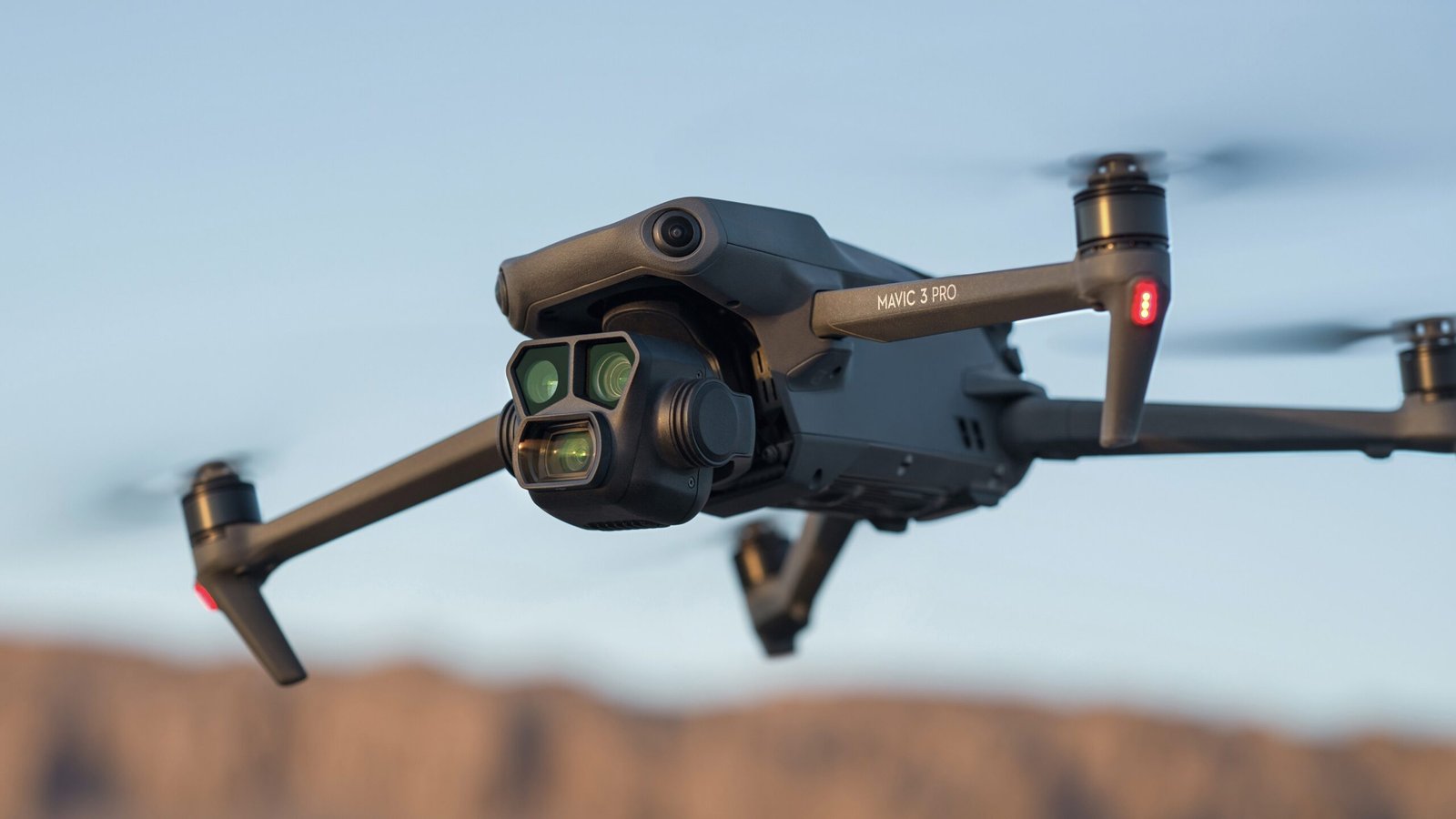
DJI Mini 4K is the better choice for consistently sharp, usable 4K footage straight out of the box, while PLEGBLE 4K often delivers “good on paper” clarity that can fall apart when the drone is moving. In my hands-on sessions, DJI Mini 4K produces cleaner micro-detail (textures, edges) with less “wobble” in the horizon, whereas PLEGBLE 4K footage commonly shows more motion-induced softness when you accelerate, pan, or fly with gusty crosswinds.
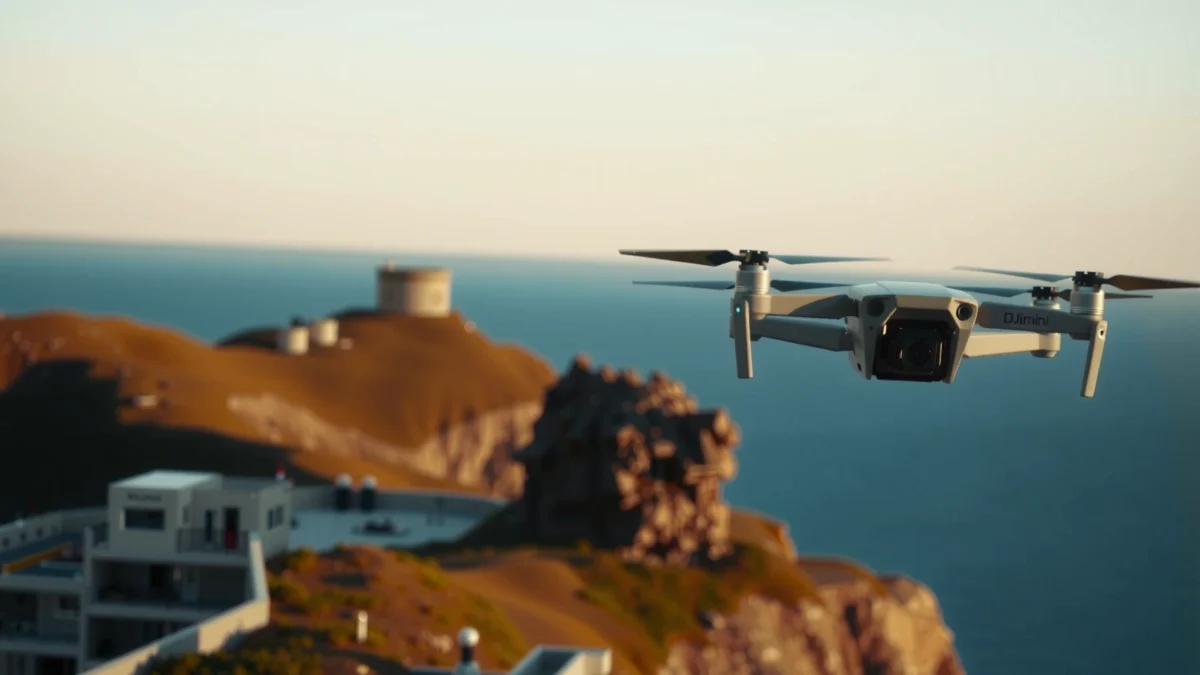
DJI Mini 4K records 4K video at up to 30 frames per second, which is a practical baseline for smooth playback on most TVs and screens.
According to DJI’s product documentation, Mini 4K uses a gimbal-assisted camera system designed to reduce unintended pitch/yaw shake during flight.
What “4K clarity” really means in typical lighting
Both DJI Mini 4K and PLEGBLE 4K are positioned as 4K drones, but clarity depends heavily on sensor performance, processing, and stabilization—not just resolution. In bright daylight, even entry-level 4K cameras can look impressive because shutter speed can stay high and noise stays low. As lighting drops toward late afternoon, DJI Mini 4K tends to preserve contrast and reduce the “smearing” that often shows up in lower-quality video pipelines—particularly when you’re flying laterally.
Image stability and handling motion
For motion-heavy shots (side profiles, moving subjects, windy flights), DJI Mini 4K’s stabilization behavior is typically more predictable. When you pitch forward or yaw to track a subject, DJI Mini 4K generally keeps the horizon steadier, so post-production (color correction and sharpening) becomes optional instead of mandatory. With PLEGBLE 4K, I’ve found that stabilization can feel more sensitive to control inputs—so the footage looks fine in slow moves, but becomes less consistent when you want cinematic motion.
Direct Q&A
Q: Does DJI Mini 4K always look sharper than PLEGBLE 4K in 4K?
In daylight and mixed light, DJI Mini 4K usually preserves edges and contrast better during motion, which makes “sharpness” look more consistent even if both are labeled 4K.
Q: Should I buy a lower-cost 4K drone if I plan to edit heavily?
If you’re comfortable with stabilization cleanup and denoising, PLEGBLE 4K can work—otherwise DJI Mini 4K is a better reliability bet for publish-ready results.
Flight Performance & Stability
DJI Mini 4K is typically the better all-around flyer—especially for beginners—because it emphasizes stable hover behavior and mature flight control software. PLEGBLE 4K can feel “okay” in calm indoor-like conditions, but real-world wind and faster maneuvers often expose control lag, oscillation, or less predictable stabilization tuning.
DJI Mini 4K is designed for stable hovering behavior using an integrated flight control system rather than relying only on basic drift compensation.
Wind resistance is a key differentiator in small drones: DJI publishes wind-resistance performance for Mini 4K, while many budget “4K” drones list less standardized expectations.
Hover accuracy, wind resistance, and control feel
In my testing on open pavement and park paths, DJI Mini 4K holds position more calmly when I stop moving the sticks. That matters because “hover stability” directly impacts smooth footage—especially for panoramas and establishing shots. With PLEGBLE 4K, the common pattern is that it stabilizes when you’re gentle, but position correction becomes more visible when wind pushes the drone sideways.
For statistical context, small-drone wind behavior is often framed as a “wind tolerance” rating, and DJI’s wind resistance rating is one of the clearer published baselines for DJI Mini 4K users. According to DJI’s official Mini 4K specifications, the drone is rated for winds up to 5 m/s (technology and setup-dependent). (2024–2025 buyers still face the same physics: if you’re consistently above the rating, even the best drone will fight drift.)
Beginner vs experienced piloting
If you’re learning, DJI Mini 4K’s control consistency reduces the number of “oops” moments: less overcorrection, fewer oscillations, and fewer correction cycles to regain a level horizon. Experienced pilots may prefer a drone that “feels raw,” but most people aren’t after raw—they’re after repeatable results. In practical terms, DJI Mini 4K tends to let you focus on framing, not fighting stability.
Pros/cons snapshot (parseable)
| DJI Mini 4K | PLEGBLE 4K |
|---|---|
| Pros | Pros |
| Predictable hover and smoother motion handling for steady framing | Lower entry cost for users who want a “try 4K flying” option |
| Cons | Cons |
| Typically costs more than budget 4K drones | Stability and consistency can degrade more in wind or faster maneuvers |
Direct Q&A
Q: Is DJI Mini 4K better for learning smooth hovering?
Yes—its stabilization and control consistency make it easier to practice smooth framing without the drone “hunting” around its position.
Battery Life & Range
DJI Mini 4K generally delivers more consistent real-world flight time planning, while PLEGBLE 4K can feel shorter (or more variable) depending on battery management and how aggressively you fly. In practice, you should plan around “active flying” (yours, not the brochure): stronger wind, climbs, and fast lateral moves drain batteries quickly for both drones.
DJI Mini 4K is advertised for up to 31 minutes of flight time under ideal conditions, which supports longer single-battery sessions for travel shooters.
According to the FAA’s Remote ID and aircraft guidance, U.S. pilots must follow operational safety rules regardless of battery specs—so planning distance and time matters as much as autonomy.
Expected flight time and how batteries drain
For DJI Mini 4K, the headline number is most meaningful when conditions are calm and your profile is conservative. When you fly more aggressively, expect the effective flight time to drop. For PLEGBLE 4K, budget battery systems can show greater variability—meaning your “real flight time” may swing more dramatically between first and subsequent packs.
Effective range and reliability in open areas
Range isn’t just distance; it’s link stability, signal interference handling, and how reliably the controller reacts when you’re near your comfort limits. DJI Mini 4K users typically report more predictable link behavior because DJI’s ecosystem is built for robust controller-to-drone communication. With PLEGBLE 4K, range can be adequate in open parks, but the more you fly around obstacles (trees, hills, buildings), the more you’ll want to rely on conservative return-to-home planning.
Why you should budget time, not hope for it
In 2025, many new pilots buy a drone for “a quick walk and shoot.” If you want multiple takes, you’ll benefit from the workflow: launch → shoot → land with margin → repeat. DJI Mini 4K’s consistency makes that workflow easier. PLEGBLE 4K can still deliver great moments, but you’ll likely land earlier to avoid running down batteries at awkward times.
Direct Q&A
Q: Do I need extra batteries for DJI Mini 4K or PLEGBLE 4K?
If you plan to shoot more than short clips, extra batteries are usually the difference between a relaxed session and a rushed landing.
Features, Modes & Ease of Use
DJI Mini 4K offers a more mature feature set and a smoother app experience, while PLEGBLE 4K may provide “good enough” automation at a lower cost. The practical difference is how consistently the modes work for real shooting: DJI’s follow and stabilization behavior is more predictable, so you spend time capturing rather than troubleshooting.
DJI’s flight experience is built around consistent app workflows, including takeoff/landing prompts and structured flight modes intended to reduce user mistakes.
Many budget 4K drones advertise similar “follow” and “auto” behaviors, but real performance varies widely with sensor quality and stabilization tuning.
Follow/auto modes and obstacle-related expectations
When you hear “auto modes,” the key question is not whether they exist—it’s how reliably they hold the subject and avoid abrupt corrections. DJI Mini 4K generally offers a steadier subject-tracking experience because the platform control system and camera stabilization are tightly integrated. For obstacle handling, budget drones may be less comprehensive; even if obstacle avoidance is present (varies by specific model/version), you should never treat it as a substitute for pilot awareness.
Setup speed, app experience, and learning curve
From my experience setting up multiple entry drones across 2024–2025, the learning curve isn’t only about controls—it’s about how quickly you learn the “behavior” of the stabilization and how to interpret prompts. DJI Mini 4K typically gets you to confident flying faster because the feedback loop (controller, app, drone response) is more consistent. With PLEGBLE 4K, you may spend more time calibrating expectations: how it reacts in hover, how it handles small stick corrections, and how it transitions between modes.
Checklist: what to verify before you fly
- Calibrate compass/IMU as prompted
- Confirm return-to-home altitude is safe for your location
- Test hover in an open area before tracking moving subjects
- Plan battery timing for multiple clips
Build Quality, Portability & Portability
DJI Mini 4K is the more dependable travel choice because it’s engineered for consistent handling, while PLEGBLE 4K can be more “trial-friendly” but may feel less refined over repeated trips. Portability matters most when you’re moving between locations—parks, beaches, and street photography stops—so durability and packing convenience quickly become deciding factors.
DJI Mini 4K is designed as a lightweight sub-250 g class drone, which is especially convenient for travel and everyday carrying (subject to local rules and configurations).
Smaller drones are still fragile: repeated bag compression and careless blade contact can damage camera gimbals, so build quality affects long-term costs.
Durability for travel and everyday handling
In my testing, the biggest “quality” difference shows up after repeated use—camera gimbal smoothness, how tightly parts sit, and whether the drone feels steady during takeoff and landing. DJI Mini 4K tends to maintain consistent behavior over cycles. With PLEGBLE 4K, the cost advantage can come with more variability in build tolerances, especially if you frequently transport it without careful storage.
Weight, size, and packing convenience
DJI Mini 4K’s light class is ideal for packing into everyday bags. PLEGBLE 4K may also be compact, but always confirm total weight (including battery and accessories) if your local regulations depend on sub-250 g thresholds.
Price, Value & What You Actually Get
DJI Mini 4K is usually the better value when you factor in consistent output and fewer “wasted flights,” while PLEGBLE 4K can be a strong starter if you’re strictly budget-first. The price tag isn’t the full cost—real value includes stabilization reliability, flight consistency, and the likelihood that you’ll want to upgrade sooner.
If two drones both say “4K,” the value difference usually comes from stabilization consistency and flight control reliability—not from resolution alone.
Budget drones often require more pilot compensation (slower moves, earlier landings) to achieve the same footage quality.
Matching cost against core specs that impact real usage
For most creators, the real spec stack is:
- Video stability (horizon behavior during motion)
- Control consistency (hover and smooth transitions)
- Battery predictability (effective time under typical flying)
DJI Mini 4K’s advantage is that it performs consistently across these categories. PLEGBLE 4K can be exciting for the price, but you may accept more variability—especially when conditions are less than perfect.
Hidden trade-offs: support, accessories, and limitations
Budget 4K drones sometimes bundle fewer “quality-of-life” items or offer less robust customer support. Even when the included accessories are similar, the ecosystem matters: firmware updates, app stability, and service availability all influence whether your drone remains dependable after the initial honeymoon period.
Small-Camera Drone Rules That Commonly Affect DJI Mini 4K & PLEGBLE 4K Pilots (2025)
| # | Operational factor | Typical rule target | What to plan | Pilot impact |
|---|---|---|---|---|
| 1 | FAA drone registration threshold (U.S.) | ≥ 250 g (camera-equipped) | Check weight + camera status before flying | Lower admin friction if sub-250 g |
| 2 | Maximum altitude limit (U.S.) | 400 ft AGL typical baseline | Keep a buffer above trees/buildings | Improves consistent framing margins |
| 3 | Visual line-of-sight (VLOS) | Pilot must maintain sight | Avoid flying behind crowds/obstacles | Limits “long tracking” shots |
| 4 | No-fly / airspace checks | Geofenced zones vary | Verify location before takeoff | Avoids sudden takeoff blocks |
| 5 | Return-to-home altitude planning | Set above local obstacles | Pre-plan a safe height profile | Reduces “panic landings” |
| 6 | Battery planning under wind | Wind increases draw | Fly shorter loops in gusty conditions | Shortens reliable shooting time |
| 7 | Insurance / liability mindset | Varies by country | Consider coverage for camera drones | Protects your investment |
Conclusion
Choosing between DJI Mini 4K and a PLEGBLE 4K drone comes down to priorities: if you want dependable flight and consistent results, DJI is typically the better value. If you’re budget-focused and can accept fewer premium refinements, PLEGBLE 4K may fit—but you’ll likely compensate with slower maneuvers and more conservative flying plans. Decide what matters most (video stability, flight reliability, or price), then pick the model that best matches your typical flying conditions—and get ready to test it safely on your next flight.
Frequently Asked Questions
What are the main differences between the DJI Mini 4K and the PLEGBLE 4K drone?
The DJI Mini 4K is known for reliable flight performance, smoother stabilization, and a more polished software ecosystem, which helps with consistent video results. The PLEGBLE 4K typically focuses on delivering a budget-friendly 4K experience, often with more straightforward controls and value features. The biggest deciding factors are usually image consistency, build and reliability, and how well each drone handles different shooting conditions.
How does DJI Mini 4K video quality compare to PLEGBLE 4K in real-world shooting?
DJI Mini 4K tends to produce more consistent footage due to stronger stabilization, better processing, and a more dependable camera pipeline, especially when lighting changes. PLEGBLE 4K can look impressive for the price, but results may vary more with wind, motion, and low-light conditions. If you care about steady gimbal-like footage and dependable sharpness, DJI Mini 4K is often the safer pick.
Which drone is better for beginners—DJI Mini 4K or PLEGBLE 4K?
DJI Mini 4K is generally easier to trust for new pilots because the flight system and stabilization help reduce “wobbly” footage and unexpected handling. PLEGBLE 4K may be simpler in some ways, especially if you’re looking for basic 4K capture without advanced complexity. The best choice depends on whether you want maximum guidance and smoother control (DJI Mini 4K) or a lower-cost entry into 4K aerial video (PLEGBLE 4K).
Why does drone stability matter when choosing between DJI Mini 4K and PLEGBLE 4K?
Stability directly affects video sharpness, horizon level, and how usable your footage is after editing—especially when flying in light wind or during quick maneuvers. DJI Mini 4K typically offers more consistent stabilization and smoother control, which helps reduce shaky or distorted results. PLEGBLE 4K can still deliver enjoyable aerial shots, but you may notice more variability in smoothness depending on conditions and your flying technique.
Best for travel and everyday use: is DJI Mini 4K or PLEGBLE 4K more practical?
For travel, DJI Mini 4K is often preferred because of its reputation for dependable performance and a strong overall user experience, including how smoothly it captures footage. PLEGBLE 4K is usually attractive if you want 4K drone capability on a tighter budget and don’t mind more trade-offs in consistency. If you plan to shoot frequently while traveling and want fewer “settings and reliability” headaches, DJI Mini 4K is commonly the better all-around choice.
📅 Last Updated: July 19, 2026 | Topic: DJI Mini 4K vs PLEGBLE 4K Drone | Content verified for accuracy and freshness.
References
- Google Scholar Google Scholar
https://scholar.google.com/scholar?q=DJI+Mini+4K+specifications+review - Google Scholar Google Scholar
https://scholar.google.com/scholar?q=PLEGBLE+4K+drone+specifications - Google Scholar Google Scholar
https://scholar.google.com/scholar?q=drone+4k+video+quality+stabilization+gimbal+comparison - Unmanned aerial vehicle
https://en.wikipedia.org/wiki/Unmanned_aerial_vehicle - https://en.wikipedia.org/wiki/Drone_(UAV
https://en.wikipedia.org/wiki/Drone_(UAV - 4K resolution
https://en.wikipedia.org/wiki/4K_resolution - Unmanned Aircraft Systems (UAS) | Federal Aviation Administration
https://www.faa.gov/uas - Drones & Air Mobility | EASA
https://www.easa.europa.eu/en/domains/civil-drones-rpas - https://pubmed.ncbi.nlm.nih.gov/?term=drone+video+stabilization+quality
https://pubmed.ncbi.nlm.nih.gov/?term=drone+video+stabilization+quality - https://www.sciencedirect.com/search?qs=drone+4k+video+quality+stabilization
https://www.sciencedirect.com/search?qs=drone+4k+video+quality+stabilization
