

DJI drones are widely regarded as some of the most reliable consumer and prosumer aircraft on the market, yet many first-time buyers still ask the same question: do DJI drones crash often? The short answer is no—not when they are used correctly. DJI has built its reputation on flight stability, intelligent safety systems, and user-friendly controls that reduce the likelihood of accidents. Still, no drone is immune to crashes. Like any unmanned aerial vehicle, a DJI drone can fail due to pilot error, environmental hazards, poor maintenance, or technical limitations.
📋 About This Article
DJI drones don’t crash often—especially when you fly them correctly and respect their safety limits. This article is for first-time buyers and new DJI owners who want a realistic look at how reliable these drones are in everyday use. It covers what DJI’s safety features can do, why crashes still happen (like pilot error or tough conditions), and how to reduce your risk before and during flights.
Understanding how often crashes happen requires a balanced view. A drone equipped with GPS positioning, obstacle sensing, return-to-home capability, and flight automation is far less likely to crash than a basic aircraft without those protections. At the same time, overconfidence, flying in difficult weather, or ignoring battery warnings can quickly turn an otherwise safe flight into a costly incident. For drone owners, the key is not only knowing what DJI safety technology can do, but also recognizing where its limits begin.
How Safe Are DJI Drones in Real-World Use?
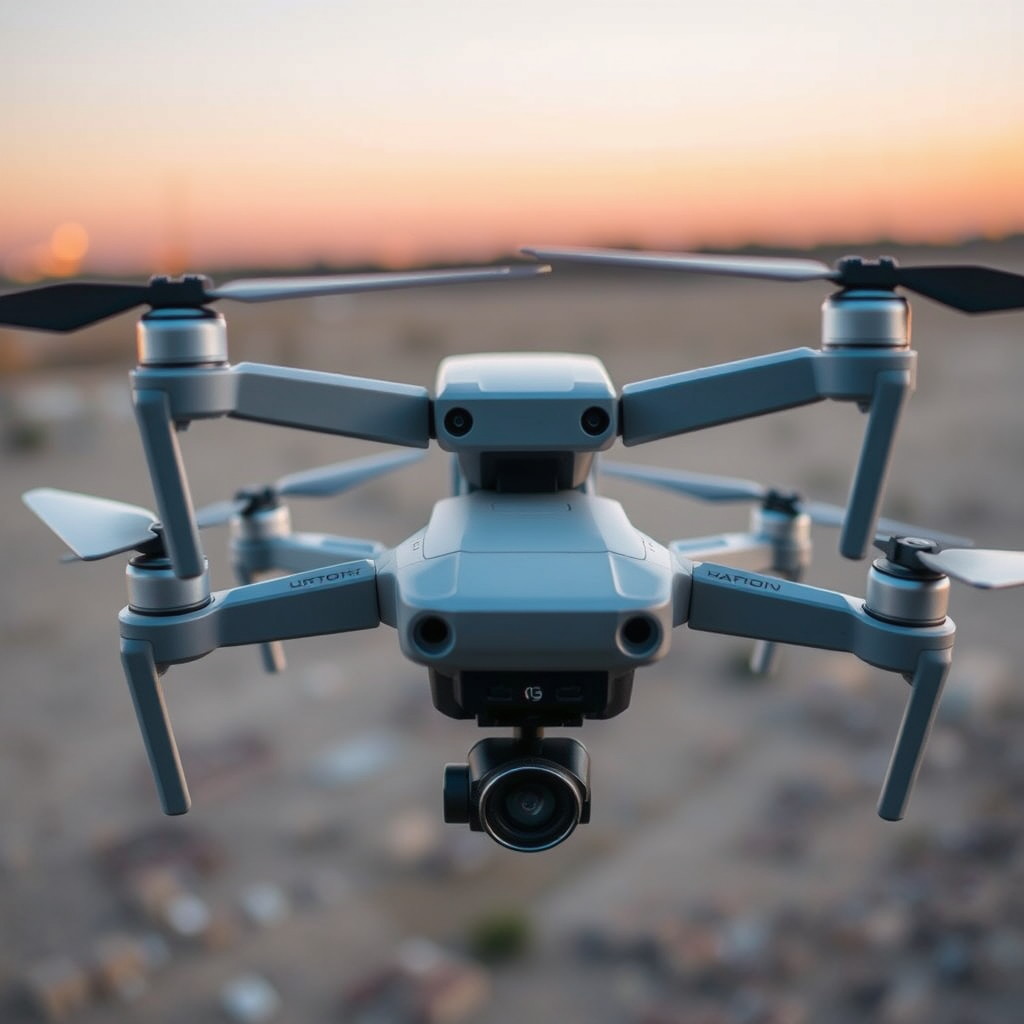
DJI drones are designed with multiple layers of protection that make them safer than many entry-level alternatives. In normal conditions, they typically maintain a stable hover, hold position accurately, and respond predictably to pilot inputs. This level of control is one reason DJI dominates the drone market for aerial photography, videography, mapping, and recreational flying.
In real-world use, crash frequency is usually linked less to the aircraft itself and more to the way it is flown. Most DJI drones do not “crash often” by default. Instead, incidents tend to happen when users push beyond safe operating conditions, rely too heavily on automation, or fly without fully understanding airspace, battery management, and obstacle awareness.
Built-In Features That Reduce Crash Risk
DJI integrates several technologies intended to prevent common flight accidents. These features work together to improve aircraft stability, situational awareness, and pilot decision-making.
- GPS and GNSS positioning: Helps the drone maintain a precise location and stable hover.
- Obstacle avoidance sensors: Detect objects in the drone’s path and can slow or reroute the aircraft depending on the model.
- Return-to-Home (RTH): Automatically guides the drone back to its takeoff point if signal is lost or battery is critically low.
- Vision positioning systems: Improve low-altitude stability when GPS is weak or unavailable.
- Intelligent flight modes: Functions like Follow Me, Waypoints, and Point of Interest help automate complex movements with more consistency.
- Gimbal stabilization: Keeps footage smooth while also supporting stable aircraft behavior during controlled movement.
These systems significantly reduce the chance of a crash, especially for beginners who may not yet have strong manual flying skills. However, they are support tools—not guarantees.
Why DJI Drones Still Crash
Even with advanced flight technology, DJI drones can still crash under certain conditions. Most incidents can be traced to a few common causes, and many of them are preventable.
Pilot Error Remains the Leading Cause
Human error is the most common factor behind drone accidents. New pilots often misjudge distance, speed, altitude, and wind strength. Others become distracted while framing a shot or adjusting camera settings, causing them to lose awareness of nearby trees, buildings, or power lines.
Overconfidence is another issue. Because DJI drones include intelligent features, some users assume the aircraft can avoid every obstacle automatically. In reality, obstacle avoidance does not always detect thin branches, wires, glass surfaces, or objects outside the sensor coverage area. A pilot who relies entirely on automation may react too late when conditions change.
Environmental Conditions Can Overwhelm Safety Systems
Weather has a direct impact on flight safety. Strong wind, rain, fog, and poor visibility can affect a drone’s stability and navigation accuracy. Even a well-calibrated DJI aircraft may struggle in gusty conditions, particularly lightweight models designed for portability.
Urban environments can also create challenges. Tall buildings may interfere with GPS signals, while electromagnetic interference can affect compass readings. Flying near water, mountains, or dense tree cover can make orientation more difficult and increase the risk of signal loss or collision.
Battery Mismanagement Is a Major Risk Factor
Battery-related incidents are another common cause of crashes. A drone with low battery power may trigger a return-to-home procedure, but if the aircraft is too far away, facing strong headwinds, or carrying extra load, it may not make it back safely. Aging batteries, improper storage, or flying in extreme temperatures can also reduce performance.
Smart batteries in DJI drones provide clear telemetry, but warnings only help if pilots respond in time. Ignoring battery alerts or pushing for “just one more shot” is a frequent reason for emergency landings and accidents.
Mechanical Wear and Maintenance Issues
Although DJI drones are engineered for durability, they still require regular inspection. Damaged propellers, dirty sensors, loose components, or firmware issues can compromise flight performance. A small crack in a propeller blade, for example, can create instability and lead to sudden control problems.
Routine maintenance matters, especially for pilots who fly often or transport their drone frequently. A crash may not happen because of a major system failure; sometimes it begins with a minor issue that went unnoticed before takeoff.
Do DJI Safety Features Prevent Every Accident?
No drone safety feature is perfect. DJI’s obstacle sensing, GPS lock, and automated return functions are highly effective, but they operate within specific limits. Knowing these limitations is essential for safe drone operation.
Obstacle Avoidance Has Blind Spots
Not all DJI models provide full omnidirectional obstacle sensing. Some only monitor forward, backward, downward, or upward directions. Even advanced sensors may struggle to detect narrow objects such as branches, wires, fishing lines, or antenna structures. Low light can also reduce sensor effectiveness.
That means a pilot cannot assume the drone will automatically avoid every hazard. Visual line of sight and active situational awareness are still critical.
Return-to-Home Is Helpful, But It Must Be Configured Properly
Return-to-Home is one of DJI’s most important safety functions, but it depends on correct settings. If the RTH altitude is set too low, the drone may collide with trees or buildings on the way back. If GPS signal is weak at takeoff, the home point may not be accurately recorded.
Pilots should verify the home point, check the RTH altitude before each flight, and understand how the drone behaves during signal loss and low-battery events.
Automation Does Not Replace Skill
Intelligent flight modes are useful for cinematic movement and repeatable shots, but they do not eliminate the need for flight training. A skilled pilot can often avoid danger faster than an automated system, particularly in cluttered or changing environments. Automation should support judgment, not replace it.
Are Certain DJI Drones More Crash-Prone Than Others?
Crash risk can vary depending on the model, size, sensor package, and intended use of the drone. Smaller consumer drones are often flown by beginners and in tighter spaces, which can increase accident potential. More advanced drones usually include better obstacle detection, stronger wind resistance, and more precise flight controls.
For example, compact travel drones may be easier to carry and launch quickly, but their lightweight design can make them more vulnerable in windy conditions. On the other hand, larger camera drones often provide improved stability and stronger situational awareness systems, though they still require careful piloting.
The model itself is only part of the equation. A high-end drone in inexperienced hands may be more likely to crash than a basic model flown conservatively by someone who understands pre-flight checks and airspace safety.
How DJI Compares to Other Drone Brands on Reliability
DJI is generally considered an industry leader in drone reliability, flight control software, and onboard safety features. Compared with many lower-cost brands, DJI aircraft typically offer better GPS accuracy, more consistent hover performance, superior app integration, and stronger failsafe behavior.
This does not mean DJI drones never fail. However, their ecosystem is built around reducing avoidable mistakes through live telemetry, firmware updates, flight logs, and intelligent alerts. For many users, this translates into fewer crashes over time compared with less sophisticated alternatives.
Best Practices to Prevent DJI Drone Crashes
While DJI technology helps reduce risk, safe flying habits remain the most effective protection against accidents. Pilots who follow a disciplined routine are far less likely to experience a crash.
Perform a Pre-Flight Safety Check
- Inspect propellers for cracks, chips, or warping.
- Confirm the battery is fully charged and securely installed.
- Check for firmware updates and app warnings.
- Verify GPS lock and home point accuracy.
- Set an appropriate Return-to-Home altitude.
- Review local airspace restrictions and no-fly zones.
Fly Within the Drone’s Limits
Avoid flying in high winds, rain, or poor visibility. Maintain visual line of sight whenever possible and keep enough distance from obstacles to allow for manual correction. Do not test top speed or maximum range unless conditions are ideal and you fully understand the aircraft’s behavior.
Manage Battery Life Conservatively
Do not wait until the battery is critically low before returning. Plan the flight so the drone lands with a safe reserve. Battery performance can drop faster in cold weather, windy conditions, or during aggressive maneuvers, so build in a margin of safety.
Practice Manual Control Skills
Even if you use intelligent flight modes regularly, it is important to become comfortable with basic maneuvering, orientation control, and emergency response. Practicing in an open area can help you react calmly if GPS becomes unstable or obstacle avoidance is unavailable.
Use Accessories That Improve Protection
Helpful accessories can reduce the impact of minor mistakes. Propeller guards, landing pads, spare batteries, and a protective carrying case all support safer operations. For new pilots, these additions can improve confidence while reducing wear on the aircraft.
When Are DJI Drone Crashes Most Likely to Happen?
Patterns in drone incidents often reveal a few high-risk scenarios. Crashes are more likely during early flights with new pilots, in complex environments with many obstacles, or when users push the drone too far from the takeoff point. They also become more common at dusk, in low visibility, or during rushed flights where pre-checks are skipped.
Another common pattern is “automation complacency.” This happens when a pilot becomes so confident in GPS stabilization, ActiveTrack, or obstacle sensing that they stop flying defensively. In many cases, the drone was functioning correctly—the operator simply expected too much from the technology.
Final Verdict: Do DJI Drones Crash Often?
DJI drones do not crash often when compared with many other consumer drones, especially when flown in suitable conditions by informed pilots. Their advanced navigation systems, obstacle avoidance technology, smart battery management, and intelligent flight modes all contribute to a safer flying experience. For most users, DJI aircraft are dependable, stable, and engineered to prevent many of the mistakes that typically cause accidents.
That said, no drone is crash-proof. Human error, harsh weather, battery neglect, and poor flight planning remain the biggest threats. The real takeaway is that DJI drones are built to minimize risk, not eliminate it. Pilots who understand the aircraft, respect its limits, and follow safe flight practices are the least likely to experience a crash.
Frequently Asked Questions
Do DJI drones crash often?
DJI drones do not typically crash often when they are used correctly and maintained properly. In most cases, crashes are linked to pilot error, flying in poor weather, ignoring obstacle warnings, low battery management, signal loss, or operating in complex environments such as forests, near buildings, or over water. DJI drones are generally known for strong flight stability, GPS-assisted hovering, return-to-home features, and obstacle sensing on many models, all of which help reduce crash risk. However, no drone is crash-proof, and even advanced safety systems have limits in low light, thin branches, reflective surfaces, or fast flight situations.
What are the most common reasons DJI drones crash?
The most common reasons DJI drones crash include user mistakes and environmental conditions rather than hardware failure. Frequent causes include flying with a weak GPS signal, failing to calibrate the compass when necessary, losing visual line of sight, misjudging battery life, flying too aggressively in Sport mode, and colliding with obstacles that sensors cannot detect well. Wind is another major factor, especially for lighter DJI models that can drift or struggle to return home in strong gusts. In some cases, firmware issues, damaged propellers, or poor maintenance can also contribute, but these are generally less common than preventable operator-related mistakes.
Are DJI obstacle avoidance systems enough to prevent crashes?
DJI obstacle avoidance systems can significantly lower the chance of a crash, but they should never be treated as a guarantee of safety. These systems work best in good lighting and when the drone is flying within the speed and direction limits supported by its sensors. They may not reliably detect thin wires, small branches, transparent surfaces, water reflections, or obstacles approached too quickly. Some DJI models also offer limited obstacle sensing directions, meaning coverage may not be complete on every side of the aircraft. The safest approach is to view obstacle avoidance as an extra layer of protection, not a replacement for careful manual control and good flight planning.
How can DJI drone owners reduce the risk of crashing?
DJI drone owners can reduce crash risk by following a consistent pre-flight and in-flight safety routine. Important steps include checking propellers for damage, ensuring batteries are fully charged and healthy, updating firmware only when appropriate, confirming strong GPS lock before takeoff, reviewing return-to-home altitude settings, and avoiding flights in high wind or rain. Pilots should also keep the drone within visual line of sight, monitor battery levels closely, avoid flying too close to trees or buildings, and practice in open areas before attempting more advanced shots. Understanding the specific features and limitations of the drone model is also essential, since safety technology varies across the DJI lineup.
What should you do if your DJI drone crashes?
If your DJI drone crashes, the first step is to power it off safely and inspect it for visible damage such as cracked arms, bent motors, chipped propellers, camera gimbal issues, or battery swelling. You should not fly the drone again until it has been checked thoroughly, because hidden structural or electrical damage can lead to another incident. Review the flight logs in the DJI app to understand what happened, including battery status, warnings, altitude, speed, and signal conditions. If the drone is under warranty, covered by DJI Care, or appears seriously damaged, contacting DJI support or a qualified repair center is the best next step. Documenting the crash with photos and logs can also help with troubleshooting and service claims.
