

DJI drones do not typically come equipped with a transponder, which is used for air traffic communication and location sharing. However, some models do support additional accessories that can provide similar capabilities. Understanding the role of transponders in aviation, the features of DJI drones, available accessories, regulatory considerations, and alternatives is crucial for drone enthusiasts and professionals alike. This article will delve into each of these aspects to provide a comprehensive overview of the current state of DJI drones concerning transponder technology.
Understanding Transponders in Aviation
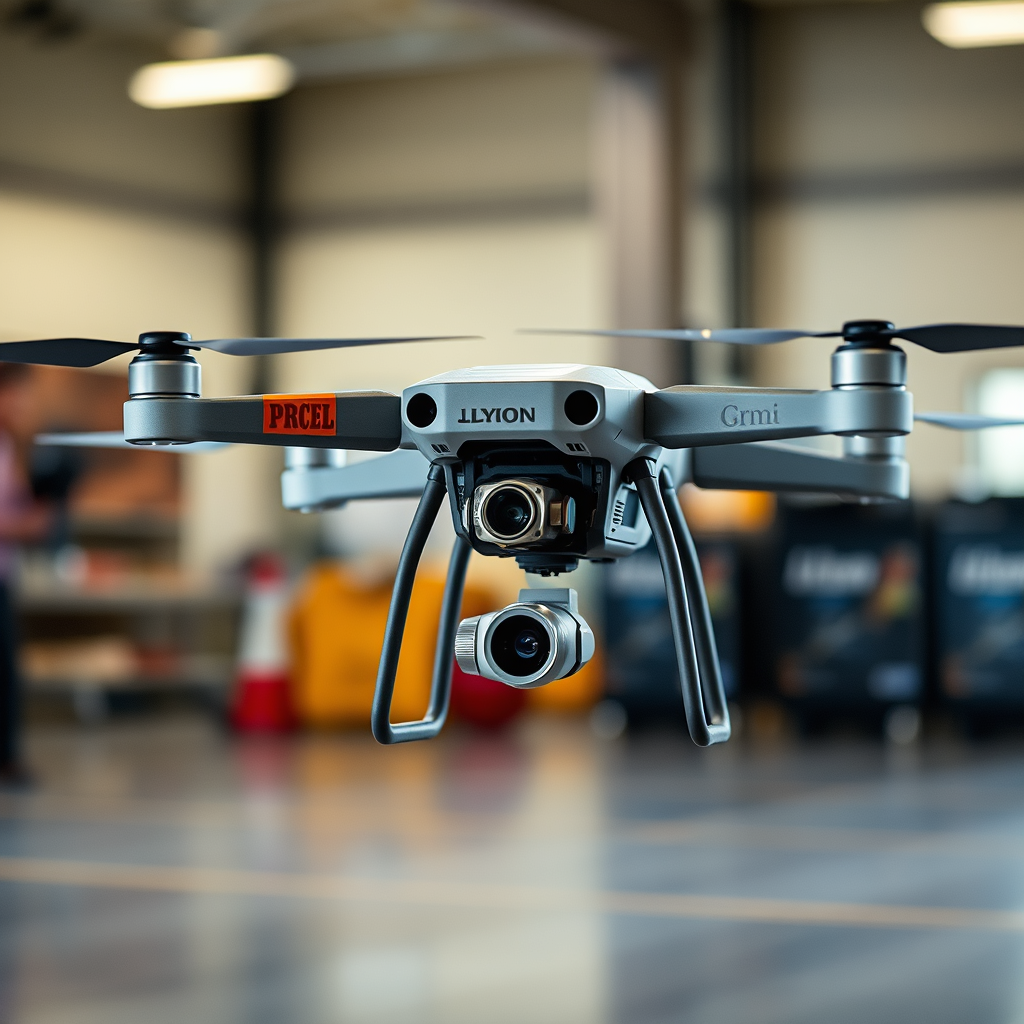
A transponder is a critical device in aviation that receives signals from ground radar and responds with information regarding an aircraft’s identity, altitude, and location. This technology is essential for maintaining safety in controlled airspace, as it allows air traffic controllers to monitor and manage air traffic effectively. Transponders play a pivotal role in preventing mid-air collisions by providing situational awareness to both pilots and air traffic controllers. The use of transponders is mandated in many jurisdictions for commercial aviation, and they serve as a vital component in the broader context of aviation safety.
There are different types of transponders, such as Mode A, Mode C, and Mode S, each providing varying levels of information. Mode S transponders are particularly advanced, as they can transmit specific data about the aircraft, including its unique identifier and other telemetry. This detailed communication helps integrate various aircraft into the air traffic management systems, ensuring safer operations within busy airspaces.
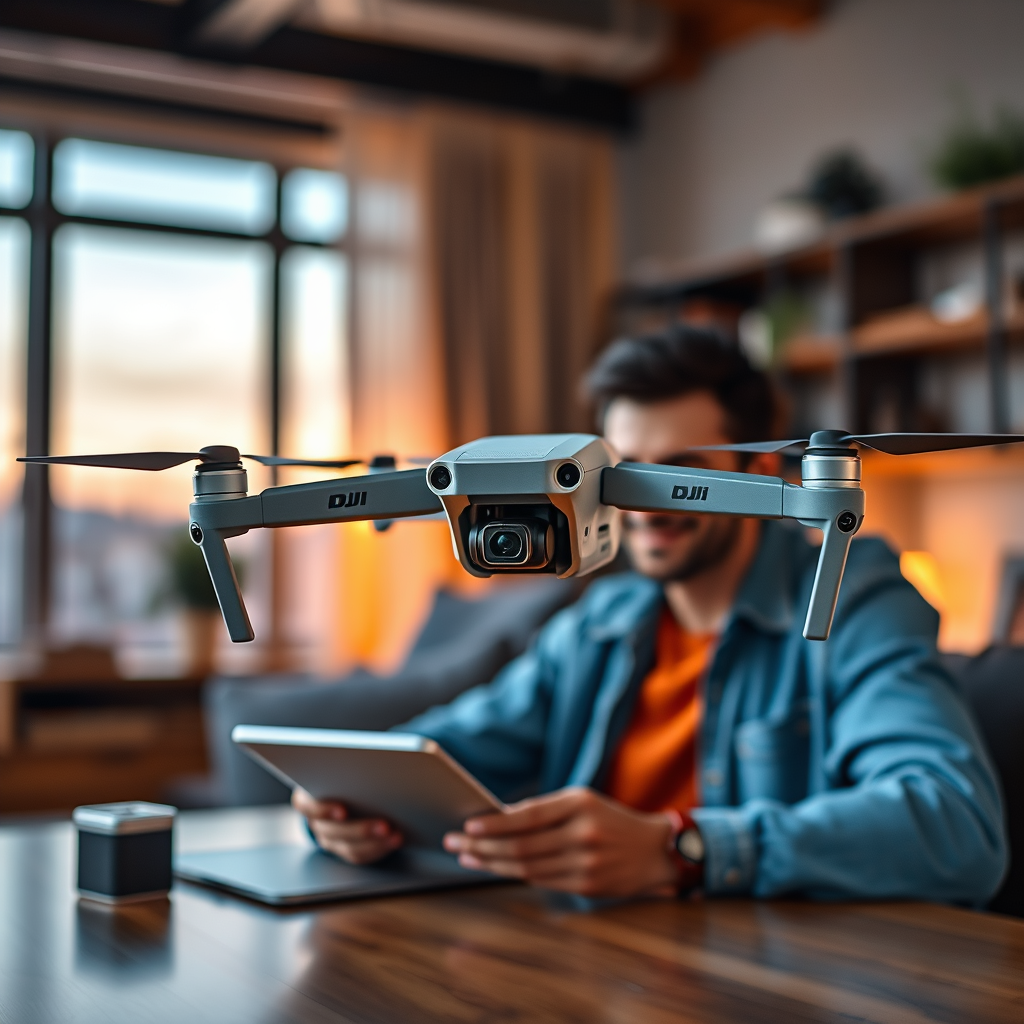
DJI Drone Features
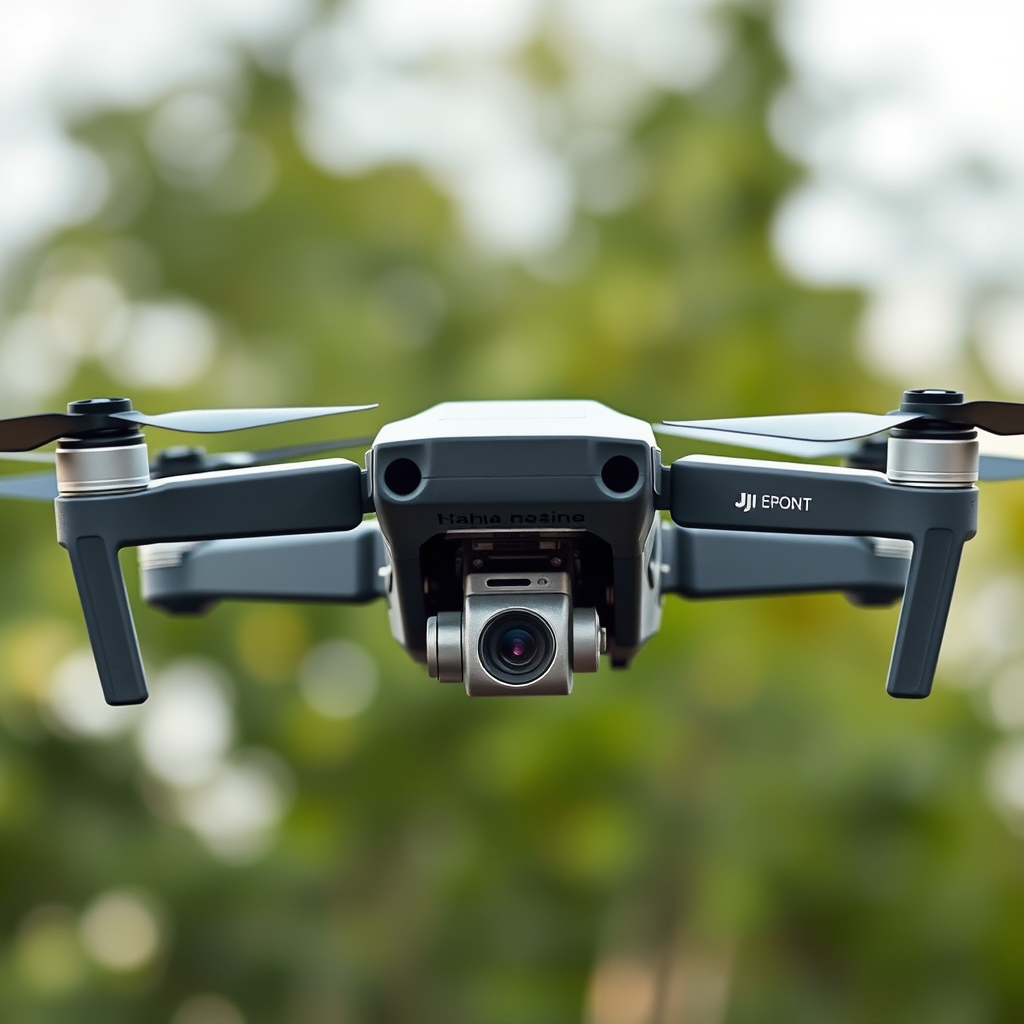
DJI drones are renowned for their advanced technology, offering features such as GPS, obstacle sensing, and various intelligent flight modes. However, despite these sophisticated capabilities, most DJI drones do not include built-in transponder systems. The absence of a transponder means that while these drones can navigate autonomously and avoid obstacles, they do not communicate their location to air traffic control or other aircraft.
For instance, popular models like the DJI Mavic Air 2 and the Phantom 4 Pro boast impressive navigation systems that utilize GPS and GLONASS satellites for precise positioning. These features enable users to enjoy automated flight paths and return-to-home functions. Additionally, DJI drones are equipped with advanced telemetry that provides essential flight information, including battery life, altitude, and distance from the pilot. While these features enhance the flying experience, they do not replace the need for transponders in controlled airspace.
Available Accessories for DJI Drones
To enhance the functionality of DJI drones and integrate them more effectively into the air traffic management system, third-party transponder systems can be purchased. These accessories can provide critical situational awareness, allowing drone pilots to receive real-time air traffic information, which increases safety during flights.
One popular option is the ADS-B (Automatic Dependent Surveillance–Broadcast) receiver, which allows drone pilots to receive broadcasts from nearby aircraft equipped with ADS-B transponders. This technology provides essential data, including the location and speed of other aircraft, thus enhancing the pilot’s situational awareness. For instance, devices like the SkyBeacon or the uAvionix ping2000 can be paired with certain DJI models to enable ADS-B capabilities, facilitating safer operations in crowded airspaces.
Additionally, there are other types of accessories that can improve the functionality of DJI drones, such as telemetry devices that offer enhanced data monitoring and analysis. These devices can provide insights into flight patterns, optimize battery usage, and even track drone performance metrics over time.
Regulatory Considerations for Drones
When operating a drone, it is imperative to understand the local regulations that govern its use, particularly concerning airspace and transponder requirements. Different countries and regions have varying laws regarding drone operations, and in some jurisdictions, drones must be equipped with specific safety devices, including transponders.
In the United States, the Federal Aviation Administration (FAA) has been increasingly emphasizing safety and integration of drones into the National Airspace System (NAS). The FAA requires certain drones operating in controlled airspace to be equipped with Remote ID technology, which is similar to a transponder in that it broadcasts the drone’s location and identification information. Compliance with these regulations is essential not only for safety but also for avoiding potential fines and legal issues.
Similarly, in Europe, the European Union Aviation Safety Agency (EASA) has established regulations that require drones above a certain weight to carry identification and, in some cases, transponder-like devices. Understanding these regulations is crucial for drone operators, as it ensures compliance and enhances safety during operations.
Alternatives to Transponders
While transponders are a well-established technology in aviation, there are alternative systems that can provide situational awareness without requiring a traditional transponder. One notable option is ADS-B, which, as mentioned earlier, allows drones to receive broadcasts from nearby aircraft. This technology is becoming increasingly popular among drone operators who wish to enhance their safety without the complexities of a full transponder system.
Another alternative is FLARM (Flight Alarm), primarily used in the gliding community, which provides information on the proximity of other aircraft. Although FLARM is not as widely adopted in the drone community, it represents an innovative approach to enhancing situational awareness.
Furthermore, various software applications can assist drone pilots in navigation and safety. Applications like AirMap and UAV Forecast provide real-time airspace information, including no-fly zones and weather conditions. By utilizing these tools, drone operators can significantly improve their operational safety and efficiency.
The Future of Drone Technology
As drone technology continues to evolve, future models from manufacturers like DJI may integrate transponder capabilities or similar features directly into their systems. The increasing demand for safety and regulatory compliance is likely to drive innovation in this area. For instance, the development of Remote ID technology represents a significant step towards integrating drones into the broader airspace management systems.
Keeping an eye on industry trends can help users stay informed about new functionalities and advancements. Engaging with the drone community through forums, trade shows, and webinars can provide insights into emerging technologies and best practices. As the landscape of drone technology and regulations continues to change, staying informed will be essential for maximizing the safety and functionality of drone operations.
In summary, while DJI drones generally do not come equipped with transponders, users can enhance their drone’s capabilities with third-party accessories and stay informed about regulations. Understanding the importance of transponders, the features of DJI drones, available accessories, regulatory considerations, and alternatives can empower drone operators to make informed decisions. For those interested in maximizing their drone’s safety and functionality, researching available options and staying updated on technological advancements is essential.
Frequently Asked Questions
Do DJI drones come with a built-in transponder for tracking and safety?
DJI drones do not typically come with a built-in transponder like those used in manned aircraft. However, many DJI models are equipped with advanced GPS systems and onboard sensors that provide real-time location data, which can enhance safety during flight. For added safety and regulatory compliance, drone operators are encouraged to use external transponders if flying in controlled airspace.
How can I track my DJI drone if it doesn’t have a transponder?
While DJI drones do not have a transponder, you can track them using the DJI Fly or DJI Go app, which provides real-time telemetry data including location, altitude, and distance from the pilot. Additionally, consider using Bluetooth trackers or GPS devices that can be attached to the drone for extra tracking capabilities, especially in case of loss.
Why do some drone operators prefer using transponders with DJI drones?
Some drone operators prefer using transponders with their DJI drones to comply with aviation regulations and enhance safety in congested airspaces. Transponders provide essential information to air traffic control and nearby aircraft, which can help prevent mid-air collisions. This is particularly important for commercial drone operations or when flying in areas where manned aircraft are prevalent.
Which DJI drone models are best for professional use without a transponder?
For professional use, models such as the DJI Matrice 300 RTK and the DJI Mavic 2 Enterprise are excellent choices, even without a built-in transponder. These drones offer superior flight stability, advanced imaging capabilities, and robust safety features. Operators should ensure compliance with local regulations, which may include the use of external tracking devices when necessary.
What regulations should I be aware of regarding transponders for DJI drones?
Regulations regarding transponders for DJI drones vary by country and region. In the United States, the FAA requires certain drones to have Remote ID capabilities, which serve a similar function to transponders, providing identification and location information to authorities. Always check local aviation regulations to ensure compliance, as some areas may have specific requirements for drone tracking and identification.
References
- https://en.wikipedia.org/wiki/Drone_regulations_in_the_United_States
- https://www.faa.gov/uas/getting_started/part_107/
- https://www.faa.gov/air_traffic/publications/media/AC_91-57A.pdf
- https://www.nytimes.com/2021/12/27/technology/drones-safety-regulations.html
- https://www.reuters.com/technology/drones-what-you-need-know-about-new-us-rules-2022-01-05/
- https://www.nasawatch.com/archives/2021/06/drones-are-they-safe.html
