
DJI drones typically do not come equipped with true night vision technology; however, many models feature enhanced low-light performance through advanced camera sensors and processing. This article explores the capabilities of DJI drones in low-light conditions, the models that perform best, and alternatives for night-time flying. By understanding these features and limitations, drone enthusiasts can better assess their suitability for night operations.
Understanding Night Vision in Drones
Night vision refers to the ability to see in low-light conditions, often achieved through infrared technology that amplifies available light or detects thermal radiation. In the context of drones, most consumer models, including those manufactured by DJI, rely on conventional camera technology to capture images. These cameras may struggle significantly in complete darkness, as they are designed primarily for daylight use. While some DJI models can perform admirably in dim lighting due to advanced sensor technology, they do not offer the true night vision capabilities associated with specialized infrared equipment. This distinction is crucial for users who intend to operate their drones in low-light scenarios, such as during nighttime aerial photography, surveillance, or search and rescue missions.
Low-Light Camera Technology in DJI Drones
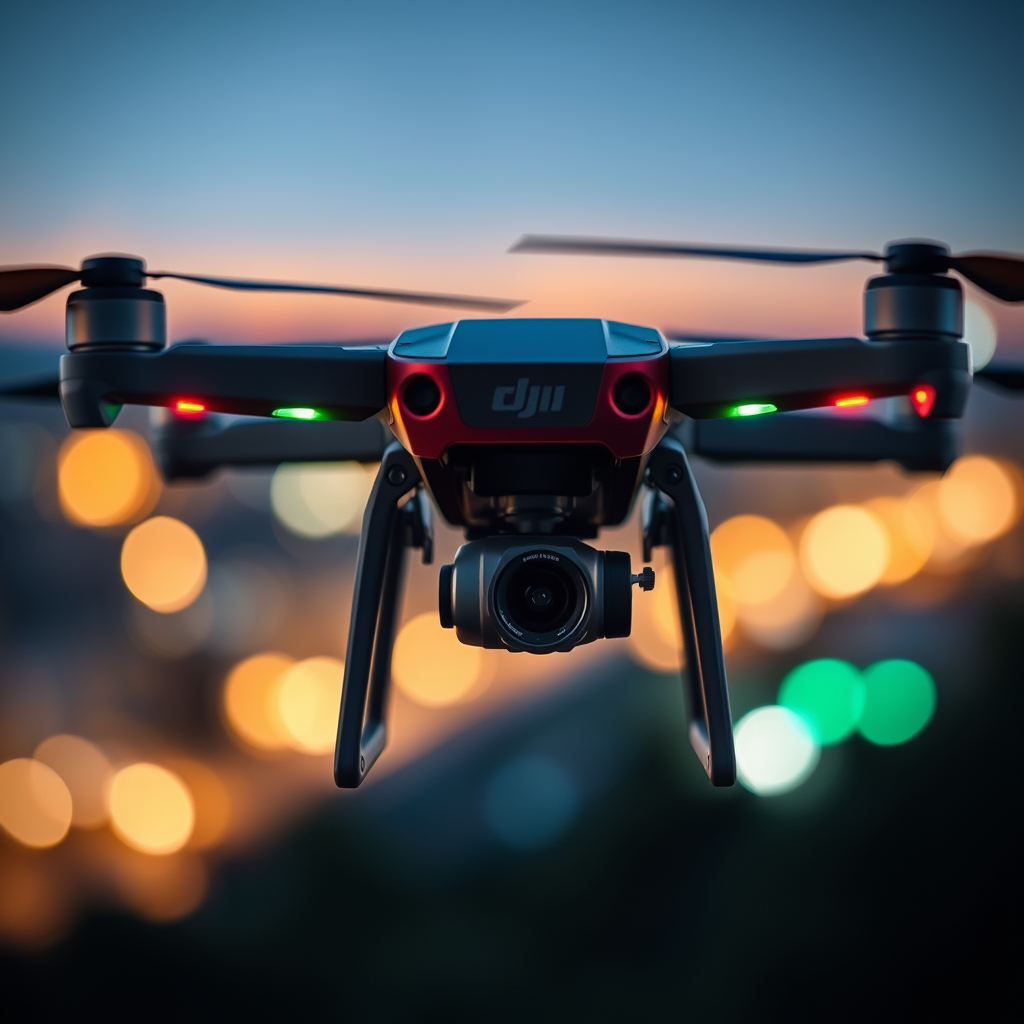
Certain DJI models, like the Mavic 2 Pro, have been engineered with larger sensors that significantly enhance their low-light performance. The Mavic 2 Pro features a Hasselblad camera with a 1-inch CMOS sensor, which allows for greater light capture compared to standard sensors found in many smaller drones. This improvement translates to better image quality and reduced noise during dusk or dawn operations. Additionally, features such as High Dynamic Range (HDR) and improved ISO settings play a pivotal role in optimizing image clarity. HDR helps balance the exposure between bright and dark areas in a scene, while higher ISO settings allow the camera to capture more light, albeit at the risk of introducing noise. Such technological advancements make DJI drones suitable for low-light shooting, although they still fall short of true night vision capabilities.
Popular DJI Drones and Their Low-Light Performance

When examining popular DJI drones, the Mavic Air 2 emerges as a noteworthy contender for low-light photography, albeit with limitations. It boasts a 1/2-inch sensor that, while not as large as the Mavic 2 Pro’s, still provides decent performance in lower light conditions. Users can expect reasonable image quality at twilight, though the Mavic Air 2 is not classified as a night vision drone.
The DJI Phantom 4 Pro, on the other hand, is often cited for its superior low-light performance. Its 1-inch sensor allows it to capture more light and detail in challenging conditions. Users have reported satisfactory results when filming at dusk, making it a preferred choice among drone pilots who frequently operate in low-light environments. Both the Mavic Air 2 and Phantom 4 Pro showcase DJI’s commitment to pushing the boundaries of camera technology, but it’s essential for users to temper their expectations regarding true night vision.
Accessories for Enhanced Night Vision
For those looking to enhance their drone’s nighttime capabilities, several accessories can be employed. One effective method is the use of external infrared lights or LED illuminators, which can significantly improve visibility during night flights. These lights can illuminate the flying environment without being overly intrusive, allowing for safer navigation and clearer imaging.
Additionally, some users opt for thermal imaging cameras that can be mounted on compatible DJI models. These cameras are specifically designed to detect heat signatures, rendering them invaluable for specific applications such as search and rescue or wildlife monitoring at night. While these accessories can enhance a drone’s capabilities in low-light scenarios, users should be aware of the added weight and potential battery drain they may incur.
Regulations and Safety Considerations for Night Flying
Before embarking on nighttime drone operations, it is imperative to check local regulations. Many jurisdictions impose strict rules governing night flying, often requiring specific permissions or licensing. For instance, in the United States, the Federal Aviation Administration (FAA) mandates that drones flown at night must be equipped with anti-collision lights and must adhere to visual line-of-sight requirements.
Moreover, safety measures should never be overlooked. Proper lighting is essential to avoid accidents, both for the drone and for people in the vicinity. Pilots should also familiarize themselves with the flying environment to mitigate risks associated with reduced visibility. Implementing safety protocols and adhering to regulations will ensure a more successful and responsible night flying experience.
Alternatives to DJI for Night Vision Drones
For those seeking true night vision capabilities, exploring alternatives to DJI can provide viable solutions. Brands such as FLIR and Yuneec offer drones equipped with built-in thermal imaging technologies that allow users to operate effectively in total darkness. For example, the FLIR SkyRanger R70 is designed for critical missions, providing real-time thermal imagery that can be crucial for search and rescue operations or law enforcement applications.
These specialized drones are engineered to detect heat signatures and visualize them as images, making them ideal for nighttime use. While they may not possess the same level of consumer appeal as DJI drones, their capabilities in low-light environments are unmatched. Therefore, users with a specific need for night vision should seriously consider these options.
The capabilities of DJI drones in low-light conditions offer some advantages, but they do not provide true night vision. Understanding the technology behind these drones and considering alternatives can help you make informed decisions for night flying. Always prioritize safety and regulatory compliance when operating drones in low-light environments, as these factors are crucial for a successful flight experience.
Frequently Asked Questions
Do DJI drones come with built-in night vision capabilities?
No, DJI drones do not typically come with built-in night vision capabilities. Most DJI models are equipped with high-quality cameras that perform well in low-light conditions, but they do not feature true night vision technology like infrared cameras. If you require night vision for specific applications, you may need to consider third-party accessories or dedicated thermal imaging drones.
How can I enhance my DJI drone’s performance in low-light conditions?
To enhance your DJI drone’s performance in low-light conditions, consider using a drone equipped with a camera that has a high ISO sensitivity and wide aperture. Additionally, you can utilize ND filters to reduce glare and improve image quality during twilight. Additionally, flying at dusk or dawn when natural light is optimal can also help improve your aerial photography and videography results.
Why do some drones have night vision while others, like DJI, do not?
Some drones are specifically designed for military or specialized surveillance applications and are equipped with night vision or thermal imaging technology. In contrast, DJI drones cater to a broader market, focusing on consumer, commercial, and recreational uses, where standard low-light camera functionality is often sufficient. This difference in target market and usage drives the inclusion or exclusion of night vision features.
What are the best DJI drones for low-light photography?
The best DJI drones for low-light photography include the DJI Mavic 3 and the DJI Air 2S. The Mavic 3 features a large sensor capable of capturing stunning images even in low-light environments, while the Air 2S offers impressive low-light performance with its 1-inch sensor. Both models are equipped with advanced stabilization technology, ensuring smooth footage during nighttime flights.
Which third-party accessories can I use to add night vision to my DJI drone?
To add night vision capabilities to your DJI drone, you can consider third-party thermal imaging cameras, such as those made by FLIR, which can be mounted on compatible DJI models. Additionally, some users opt for external infrared cameras that can be integrated with their drone’s existing camera system. Always ensure compatibility and check user reviews before purchasing to ensure the best results for your night vision needs.
References
- Drone
- https://www.bbc.com/news/technology-57899777
- https://www.nytimes.com/2021/04/07/technology/drones-night-vision.html
- https://www.sciencedirect.com/science/article/pii/S2210670721000656
- https://www.theguardian.com/technology/2020/oct/21/drones-police-surveillance-night-vision-technology
- https://www.techradar.com/news/what-is-night-vision-and-how-does-it-work
- https://www.ncbi.nlm.nih.gov/pmc/articles/PMC5867411/
- https://www.nist.gov/news-events/news/2021/10/drones-and-night-vision-technology-what-you-need-know
