

Yes, DJI drones have been reported to transmit certain user data to servers in China, raising significant privacy concerns among users and governments alike. This article delves into the specifics of data transmission practices associated with DJI drones, examines the company’s privacy policies, outlines government concerns and regulations, shares user experiences, and provides actionable steps to enhance data security.
Overview of Data Transmission in DJI Drones
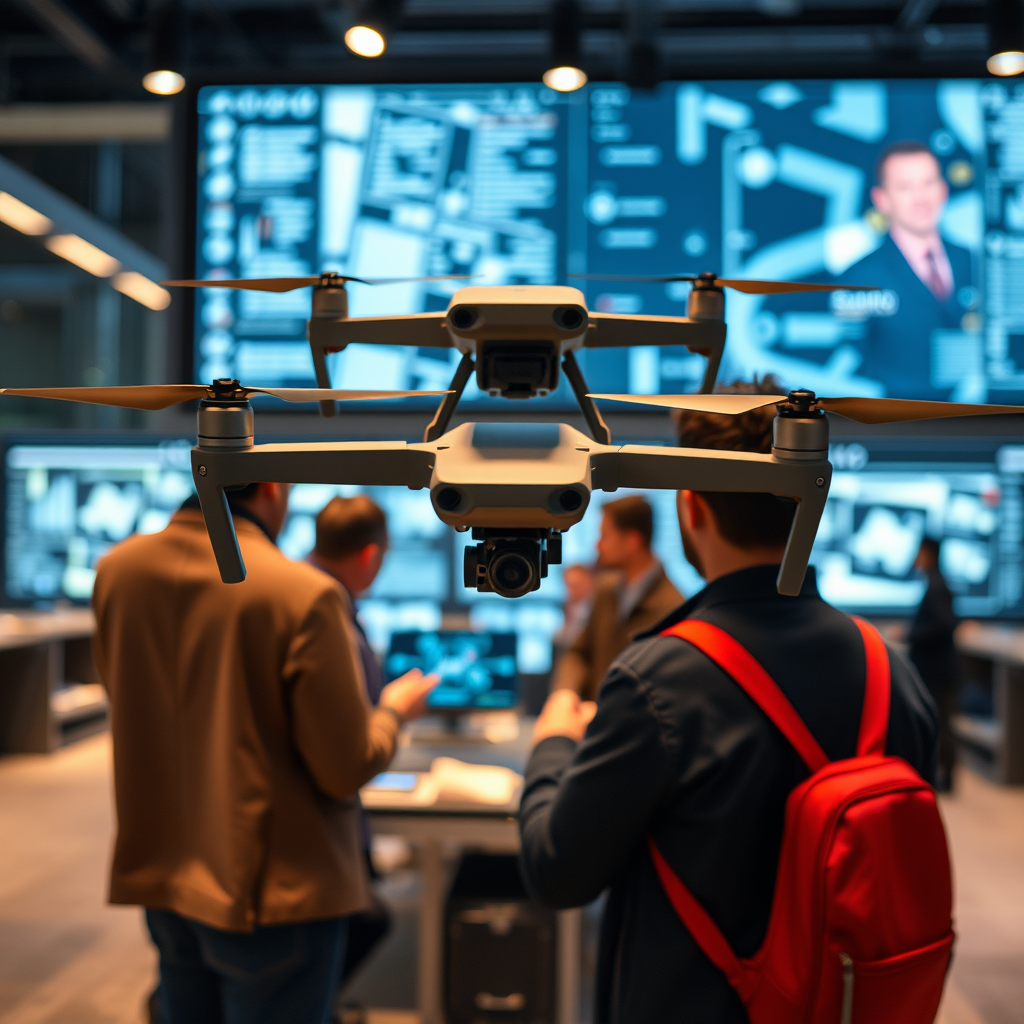
DJI drones operate by utilizing advanced technology that allows for real-time data collection and transmission. These drones collect various types of information, including flight logs, GPS coordinates, user settings, and operational data. The data is typically used for enhancing user experience, improving flight safety, and providing updates or troubleshooting assistance.
However, concerns arise from reports indicating that some of this data may be transmitted to servers located in China. This includes flight logs that detail where and when a drone was operated, which could potentially reveal sensitive information about a user’s activities. While DJI claims that the data collected is primarily used for product improvement and user support, the mere possibility of data being sent to foreign servers has fueled apprehension, particularly in sensitive industries or among individuals concerned about surveillance.
DJI’s Data Privacy Policies
DJI has made several official statements regarding its data handling practices, emphasizing its commitment to user privacy and data security. The company has stated that it does not sell user data to third parties and provides users with options to control their data sharing preferences. Additionally, DJI has implemented a feature called “local data mode,” which allows users to operate their drones without any internet connection, thereby preventing data from being transmitted externally.
When compared to other drone manufacturers, DJI’s practices show both similarities and differences. For instance, while many companies in the industry collect operational data to enhance their services, DJI’s association with China has raised unique scrutiny. Other manufacturers may not have the same geopolitical implications but also face challenges in establishing user trust when it comes to data privacy.
Government Concerns and Regulations
Various governments worldwide have expressed concerns regarding the potential security risks associated with DJI drones. In the United States, federal agencies have warned that data collected by DJI drones could be accessed by the Chinese government, given the company’s ties to China. As a result, there have been moves to restrict or ban the use of DJI drones in sensitive government operations and critical infrastructure projects.
Regulations such as the Federal Aviation Administration’s (FAA) guidelines in the U.S. or the European Union’s General Data Protection Regulation (GDPR) impact how DJI and other drone manufacturers handle user data. These regulations demand transparency in data collection practices and grant users rights over their personal information, compelling DJI to adapt its policies to comply with local laws.
User Experiences and Reports
User experiences regarding DJI drones and data privacy are varied, with some users expressing confidence in the company’s commitment to data security, while others remain skeptical. Anecdotal evidence from drone enthusiasts often highlights instances where users discovered unexpected data sharing, leading to a lack of trust in the brand.
Third-party investigations into DJI’s data practices have revealed mixed findings. Some studies suggest that the data transmission protocols in place may not adequately protect user information, while others have found that DJI has taken steps to enhance user privacy. The inconsistency in user experiences indicates a need for increased transparency and clearer communication from the company regarding its data practices.
Steps to Ensure Data Security with DJI Drones
For those concerned about data privacy while using DJI drones, several measures can be taken to minimize data sharing. First and foremost, users should utilize the “local data mode” feature, which prevents any data from being transmitted during flights. Additionally, regularly reviewing and updating privacy settings within the DJI app can help limit data collection.
Users should also consider maintaining a log of their drone operations offline and refrain from accessing the internet while flying. This practice not only enhances privacy but also reduces the risk of potential hacking or unauthorized access to data. Finally, staying informed about the latest updates from DJI regarding data policies and privacy features can empower users to make educated decisions about their drone operations.
Future of DJI Drones and Data Privacy
As data privacy concerns continue to dominate discussions surrounding technology, DJI is likely to face increasing pressure to address these issues proactively. Future developments may include enhanced privacy features, more transparent data handling practices, and collaboration with regulatory bodies to ensure compliance with international standards.
The ongoing discourse around data privacy may affect consumer trust significantly. Users may become more discerning about which drone brands to support, leading to increased competition among manufacturers to provide robust data security assurances. How DJI navigates these challenges will likely play a crucial role in its market position and the overall perception of drone technology in the years to come.
Understanding the nuances of data transmission from DJI drones is crucial for users concerned about privacy. By implementing recommended security measures and staying informed about updates from DJI, users can maintain control over their information and operate their drones with greater confidence. As the conversation around data privacy evolves, vigilance and proactive engagement will be key for both users and manufacturers in this dynamic landscape.
Frequently Asked Questions
Do DJI drones send user data to China?
Yes, DJI drones can collect and transmit user data to servers in China, including flight logs, geolocation, and other telemetry data. This practice has raised concerns about privacy and data security among users, particularly in countries like the United States. However, DJI asserts that the data collected is used to improve product functionality and user experience, and they have implemented measures to enhance data security.
How can I prevent my DJI drone from sending data to China?
To minimize data transmission to China from your DJI drone, you can adjust the settings in the DJI app. Disable features like “Flight Data” sharing and ensure you are not logged into your DJI account. Additionally, you can operate in “Local Mode,” which limits internet connectivity, thereby reducing data transfer to external servers. Being cautious about software updates and using offline maps can also help.
Why do people worry about DJI drones sending data to China?
Concerns about DJI drones sending data to China stem from geopolitical tensions and fears of surveillance. Users worry that sensitive information, such as flight paths and location data, could be accessed by the Chinese government or misused. This anxiety is compounded by the broader context of data privacy issues associated with tech companies, leading many to question the security of their personal information.
What are the best alternatives to DJI drones regarding data privacy?
For users prioritizing data privacy, alternatives to DJI drones include brands like Parrot, Autel Robotics, and Skydio, which are known for having more transparent data policies. Some of these companies allow users to operate their drones without an internet connection, thereby reducing the risk of data being sent to external servers. Before purchasing, it’s advisable to review the specific data handling practices of each manufacturer.
Which DJI drones are most frequently criticized for data security issues?
Various DJI models, including the Phantom, Mavic, and Inspire series, have faced criticism regarding data security concerns. These models are often highlighted due to their widespread use among consumers and professionals alike, leading to increased scrutiny. In response to these concerns, DJI has introduced features like local data modes and data protection protocols to enhance user trust and security.
References
- https://www.bbc.com/news/technology-53353519
- https://www.nytimes.com/2020/07/01/technology/dji-drone-security.html
- https://www.reuters.com/article/us-dji-drone-report-idUSKBN2A80DC
- https://www.theguardian.com/technology/2020/jul/01/dji-drone-security-concerns-data-china
- https://www.wired.com/story/dji-drone-data-security-concerns/
- https://www.ncbi.nlm.nih.gov/pmc/articles/PMC7538789/
- https://www.nationalreview.com/2020/07/dji-drones-are-a-security-risk/
- 404 Error Page | U.S. Department of War
- New Jersey Governor Murphy Coronavirus News Conference | Video | C-SPAN.org
