

While it depends on where you live, in many cases, you do not need a drone license to fly the DJI Mini 3 as it weighs less than 250 grams. However, it’s essential to understand the specific regulations that apply to your area and any potential restrictions that may affect your flying experience. The DJI Mini 3, being lightweight and compact, is designed for ease of use for both recreational and commercial pilots. This article will guide you through the licensing requirements and important considerations for flying your DJI Mini 3, ensuring that you are well-informed and compliant with applicable regulations.
Understanding Drone Regulations
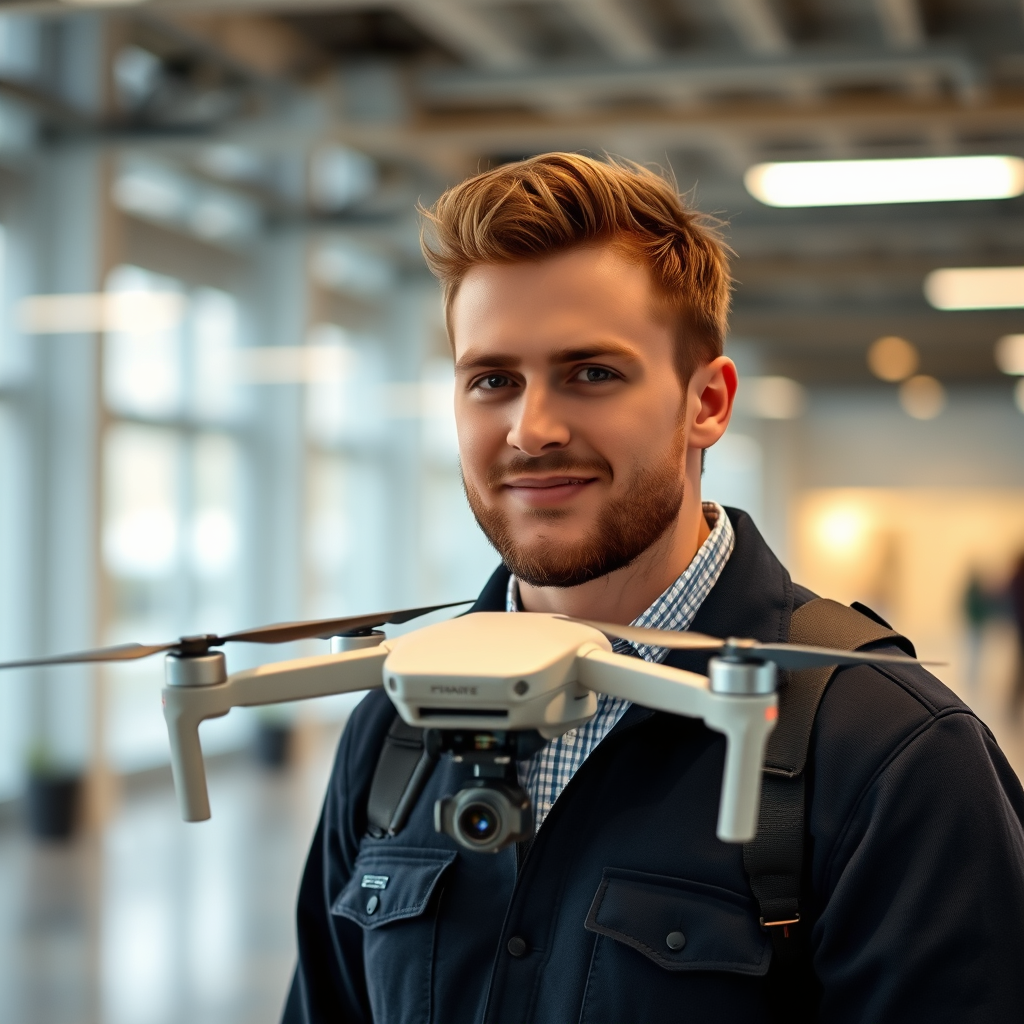
Drone regulations vary significantly from one country to another, reflecting differing attitudes toward airspace management and public safety. In the United States, the Federal Aviation Administration (FAA) has established a set of guidelines that apply to hobbyists and commercial operators alike. For instance, in the U.S., drones that weigh less than 250 grams are generally exempt from the formal licensing requirements that apply to heavier drones. This exemption makes the DJI Mini 3 particularly appealing for recreational flyers who may be intimidated by the regulatory landscape.
However, it’s crucial to note that even if your drone is under the weight limit, local laws may impose additional restrictions. For example, some municipalities have their own regulations regarding drone operations, and these can sometimes include no-fly zones or specific permissions required for flying in certain areas. Therefore, always conduct thorough research on the regulations in your locality before taking flight.
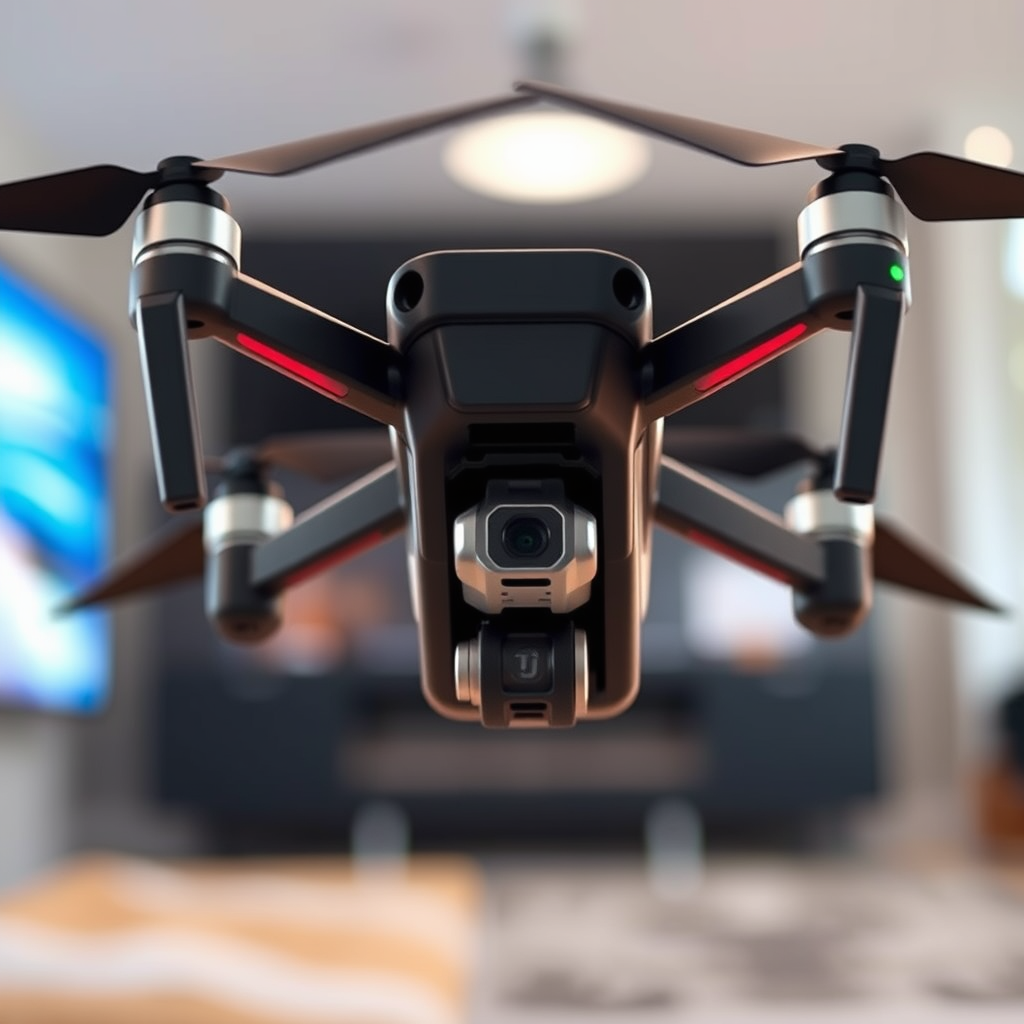
FAA Requirements for Recreational Flying
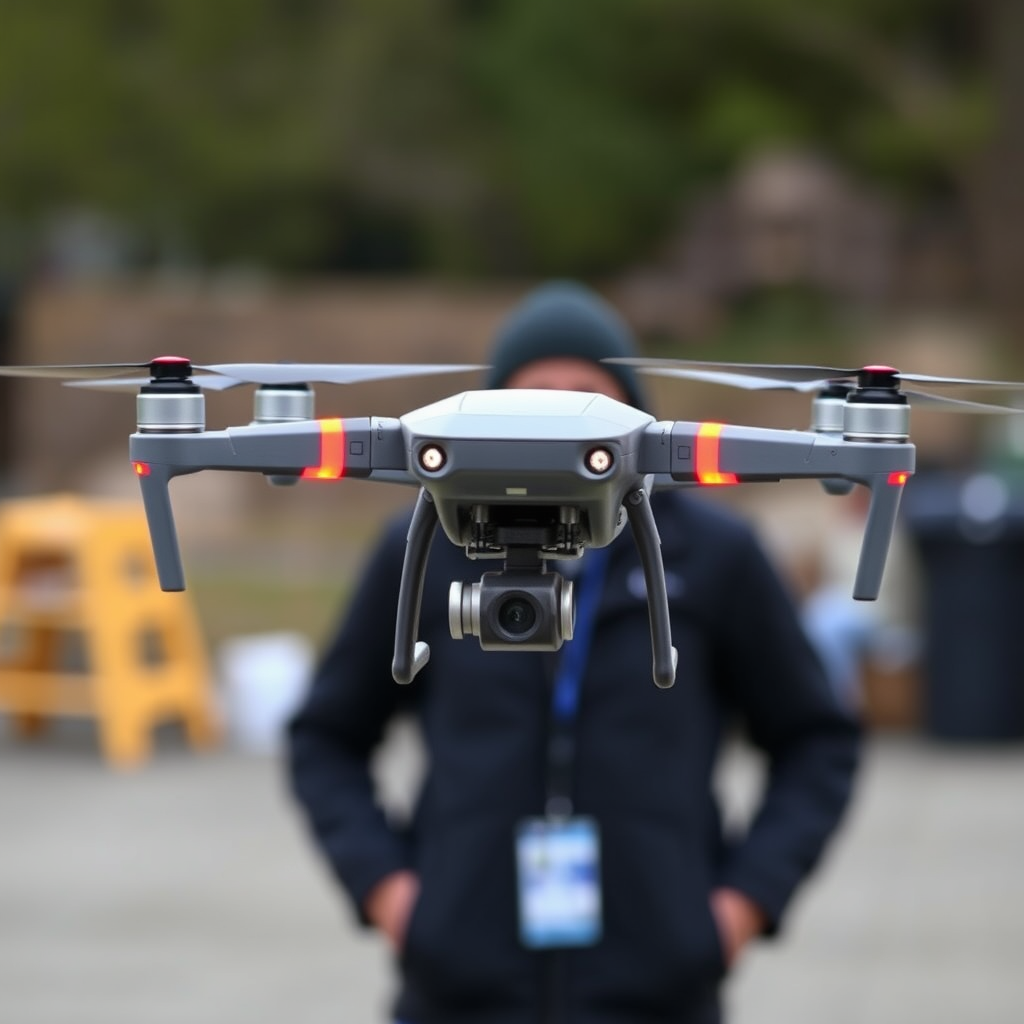
The FAA has established clear guidelines for individuals flying drones recreationally. A key requirement is that drones weighing over 0.55 pounds (approximately 250 grams) must be registered before flight. Fortunately, the DJI Mini 3 typically falls under this threshold, allowing users to fly without the burden of registration. However, it is important to adhere to the FAA’s safety guidelines, which include flying below 400 feet, maintaining visual line-of-sight, and avoiding flying near manned aircraft.
Additionally, recreational pilots are encouraged to follow the “Know Before You Fly” campaign, which provides vital information on where and how to fly safely. This includes understanding airspace classifications and respecting local wildlife and privacy considerations. While a license may not be necessary for recreational use, being informed about these guidelines will enhance your flying experience and ensure public safety.
Commercial Use Considerations
If you plan to use the DJI Mini 3 for commercial purposes, the rules change significantly. In the United States, operating a drone for commercial use requires a Part 107 certification from the FAA. This certification mandates that pilots pass a knowledge test covering topics such as airspace regulations, weather, loading, and performance, as well as drone operation and maintenance.
Understanding the distinction between recreational and commercial flying is crucial for compliance. If you intend to use your drone for activities such as aerial photography, surveying, or other business-related tasks, obtaining a Part 107 certification is not just a recommendation; it is a legal requirement. Furthermore, being certified can enhance your credibility as a professional in the field and opens doors to various business opportunities.
Local Laws and Restrictions
While federal regulations provide a framework for drone operation, local laws can impose additional restrictions that must be acknowledged. Various cities or states may have specific regulations regarding drone usage, including designated no-fly zones. For instance, areas near airports, schools, and certain public events may prohibit drone flights entirely, regardless of the drone’s weight.
To ensure compliance, it is advisable to check local ordinances and regulations before flying the DJI Mini 3. In some regions, drone pilots are required to obtain permits or notify authorities prior to flying. Always err on the side of caution and familiarize yourself with the airspace around you; apps and websites dedicated to drone pilots can provide up-to-date information about any restrictions that might affect your flying plans.
Safety and Best Practices
Regardless of whether you are required to obtain a license, prioritizing safety is paramount when flying your DJI Mini 3. Familiarizing yourself with local airspace and ensuring that you follow best practices for drone operation will not only protect you but also others around you. Essential safety tips include checking weather conditions before flying, maintaining a safe distance from people and property, and avoiding flying in restricted airspace.
Additionally, always perform a pre-flight checklist that includes checking battery levels, ensuring that the drone is in good working condition, and confirming that your GPS signal is strong. Investing time in understanding your drone’s features and capabilities can significantly enhance your flying experience and mitigate risks.
Benefits of Getting a License
Even if a drone license is not required in your situation, obtaining one can greatly benefit your flying experience. A drone license, such as the Part 107 certification, not only demonstrates your commitment to safe flying practices but also enhances your operational knowledge. Understanding airspace regulations, weather factors, and risk management can help you become a more competent pilot.
Moreover, having a license may open up professional opportunities in various fields, including photography, real estate, and surveying. Many businesses prefer or require licensed drone operators for commercial projects, making certification a valuable asset in an increasingly competitive job market.
Resources for Drone Pilots
As a drone pilot, staying informed about the latest regulations and best practices is crucial. The FAA’s official website is an excellent resource for understanding regulatory changes and finding guidance on safe flying. Additionally, consider joining local drone clubs or online communities where you can share experiences, ask questions, and learn from fellow pilots. These networks can offer invaluable support, whether you are a beginner or an experienced operator.
Furthermore, various apps are available that help drone pilots identify no-fly zones, plan flight paths, and track airspace restrictions. Utilizing these resources can enhance your flying experience and ensure compliance with both local and federal regulations.
Your journey with the DJI Mini 3 can be both enjoyable and compliant by understanding the licensing requirements that apply to you. Make sure to stay informed about regulations, prioritize safety, and consider the benefits of obtaining a license, especially if you plan to fly commercially. For those new to drone flying, exploring local resources can further enhance your experience. By being proactive and educated, you can maximize the enjoyment of your drone flying adventures while ensuring compliance with the law.
Frequently Asked Questions
Do I need a drone license to fly a DJI Mini 3 in the United States?
Yes, you typically need a drone license to fly a DJI Mini 3 in the United States, specifically a Remote Pilot Certificate issued by the FAA. However, because the DJI Mini 3 weighs less than 250 grams, you may be able to fly it recreationally without a license under the Part 107 regulations, provided you follow specific guidelines. Always check the latest FAA regulations as they can change.
What are the requirements to obtain a drone license for flying a DJI Mini 3?
To obtain a drone license for flying a DJI Mini 3, you must pass the FAA’s Part 107 exam, which tests your knowledge of airspace regulations, weather, and flight operations. Candidates must be at least 16 years old and able to read, write, and speak English. Once you pass the exam, you must also complete a TSA security background check.
Can I fly my DJI Mini 3 for commercial purposes without a drone license?
No, to fly your DJI Mini 3 for commercial purposes, you must obtain a Remote Pilot Certificate from the FAA. Operating a drone for profit without a license is illegal and can result in fines or legal action. Always ensure that you comply with local regulations and airspace restrictions when flying commercially.
What is the best way to prepare for the FAA Part 107 exam to get my drone license?
The best way to prepare for the FAA Part 107 exam is to study the relevant materials thoroughly, including the FAA’s Remote Pilot – Small Unmanned Aircraft Systems Study Guide. Many online courses and practice tests are available that cover the key areas of knowledge required for the exam. Additionally, joining online forums or local drone clubs can provide valuable insights and tips from experienced pilots.
Why should I consider getting a drone license for my DJI Mini 3?
Obtaining a drone license for your DJI Mini 3 not only allows you to fly legally, especially for commercial purposes, but it also enhances your understanding of safe and responsible drone operation. A license demonstrates your commitment to following regulations and can improve your credibility if you plan to offer drone services. Moreover, it may provide you with access to more flying locations and opportunities for aerial photography or videography.
References
- How to Register Your Drone | Federal Aviation Administration
- https://www.faa.gov/uas/getting_started/part_107
- https://www.faa.gov/uas/education_research/
- https://www.nytimes.com/2023/03/30/technology/drone-regulations.html
- https://www.npr.org/sections/alltechconsidered/2023/04/12/1169507042/drone-licensing-rules
- https://www.wired.com/story/drone-licensing-faa/
- DJI Mini 3 – FAQ – DJI
- https://www.transportation.gov/briefing-room/blog-articles/drone-licensing-what-you-need-know
