

Yes, in many cases, you do need a drone license to operate a drone legally, especially for commercial purposes. Regulations governing drone operation can vary significantly by country, and understanding these specific requirements is crucial for any pilot, whether they are flying for leisure or professional reasons. As the drone industry continues to grow, so do the implications of flying without a proper license, which can lead to legal repercussions and safety hazards. This article will explore the regulations, types of licenses, steps to obtain them, and the benefits of being a licensed drone operator.
Understanding Drone Regulations
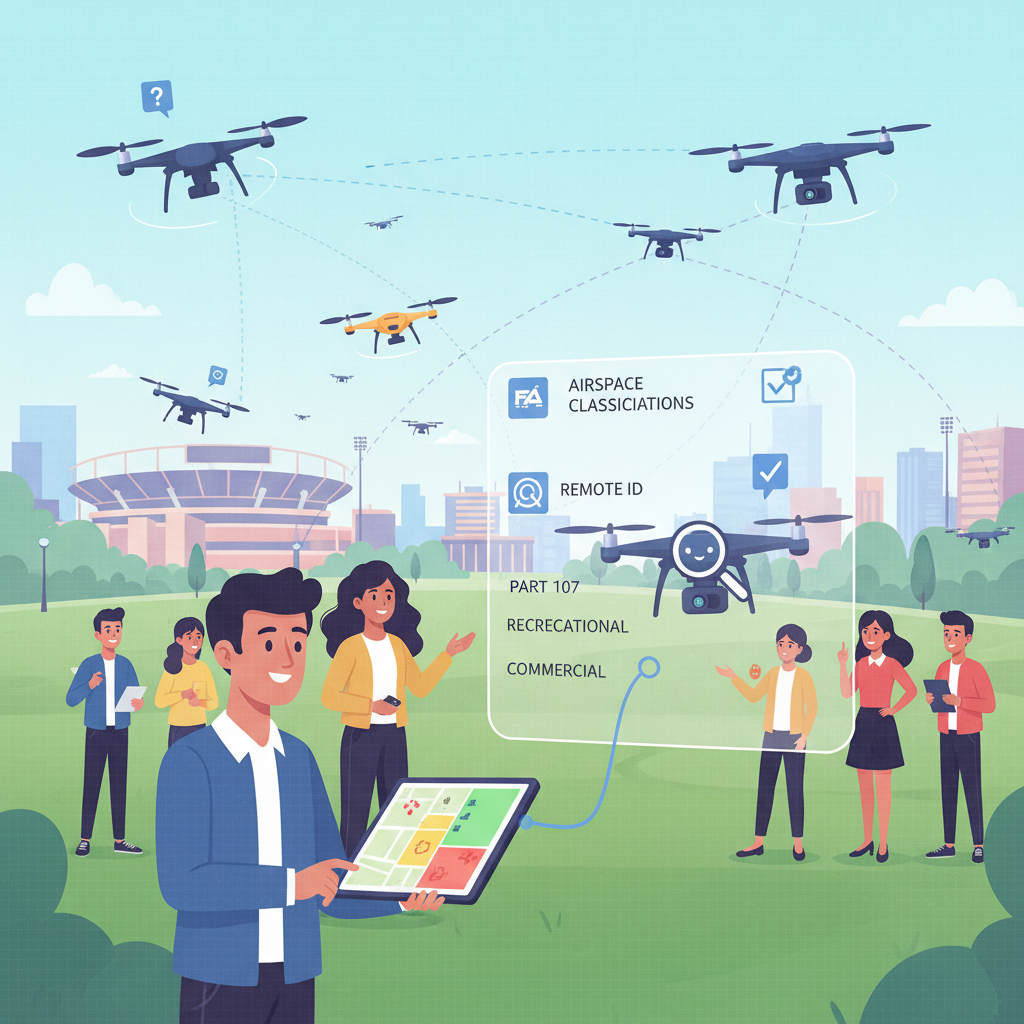
Different countries have varying laws regarding drone usage that reflect their unique airspace management and safety concerns. In the United States, for instance, the Federal Aviation Administration (FAA) regulates drone operations, requiring pilots to adhere to specific guidelines depending on their purpose for flying. In contrast, countries in the European Union follow the European Union Aviation Safety Agency (EASA) regulations, which have their own set of rules and requirements.
Regulations often depend on whether you’re flying for recreational or commercial purposes. Recreational drone operators generally face fewer restrictions but must still adhere to guidelines, such as keeping the drone within visual line of sight and avoiding flying over people. Conversely, commercial operators are subject to stricter regulations, including the requirement to hold a Remote Pilot Certificate from the FAA in the U.S. This distinction emphasizes the importance of understanding your local laws, as failing to comply can result in significant fines or legal action.
Types of Drone Licenses
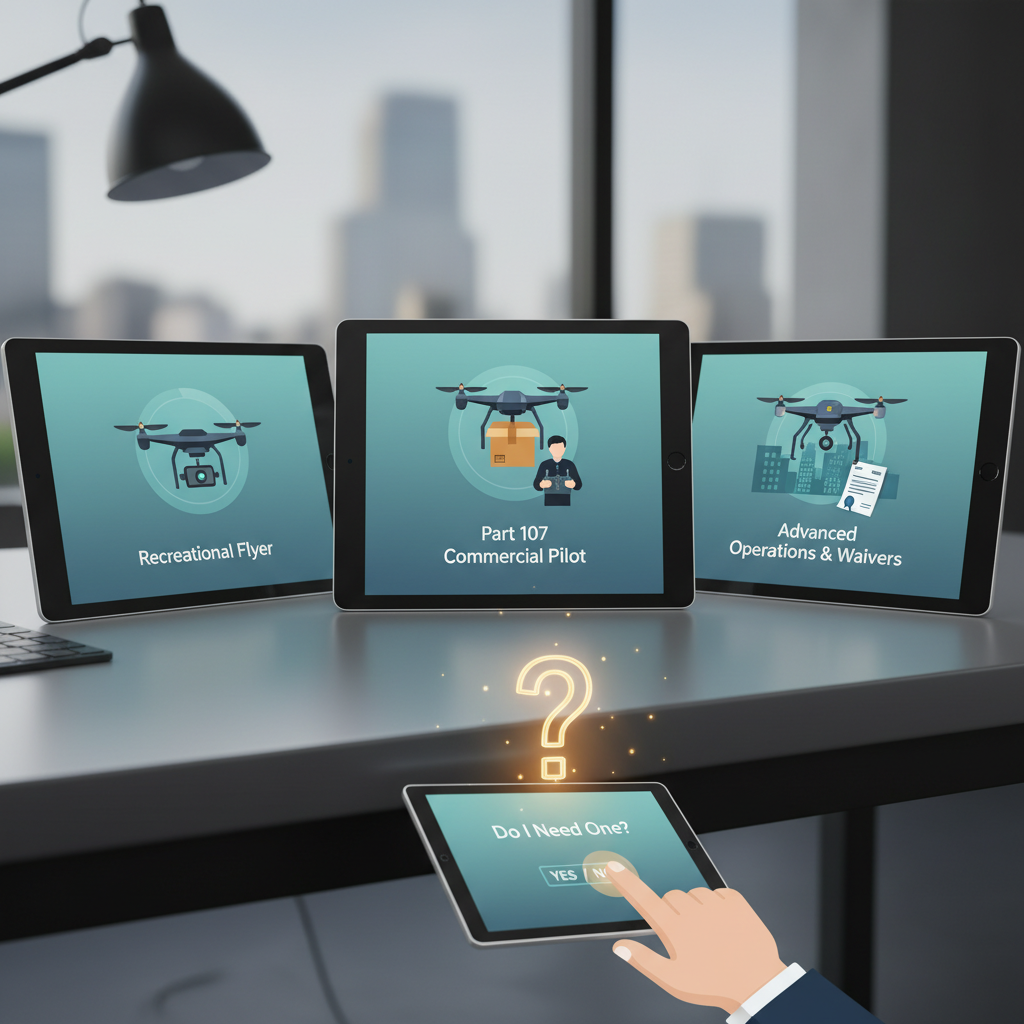
– Recreational License: In many jurisdictions, a specific recreational drone license is not required; however, pilots must follow particular guidelines to ensure safety and compliance. For example, in the U.S., the FAA mandates that recreational flyers register their drone if it weighs more than 0.55 pounds and adhere to safety guidelines such as flying below 400 feet and avoiding restricted airspace.
– Commercial License: A commercial drone license is often a necessity for individuals or businesses intending to use drones for profit. In the U.S., this typically means obtaining a Remote Pilot Certificate. To achieve this, pilots must pass the FAA’s Aeronautical Knowledge Test, which covers various topics including airspace classification, weather, and operational limitations. Other countries may have similar requirements, emphasizing the need for proper training and certification.
Steps to Obtain a Drone License
The journey to obtaining a drone license begins with thorough research into your local aviation authority’s requirements. Here are some actionable steps to guide you through the process:
1. Understand Requirements: Visit the website of your local aviation authority to familiarize yourself with the necessary qualifications and regulations.
2. Complete Training: Many aspiring drone pilots choose to enroll in formal training programs or online courses to prepare for the examination. These programs often cover essential topics, such as navigation, regulations, and safe operating procedures.
3. Pass the Exam: Schedule and take the required examination. In the U.S., this involves passing the FAA’s Aeronautical Knowledge Test at an approved testing center.
4. Apply for the License: Once you have passed the examination, you can apply for your license. Ensure that all required documentation is submitted accurately to avoid any delays.
5. Stay Updated: Regulations can change, so it’s essential to stay informed about any updates or modifications to the rules governing drone operation.
Benefits of Having a Drone License
Obtaining a drone license can provide numerous advantages, particularly for commercial operators. One significant benefit is the legitimacy it confers upon your operations. A licensed drone pilot appears more credible to clients and stakeholders, which can enhance business opportunities. Clients are often more willing to trust and hire licensed pilots for tasks such as aerial photography, surveying, and inspections because it indicates a level of professionalism and adherence to safety standards.
Moreover, having a drone license grants access to restricted airspace that is otherwise off-limits to unlicensed pilots. This can be particularly advantageous for commercial applications, allowing operators to conduct flights in areas where their services may be in higher demand, such as near airports or urban centers.
Common Misconceptions About Drone Licenses
There are several misconceptions surrounding the necessity of drone licenses that can lead to confusion and potential legal issues. One prevalent belief is that a license is only required for heavier drones. In reality, even lighter drones, particularly those used for commercial purposes, may still require a license. This misunderstanding can result in unlicensed operators inadvertently violating regulations.
Another common assumption is that recreational flying is entirely free of regulations. While it is true that recreational pilots face fewer restrictions, they are still required to follow specific guidelines. Ignoring these rules can lead to fines and other penalties. For instance, flying a drone over an active sports event or gathering could result in serious consequences, including legal action.
Resources for Aspiring Drone Pilots
For those looking to navigate the complexities of drone licensing, various resources are available to assist in the journey. Online courses offer comprehensive training that covers everything from basic flying skills to advanced regulatory knowledge. Websites such as the FAA’s official site provide detailed information about testing locations, study materials, and updates on regulations.
Local flying clubs can also be invaluable. They often host workshops and training sessions, providing aspiring pilots with opportunities to learn from experienced operators and share insights. Additionally, community forums, such as those found on Reddit or specialized drone forums, can offer support and a wealth of shared experiences from other drone pilots, helping newcomers to overcome challenges and stay informed about best practices.
In summary, whether you need a drone license largely depends on how you intend to use your drone. For commercial operations, obtaining a license is not just advisable; it is often a legal requirement that can enhance your credibility and operational capabilities. Recreational flyers should also be aware of the guidelines to avoid potential fines. Familiarize yourself with the regulations in your area, consider obtaining a license if you plan on flying commercially, and always prioritize safety. Stay informed and fly safely!
Frequently Asked Questions
Do I need a drone license to fly a drone for personal use?
Whether you need a drone license for personal use depends on your country and the weight of the drone. In the U.S., for instance, if your drone weighs over 0.55 pounds (250 grams), you must register it with the FAA. However, a Part 107 Remote Pilot Certificate is not required for recreational flying unless you plan to use the drone for commercial purposes.
What are the requirements to obtain a drone license in the U.S.?
To obtain a drone license in the U.S., specifically the Part 107 Remote Pilot Certificate, you must be at least 16 years old, pass an aeronautical knowledge test, and be vetted by the Transportation Security Administration (TSA). Additionally, you should understand the regulations, airspace classifications, weather, and drone operation to ensure safety and compliance while flying commercially.
How can I apply for a drone license, and what is the process?
To apply for a drone license, you first need to study for and pass the FAA’s aeronautical knowledge test, which can be taken at a designated testing center. After passing the test, you can apply for the Remote Pilot Certificate through the FAA’s Integrated Airman Certification and Rating Application (IACRA) system. Make sure to have your TSA background check completed, as this is a crucial step in the process.
Why is it important to have a drone license for commercial flying?
Having a drone license for commercial flying is crucial for legal compliance, safety, and credibility. The FAA regulates drone operations to minimize risks to other aircraft and people on the ground. Without a license, you risk facing fines, legal penalties, or your business being shut down, which can hinder future opportunities in the growing drone market.
What are the consequences of flying a drone without a license?
Flying a drone without a license can lead to serious consequences, including hefty fines ranging from hundreds to thousands of dollars, potential legal action, and the confiscation of your drone. Additionally, operating without a license can damage your reputation, especially if you’re looking to start a drone business, as clients often seek licensed operators for their projects to ensure compliance with safety regulations.
References
- https://en.wikipedia.org/wiki/Drone_regulation
- https://www.faa.gov/uas/getting_started/registration
- https://www.nasa.gov/mission_pages/aircraft/aircraft/drones.html
- https://www.theguardian.com/technology/2021/jun/01/drone-regulation-uk
- https://www.nytimes.com/2020/05/05/business/drone-faa-regulations.html
- https://www.aaus.org/uas-resources
- https://www.faa.gov/uas/commercial_operators/
- https://www.sans.org/blog/drone-rules-and-regulations-in-the-us/
