

Yes, in most cases, you do not need a license to fly a drone for recreational purposes, but there are specific regulations and guidelines to follow. Understanding these rules will help you enjoy your drone flying experience while remaining compliant with the law. Recreational drone flying has surged in popularity, offering hobbyists the chance to capture stunning aerial photography, explore landscapes, and engage in a growing community. However, adhering to the regulations set forth by the Federal Aviation Administration (FAA) is crucial to ensure safety and legality in your drone operations.
Understanding FAA Regulations
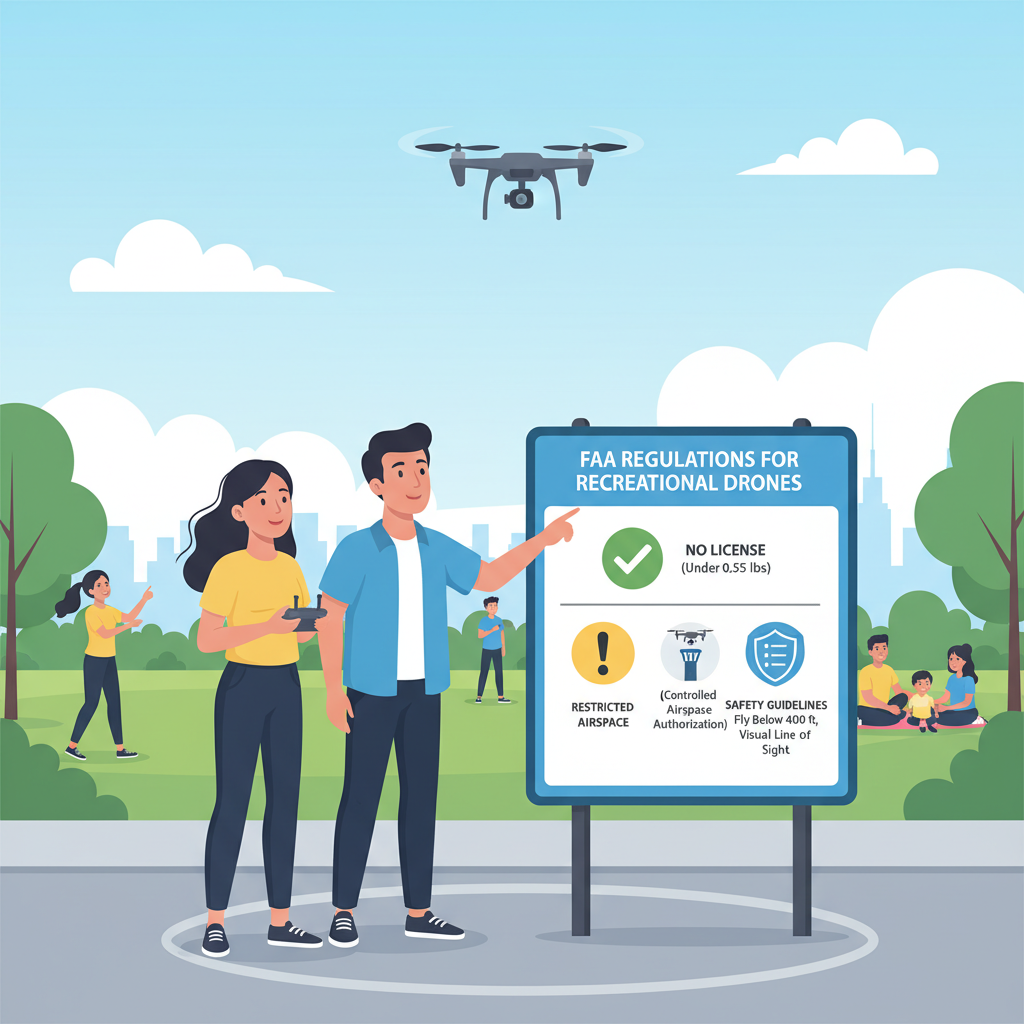
The Federal Aviation Administration (FAA) is the primary regulatory body governing drone usage in the United States. The FAA has established a set of rules that recreational drone flyers must follow to ensure safe and responsible usage. Foremost among these rules is the requirement that recreational flyers adhere to Community-Based Guidelines. These guidelines are established by organizations like the Academy of Model Aeronautics (AMA) and emphasize safety, operational limits, and community standards.
Recreational flyers should familiarize themselves with the specific guidelines that govern their activities, as these can include restrictions on where and how high you can fly, as well as requirements for notifying local authorities in certain areas. Understanding these regulations not only promotes safety but also enriches the flying experience by ensuring you are fully aware of the environment in which you are operating your drone.
The TRUST Certification
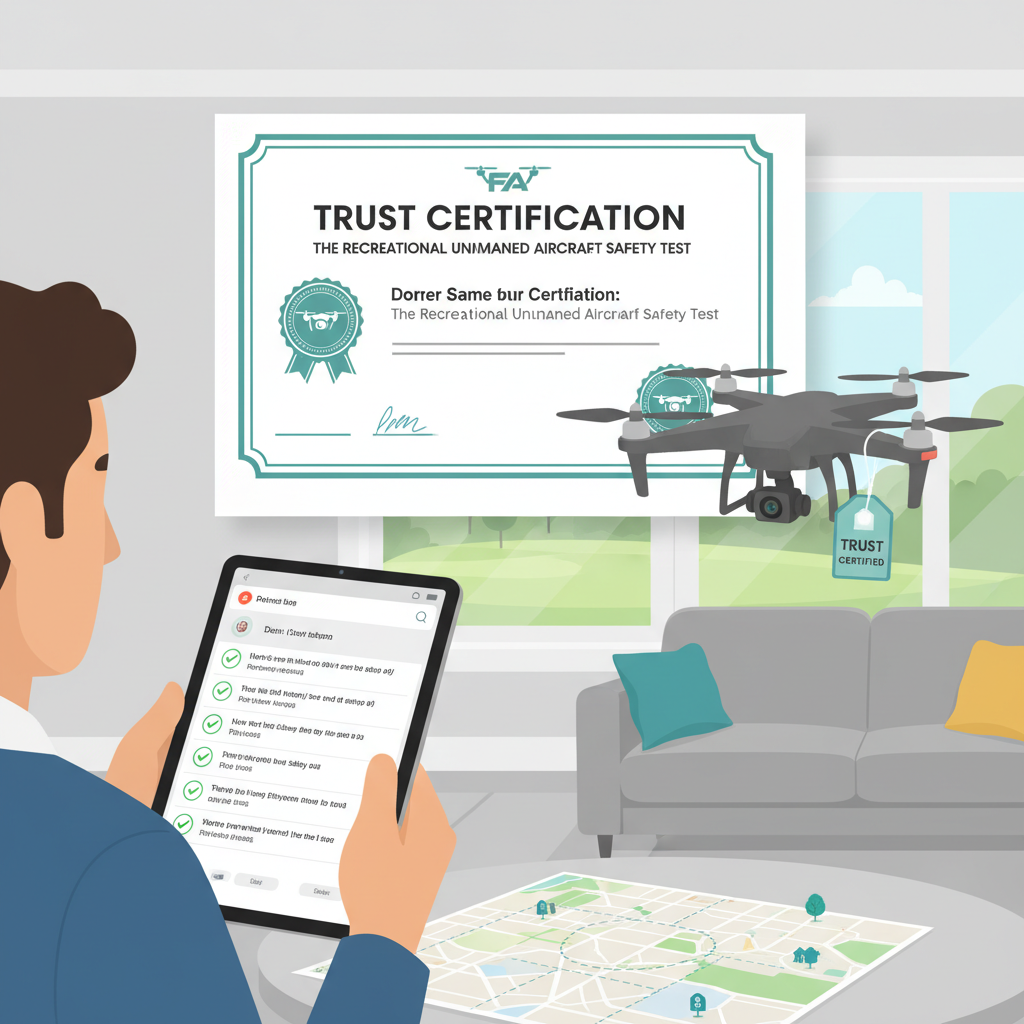
Although a license isn’t required for recreational drone flying, the FAA mandates that all recreational drone pilots complete the TRUST (The Recreational UAS Safety Test). This free online safety test is designed to educate drone operators on safe flying practices, airspace classifications, and the legal responsibilities of flying a drone.
Upon passing the test, you will receive a certificate that demonstrates your understanding of safe drone operation. This certification is essential for compliance with FAA regulations and may be requested by law enforcement or other authorities. Taking the time to complete the TRUST certification not only ensures you meet legal requirements but also equips you with the knowledge necessary to operate your drone safely and responsibly.
Drone Weight Limitations
When it comes to drone weight, the FAA stipulates that drones weighing less than 55 pounds do not require registration for recreational use. This weight limit includes the total weight of the drone, including any accessories or equipment you may have attached. If you are flying a drone that exceeds this weight limit, it is necessary to register it with the FAA prior to operation.
Registration is a straightforward process that can be completed online, and it requires a nominal fee. Once registered, you will receive a unique identification number that must be displayed on your drone. This helps the FAA and law enforcement identify owners in the event of an incident or violation. Staying compliant with weight limitations and registration requirements is crucial for both legal compliance and safety.
Where You Can Fly
Recreational drone flying is permitted in uncontrolled airspace, typically referred to as Class G airspace, which is not monitored by air traffic control. However, it is imperative to avoid flying near airports or in controlled airspace without proper authorization. Always check for local laws and restrictions, as many municipalities and states have their own regulations that may impose additional limitations on where you can fly your drone.
Before taking off, utilize tools such as the FAA’s B4UFLY app, which provides real-time information about airspace restrictions and flying conditions in your area. This proactive approach not only keeps you compliant but also enhances your flying experience by ensuring you are well-informed about potential hazards and no-fly zones.
Safety Guidelines for Recreational Flyers
Safety is paramount when engaging in recreational drone flying. To ensure a safe experience, it is essential to maintain a visual line of sight with your drone at all times. This means that you should always be able to see your drone without the aid of binoculars or other visual enhancement tools.
Additionally, avoid flying over people or moving vehicles, as this can pose risks to public safety. Familiarize yourself with your drone’s capabilities and limitations, including battery life and operational range, to prevent accidents caused by loss of control. Following these safety guidelines not only protects you and others but also fosters a positive image of the drone community as responsible operators.
Consequences of Non-compliance
Failing to adhere to FAA regulations can result in severe consequences, including fines, penalties, and even legal action. The FAA has taken enforcement seriously, and non-compliance can lead to significant financial costs and reputational damage. For instance, operating a drone in restricted airspace or without proper registration can attract fines that range from hundreds to thousands of dollars.
Moreover, irresponsible drone flying can lead to accidents, which may result in personal injury or property damage, further complicating legal matters. By properly understanding and adhering to FAA regulations, drone operators can avoid these pitfalls and enjoy the many benefits of recreational flying without the burden of legal repercussions.
Resources for Recreational Drone Flyers
For those interested in recreational drone flying, the FAA website provides a wealth of resources and updates on regulations. The site includes information on safety guidelines, registration processes, and educational materials to help new and experienced pilots alike.
Additionally, joining local drone clubs or online forums can serve as valuable platforms for community support and advice. Engaging with fellow drone enthusiasts can provide insights into best practices, local laws, and opportunities for group flying events. These resources not only enhance your knowledge but also foster a sense of community among drone operators.
In conclusion, while a specific license is not needed for recreational drone flying, it’s essential to understand the FAA regulations, complete the TRUST certification, and adhere to local laws. By following these guidelines, you can enjoy flying your drone responsibly and safely. Embracing the joy of drone flying while remaining compliant with regulations will ensure that this exciting hobby can flourish for years to come.
Frequently Asked Questions
Do I need a license to fly a drone recreationally in the United States?
In the United States, you do not need a specific license to fly a drone recreationally, but you must follow certain regulations set by the Federal Aviation Administration (FAA). Recreational drone pilots are required to register their drones if they weigh more than 0.55 pounds and must adhere to guidelines such as flying below 400 feet, keeping the drone within visual line of sight, and not flying near other aircraft or over people. Familiarizing yourself with these rules is essential for safe and legal drone operation.
What are the registration requirements for recreational drone pilots?
Recreational drone pilots must register their drones with the FAA if they weigh more than 0.55 pounds. The registration process is straightforward and can be completed online for a small fee, which covers a three-year period. Once registered, you’ll receive a unique identification number that must be displayed on your drone, ensuring compliance with federal regulations.
Why is it important to follow FAA regulations when flying a drone recreationally?
Following FAA regulations when flying a drone recreationally is crucial for safety and legal compliance. Adhering to these rules helps prevent accidents, protects the privacy of individuals, and ensures the safety of manned aircraft. Ignoring these regulations can result in significant fines and penalties, as well as compromised safety for both drone pilots and the general public.
What are some common restrictions for recreational drone flying?
Recreational drone flying is subject to several common restrictions, including not flying above 400 feet, maintaining a visual line of sight with the drone, and avoiding restricted airspace such as near airports or military installations. Additionally, drone operators should not fly over people or moving vehicles and must respect the privacy of others. Understanding these restrictions helps ensure a safer flying experience and compliance with the law.
Which resources can I use to learn more about flying drones recreationally?
To learn more about flying drones recreationally, several resources are available. The FAA’s official website provides comprehensive guidelines and information about registration, safety, and regulations. Additionally, online forums, drone clubs, and YouTube channels dedicated to drone flying offer practical tips, tutorials, and community support for new pilots looking to enhance their skills and understanding of drone operations.
References
- https://www.faa.gov/uas/recreational_flyers/
- https://www.faa.gov/uas/getting_started/
- https://www.nasa.gov/aeroresearch/programs/airspace/uas
- https://en.wikipedia.org/wiki/Unmanned_aerial_vehicle#Recreational_use
- https://www.usa.gov/elected-officials
- https://www.dronesafety.org/
- https://www.nolo.com/legal-encyclopedia/drone-law-what-you-need-know-32278.html
