
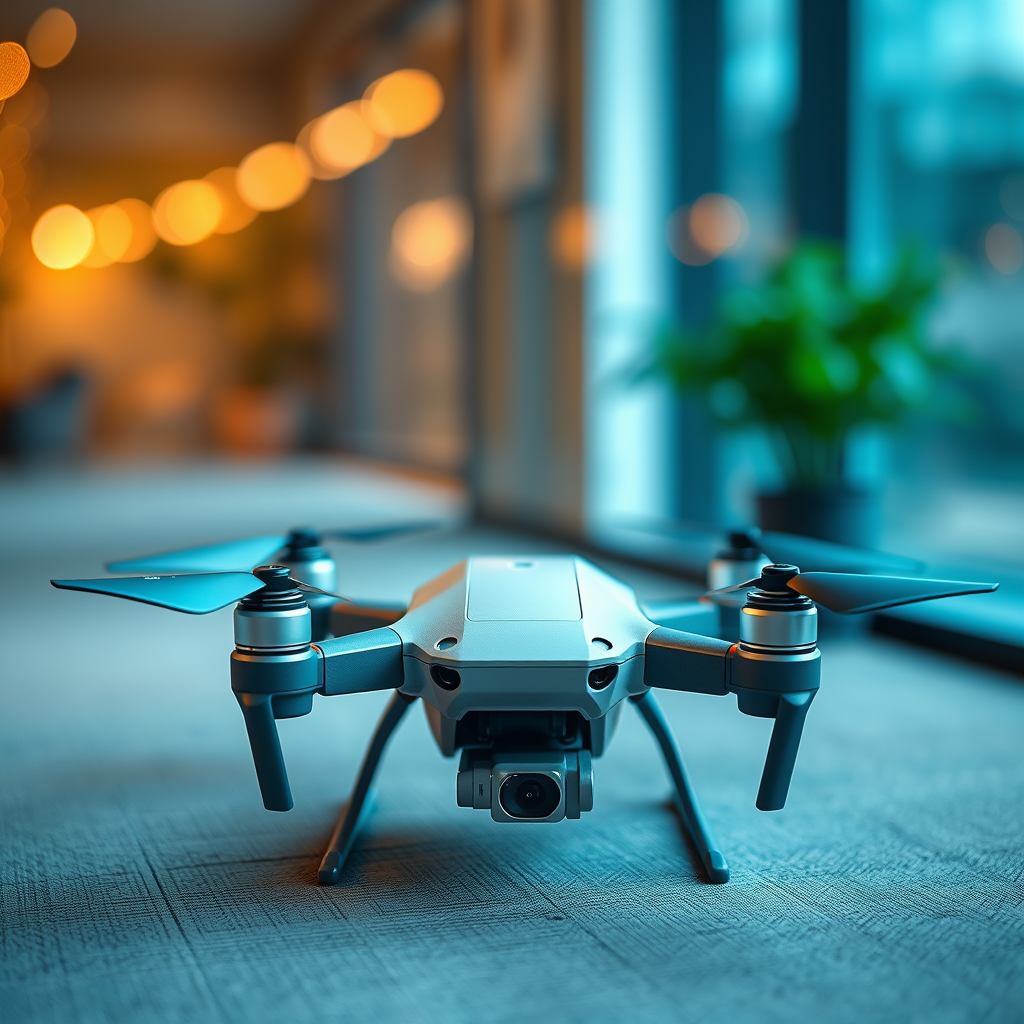
Yes, if you own a drone that weighs between 250 grams and 25 kilograms, you are required to register it in Canada. This registration process is crucial for maintaining safety and accountability within the country’s airspace, helping to mitigate risks associated with drone operations. Understanding the requirements, processes, and potential penalties associated with drone registration is essential for both recreational and commercial operators.
Understanding Drone Registration in Canada
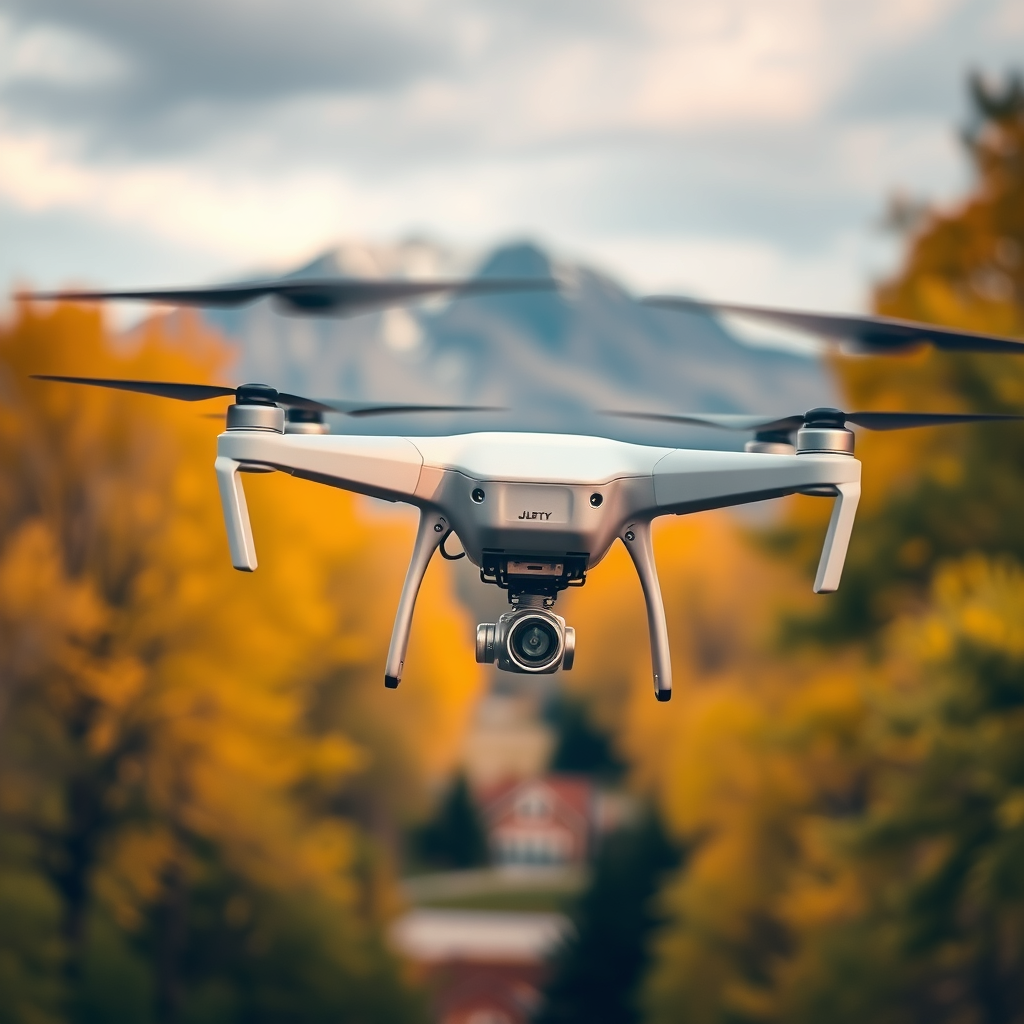
In Canada, the registration of drones is a legal requirement enforced by Transport Canada. The mandate applies to unmanned aerial vehicles (UAVs) that fall within the weight range of 250 grams (0.55 pounds) to 25 kilograms (55 pounds). This weight threshold is significant, as it distinguishes between smaller drones that may have fewer restrictions and larger UAVs that pose a greater risk to public safety and airspace integrity.
The registration process is straightforward but involves supplying personal information, including your name, address, and contact details, as well as specifics about the drone itself, such as its make, model, and serial number. This data is crucial for ensuring that drones can be tracked in the event of an incident, thereby enhancing accountability among operators.
Who Needs to Register?
All drone operators who own drones within the specified weight limits must register their devices, regardless of whether they are used for recreational or commercial purposes. This includes hobbyists flying for leisure as well as businesses conducting commercial aerial photography, surveying, or delivery operations.
Certain exemptions are in place. For instance, drones that weigh less than 250 grams do not require registration. Moreover, educational institutions utilizing drones for instructional purposes may also qualify for specific exemptions, provided that the drones are used strictly within an educational context. Operators should consult Transport Canada’s guidelines to determine if their usage falls under an exemption.
How to Register Your Drone
To register your drone in Canada, you must visit the Transport Canada website, where an online registration portal is available. The portal is user-friendly and guides you through the necessary steps. You will need to provide essential information including your name, address, and the details of your drone, such as the model and serial number.
Once the information is submitted, you will receive a unique registration number, which must be displayed on your drone. This registration number is crucial as it identifies your drone in case of incidents or violations. The entire process can typically be completed in a matter of minutes, making it an accessible requirement for all operators.
Registration Fees and Validity
One of the significant advantages of drone registration in Canada is that it is entirely free of charge. There are no hidden fees or costs associated with the registration process, which supports broader compliance among drone operators.
The registration remains valid as long as you own the drone and it is operational. If you sell or dispose of your drone, you must cancel the registration. Conversely, if you acquire a new drone, you will need to register it separately. Maintaining current registration is vital for ensuring accountability and compliance with regulations.
Penalties for Non-Compliance
Failing to register your drone in Canada can lead to serious consequences. The penalties for non-compliance can include fines, which can range significantly depending on the severity of the infraction. Additionally, legal actions may be taken against operators who violate registration laws, which could result in restrictions on future drone operations or even criminal charges in extreme cases.
Transport Canada takes the enforcement of registration rules seriously, as unregistered drones can pose significant risks to public safety, air traffic, and privacy. Therefore, it is imperative for all drone operators to adhere to registration requirements to avoid potential penalties.
Operating Guidelines After Registration
Once your drone is registered, it is essential to operate it in accordance with the regulations set forth by Transport Canada. Registered drones must be flown within visual line of sight, away from populated areas, and not above 122 meters (400 feet) unless specific permissions have been obtained.
Additionally, operators should familiarize themselves with local flying restrictions and safety guidelines to ensure safe operation. These guidelines may vary by region, especially in proximity to airports, military bases, and other sensitive areas.
Staying updated on regulations and best practices is crucial for maintaining safety and compliance. Operators should regularly check for updates from Transport Canada and consider undertaking formal training to enhance their flying skills and knowledge.
Resources for Drone Operators
Transport Canada provides a wealth of resources and guidance for drone operators, including comprehensive guides on safe flying practices, regulatory updates, and the registration process. Their website is an essential resource for both new and experienced drone pilots looking to enhance their operational knowledge.
Moreover, joining local drone communities can be beneficial for networking with other operators, sharing experiences, and staying informed about the latest developments in drone technology and regulations. These communities often host events, workshops, and forums that can further enrich your understanding and operational skills within the drone pilot community.
In conclusion, registering your drone in Canada is a straightforward yet essential process that promotes safe operation and compliance with national regulations. By understanding the registration requirements, the implications of non-compliance, and the operating guidelines post-registration, drone operators can contribute positively to airspace safety. If you haven’t registered your drone yet, it is imperative to take the necessary steps to do so and enjoy your flying experience responsibly.
Frequently Asked Questions
Do I need to register my drone in Canada?
Yes, if your drone weighs more than 250 grams (0.55 pounds) but less than 25 kilograms (55 pounds), you must register it with Transport Canada. Registration is essential for ensuring safe airspace and accountability; you’ll receive a registration number that must be displayed on your drone. If your drone is lighter than 250 grams, registration is not required, but you still must follow the applicable safety guidelines.
How do I register my drone in Canada?
To register your drone in Canada, visit the Transport Canada website and create an account in the Drone Management Portal. You’ll need to provide details such as the drone’s make, model, and serial number. Once completed, a registration fee may apply, and you will receive a unique registration number that must be affixed to your drone before flying.
Why is drone registration important in Canada?
Drone registration in Canada is crucial for promoting accountability and enhancing safety in the airspace. It helps authorities track drone ownership, ensuring that pilots adhere to regulations and operate their drones responsibly. This process also assists in mitigating risks to manned aircraft and the general public, fostering a safer environment for everyone.
What are the penalties for flying an unregistered drone in Canada?
Flying an unregistered drone in Canada can result in significant penalties, including fines of up to $5,000 for individuals and up to $25,000 for corporations. Additionally, operating a drone without proper registration puts you at risk of legal action and could lead to the suspension of your flying privileges, making it imperative to comply with Canadian drone regulations.
Which drones are exempt from registration in Canada?
Drones weighing less than 250 grams (0.55 pounds) are exempt from registration in Canada. However, even if your drone is exempt, you must still comply with the safety regulations set forth by Transport Canada, such as flying below 122 meters (400 feet) and keeping the drone within visual line-of-sight. Always check the latest guidelines to ensure compliance and safety.
References
- https://www.canada.ca/en/transport-canada/services/drone-safety/registration.html
- https://www.tc.gc.ca/en/services/drone-safety.html
- https://www.cbc.ca/news/canada/drone-registration-canada-1.4875634
- https://www.faa.gov/uas/getting_started/registration/
- https://www.theglobeandmail.com/business/article-drone-use-in-canada/
- https://en.wikipedia.org/wiki/Unmanned_aerial_vehicle#Regulation_in_Canada
- https://www.tc.gc.ca/en/services/drone-safety/faq.html
- https://www.dji.com/ca/education/drone-regulations-canada
