
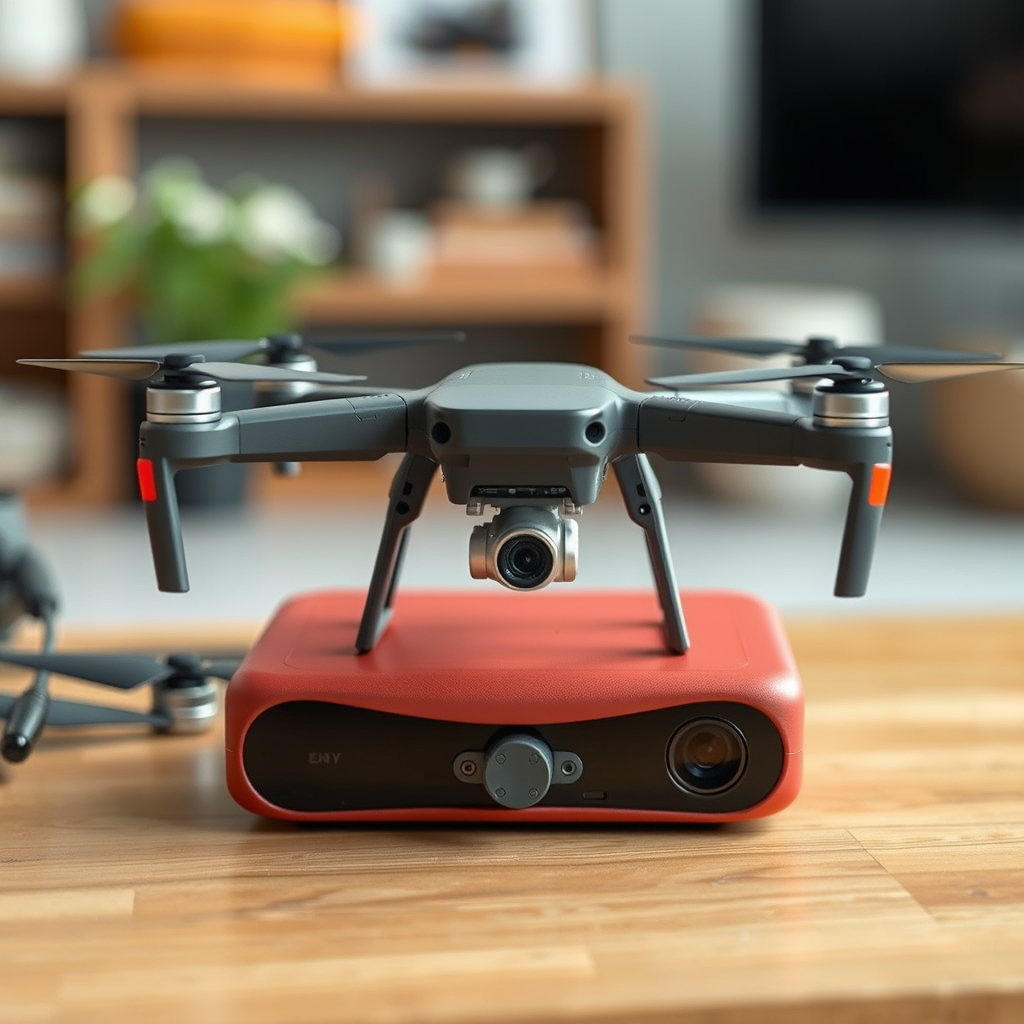
Yes, you must register your drone in Canada if it weighs over 250 grams. This regulation, enforced by Transport Canada, is crucial for maintaining safety and accountability in the country’s airspace. The registration process helps ensure that drone operators can be identified in the event of accidents or violations, fostering responsible use of this technology. In this article, we will explore the intricacies of the registration process, the requirements involved, and essential considerations for drone operators in Canada.
Understanding the Registration Requirement
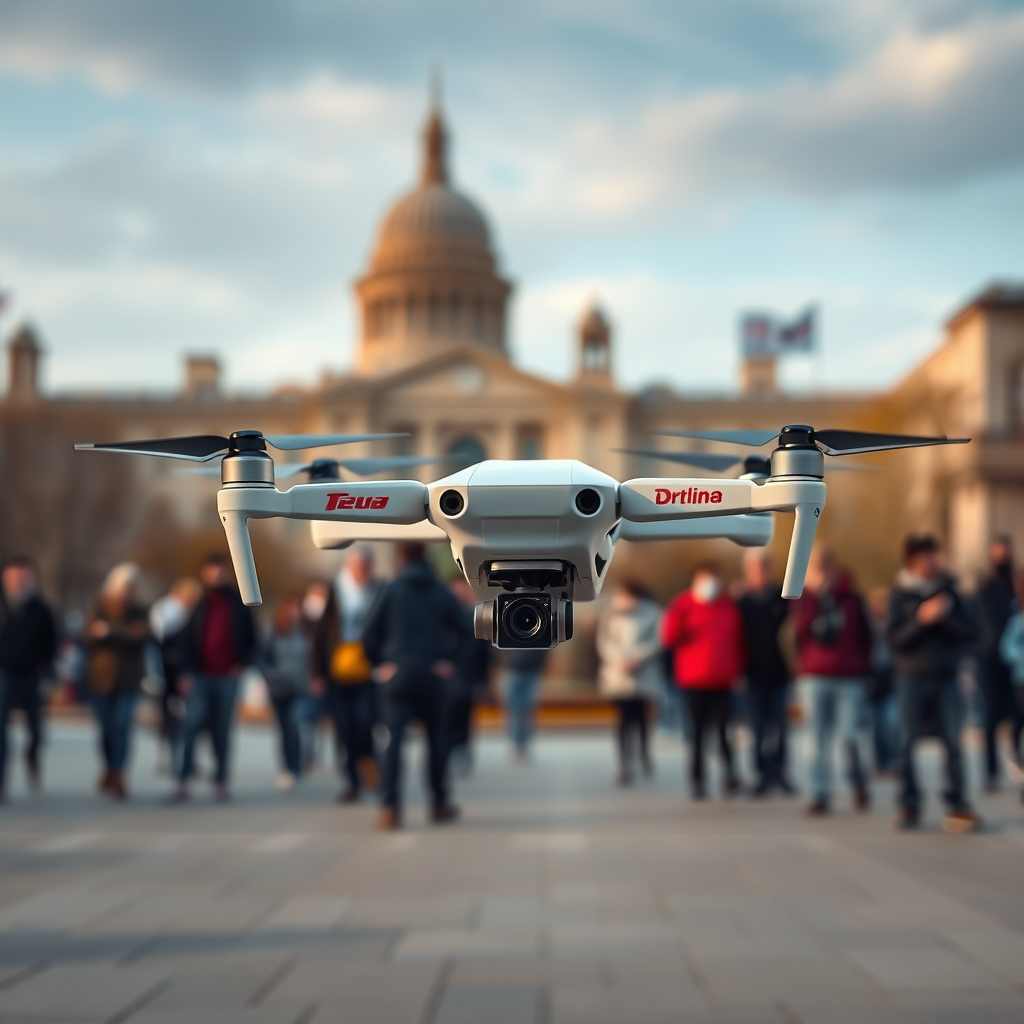
In Canada, the requirement to register a drone is straightforward: if your drone weighs more than 250 grams, you must complete the registration process. This regulation is part of Transport Canada’s broader goal of ensuring safety in Canadian airspace and protecting public interests. By registering your drone, you contribute to a system that helps identify owners in case of incidents, such as accidents or unauthorized flights.
Drones that are registered provide a level of accountability, as their operators can be traced. This traceability is vital in preventing misuse and ensuring that drone operators adhere to the rules set forth by Transport Canada. Furthermore, this requirement extends beyond mere compliance; it reflects a growing awareness of the importance of responsible drone use, particularly as the popularity of these devices continues to rise.
How to Register Your Drone
Registering your drone in Canada is a straightforward process that can be done online through the Transport Canada website. To begin, visit the official Transport Canada registration portal, where you will find step-by-step instructions.
You will need to fill out the required information regarding your drone, including its make, model, and serial number. Additionally, you will be asked to provide personal details such as your name, address, and contact information. After completing the form, you will need to pay a nominal registration fee of $5, which is a small price to pay for ensuring compliance and safety.
Once your application is submitted, you will receive a registration number, which must be marked on your drone. This registration number serves as a unique identifier for your drone, making it easier for authorities to trace ownership in case of any incident. It is essential to keep a record of this number, as it must be presented when required.
Registration Fees and Validity
The registration fee for drones in Canada is a modest $5, which is valid for up to five years. This fee is relatively low compared to the potential fines and legal issues that could arise from operating an unregistered drone. It is important to note that the registration must be renewed before the five-year period expires to maintain compliance with Transport Canada regulations.
To renew your registration, you will need to undergo a similar process as the initial registration. You can do this online, ensuring that your drone’s details remain current. Failing to renew your registration can lead to penalties, including fines or restrictions on your ability to operate your drone in certain areas.
Exceptions to the Registration Rule
While the majority of drones in Canada must be registered, there are exceptions to this rule. Drones that weigh less than 250 grams do not require registration, which can be a significant advantage for hobbyists and casual users. This exemption allows for more accessible drone use, especially for those who are just getting started in the hobby.
Additionally, certain types of drones used for specific research or educational purposes may have different regulations that exempt them from standard registration requirements. For instance, drones used by academic institutions for research projects may fall under different guidelines. However, it is crucial for operators to verify whether their specific use case qualifies for any exemptions, as compliance with regulations is essential in all scenarios.
Consequences of Not Registering
Operating a drone without proper registration can lead to severe consequences, including hefty fines and potential legal issues. Transport Canada has established a framework of penalties for those who fail to comply with the registration requirements. For instance, fines can range from a few hundred to several thousand dollars, depending on the severity of the violation.
Moreover, non-compliance could restrict your ability to operate your drone in certain areas, particularly in controlled airspaces such as near airports or urban areas. This could significantly diminish the utility of your drone, as many of the most exciting and visually appealing locations to fly are in these restricted zones. Therefore, it is critical for drone operators to ensure that their registration is up to date to avoid these repercussions.
Best Practices for Drone Operators
To be a responsible drone operator in Canada, following best practices is essential. First and foremost, always check the latest regulations and updates from Transport Canada. Regulations can change, and staying informed will help ensure that you remain compliant.
Keeping your registration details updated is also crucial. If you change your address or sell your drone, be sure to update your registration information as soon as possible.
Additionally, consider pursuing further training or certification. While basic knowledge of drone operation may be sufficient for casual flying, obtaining additional training can be invaluable, especially for operating in complex environments such as urban areas or near commercial air traffic.
Joining local drone clubs or forums can also enhance your knowledge and skills. Engaging with the community allows you to learn from experienced pilots, share insights, and stay informed about evolving best practices and local regulations.
Resources for Drone Operators
For comprehensive and reliable information, Transport Canada’s official website is the go-to resource for drone operators in Canada. The website contains up-to-date details on regulations, registration, and safety guidelines, making it an essential tool for both new and experienced drone users.
In addition to official resources, local drone clubs and online forums provide valuable community support. These platforms allow drone enthusiasts to connect, share experiences, and exchange tips and tricks. Many clubs also offer workshops and training sessions, which can be instrumental in improving your flying skills and understanding the nuances of drone operation.
In summary, registering your drone in Canada is not just a legal requirement; it is a commitment to responsible and safe drone operation. By understanding the registration requirements, staying informed about regulations, and engaging with the drone community, operators can enjoy the benefits of flying while adhering to the law. For further information and guidance, be sure to visit Transport Canada’s website or consult with local drone associations to enhance your knowledge and skills in this exciting field.
Frequently Asked Questions
Do I need to register my drone in Canada?
Yes, in Canada, you must register your drone if it weighs more than 250 grams (0.55 pounds) and less than 25 kilograms (55 pounds). Registration is done through Transport Canada, and it involves providing details about the drone and paying a nominal fee. This requirement helps ensure that drone operators follow safety guidelines and regulations, promoting responsible flying in Canadian airspace.
How do I register my drone in Canada?
To register your drone in Canada, visit the Transport Canada website and create an account through the Drone Management Portal. You will need to provide information about your drone, such as its make, model, and serial number, and pay a registration fee of $5 CAD. Once registered, you will receive a unique registration number that must be displayed on your drone.
Why is drone registration important in Canada?
Drone registration is crucial in Canada to enhance safety and accountability among drone operators. By registering, you contribute to a safer airspace by ensuring that all drones are tracked and can be linked to their owners in case of incidents. It also helps in the enforcement of aviation regulations and promotes responsible use of drones, reducing the risk of accidents or conflicts with manned aircraft.
What happens if I don’t register my drone in Canada?
If you fail to register your drone in Canada, you could face penalties, including fines of up to $3,000 for individuals and $15,000 for corporations. Unregistered drones may also be confiscated by aviation authorities. Additionally, flying an unregistered drone can result in legal issues if it is involved in incidents or accidents, limiting your ability to operate legally.
Which drones are exempt from registration in Canada?
In Canada, drones weighing less than 250 grams (0.55 pounds) are exempt from registration. This includes many small toy drones and some lightweight camera drones. However, even if your drone is under this weight limit, you must still follow the general safety guidelines and regulations set by Transport Canada to ensure safe operation in the airspace.
References
- https://www.tc.gc.ca/en/services/aviation/drone-safety/registration.html
- https://www.canada.ca/en/transport-canada/services/drone-safety/drone-registration.html
- https://en.wikipedia.org/wiki/Unmanned_aerial_vehicle#Regulations_in_Canada
- https://www.theglobeandmail.com/business/article-canada-to-require-drone-owners-to-register-their-aircraft/
- https://www.cbc.ca/news/canada/drone-registration-rules-1.4385000
