

Yes, in most cases, you do need to register your DJI drone with the Federal Aviation Administration (FAA) if it weighs more than 0.55 pounds. This requirement applies to both commercial and recreational drone operators to ensure safety and compliance with aviation regulations. In this article, you will learn about the registration process, exceptions to the rule, consequences of non-compliance, and tips for maintaining your registration, providing you with a comprehensive understanding of drone registration.
Understanding FAA Registration Requirements
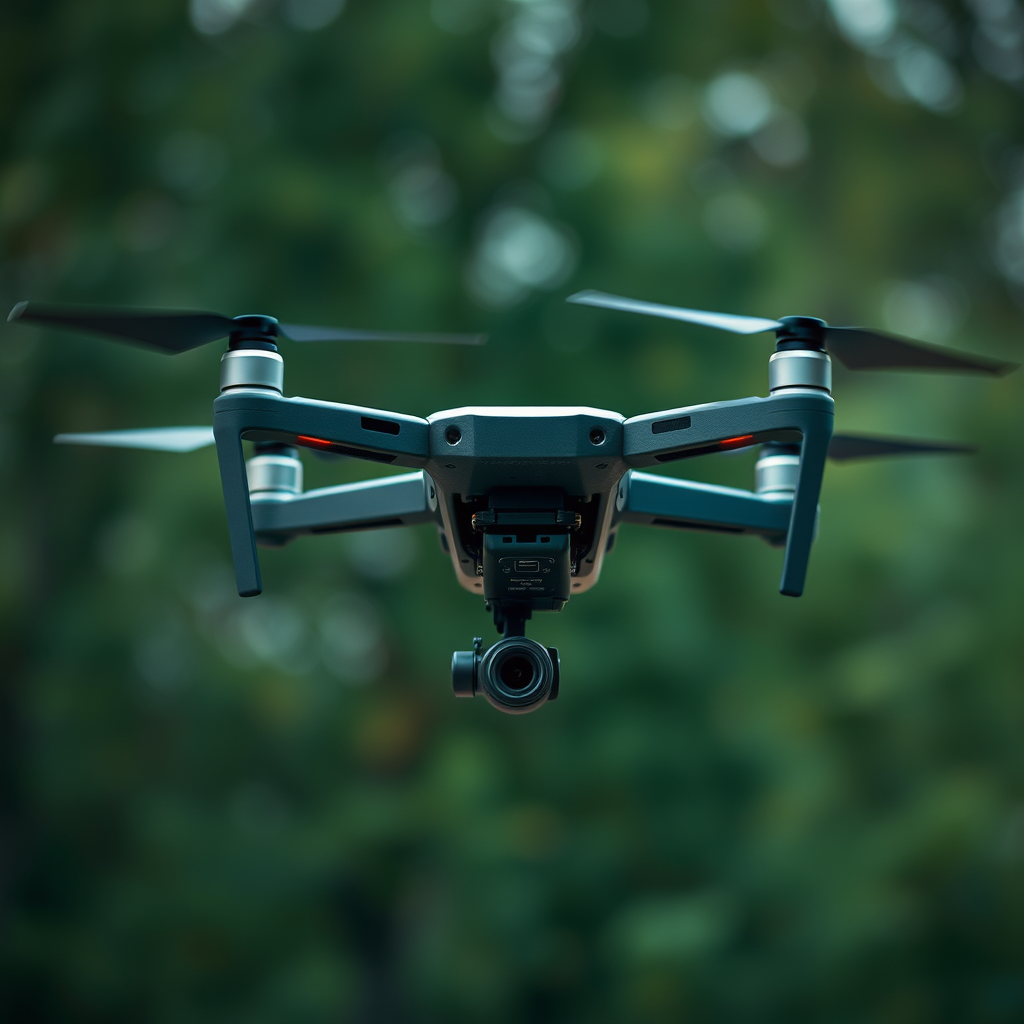
The FAA mandates that all drones weighing over 0.55 pounds (approximately 250 grams) must be registered before they can be flown. This includes a wide range of DJI models, such as the DJI Mavic series, Phantom series, and the Air series, among others. Registration is not just a formality; it helps the FAA monitor airspace safety and enables the identification of drone operators in case of incidents.
Moreover, registration is required for both commercial and recreational use. For commercial pilots, the registration process is essential to ensure they are operating within the bounds of the law and maintaining safety standards. Recreational flyers must also comply, as failure to register can lead to legal repercussions.
How to Register Your DJI Drone
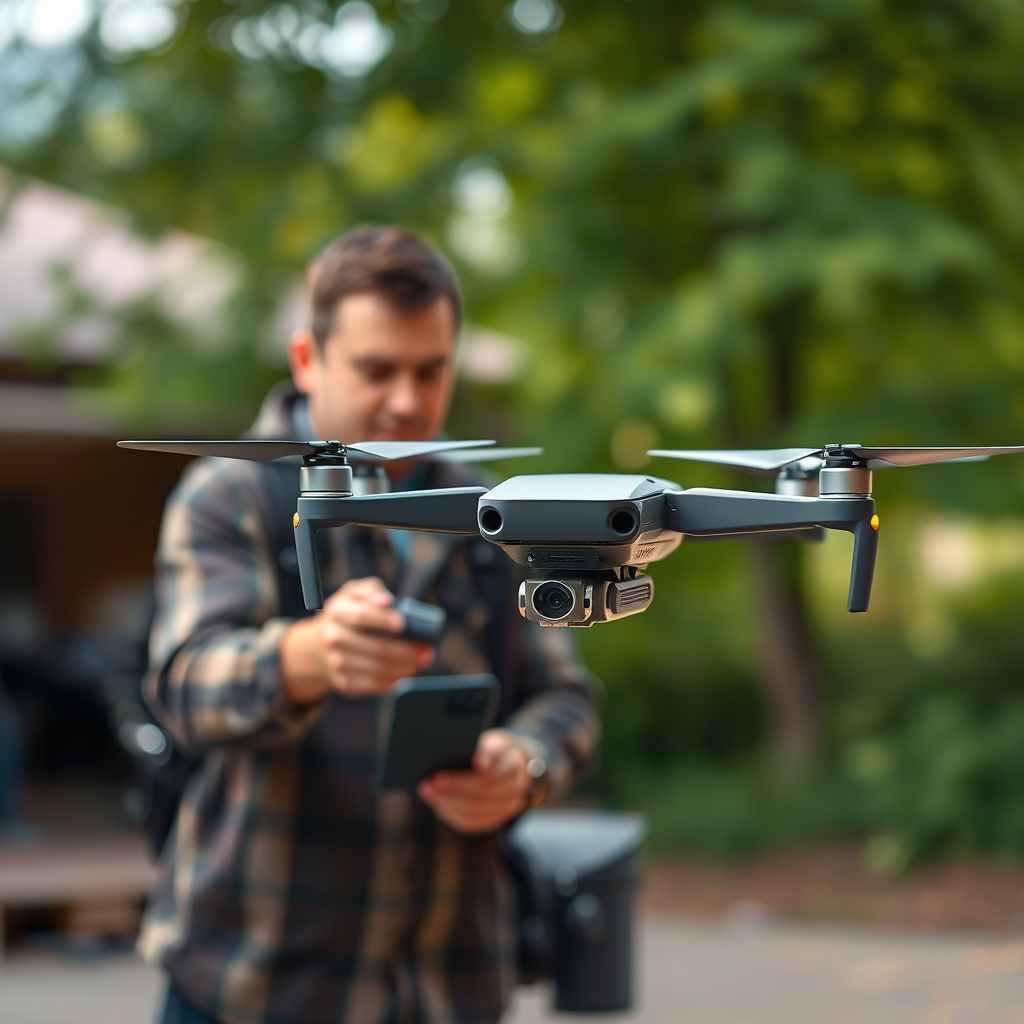
Registering your DJI drone is a straightforward process that can be completed online. To begin, visit the FAA’s online registration portal. The process requires you to provide specific information, including your name, address, and a valid email address. You’ll also need to enter your drone’s make and model.
After submitting the required information, you will receive a registration number, which must be marked on your drone. This registration number serves as your identification and is crucial for accountability. It’s important to keep this number accessible, as you may need to present it during any interactions with law enforcement or FAA representatives.
Registration Costs and Duration
The registration fee for your DJI drone is typically $5, which covers a three-year registration period. This nominal fee is designed to encourage compliance rather than discourage participation in the drone community. Once registered, you must ensure to renew your registration before it expires. Failing to do so can lead to penalties, including fines or restrictions on flying your drone.
To avoid unnecessary complications, it’s advisable to keep a record of your registration date and set reminders for when renewal is due. This proactive approach can save you from the hassle of dealing with expired registrations and potential fines.
Exceptions to the Registration Rule
While most DJI drones require registration, there are exceptions. Drones specifically used for educational purposes, such as those operated by schools or universities, may be exempt from registration if they meet certain criteria. Additionally, smaller drones that weigh less than 0.55 pounds are not required to be registered.
This exemption is particularly relevant for hobbyists who may use lightweight drones for recreational flying. However, it’s essential to understand that even if a drone is exempt from registration, operators still must follow all other FAA regulations related to drone operation.
Consequences of Not Registering
The consequences of not registering your DJI drone can be severe. Fines for non-compliance can reach up to $27,500, which is a significant penalty for any drone operator. Beyond financial consequences, flying an unregistered drone can lead to legal issues, including potential criminal charges, especially if the drone causes an incident or accident.
Moreover, unregistered drones can lead to restrictions on your ability to operate in certain areas. In some cases, local laws may impose additional regulations that require registration, adding another layer of complexity for drone operators.
Tips for Keeping Your Registration Current
To maintain compliance with FAA regulations, it’s crucial to keep your registration current. Here are some practical tips to help you manage your registration effectively:
1. Set Reminders: Use your smartphone or calendar app to set reminders for registration renewal dates. This proactive approach will help ensure you don’t forget to renew.
2. Update Your Information: If you change your address or contact details, make sure to update your information with the FAA. Keeping your details current ensures that you receive any important notifications related to your registration.
3. Store Your Registration Number: Consider keeping a digital and physical copy of your registration number for easy access. This is especially helpful if you need to present it during inspections or inquiries.
Additional Resources for Drone Owners
For anyone operating a DJI drone, it’s vital to stay informed about regulations and best practices. The FAA’s official website offers comprehensive resources, including guidelines for registration and information on drone safety. Additionally, various drone community forums and organizations provide valuable insights, tips, and updates on the latest regulations affecting drone operators.
For those interested in learning more about drone safety, consider exploring educational materials provided by the FAA and other aviation safety organizations. These resources can help new and experienced drone operators alike understand safe flying practices and the importance of compliance.
In summary, registering your DJI drone is essential for compliance with FAA regulations. By following the outlined steps for registration and maintaining your details, you can ensure your drone is legally operational. For more information, visit the FAA’s official website or check local regulations to stay informed. Happy flying!
Frequently Asked Questions
Do I need to register my DJI drone before flying it?
Yes, if your DJI drone weighs more than 0.55 pounds (250 grams), you are required to register it with the Federal Aviation Administration (FAA) in the United States. Registration helps ensure safety in the airspace and allows for easier identification in case of accidents or violations. You can complete the registration process online, and it typically costs around $5, lasting for three years.
How do I register my DJI drone with the FAA?
To register your DJI drone, visit the FAA’s official registration website and create an account. After providing some basic information, including your name, address, and the drone’s details, you’ll pay the registration fee. Once completed, you will receive a registration number that must be displayed on your drone, making it compliant with FAA regulations.
What happens if I don’t register my DJI drone?
Failing to register your DJI drone can result in significant penalties, including fines up to $27,000 for serious violations. Additionally, operating an unregistered drone may put you at risk of legal issues and can impact your ability to fly legally in the future. It’s crucial to comply with registration requirements to avoid these potential consequences and ensure safe drone operation.
Why is it important to register my DJI drone?
Registering your DJI drone is important for several reasons: it helps maintain safety in the airspace by making drone owners accountable, allows authorities to trace ownership in case of an incident, and protects you from legal repercussions. Moreover, it promotes responsible flying practices within the drone community, fostering a safer environment for both drone operators and the public.
Which DJI drones require registration?
Any DJI drone that weighs over 0.55 pounds (250 grams) must be registered with the FAA. This includes popular models like the DJI Mavic series, DJI Phantom series, and DJI Inspire series. To ensure compliance, always check the weight of your drone before deciding whether registration is necessary, as non-compliance can lead to fines and other legal issues.
References
- How to Register Your Drone | Federal Aviation Administration
- https://www.faa.gov/uas/registration/
- https://www.nytimes.com/2021/04/04/us/drones-registration.html
- https://www.wired.com/story/faa-drone-registration-requirements/
- https://www.nas.gov/UA/registration.html
- https://www.droneflyers.com/drone-registration-in-the-usa/
- https://www.nationalgeographic.com/science/article/drone-regulations-explained
