

You typically do not need a drone license to fly the DJI Mini 2 for recreational purposes, primarily because it weighs less than 250 grams. However, regulations can vary significantly depending on your location and the intended use of the drone. Understanding the nuances of drone licensing is essential for complying with local laws and ensuring safe operation. In this article, we will explore the licensing requirements, specifications of the DJI Mini 2, and essential guidelines for responsible flying.
Understanding Drone Licensing Basics
For example, the Federal Aviation Administration (FAA) in the U.S. mandates that any drone weighing more than 250 grams requires registration, while many countries have similar thresholds. Additionally, using a drone for commercial purposes often necessitates obtaining a more formal certification or license, such as the FAA’s Part 107 certification in the United States. Therefore, understanding your country’s regulations is crucial before operating a drone.
DJI Mini 2 Specifications
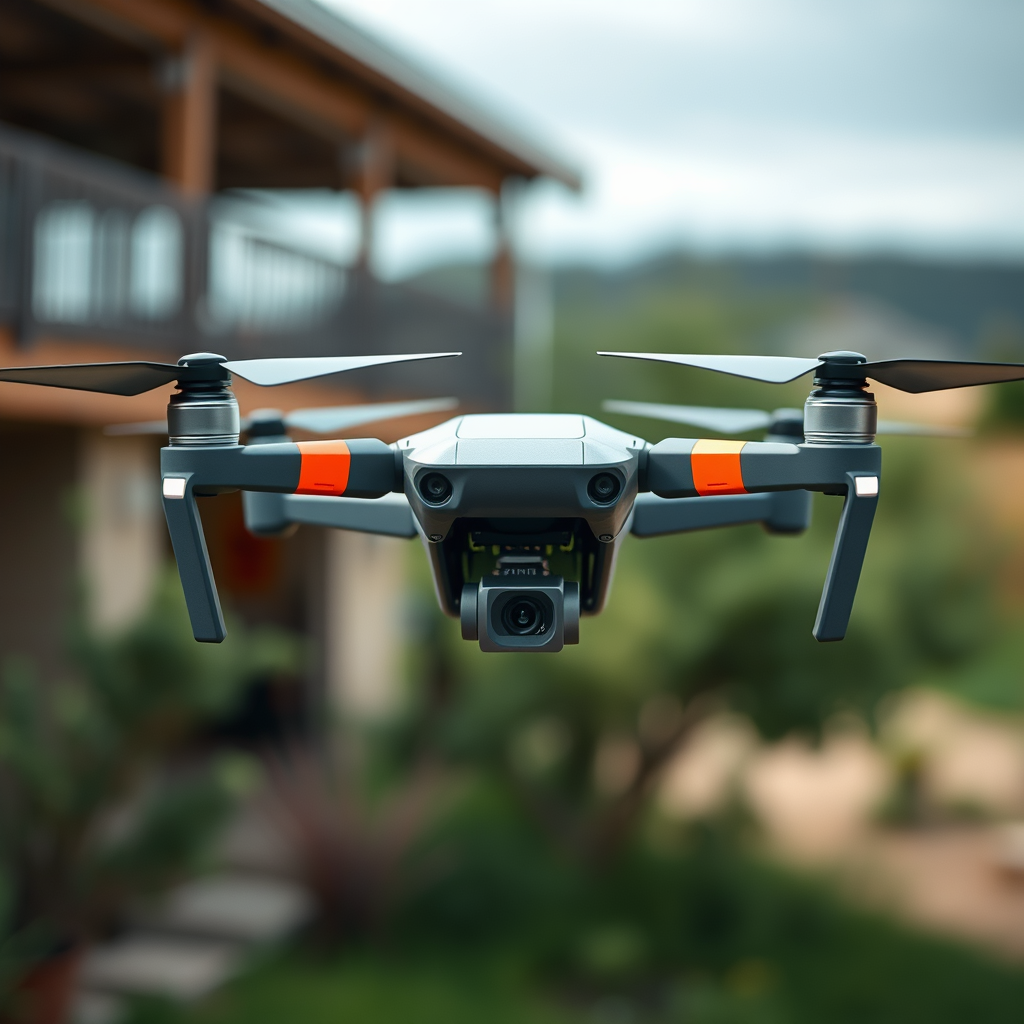
The DJI Mini 2 is a remarkably lightweight and compact drone, weighing in at just 249 grams. This weight places it below the threshold for many regulatory requirements, allowing hobbyists to operate it without the need for a license in numerous regions. The Mini 2 also boasts impressive features, including a 4K camera capable of capturing stunning aerial footage, a flight time of up to 31 minutes, and a range of up to 10 kilometers. These specifications make it particularly appealing to both newcomers and experienced drone enthusiasts looking for a portable option.
Moreover, the drone’s user-friendly design and advanced safety features, such as GPS and obstacle sensing, enhance its appeal for casual users who prioritize ease of use and safety. However, it is essential to remember that even with these advantages, operators must still adhere to local regulations to ensure compliance.
When You Might Need a License
While the DJI Mini 2 does not typically require a license for recreational use, there are scenarios where a license becomes necessary. If you intend to use the drone for commercial purposes—such as aerial photography for clients, surveying land, or any other profit-driven activities—you will almost certainly need to obtain a license. This is often mandated to ensure that operators understand and can comply with safety regulations and operational guidelines.
Additionally, specific local regulations can impose licensing requirements regardless of the drone’s weight or intended use. For instance, certain municipalities may have enacted laws that require drone operators to be licensed or registered with local authorities. Consequently, it is crucial to familiarize yourself with both general and local laws governing drone operation to avoid potential penalties.
How to Check Local Regulations
To ensure that you are operating within the law, it is essential to research your country’s aviation authority guidelines regarding drone operation. Many countries have dedicated websites where you can find up-to-date information on drone regulations. For instance, the FAA in the United States provides a wealth of resources for both recreational and commercial drone users, outlining the necessary steps to remain compliant.
Additionally, leveraging online resources such as drone forums, blogs, and local drone clubs can provide insights into regulations specific to your area. Engaging with local drone communities can also keep you informed about any recent changes in laws or best practices. It may also be beneficial to consult with legal experts or aviation authorities if you have specific questions or concerns regarding compliance.
Steps to Obtain a Drone License (if needed)
If you determine that a drone license is required based on your intended use, follow these essential steps to obtain one:
1. Identify the Type of License Needed: Understand whether you need a basic registration for recreational use or a more comprehensive commercial license. For instance, in the U.S., the Part 107 certification is necessary for commercial operations.
2. Complete Required Training: Many authorities mandate that prospective drone pilots complete training courses that cover safety, regulations, and operating procedures. This training can typically be done online through accredited programs.
3. Pass Necessary Examinations: After completing your training, you will likely need to pass an examination that tests your knowledge of drone operation regulations and safety guidelines. In the U.S., this includes a written test administered by the FAA.
4. Register Your Drone: If applicable, register your drone with your country’s aviation authority. In the U.S., this involves submitting your information online and paying a registration fee.
5. Stay Updated on Regulations: Once licensed, it is crucial to keep abreast of any changes in regulations or best practices to ensure continued compliance.
Tips for Safe and Responsible Drone Flying
Regardless of whether you require a license, being a responsible drone operator is imperative. Here are some essential safety tips to adhere to:
– Conduct Pre-flight Checks: Always inspect your drone before flying to ensure it is in good working order. Check battery levels, propeller condition, and camera functionality.
– Respect Privacy: Avoid flying over private property without permission and be mindful of individuals’ privacy. In many jurisdictions, invading someone’s privacy can lead to legal repercussions.
– Stay Clear of Restricted Areas: Familiarize yourself with no-fly zones, which often include airports, military bases, and urban areas. Many drone apps can help you identify these zones to ensure compliance.
– Maintain Visual Line of Sight: Always keep your drone within your visual line of sight while flying and avoid flying at night unless you have the necessary permissions and equipment.
– Educate Yourself Continuously: The drone industry is continually evolving, with regulations and technology changing frequently. Stay informed about best practices and advances in drone technology.
By understanding the licensing requirements and regulations surrounding the DJI Mini 2, you can enjoy flying while remaining compliant. While recreational users may not need a license, commercial operators should prioritize obtaining the necessary certifications. Always verify local regulations to ensure safe and responsible operation. Happy droning!
Frequently Asked Questions
Do you need a drone license to fly the DJI Mini 2 in the United States?
Yes, you need a drone license to fly the DJI Mini 2 in the United States if your flight operations fall under specific criteria. The Federal Aviation Administration (FAA) requires that any drone weighing more than 0.55 pounds (250 grams) must be registered, and since the DJI Mini 2 weighs about 249 grams, it is exempt from registration. However, if you plan to fly for commercial purposes, you must obtain a Part 107 Remote Pilot Certificate.
What are the requirements for obtaining a drone license for the DJI Mini 2?
To obtain a drone license for flying the DJI Mini 2 commercially under the FAA’s Part 107 regulations, you must be at least 16 years old, pass an aeronautical knowledge test, and undergo a background check by the TSA. Additionally, you must complete the FAA’s online training and receive a passing score before you can legally operate your drone for commercial purposes.
Why is it important to have a drone license when flying the DJI Mini 2?
Having a drone license when flying the DJI Mini 2 is crucial for several reasons. Firstly, it ensures that you are knowledgeable about drone regulations, safety protocols, and airspace rules, which helps prevent accidents. Secondly, flying without a license, especially for commercial use, can result in hefty fines and legal repercussions, making compliance essential for responsible drone operation.
How can I check if I need a drone license for my DJI Mini 2 flights?
To determine if you need a drone license for your DJI Mini 2 flights, consider the purpose of your flights and your location. If you’re flying recreationally and under the weight limit, you typically do not need a license. However, if you intend to use your drone for commercial purposes or if your flights involve complex airspace or specific regulations, it’s best to consult the FAA guidelines or local aviation authorities to verify your licensing requirements.
What are the best resources for learning about drone regulations and obtaining a license for the DJI Mini 2?
The best resources for learning about drone regulations and obtaining a license for the DJI Mini 2 include the FAA’s official website, which provides comprehensive information on drone laws and licensing procedures. Additionally, online courses offered by organizations such as the Remote Pilot 101 or Drone Pilot Ground School are excellent for preparing for the Part 107 test. You can also join local drone clubs or online communities to connect with experienced pilots and gain practical insights.
References
- How to Register Your Drone | Federal Aviation Administration
- https://www.faa.gov/uas/getting_started/part_107
- https://www.faa.gov/uas/getting_started/fly_right
- Drone
- https://www.nytimes.com/2021/04/01/technology/drone-regulations.html
- https://www.abc.net.au/news/2021-07-07/drone-regulations-in-australia-explained/100270140
- https://www.cnet.com/tech/mobile/drone-laws-and-regulations-explained/
- https://www.nationalgeographic.com/science/article/a-guide-to-drone-laws-and-what-you-need-to-know
