

The short answer is that you may not need a drone license for the DJI Mini 3, but it largely depends on where you live and how you plan to use it. In many regions, this drone is classified as a toy or a lightweight model that falls under specific regulations. This article will clarify the licensing requirements for the DJI Mini 3 and help you understand what you need to know before flying.
Understanding Drone Regulations
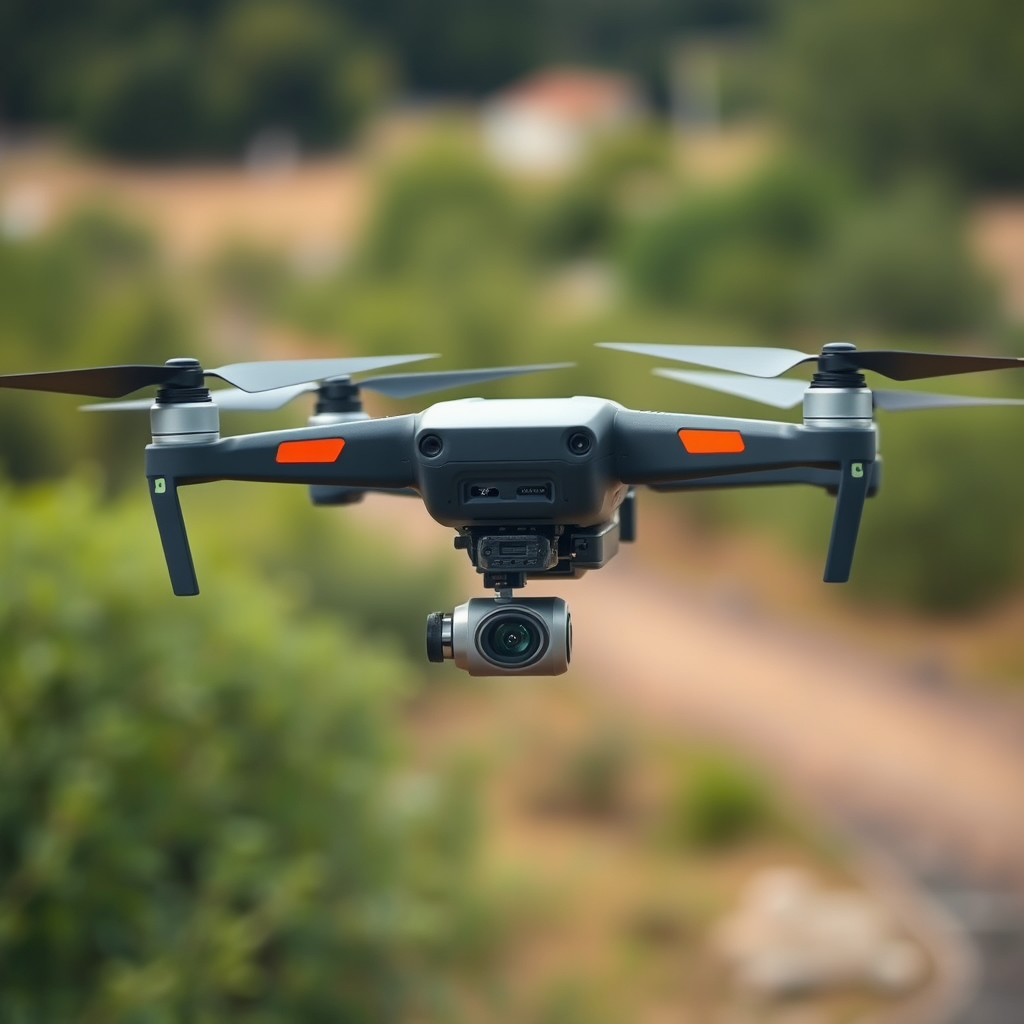
Drone regulations vary significantly from country to country, reflecting differing approaches to airspace management, safety protocols, and privacy concerns. In many jurisdictions, including regions in the United States and Europe, drones weighing under 250 grams are often classified as lightweight models or toys, which can exempt them from certain licensing requirements. The DJI Mini 3, weighing approximately 249 grams, fits into this category. However, this exemption does not grant blanket freedom; regulations still apply based on the intended use, such as recreational versus commercial purposes. It is crucial for drone operators to familiarize themselves with local regulations to avoid potential legal ramifications and ensure safe flying practices.
FAA Regulations in the United States
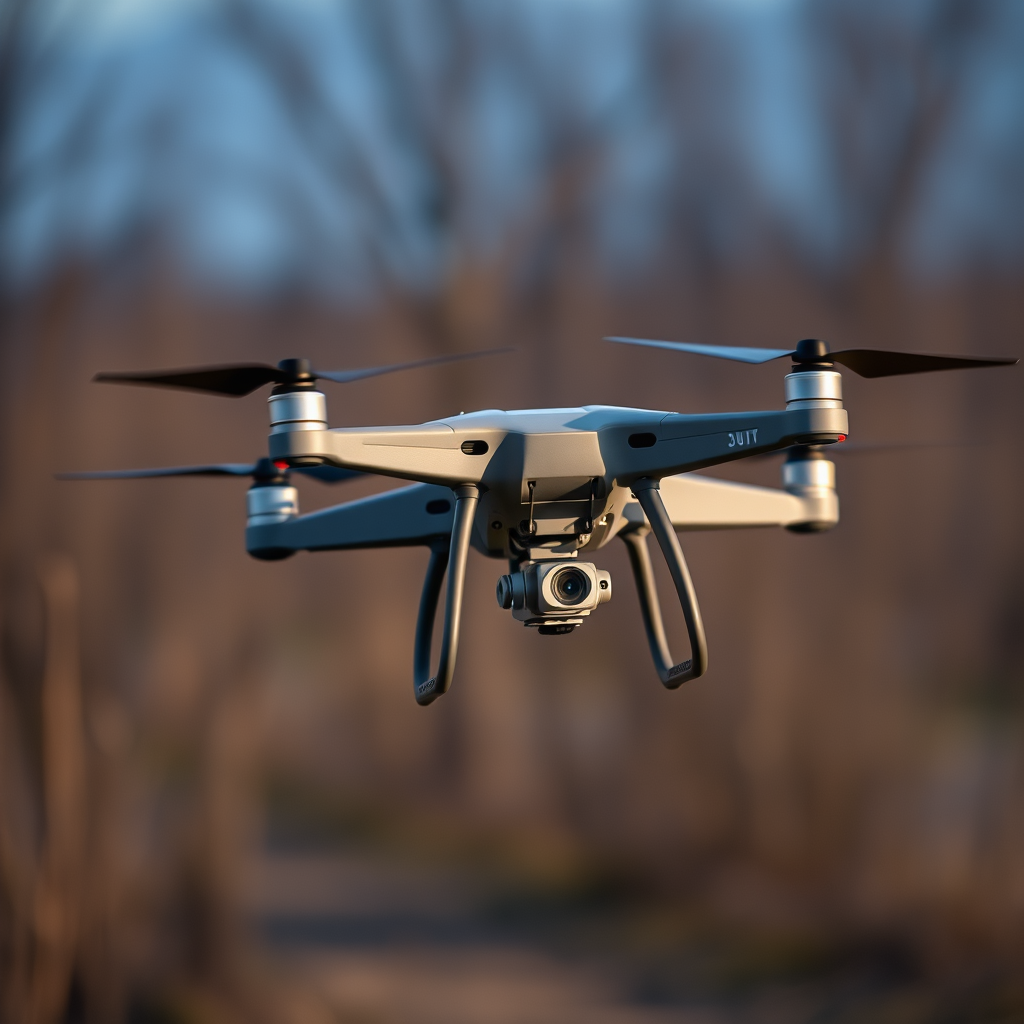
In the United States, the Federal Aviation Administration (FAA) has established a clear framework for drone usage. Drones that weigh less than 250 grams, like the DJI Mini 3, do not require FAA registration for recreational use. This is a significant advantage for hobbyists who may want to explore aerial photography or simply enjoy flying without the burden of bureaucracy. However, if you are considering using the DJI Mini 3 for commercial purposes—such as aerial photography for real estate, inspections, or other business-related activities—you must adhere to Part 107 of the FAA regulations. This entails obtaining a Remote Pilot Certificate, which involves passing a knowledge test and understanding operational protocols, including airspace classifications and weather conditions. Therefore, while recreational users of the DJI Mini 3 may fly freely, commercial operators must navigate a more complex regulatory landscape.
European Union Regulations
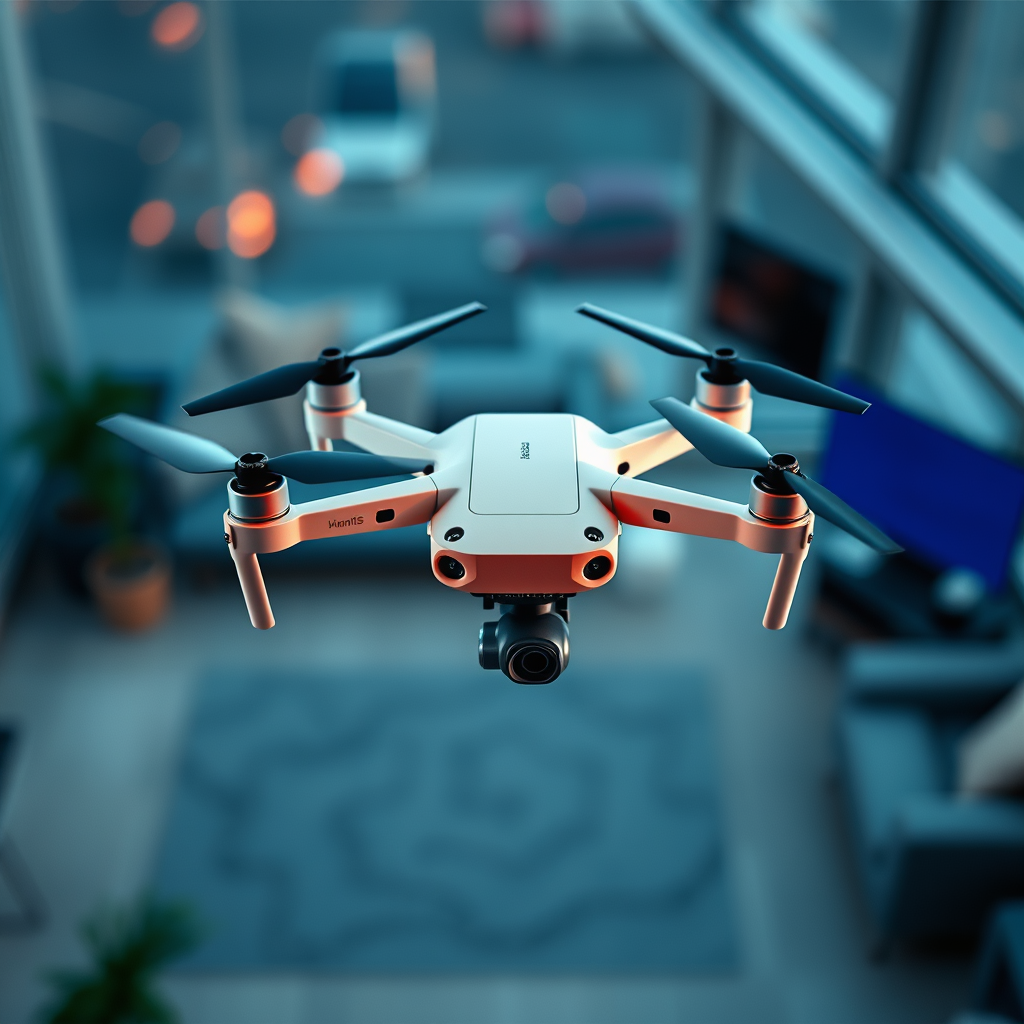
In the European Union, drone regulations are governed by the European Union Aviation Safety Agency (EASA). EASA categorizes drones based on their weight, and the DJI Mini 3 typically falls into the ‘Open Category’ for drones weighing less than 250 grams. This classification is beneficial for recreational users, as it allows for flight without the need for a license under certain conditions. Nevertheless, EASA mandates that users must adhere to specific operational limits, such as flying within visual line of sight, maintaining a safe distance from people and property, and avoiding no-fly zones. Additionally, operators are encouraged to complete an online training course to understand the basics of drone safety and regulations. Therefore, while a formal license may not be required in most cases, a foundational understanding of drone operation is recommended to ensure compliance and safety.
Local Laws and Restrictions
While national and regional regulations provide a framework, local laws can impose additional restrictions that drone operators must heed. For instance, many municipalities have designated no-fly zones, particularly near airports, schools, parks, and crowded urban areas. These restrictions are often put in place to enhance safety and protect public privacy. It’s vital to check local ordinances or consult local aviation authorities before flying the DJI Mini 3. Some regions may also have specific regulations concerning altitude limits, nighttime flying, and the use of drones for commercial purposes. Ignoring these local laws can lead to fines, confiscation of equipment, or even criminal charges. Therefore, always conduct thorough research on local regulations to ensure a compliant and enjoyable flying experience.
Best Practices for Responsible Drone Flying
Even if a license isn’t required, operating your drone responsibly is crucial to ensure safety and compliance with regulations. Familiarize yourself with no-fly zones and respect privacy laws when flying. Prior to each flight, perform a pre-flight checklist that includes checking for weather conditions, battery levels, and ensuring your drone is in proper working order. Engaging in safe flying practices not only protects yourself but also helps maintain the integrity of the drone community. Additionally, using apps like B4UFLY or AirMap can help you stay informed about airspace restrictions and provide real-time updates on local regulations. Engaging with local drone clubs or online communities can also enhance your knowledge and provide valuable insights into safe flying practices.
How to Stay Updated on Regulations
Staying informed about drone regulations is essential for any operator, regardless of whether a license is required. The best way to do this is to regularly consult the official aviation authority websites for your region, such as the FAA in the United States or EASA in the European Union. Many of these organizations publish updates, advisories, and educational resources that can help drone pilots stay compliant with the latest regulations. Furthermore, joining local drone enthusiast groups can provide a wealth of information, as these communities often share insights and experiences regarding regulatory changes and best practices. Social media platforms and forums can also be valuable resources for real-time updates and discussions about drone flying.
The DJI Mini 3 may not require a drone license for recreational use in many areas, but it’s essential to understand the specific regulations applicable to your location. Always ensure responsible flying practices and stay updated on any local laws to enjoy your drone safely and legally. If you’re considering purchasing a DJI Mini 3, check your local regulations to ensure compliance before taking to the skies. By equipping yourself with knowledge and adhering to best practices, you can fully enjoy the benefits of this innovative technology while contributing to a positive and responsible drone-flying community.
Frequently Asked Questions
Do you need a drone license to fly the DJI Mini 3 in the United States?
Yes, in the United States, you need a drone license to fly the DJI Mini 3 if it weighs more than 0.55 pounds (250 grams). Since the DJI Mini 3 weighs about 249 grams, it is technically classified as a toy drone, and you do not need a Part 107 license to operate it for recreational use. However, if you plan to use it for commercial purposes or if you exceed the weight threshold, you will need to obtain a Remote Pilot Certificate under the FAA’s Part 107 regulations.
What are the requirements for obtaining a drone license for commercial use of the DJI Mini 3?
To obtain a drone license for commercial use of the DJI Mini 3, you must pass the FAA’s Aeronautical Knowledge Test to earn a Remote Pilot Certificate. Requirements include being at least 16 years old, being able to read, write, speak, and understand English, and passing a medical examination if necessary. Additionally, you’ll need to study FAA regulations, airspace classifications, and operating requirements before taking the test, which is available at various testing centers across the country.
Why is it important to have a drone license when flying the DJI Mini 3?
Having a drone license is crucial for several reasons, especially if you plan to use your DJI Mini 3 for commercial purposes. It ensures that you understand important safety regulations and operational guidelines, reducing the risk of accidents. Moreover, flying without a license can lead to hefty fines and legal repercussions, not to mention potential liability issues in case of an incident. A drone license also enhances your credibility as a pilot and can open up more professional opportunities in aerial photography, surveying, and other commercial applications.
How do I register my DJI Mini 3 for legal use in the U.S.?
Registering your DJI Mini 3 is a straightforward process through the FAA’s Drone Zone website. Since the Mini 3 weighs less than 0.55 pounds, you are not required to register it for recreational use. However, if you plan to fly it for commercial purposes, you will need to register it, which involves providing your contact information and paying a nominal fee. Once registered, you must affix the registration number to your drone, ensuring compliance with federal regulations.
Which resources are best for studying for the FAA Part 107 test for the DJI Mini 3?
There are several excellent resources available for studying for the FAA Part 107 test, especially if you plan to use your DJI Mini 3 commercially. The FAA’s official website offers a free study guide and sample questions that cover essential topics. Additionally, online courses from providers like Remote Pilot 101 or Pilot Institute offer comprehensive training, including videos and quizzes. Joining online forums or local drone clubs can also provide valuable insights and tips from experienced pilots who have successfully passed the test.
References
- How to Register Your Drone | Federal Aviation Administration
- https://www.faa.gov/uas/getting_started/part_107
- https://www.npr.org/2022/04/08/1091779248/drones-licensing-faa
- https://www.wired.com/story/faa-drone-licensing-requirements/
- https://www.cnet.com/news/do-you-need-a-license-to-fly-a-drone/
- https://www.droneusergroup.org/faq/drone-licensing-requirements/
