
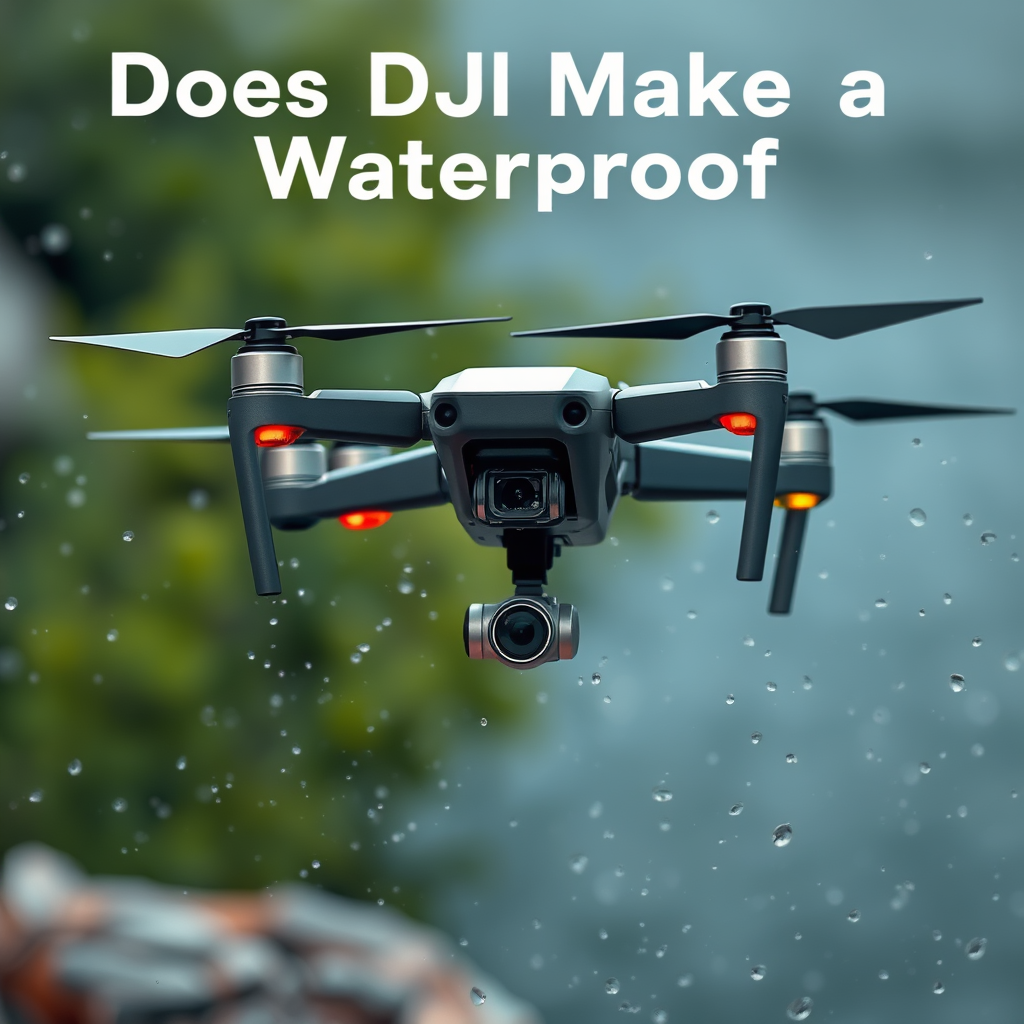
While DJI does not currently offer a fully waterproof drone, many of their models are designed to withstand light rain and splashes. This makes them suitable for various outdoor conditions, though users should exercise caution when flying in wet environments. Understanding the nuances of water resistance in DJI drones can help potential buyers make informed decisions, especially if they intend to use their drones for aerial photography in diverse weather conditions. In this article, we’ll explore the water resistance features of DJI drones, suitable alternatives, and important considerations for flying in wet conditions.
Understanding DJI’s Water Resistance Features
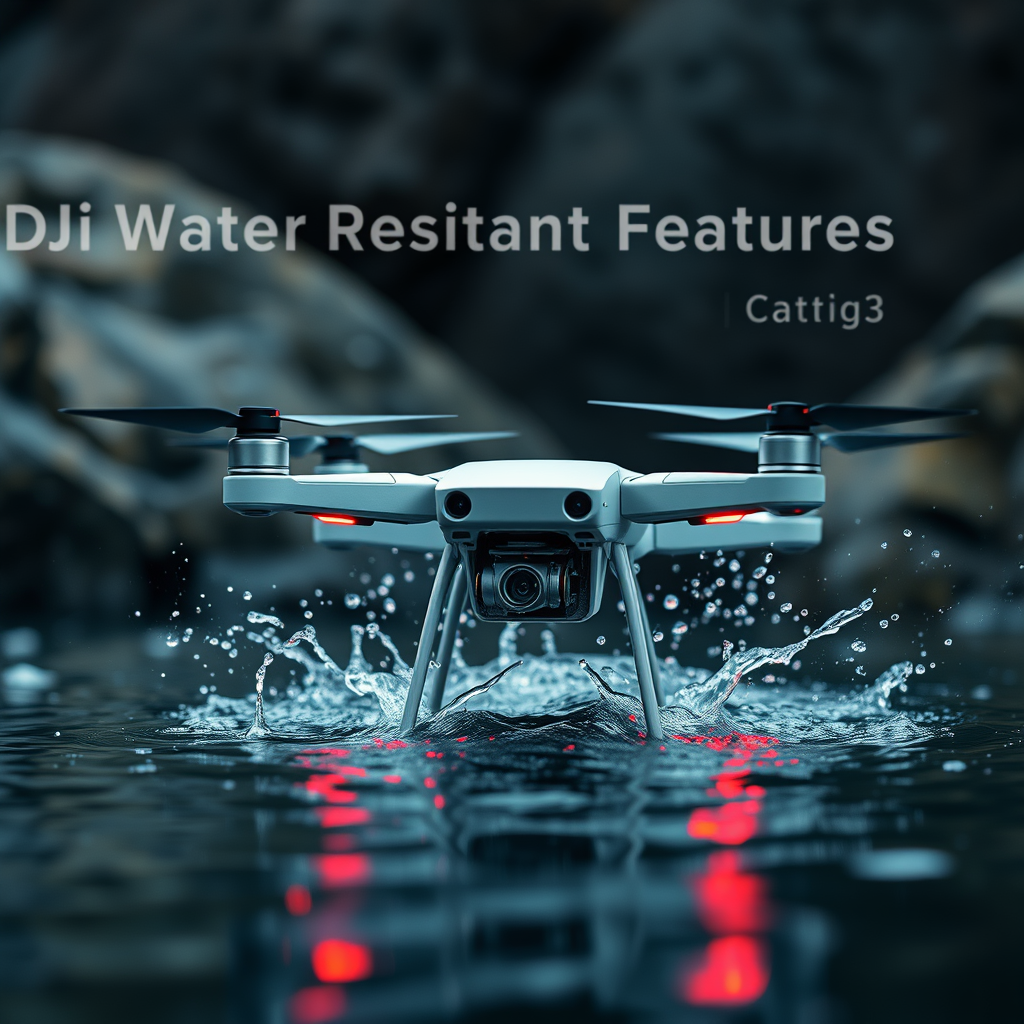
DJI has made significant strides in enhancing the durability of its drones, particularly in terms of water resistance. Many of their popular models, such as those in the Mavic series, come equipped with features that allow them to tolerate light rain and splashes. However, it is essential to note that these drones are not classified as fully waterproof. For instance, the water resistance ratings typically fall under categories such as “splash-proof,” which implies that while the drone may endure minor exposure to moisture, it should not be submerged in water or flown in heavy rain.
The water resistance of a drone is often indicated by its Ingress Protection (IP) rating, which quantifies its ability to resist solid and liquid intrusions. Most DJI drones do not have a specific IP rating, but reports from users suggest that models like the Mavic Air 2 can handle some drizzle without significant issues. Nonetheless, DJI’s official guidelines advise against operating their drones in wet conditions, emphasizing user discretion and caution.
Popular DJI Drone Models and Their Ratings
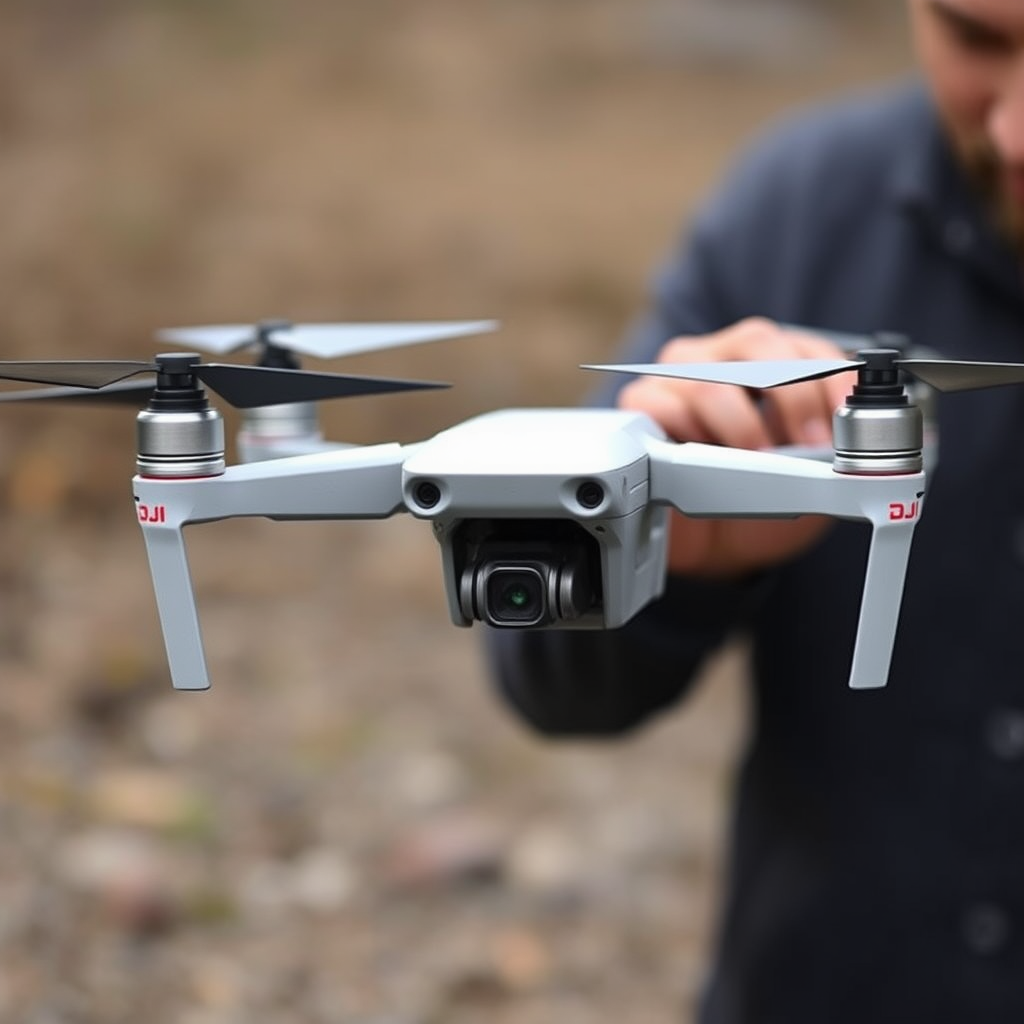
When evaluating DJI’s lineup, it is important to understand the water resistance capabilities of specific models. The DJI Mavic Air 2, while a robust and versatile drone, does not carry a formal water resistance rating. Users have shared experiences of flying it in light rain, but DJI does not endorse this usage, highlighting the need for caution.
On the other hand, the DJI Mini series, including the Mini 2, is celebrated for its lightweight and portable design, making it ideal for travel and casual use. However, similar to the Mavic series, these models lack any waterproof features. They can withstand some moisture but should not be exposed to significant water.
For those who prioritize moisture resistance due to their intended use cases—such as shooting in coastal or rainy environments—it’s crucial to recognize these limitations and consider alternatives designed specifically for wet conditions.
Alternatives for Waterproof Drones
For enthusiasts and professionals who require a drone capable of handling water exposure, several brands offer waterproof models tailored to these specific needs. Swellpro, for instance, has gained recognition for its Splash Drone series, which is engineered to be fully waterproof. These drones feature buoyancy, allowing them to float on water, and they are constructed with materials resistant to saltwater corrosion, making them ideal for marine applications.
The unique features of waterproof drones extend beyond simple water resistance. Many models come equipped with built-in stabilization technology that ensures flight stability even in wet and windy conditions. Additionally, some waterproof drones offer the capability to land on water and take off again, providing unparalleled versatility for aquatic filming and surveying.
While DJI drones excel in various aspects such as camera quality, flight time, and intelligent flight modes, users with specific needs for waterproof capabilities might find these alternatives to be more suitable for their requirements.
Tips for Flying Drones in Wet Conditions
If you decide to operate a DJI drone in light rain or moist environments, taking precautions can help minimize the risks associated with water exposure. First and foremost, always check the weather forecast before flying. Conditions can change rapidly, and knowing the status of the weather is crucial for safe operations.
In addition, using protective gear such as rain covers can provide an extra layer of defense against moisture. These covers come in various designs, specifically tailored to fit different DJI models, and can help shield the drone’s electronics from unexpected rain or splashes.
Furthermore, if you do fly in less-than-ideal conditions, ensure that you limit your flight time and avoid prolonged exposure to moisture. After flying, it is advisable to dry off the drone as soon as possible to prevent water from seeping into sensitive areas.
Maintenance for Water-Exposed Drones
Regular maintenance is vital for any drone, but especially for those that have been exposed to water, even in minimal amounts. After any flight in wet conditions, it is essential to inspect and clean the drone thoroughly. Pay special attention to the electronic components, battery compartments, and propeller motors, as these areas are particularly susceptible to water damage.
To maintain the integrity of your drone, consider using a soft brush or microfiber cloth to remove any moisture and debris. If your drone has come into contact with saltwater, rinsing it gently with fresh water can help prevent corrosion. Always allow the drone to dry completely before storing it, and consider using silica gel packets in the storage case to absorb any residual moisture.
User Experiences and Reviews
User experiences can provide valuable insights into the capabilities and limitations of DJI drones in wet conditions. Many drone enthusiasts have shared their adventures of flying DJI drones in light rain, with mixed results. While some users report successful flights with minimal issues, others have encountered problems such as moisture entering the camera housing or battery compartment.
In forums and review sites, users often discuss the precautions they take, such as ensuring the drone is completely dry before charging or storing it. Reports indicate that while DJI drones can manage brief encounters with moisture, consistent exposure can lead to performance issues over time. Thus, user feedback underscores the importance of proper handling and maintenance strategies for those who choose to operate their drones in less-than-ideal weather.
The growing popularity of waterproof drones opens up new possibilities for aerial photography and videography in various environments. Ensure you choose the right drone for your needs, and always prioritize safety and maintenance. If you’re considering a DJI drone, weigh the trade-offs and explore the options available for your specific requirements.
Frequently Asked Questions
Does DJI make a waterproof drone?
Yes, DJI has developed waterproof drones, with the most notable being the DJI Mavic 2 Enterprise Dual, which features an IP43 rating that provides limited water resistance. While it isn’t fully submersible, it can withstand light rain and splashes. Additionally, there are third-party waterproof cases available for DJI drones that can enhance water protection for various models.
What are the best waterproof drones made by DJI?
The best waterproof drone by DJI is currently the DJI Mavic 2 Enterprise Dual, which is designed for professional use and offers features such as thermal imaging and obstacle avoidance. While not entirely waterproof, its water-resistant design allows for safe operation in wet conditions. For completely waterproof options, users may need to consider aftermarket solutions or other brands specializing in fully submersible drones.
How can I protect my DJI drone from water damage?
To protect your DJI drone from water damage, consider investing in a waterproof case or cover designed for your specific model. Additionally, when flying in damp conditions, avoid low-altitude flying over water and ensure that all ports and compartments are sealed. After flying in wet environments, thoroughly dry your drone and inspect it for any moisture that could affect performance.
Why is water resistance important for drones?
Water resistance is crucial for drones as it extends their operational capabilities, allowing pilots to capture footage in diverse weather conditions and environments, such as near lakes, rivers, or during light rain. Drones that can withstand water exposure are less prone to damage, ensuring longevity and reducing maintenance costs. This feature is especially important for professionals in industries like agriculture, search and rescue, and environmental monitoring.
Which DJI drone models are suitable for flying in rainy conditions?
While DJI does not offer fully waterproof models, the DJI Mavic 2 Enterprise series is suitable for light rain, thanks to its water-resistant design. Additionally, the DJI Phantom series can handle misty conditions but should be kept away from heavy rainfall. For best performance, always check the manufacturer’s guidelines and avoid flying in severe weather to prevent potential damage.
References
- DJI
- https://www.techradar.com/news/dji-drone-guide
- https://www.bbc.com/news/technology-50929123
- https://www.theverge.com/2021/5/7/22425383/dji-air-2s-drone-review-specs-features
- https://www.reuters.com/technology/dji-launches-new-drone-everything-you-need-know-2021-04-15/
- https://www.sciencedirect.com/science/article/pii/S2351978921002140
- https://www.wired.com/story/dji-mavic-air-2-review/
