

DJI does not specifically manufacture drones intended for military use; however, their commercial drones are often utilized in various defense applications. This dual-use of technology highlights the complex relationship between commercial drone manufacturers and military organizations. In this article, we will explore DJI’s relationship with military organizations, the types of drones they produce, and the regulations surrounding their use in military operations.
Overview of DJI’s Drone Technology
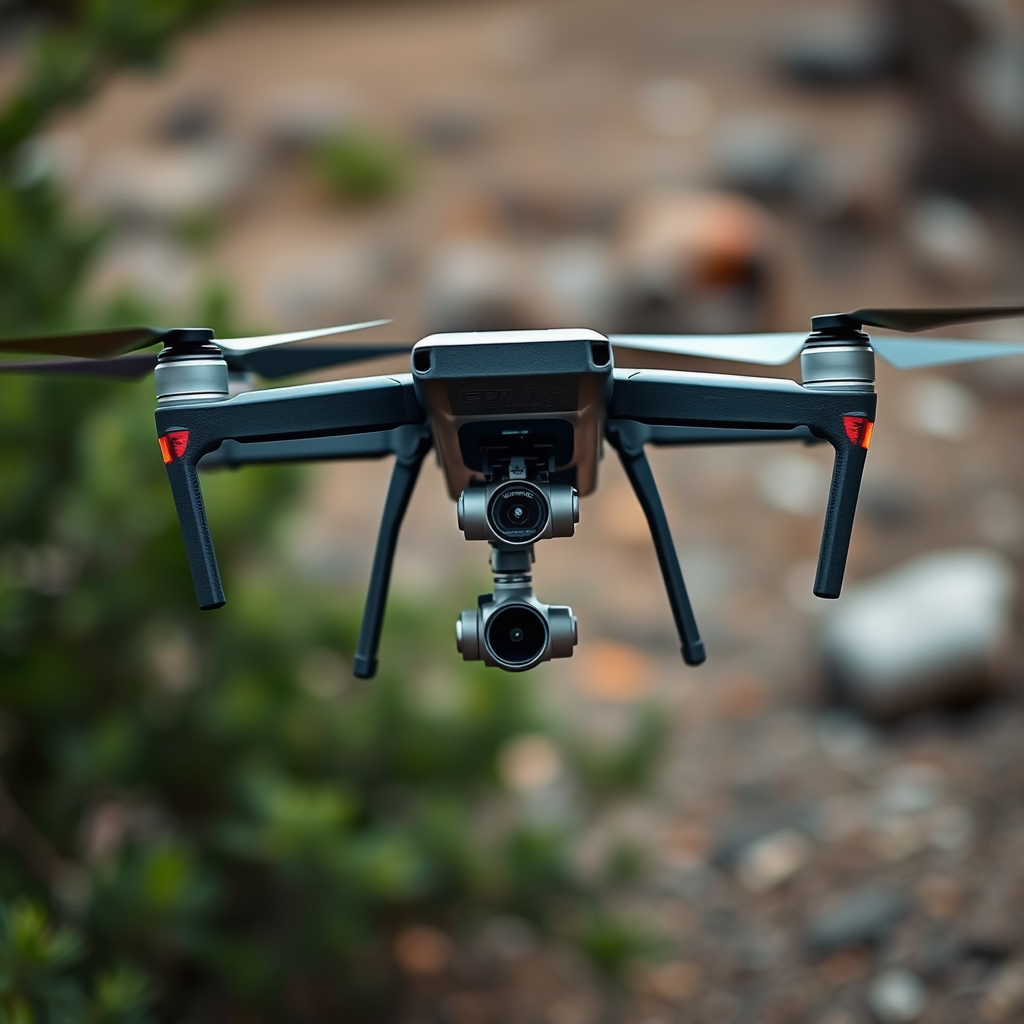
DJI, short for Da-Jiang Innovations, is recognized globally for its pioneering advancements in drone technology. The company specializes in high-quality aerial systems that integrate state-of-the-art features, including advanced imaging capabilities, exceptional stabilization systems, and intuitive flight controls. These innovations have made DJI the market leader in the commercial drone sector, primarily catering to industries such as filmmaking, agriculture, surveying, and inspection.
For instance, DJI’s Phantom and Mavic series are equipped with 4K cameras and intelligent flight modes that enable users to capture stunning aerial footage or perform complex surveying tasks. The Mavic 3, for example, features an omnidirectional obstacle sensing system, enhancing its usability in dynamic environments. While these drones are designed for civilian applications, their robust technology has inadvertently positioned them as tools that can be repurposed for military use, particularly in reconnaissance and surveillance operations.
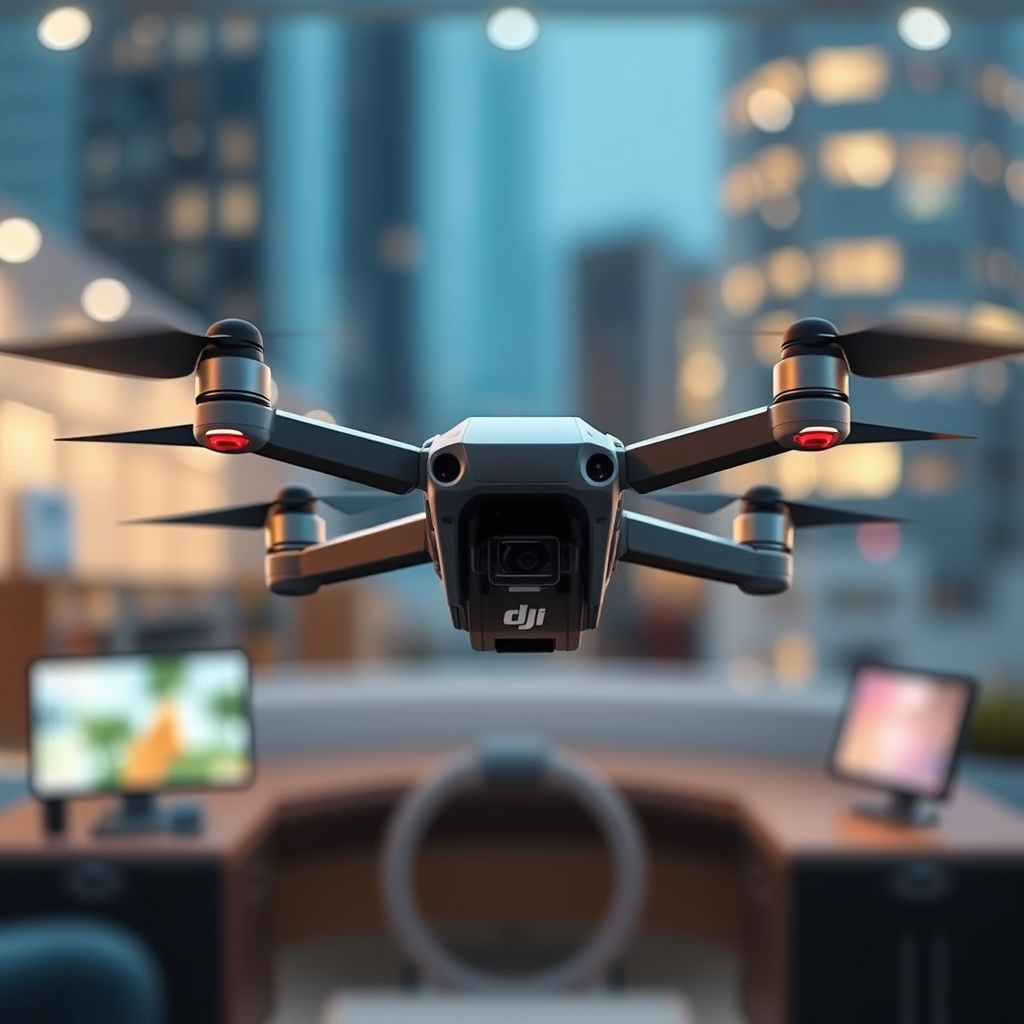
DJI’s Position on Military Sales
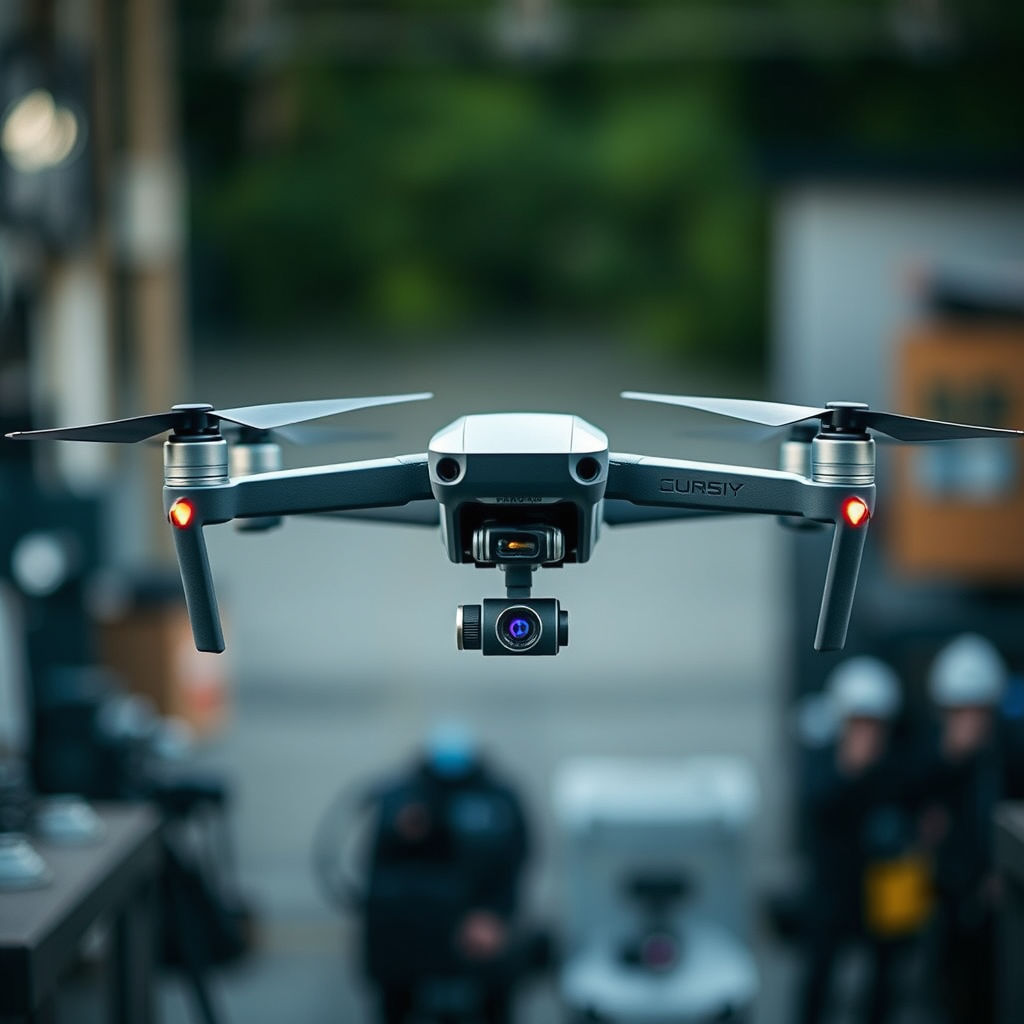
DJI maintains a clear stance against the sale of its drones for military applications. The company has publicly articulated its commitment to ethical practices, emphasizing the importance of using its technology for peaceful purposes. This policy is reflected in their operational guidelines, which restrict certain features or functionalities in specific regions, particularly where there is a higher likelihood of military application.
Moreover, DJI has taken proactive measures to prevent its products from being used in hostile environments. For example, the company has implemented geofencing technology that restricts drone operations in sensitive areas, including military bases and conflict zones. This conscientious approach underscores DJI’s commitment to ensuring that its technology is not used for military aggression or surveillance that infringes upon civil liberties.
Use of DJI Drones in Military Applications
Despite DJI’s policy against military sales, its commercial drones have found their way into various military applications, often through unofficial channels or adaptations. Military organizations globally have recognized the utility of DJI drones for tasks such as reconnaissance, surveillance, and mapping. These drones offer an affordable and effective alternative to specialized military UAVs, which can be significantly more expensive and complex.
For example, in recent conflicts, various armed forces have utilized DJI drones to gather intelligence on enemy movements or to assess damage during operations. The adaptability of DJI drones allows militaries to quickly deploy them in the field, providing real-time data without the logistical challenges associated with custom-built military drones. However, this use raises concerns about the integrity of sensitive information and the potential for adversarial forces to exploit commercial technology.
Regulatory and Ethical Considerations
The use of commercial drones in military settings is governed by various regulations, which can differ significantly from one country to another. Many nations impose strict guidelines to ensure that drone operations do not compromise national security or infringe on privacy rights. For example, the Federal Aviation Administration (FAA) in the United States has specific regulations that dictate how and where drones can be used, especially in proximity to military installations.
Ethical concerns also loom large in the discussion of drone technology’s militarization. Issues surrounding privacy, surveillance, and the implications of using consumer-grade technology for military purposes are hotly debated. Critics argue that the use of commercial drones in military operations can lead to a lack of accountability and transparency, particularly regarding civilian casualties and the impact on local populations. As drone technology continues to evolve, it is essential for policymakers to address these ethical dilemmas and establish frameworks that prioritize human rights and ethical standards.
Alternatives to DJI for Military Drones
While DJI remains a leader in the commercial drone market, several companies specialize in manufacturing drones specifically designed for military applications. Firms such as Northrop Grumman, Boeing, and General Atomics produce UAVs with capabilities tailored to meet the rigorous demands of military operations. These military-grade drones are equipped with advanced sensors, longer flight times, and enhanced payload capacities, allowing them to perform a wider range of missions than their commercial counterparts.
For instance, the Northrop Grumman MQ-4C Triton is a high-altitude, long-endurance drone specifically designed for maritime surveillance and reconnaissance. These specialized military drones often include robust encryption and secure communication systems that are vital for sensitive operations, significantly differentiating them from commercial models like those produced by DJI.
Future Trends in Drone Technology
The drone industry is experiencing rapid evolution, driven by advancements in artificial intelligence, autonomy, and payload capabilities. As technological barriers continue to fall, the lines between commercial and military applications are increasingly blurred. Dual-use technology, which can serve both civilian and military purposes, is becoming more prevalent, prompting discussions about the implications of such advancements.
Emerging trends include the integration of machine learning algorithms that enable drones to perform autonomous missions, reducing the need for human intervention. Additionally, developments in battery technology are extending flight durations, allowing drones to cover larger areas without the need for frequent recharging. As these trends unfold, it is crucial for stakeholders—ranging from manufacturers to policymakers—to remain informed and engaged in discussions about the responsible use of drone technology.In conclusion, while DJI does not manufacture drones specifically for military use, its commercial products often find applications in defense contexts. The company’s commitment to ethical standards and responsible technology usage sets it apart, yet the repurposing of its drones for military purposes raises important regulatory and ethical questions. As drone technology continues to advance, staying informed about the evolving landscape of regulations and innovations is essential for all stakeholders in this dynamic field.
Frequently Asked Questions
Does DJI manufacture military drones for defense purposes?
DJI, primarily known for its consumer and commercial drones, does not officially produce military drones for defense purposes. However, their technology has been adapted in some military applications, particularly in surveillance and reconnaissance. The company has faced scrutiny regarding the potential use of its drones by military organizations, prompting it to emphasize its commitment to ethical practices and civilian use.
What types of drones does DJI offer that could be used in military applications?
DJI offers several drone models that are often utilized in military applications, such as the Matrice 300 RTK and the Mavic 2 Enterprise series. These drones feature advanced imaging capabilities, real-time data transmission, and robust flight performance, making them suitable for reconnaissance, search and rescue, and environmental monitoring. While not designed explicitly for military use, their technology is attractive to defense sectors seeking efficient aerial solutions.
Why are DJI drones considered for military use despite being designed for commercial purposes?
DJI drones are considered for military use due to their advanced technology, reliability, and ease of use. Many military organizations seek to leverage commercial drone capabilities for intelligence, surveillance, and reconnaissance missions. The versatility of DJI drones, coupled with features like high-resolution cameras and long flight times, makes them appealing for various tactical applications, even if they are not specifically designed for the military.
What are the legal and ethical implications of using DJI drones in military operations?
The legal and ethical implications of using DJI drones in military operations are significant, as they raise concerns about privacy, compliance with international laws, and the potential for misuse in conflict zones. Organizations must ensure they adhere to regulations governing drone usage while considering the ethical ramifications of deploying commercial drones for military purposes, including the potential impact on civilian safety and rights.
Which DJI drone models are best suited for surveillance and reconnaissance tasks?
The DJI Matrice 300 RTK and the DJI Mavic 2 Enterprise are among the best-suited models for surveillance and reconnaissance tasks. The Matrice 300 RTK offers robust payload capabilities and advanced AI features, making it ideal for complex operations, while the Mavic 2 Enterprise provides portability and versatility, making it suitable for rapid deployment in various environments. Both models are equipped with high-resolution cameras and thermal imaging options, enhancing their effectiveness in these roles.
References
- https://www.bbc.com/news/technology-58394473
- https://www.reuters.com/technology/dji-military-drones-2021-09-23/
- https://www.theguardian.com/world/2021/sep/23/china-drones-military-dji
- DJI
- https://www.defense.gov/Explore/News/Article/Article/2696405/dji-technology-raises-security-concerns-for-us-military/
- https://www.cnas.org/publications/reports/dji-drone-proliferation-and-us-national-security
- https://www.nytimes.com/2022/03/03/us/politics/dji-drone-military.html
- https://www.sciencedirect.com/science/article/pii/S221267081730081X
