
Elon Musk’s brother, Kimbal Musk, does not own a drone company. However, he is actively involved in various ventures focused on sustainable food and agriculture. Kimbal Musk is known for his entrepreneurial spirit, particularly in the realm of food sustainability, rather than in the technology sector. This article will explore Kimbal Musk’s business background, his diverse interests in sustainable practices, and the current landscape of the drone industry, highlighting its connections to agriculture.
Background on Kimbal Musk
Kimbal Musk is a prominent chef and entrepreneur, widely recognized for his dedication to promoting food sustainability. Born on September 20, 1972, he has cultivated a career that intertwines culinary arts with social responsibility. Kimbal co-founded The Kitchen Restaurant Group, which emphasizes farm-to-table dining experiences. This initiative is not just about providing meals; it aims to foster a connection between diners and the sources of their food, supporting local farmers and sustainable agricultural practices.
His background in culinary arts extends beyond merely operating restaurants. Kimbal has a deep-rooted passion for addressing food-related issues, including food deserts and the environmental impact of food production. His ventures are designed to create a more sustainable food system, making a significant impact on communities and the environment alike.
Kimbal’s Business Ventures
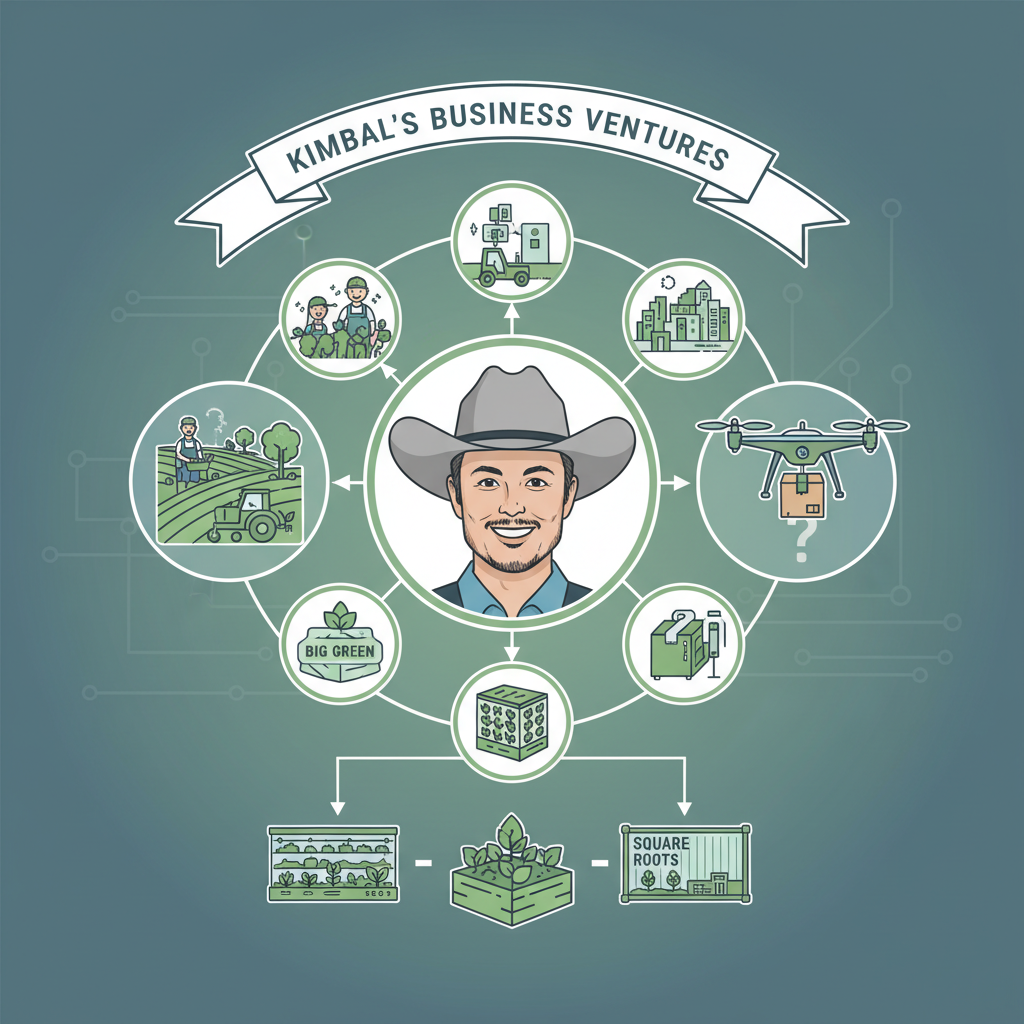
Kimbal Musk’s entrepreneurial journey includes several significant ventures that advocate for sustainable practices. One of his notable projects is Square Roots, an urban farming accelerator that helps aspiring farmers develop their skills while promoting local food production. The initiative focuses on vertical farming and hydroponics, which are essential in urban environments where space is limited. By nurturing local talent and fostering innovative farming techniques, Square Roots aims to enhance access to fresh and healthy produce in urban areas.
Additionally, Kimbal has expanded his influence through initiatives such as Big Green, a nonprofit organization that builds learning gardens in schools across the United States. These gardens serve as outdoor classrooms, teaching children about nutrition, gardening, and sustainability. Through these efforts, Kimbal Musk not only promotes healthy eating but also empowers the next generation to appreciate the importance of sustainable food systems.
The Drone Industry Overview
The drone industry has experienced remarkable growth over the past decade, with applications spanning various sectors, including agriculture, delivery services, and surveillance. Drones offer advanced technology that allows for precision and efficiency, making them invaluable tools in numerous fields. The global drone market is expected to surpass $42 billion by 2025, driven by advancements in technology and increased investment from both private and public sectors.
In agriculture, drones are revolutionizing the way farmers monitor their crops and manage their land. They provide real-time data on crop health, soil conditions, and water usage, enabling farmers to make informed decisions. As the demand for efficient and sustainable farming practices continues to rise, the integration of drone technology in agriculture is becoming increasingly essential.
Notable Drone Companies
Several companies have established themselves as leaders in the drone market, each contributing to the industry’s growth and innovation. DJI, a Chinese technology company, dominates the consumer drone market with its high-quality products that cater to both hobbyists and professionals. Their drones are widely used for aerial photography, surveying, and even agricultural applications.
Another notable player is Parrot, which focuses on developing drones for both consumer and commercial use. Parrot’s products are particularly relevant in the agricultural sector, where they provide farmers with tools to monitor crop health and optimize yields.
In addition to these established companies, numerous startups are emerging, particularly those focusing on agricultural applications. Companies like PrecisionHawk and AgEagle are pioneering the use of drones for crop monitoring, soil analysis, and precision agriculture, showcasing the diverse capabilities of drone technology in enhancing farming practices.
Connection Between Drones and Agriculture
The intersection between drones and agriculture is becoming increasingly apparent as farmers seek innovative solutions to optimize their operations. Drones are utilized for tasks such as crop monitoring, which involves assessing plant health and detecting issues like disease or pest infestations early on. This capability allows farmers to intervene promptly, reducing crop loss and increasing yields.
Moreover, drones equipped with multispectral cameras can collect data that provides insights into soil health and moisture levels, enabling precision irrigation and resource management. Kimbal Musk’s commitment to sustainable agriculture aligns with these technological advancements, as both aim to enhance food production while minimizing environmental impact.
The integration of drones into sustainable farming practices exemplifies how technology can support Kimbal’s mission. By utilizing drones, farmers can adopt more efficient practices, contributing to a sustainable food system that Kimbal champions through his various ventures.
Future Prospects for Drone Technology
As the drone industry continues to evolve, the future prospects for drone technology appear promising. With advancements in artificial intelligence (AI) and automation, drones are expected to become even more sophisticated, providing improved data analytics and operational efficiencies across sectors.
Regulatory changes are also likely to shape the future of drone technology. As governments around the world work to establish comprehensive regulations for drone usage, the industry may see expanded applications and increased adoption rates. The ability to integrate drones into logistics and delivery services, for instance, could revolutionize supply chains.
In agriculture, the ongoing development of drone technology has the potential to significantly impact food production methods. As farmers become more adept at using drones for precision agriculture, we can expect to see a shift toward sustainable practices that not only enhance productivity but also improve environmental stewardship.
In conclusion, while Kimbal Musk does not own a drone company, his commitment to sustainable agriculture intersects with the growing use of drone technology in that field. The advancements in drone capabilities align with Kimbal’s vision of promoting sustainable food systems. As both sectors continue to innovate, the potential for collaboration and integration is significant, suggesting a future where drones play a crucial role in sustainable agriculture and beyond.
Frequently Asked Questions
Does Elon Musk’s brother own a drone company?
Yes, Elon Musk’s brother, Kimbal Musk, is associated with a company called Zipline, which specializes in drone delivery services. Zipline primarily focuses on delivering medical supplies and blood to remote areas, showcasing the potential of drone technology in healthcare logistics. Though Kimbal Musk is not the founder, his involvement highlights the family’s commitment to innovative solutions in various industries.
What is the mission of Kimbal Musk’s drone company?
The mission of Zipline, the drone company associated with Kimbal Musk, is to provide access to essential medical supplies and improve healthcare delivery in underserved regions. By utilizing drone technology, Zipline aims to overcome geographical barriers and ensure that critical resources, such as vaccines and blood, reach those in need promptly and efficiently, thereby saving lives.
How does Zipline’s drone delivery system work?
Zipline’s drone delivery system operates by using unmanned aerial vehicles (UAVs) that can transport medical supplies over long distances. The process begins with hospitals placing orders through a digital platform, which are then processed at Zipline’s distribution centers. Drones are launched, navigate autonomously to the delivery locations, drop supplies via parachute, and return to base, all while maintaining high safety and efficiency standards.
Why is drone technology important in healthcare?
Drone technology is crucial in healthcare as it enables rapid and reliable delivery of medical supplies to remote or hard-to-reach areas. This innovation addresses significant challenges, such as time delays and transportation barriers, especially during emergencies or natural disasters. By leveraging drones, healthcare providers can ensure timely access to life-saving resources, ultimately improving patient outcomes and saving lives.
What are the benefits of using drones for medical supply deliveries?
The benefits of using drones for medical supply deliveries include faster response times, reduced transportation costs, and the ability to reach isolated communities efficiently. Drones can deliver supplies within minutes, overcoming traffic and geographical obstacles that traditional methods face. Additionally, using drones can help to minimize waste and ensure that medical supplies are used before their expiration, thus enhancing overall healthcare service delivery.
References
- https://en.wikipedia.org/wiki/Kimbal_Musk
- https://www.bbc.com/news/technology-61317963
- https://www.theguardian.com/us-news/2021/mar/29/elon-musk-brother-kimbal-musk-restaurant-drones
- https://www.nytimes.com/2021/04/01/business/kimbal-musk-drones.html
- https://www.reuters.com/technology/kimbal-musk-says-he-wants-make-food-system-more-sustainable-2021-03-30/
