
The short answer is yes, Section 336 does cover DJI drones, but with specific limitations and regulations. This section of the Federal Aviation Administration (FAA) guidelines provides certain exemptions for hobbyist drone operators, allowing them to fly drones like those manufactured by DJI without needing formal certification. However, it is important for operators to understand the conditions under which these exemptions apply to ensure compliance with both federal and local regulations. In this article, we’ll explore the implications of Section 336, its application to DJI drones, and what drone operators need to know to safely enjoy their flying experience.
Understanding Section 336
Section 336 of the FAA Modernization and Reform Act of 2012 is a regulatory framework that enables the operation of unmanned aircraft systems (UAS) for recreational purposes without the need for FAA certification. This provision recognizes the growing popularity of drone technology and aims to promote its use while ensuring safety in the national airspace. To qualify for the exemptions provided under Section 336, hobbyist drone users must adhere to specific criteria.
These criteria include operating the drone strictly for recreational purposes, flying it within visual line-of-sight, and ensuring that the drone does not exceed a weight limit of 55 pounds. Furthermore, operators are required to abide by community-based safety guidelines and to register their drones with the FAA if they weigh more than 0.55 pounds. Section 336 thus strikes a balance between fostering innovation in the drone sector and maintaining safety standards.
DJI Drones Overview
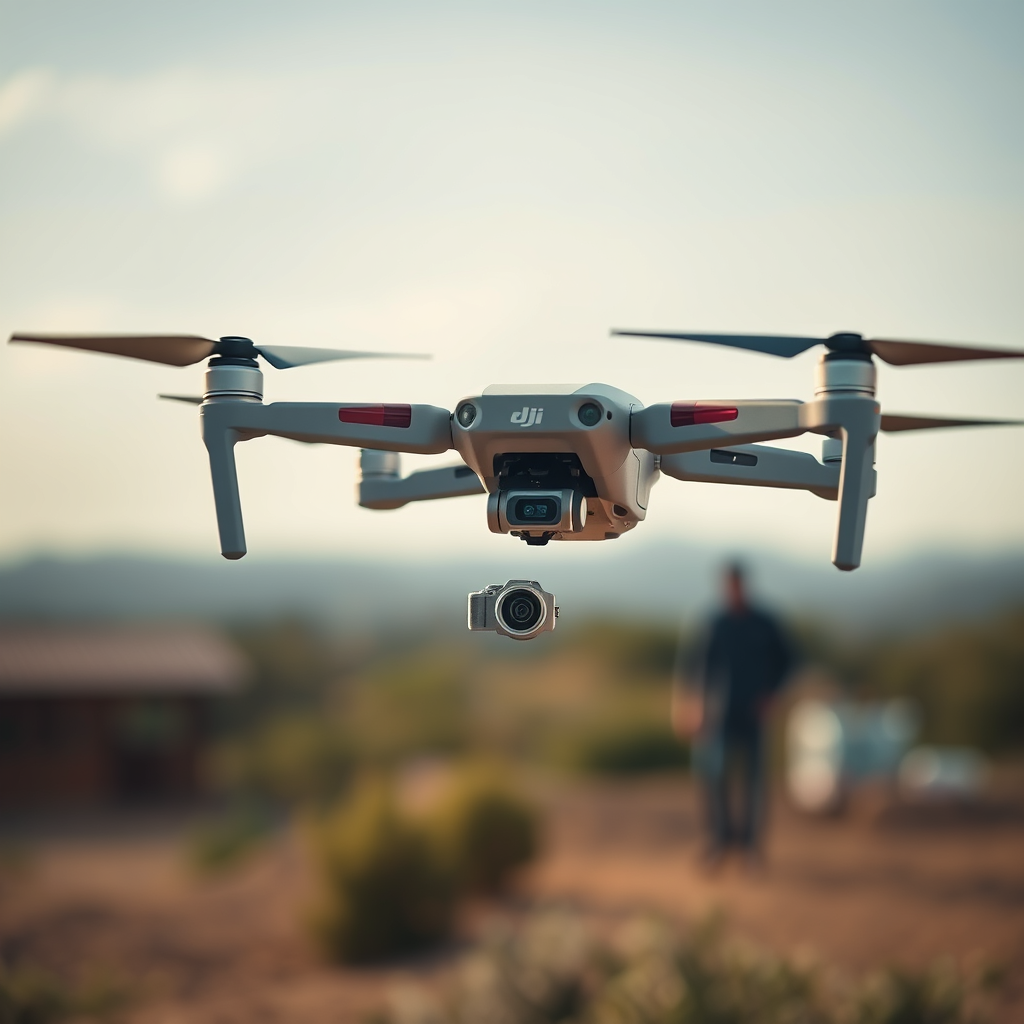
DJI has emerged as a leading manufacturer of consumer and professional drones, renowned for their cutting-edge technology, reliability, and user-friendly interfaces. Models such as the DJI Phantom, Mavic Air, and Mini series are widely used by hobbyists, offering features like high-definition cameras, intelligent flight modes, and advanced stabilization systems. These capabilities have made DJI drones particularly appealing to recreational users who wish to capture stunning aerial photography or engage in hobbyist flying.
As DJI drones are designed with compliance in mind, they feature built-in functionalities that help operators adhere to FAA guidelines, such as no-fly zone alerts and altitude limits. Nonetheless, even with these advancements, operators must remain vigilant in understanding how Section 336 applies to their specific drone model and its intended use.
Compliance Requirements Under Section 336
For hobbyist drone operators flying DJI drones, compliance with Section 336 entails several critical requirements. First and foremost, operators must use their drones exclusively for recreational purposes, which means any commercial use—such as aerial photography for payment or promotional activities—falls outside the provisions of Section 336. Engaging in commercial activities necessitates obtaining a Remote Pilot Certificate under Part 107 of the FAA regulations.
Additionally, operators must ensure that their drones weigh less than 55 pounds, which includes the weight of any payload being carried. It is essential to maintain visual line-of-sight with the drone at all times during flight to keep it within the operator’s control. This requirement emphasizes the importance of situational awareness while flying, as it helps mitigate risks associated with collisions and loss of control.
Operators should also familiarize themselves with community-based safety guidelines, which are often provided by organizations such as the Academy of Model Aeronautics (AMA). These guidelines offer best practices for safe flying, including recommendations on flying locations, altitude limits, and operational safety measures.
Limitations of Section 336 for DJI Drone Operators
While Section 336 provides a beneficial framework for hobbyist drone operations, it does come with limitations that operators must navigate. One significant restriction is that Section 336 does not exempt drone operators from adhering to state or local laws, which may impose stricter regulations than federal guidelines. For instance, certain municipalities may prohibit drone flying in designated parks, residential areas, or near critical infrastructure, such as airports and government buildings.
Furthermore, operators must be aware of airspace restrictions, as certain areas may be designated as no-fly zones due to safety and security considerations. The FAA’s B4UFLY app is a useful tool for drone operators, providing real-time information about airspace restrictions, including temporary flight restrictions (TFRs) that may arise due to special events or emergencies. Staying informed about these restrictions is crucial for ensuring compliance and safety.
The Future of Drone Regulations
The landscape of drone regulations is dynamic and continually evolving as technology advances and the number of drone users grows. The FAA is actively working on updating regulations, which could impact the applicability of Section 336 to DJI drones in the future. For instance, ongoing discussions around Remote Identification (Remote ID) requirements and the potential expansion of drone operations may lead to new regulations that could alter the current exemption framework.
Operators should proactively stay informed about potential changes in legislation that may affect their flying practices. Engaging with industry organizations, participating in community forums, and reviewing updates from the FAA can help drone enthusiasts adapt their practices to comply with evolving regulations.
Resources for DJI Drone Operators
For DJI drone operators seeking to navigate the complexities of Section 336, numerous resources are available to aid in compliance. The FAA provides comprehensive guidelines and resources specifically tailored for recreational drone users, including educational materials on safe flying practices and regulatory updates. The FAA’s website offers an array of information, including the FAA’s DroneZone for registration and community resources for keeping up with local regulations.
In addition to FAA resources, DJI has established a wealth of educational materials and community forums to assist operators in understanding compliance with Section 336. The DJI Forum and YouTube channel often feature tutorials, user experiences, and safety tips that can enhance operators’ flying knowledge and skills.
By utilizing these resources, DJI drone operators can remain informed and ensure that their flying experiences are both enjoyable and compliant with regulations.
In summary, while Section 336 does provide coverage for DJI drones under certain conditions, it is crucial for operators to understand and adhere to the regulations outlined. Compliance with the requirements of Section 336 not only fosters a safe flying environment but also supports the continued growth and innovation of the drone industry. For those flying DJI drones recreationally, staying informed about compliance, local laws, and available resources is essential to ensure safe flying practices and an enjoyable experience.
Frequently Asked Questions
Does Section 336 of the FAA apply to DJI drones specifically?
Yes, Section 336 of the FAA (Federal Aviation Administration) pertains to the operation of certain model aircraft, including DJI drones, as long as they meet specific criteria. This section allows individuals to fly UAVs (unmanned aerial vehicles) as long as they are used for hobby or recreational purposes, are flown within visual line of sight, and are under 55 pounds. However, commercial use of DJI drones would require compliance with additional FAA regulations.
What are the restrictions under Section 336 for flying DJI drones?
Under Section 336, DJI drones must adhere to several restrictions to be considered legal for hobby use. These include flying below 400 feet, not operating the drone near airports or populated areas, and ensuring that the drone remains within the operator’s visual line of sight. Additionally, pilots should avoid flying at night unless they have appropriate lighting, and it’s essential to follow any local laws regarding drone use.
How can I ensure my DJI drone complies with Section 336 regulations?
To ensure compliance with Section 336 regulations for your DJI drone, you should first register your drone with the FAA if it weighs over 0.55 pounds. Familiarize yourself with the specific operational guidelines, such as maintaining a visual line of sight, flying below 400 feet, and avoiding restricted airspace. Keeping up-to-date with any changes to FAA regulations will also help you stay compliant and avoid potential fines.
Why is Section 336 important for recreational DJI drone pilots?
Section 336 is crucial for recreational DJI drone pilots because it provides a legal framework that allows them to fly their drones without needing a commercial pilot license or special permissions. This section aims to promote safe and responsible flying while encouraging the growth of drone hobbies. Understanding these guidelines helps pilots operate their drones legally and safely, reducing the risk of accidents and violations.
Which DJI drones are suitable for recreational use under Section 336?
Most DJI drones that weigh less than 55 pounds and are designed for recreational use can be flown under Section 336. Popular models like the DJI Mini series and the DJI Mavic Air are excellent options, as they are lightweight and user-friendly. However, it’s essential to verify that any specific model you choose complies with FAA regulations and is intended for hobbyist use to ensure a smooth flying experience.
References
- Unmanned aerial vehicle
- Unmanned Aircraft Systems (UAS) | Federal Aviation Administration
- https://www.ncbi.nlm.nih.gov/pmc/articles/PMC6266504/
- https://www.theguardian.com/us-news/2020/jun/16/us-drone-regulations-faa
- https://www.nist.gov/news-events/news/2021/05/new-guide-drones-and-privacy-issues
- https://www.reuters.com/article/us-usa-drones-regulation-insight-idUSKBN2A10CS
- https://www.suasnews.com/2021/01/section-336-and-the-faa-reach-of-drones/
- https://www.faa.gov/uas/resources/pub/uas_rulemaking/
